Close-up of first train of Hanoi’s second metro line put on rails
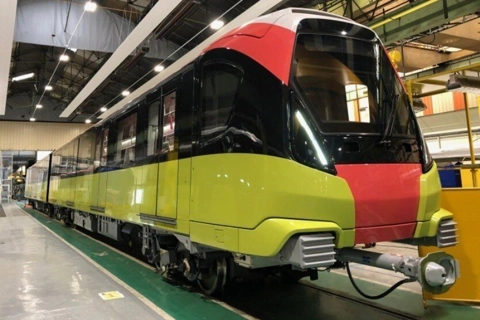
This is the first of a batch of four trains being produced for the line out of a total rolling stock of ten of Hanoi’s second metro line.
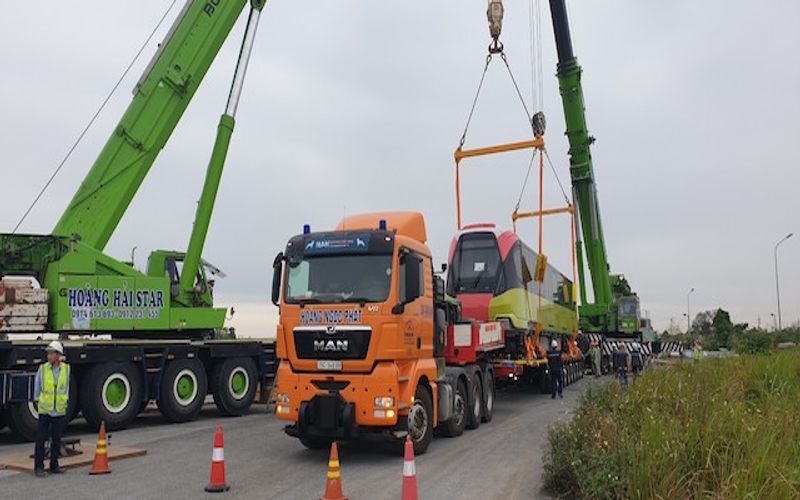
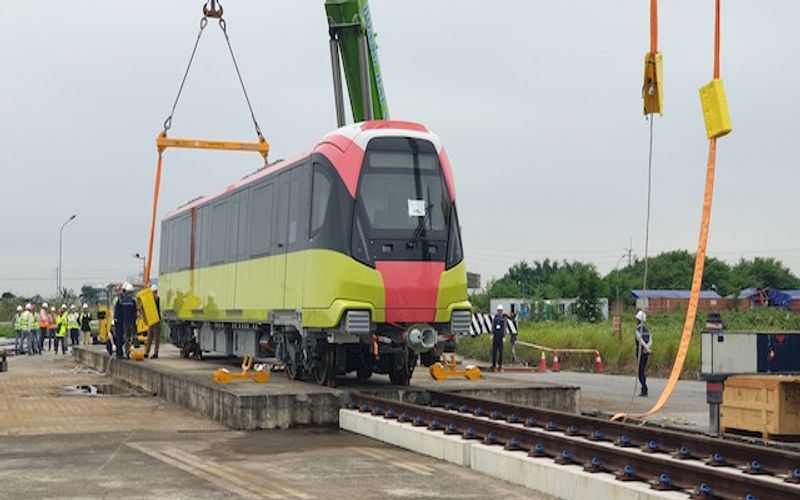
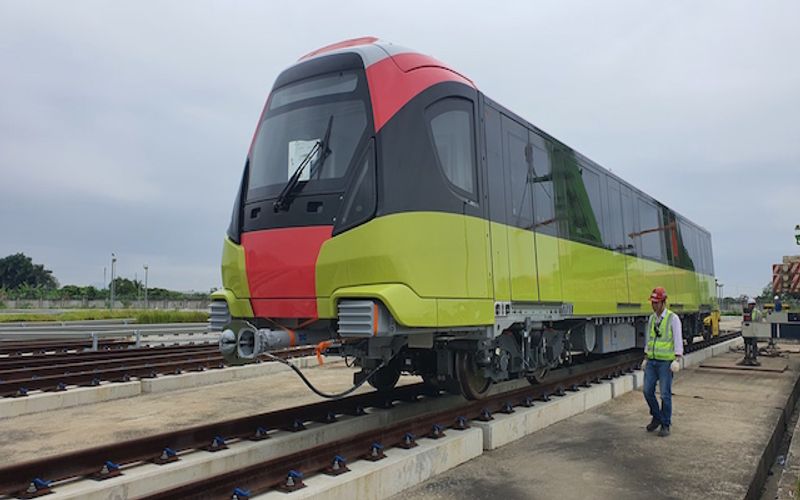
The first train of Hanoi’s second metro line, Nhon-Hanoi Railway Station, arrived at the Nhon depot in Hanoi and was put on tracks on October 20, Kinh Te & Do Thi reported.
The arrival indicates that the trains could become operational soon.
This is the first of the batch of four trains being produced for the line out of a total rolling stock of ten of Hanoi’s second metro line.
Each train will be composed of four or five wagons with a maximum capacity of 950 passengers. It is made of aluminum alloy in accordance with European standards, measuring 78.27 meters in length.
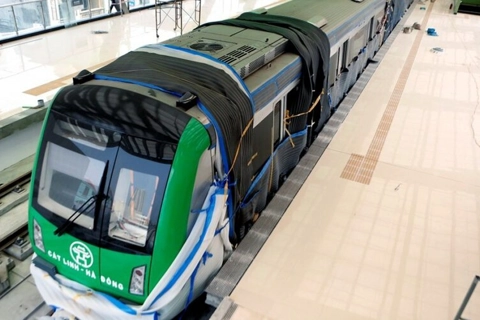
The Nhon-Hanoi Railway Station metro line, one of Hanoi’s first two metro lines together with Cat Linh-Ha Dong, spans 12.5 kilometers from Nhon in the western district of Nam Tu Liem through Kim Ma street to the Hanoi Train Station in the downtown area.
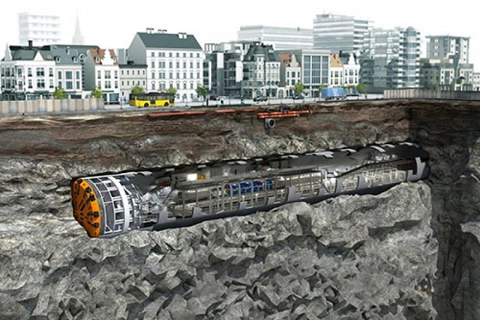
It will run 8.5 kilometers on elevated tracks through eight stations and the remaining four kilometers underground. The underground track is scheduled to be inaugurated in 2022.
It is expected that 8.5 km overhead section of the Nhon-Hanoi Railway Station metro line will be put into use in the second half of 2021, i.e from Nhon to S8 station (near the University of Transport in Cau Giay district). The remaining 4km underground will be inaugurated at the end of 2022.
The followings are photos of the first train of Hanoi’s second metro line:
| The frame of the car was made of French aluminum alloy which is light and durable. |
| The train is one of the most modern products of Alstom, fully equipped with amenities such as: air conditioning, ventilation, passenger radio system, camera system, fire and toxic smoke detection system, LED light which can automatically adjust intensity when running underground, among others. |
| The interior of the train is decorated with bright colors and white LED lights will help passengers feel airy and comfort while on board. |
| The train also uses a solution of Communication-Based Train Control, URBALIS, which is Alstom's most advanced one with advantages such as: flexible control system, optimizing safety and ensuring uninterrupted service delivery to passengers. |
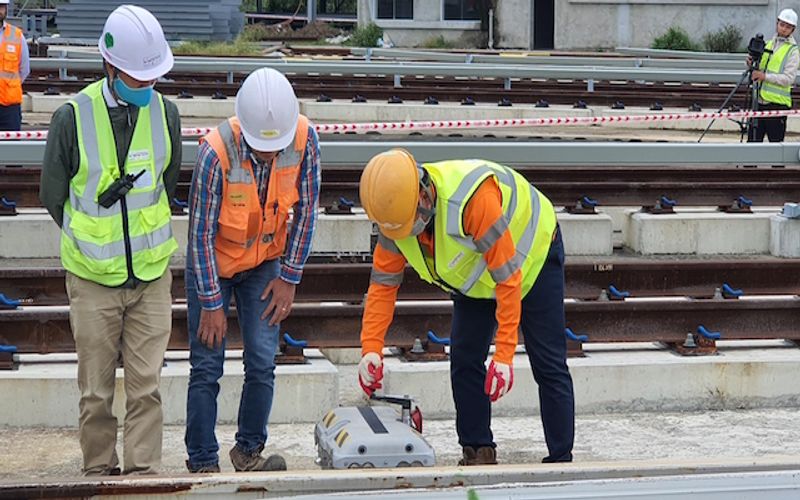
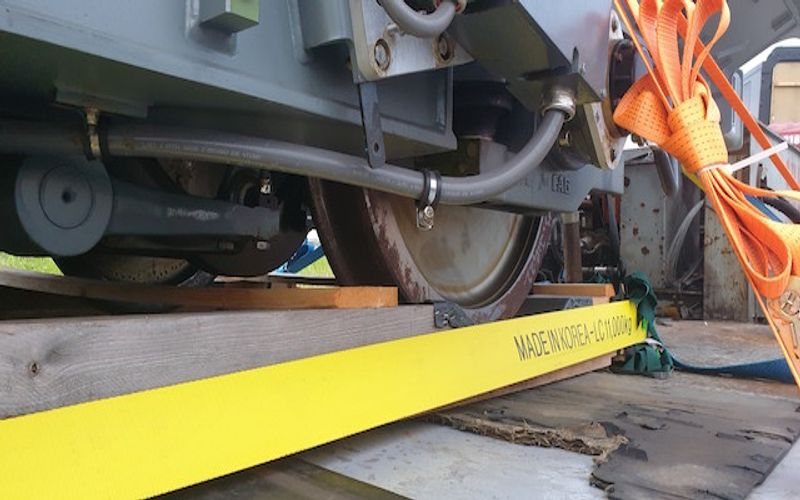
| The train pick-up has been prepared for many weeks. |
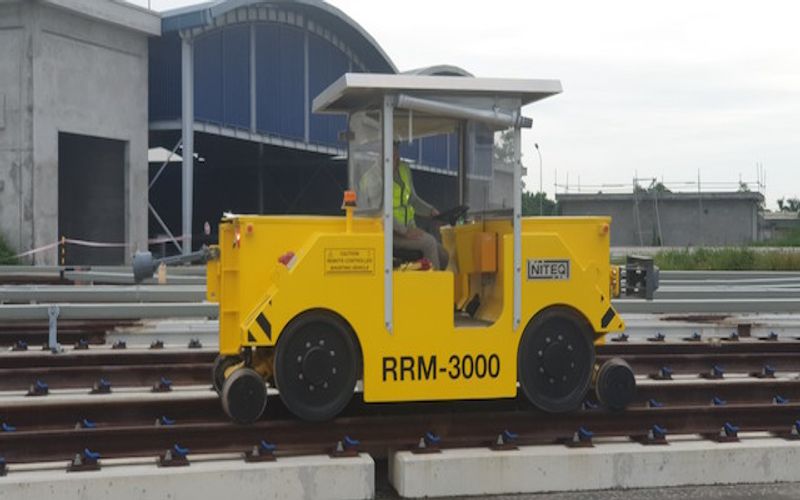
The train uses low-voltage power of 750VDC provided through third rail system to ensure its compactness, low installation costs and maintenance as well as urban aesthetic. |
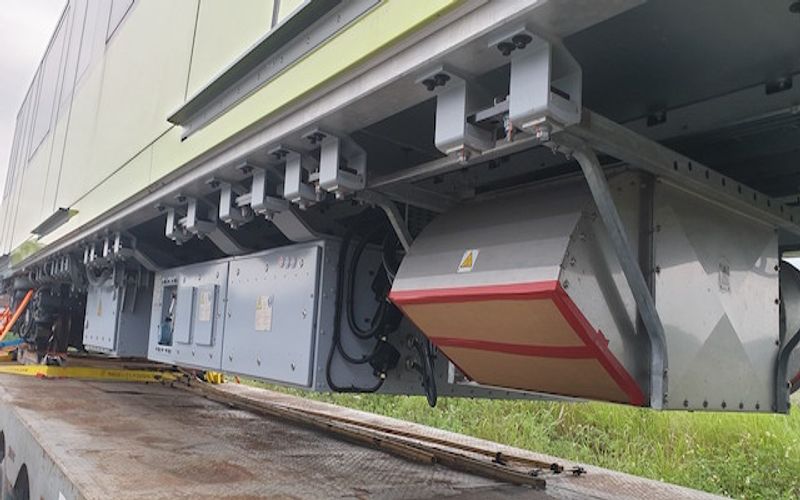
| The brake system is equipped with a regenerative braking to reduce energy consumption and maintenance costs. Low maintenance requirements and energy efficiency are pluses. |
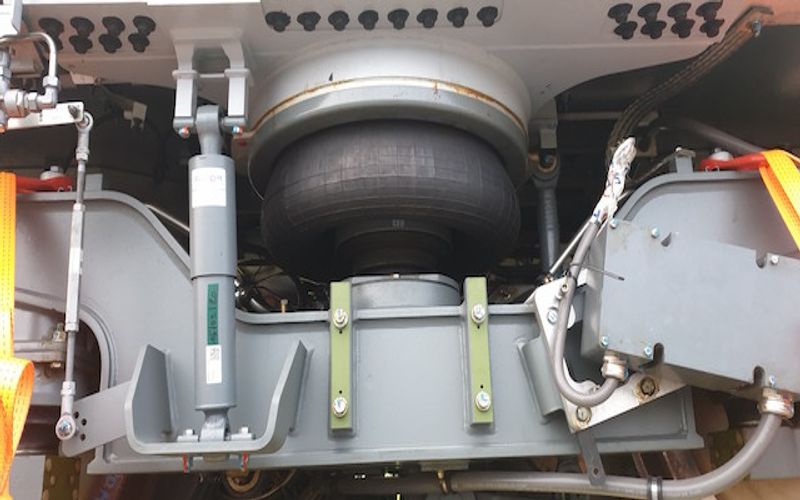
The train accessibility is convenient for passengers to get on and off, especially those with luggage or traveling by wheelchair. Besides, there are also priority areas for the disabled, and seats for the elderly, pregnant women and children. |