Resuming collaboration with CNN will allow Hanoi to bring in more foreign tourists to the city described by the US network as “a world of wonder and intrigue.”
The US-based news network CNN will continue to promote Hanoi’s tourism amid the city's efforts to boost inbound traveling after two years of the Covid-19 pandemic.
Deputy Chairman of the municipal People’s Committee Nguyen Manh Quyen (R) and Robert Bradley, Senior Vice President, CNN at a meeting on Oct 4. Photo: Cam Anh/ The Hanoi Times
Robert Bradley, Senior Vice President of CNN, shared the idea at a meeting in Hanoi today [October 4] with Deputy Chairman of the municipal People’s Committee Nguyen Manh Quyen.
The following action will further highlight the years of successful collaboration between the city and a leader in online news and information, according to Bradley, who noted that CNN digital platforms receive hundreds of millions of visits each month.
He stressed that Vietnam is a prospective tourism market, and CNN is a reliable source of news on the subject. For that reason, spreading Hanoi’s long-lasting and distinctive culture would benefit international visitors, Bradley noted.
Nguyen Manh Quyen highly appreciated the idea and promised that the local government would soon resume its collaboration to introduce the city’s quintessence to foreign visitors, particularly those from Europe and the US, who are increasingly interested in essentially cultural motivations.
He asserted that it’s time for both sides to work together to bring in more foreign arrivals, which Hanoi is attempting to do as part of its targets for economic recovery, especially after Vietnam opened its borders to international visitors on March 15, 2022.
Quyen said CNN needs to conduct more thorough analyses and forecast patterns following the Covid-19 pandemic to provide visitors to Hanoi with essential information.
He affirmed that collaboration with CNN would enhance connections with other communities to build value chains towards a better tourism environment in Vietnam and highlight the capital's tourism and cultural potential.
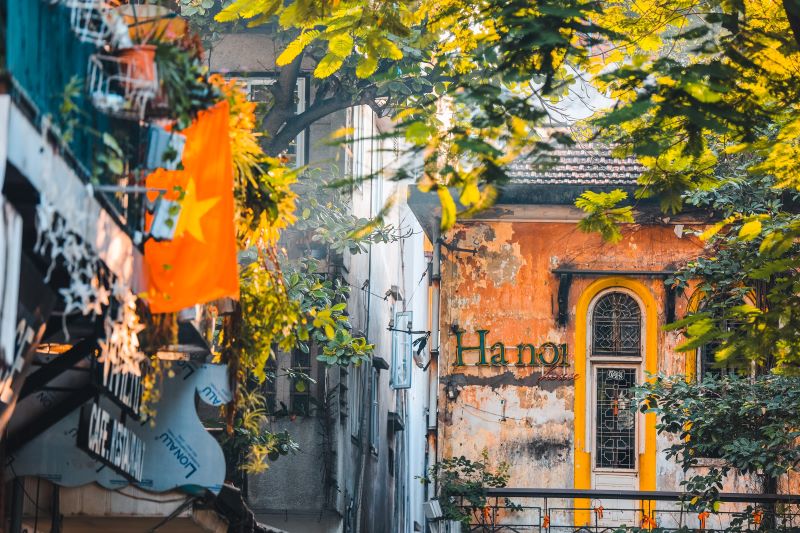
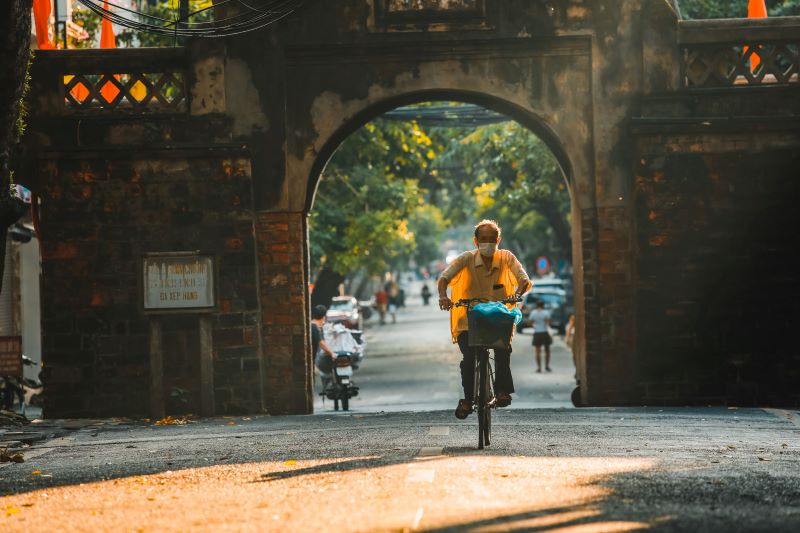
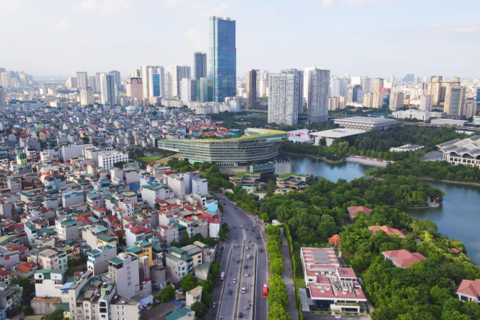
In its previous editions, CNN described Hanoi as a city of “century-old tradition”, “cradle of heritage” with “luxury high-rises and villa developments stretch into new suburbs”, “French-inspired buildings shelter street vendors below”, and “famed cuisine and ancient history.”
“Hanoi has it all! Find the streets alive with food, culture, history, friendly locals, and street vendors,” it described.
Hanoi in Autumn, which is the best season of the year. Photos: Khanh Huy/ The Hanoi Times
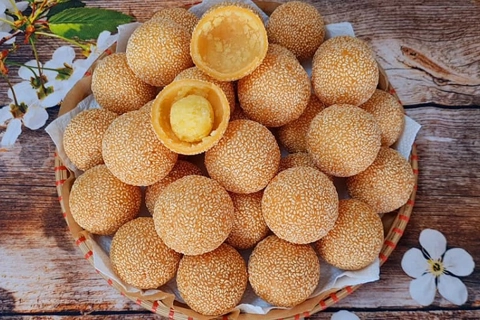
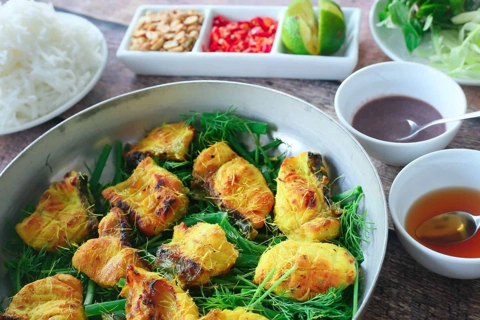
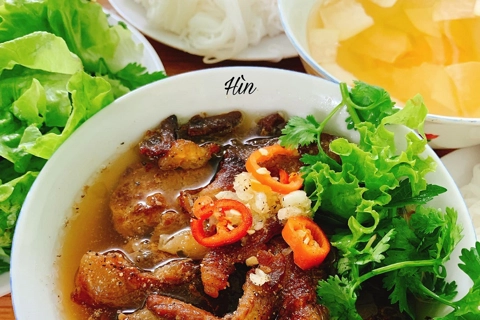
A Hanoi speciality- the Banh Ran is among the best dishes from Vietnam that CNN Travel suggests travelers try when visiting the capital city in particular and the country in general.
Hanoi sets 2026 as a breakthrough year for healthcare reform, accelerating digital transformation, restructuring hospital networks and tightening food safety management under Politburo Resolution 72.
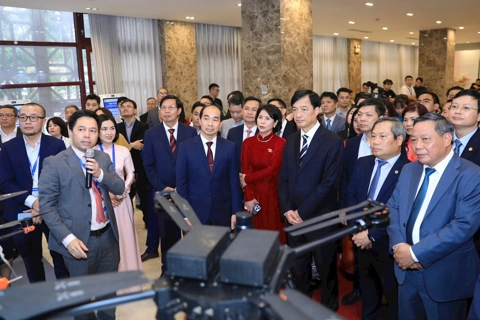
The new innovation center is designed to connect policy, technology and talent, aiming to accelerate digital transformation, support startups and position the capital as a global testing hub for emerging technologies and creative industries.
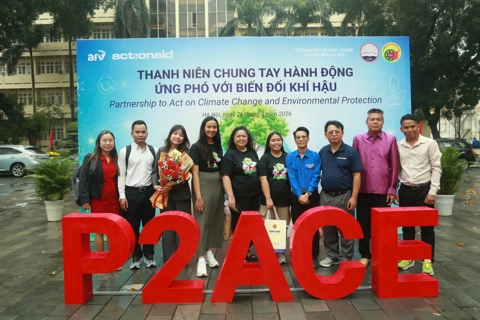
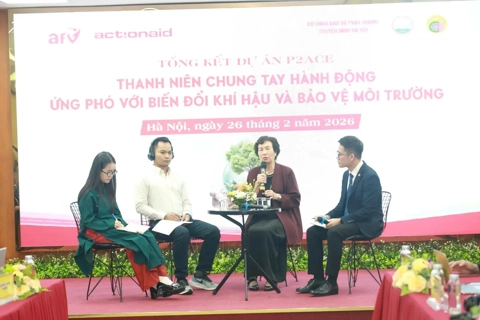
Young innovators from Vietnam and across ASEAN presented practical climate solutions in Hanoi, highlighting grassroots initiatives tackling plastic waste, renewable energy and sustainable livelihoods.
The goal is to turn policies into outcomes under the principle of “less talk, more action, effective results to the end, all for the capital and its people.”
Home to more than 680 million people, many in vulnerable coastal and low-lying areas, ASEAN is on the front line of climate change, facing rising seas, fiercer storms, prolonged droughts and accelerating biodiversity loss that endanger the region’s economic resilience and social stability.
Hanoi has unveiled an ambitious five-year plan to reform governance, mobilize public assets and restructure state enterprises, aiming to turn the state economy into a powerful engine of sustainable growth.
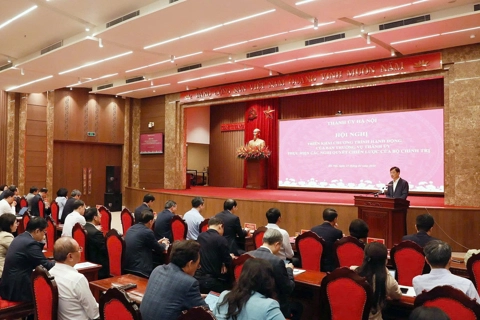
Hanoi launches comprehensive action plans to implement Politburo Resolutions 71, 72, 79 and 80, prioritizing people-centered reforms in education, healthcare, culture and state economic development.
More young Vietnamese families choose travel over staying home during the Lunar New Year holiday, seeking fresh experiences while keeping core traditions intact.