Culinary journeys through Hanoi: a taste of heritage on Vietnam’s National Day
From humble sidewalk stalls to long-standing family-run eateries and modern dining spaces, Hanoi’s cuisine offers a window into the soul of the city.
THE HANOI TIMES — As Vietnam celebrates the 80th anniversary of National Day (September 2), Hanoi is poised to welcome a record number of domestic and international visitors drawn both by its historical charm and festive energy and the irresistible allure of its cuisine.
Across tree-lined boulevards and tucked-away alleys, the capital’s rich culinary tapestry invites travelers on flavorful journeys that linger far beyond the last bite.
A living expression of culture
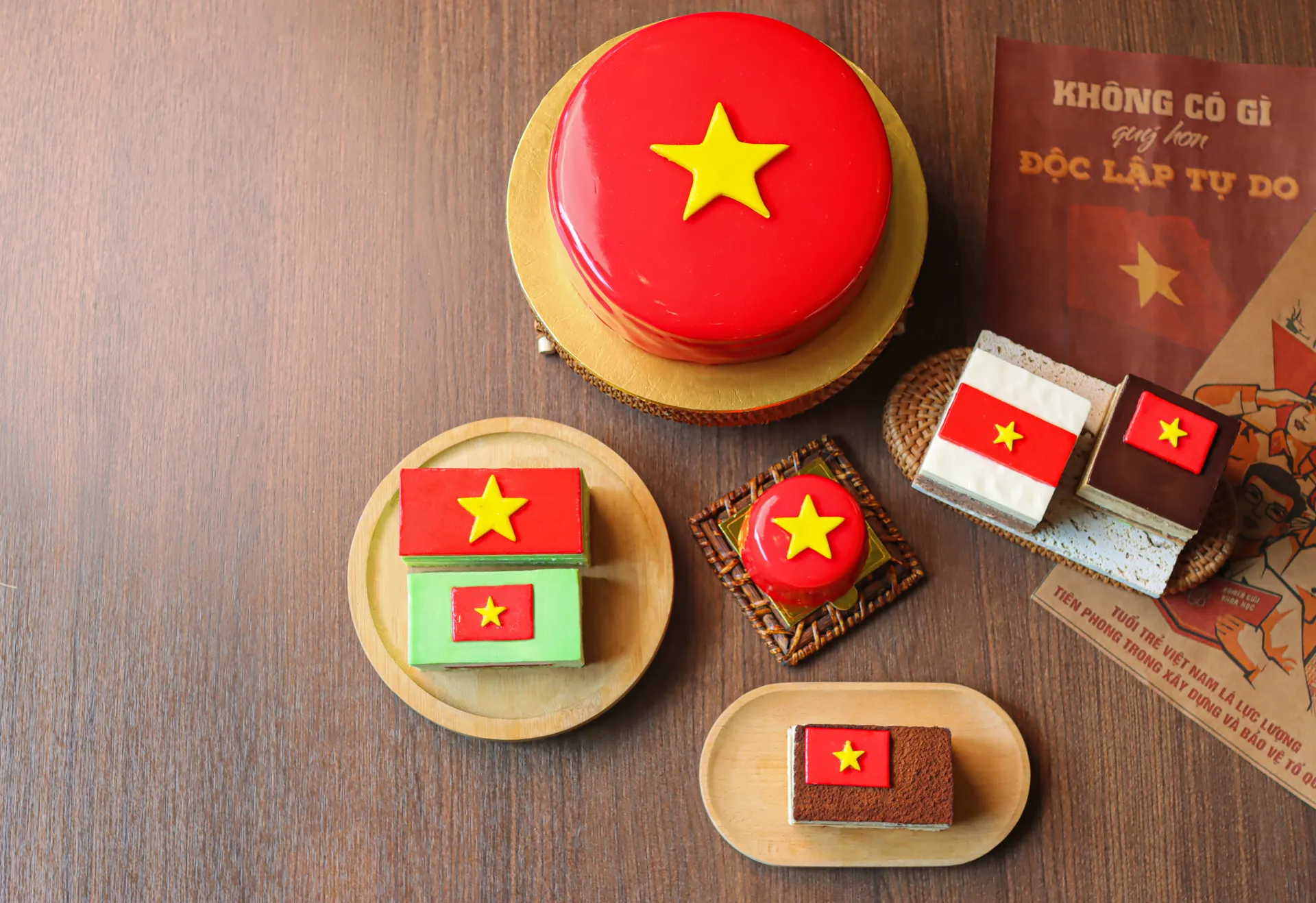
Festive cakes bursting with color to mark Vietnam’s National Day. Photo: Pan Pacific Hanoi Hotel
From early morning until late at night, the small alleys around Hanoi’s Old Quarter remain lively with the footsteps of food lovers.
A bowl of fragrant beef noodle soup on Lo Duc Street, a plate of hot rice vermicelli with grilled pork on Hang Manh Street, or a tray of rice vermicelli with fried tofu and fermented shrimp paste on Phat Loc Alley can leave diners satisfied both nutritionally and emotionally.
Over time, these rustic dishes have become a source of local pride and a unique cultural feature of Hanoi, offering fresh and authentic experiences to millions of tourists every year.
Giang Dinh, a traveler from Ho Chi Minh City, told The Hanoi Times: “Hanoi's cuisine is extremely rich and diverse. People talk and describe a lot about countless typical dishes. Only when you enjoy it the way Trang An people or Hanoians do, will you understand why the capital’s food is so appealing.”
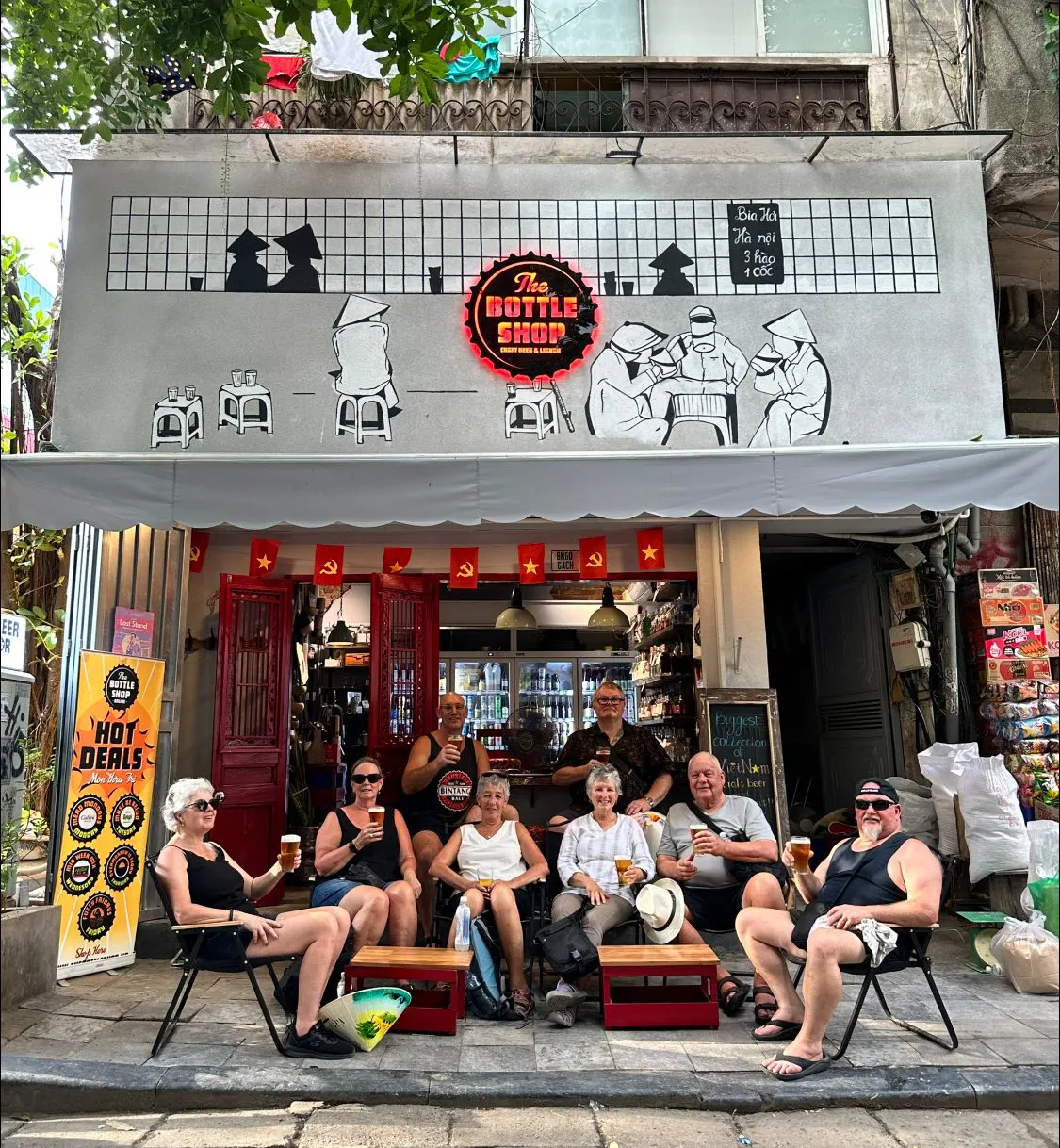
International visitors to Hanoi enjoy craft beers. Photo: The Bottle Shop
Giang admitted she’s particularly fond of Hanoi’s pho bo, or traditional beef noodle soup.
“The noodles here have a distinctive taste, unlike anywhere else. You can only feel that exquisiteness once you try it," she said.
"People can find many variations of the dish at countless eateries, from sidewalks to traditional restaurants to modern stone-bowl establishments that serve from dawn until late at night, with prices ranging from just a few tens to hundreds of thousand dong,” she added.
Hanoi's cuisine also leaves a deep impression on international visitors.
The capital recently topped the Travelers’ Choice – Best of the Best Destinations 2024 by TripAdvisor, with accolades for the delicate flavors and harmonious blend of fresh herbs and traditional spices.
As a result, exploring local food is an unmissable part of many foreign visitors’ itineraries.
After going on a Hanoi street food tour, Australian tourist Leigh Bancroft commented: “Traveling with a local guide, I got to sample six different dishes in three to four hours."
"Enjoying the foods while learning about the origin, preparation, and meaning of each dish made the experience special, full of surprises and unforgettable. My favorite dishes are the Bun Bo Nam Bo (southern rice vermicelli with beef) and Hanoi spring rolls.”
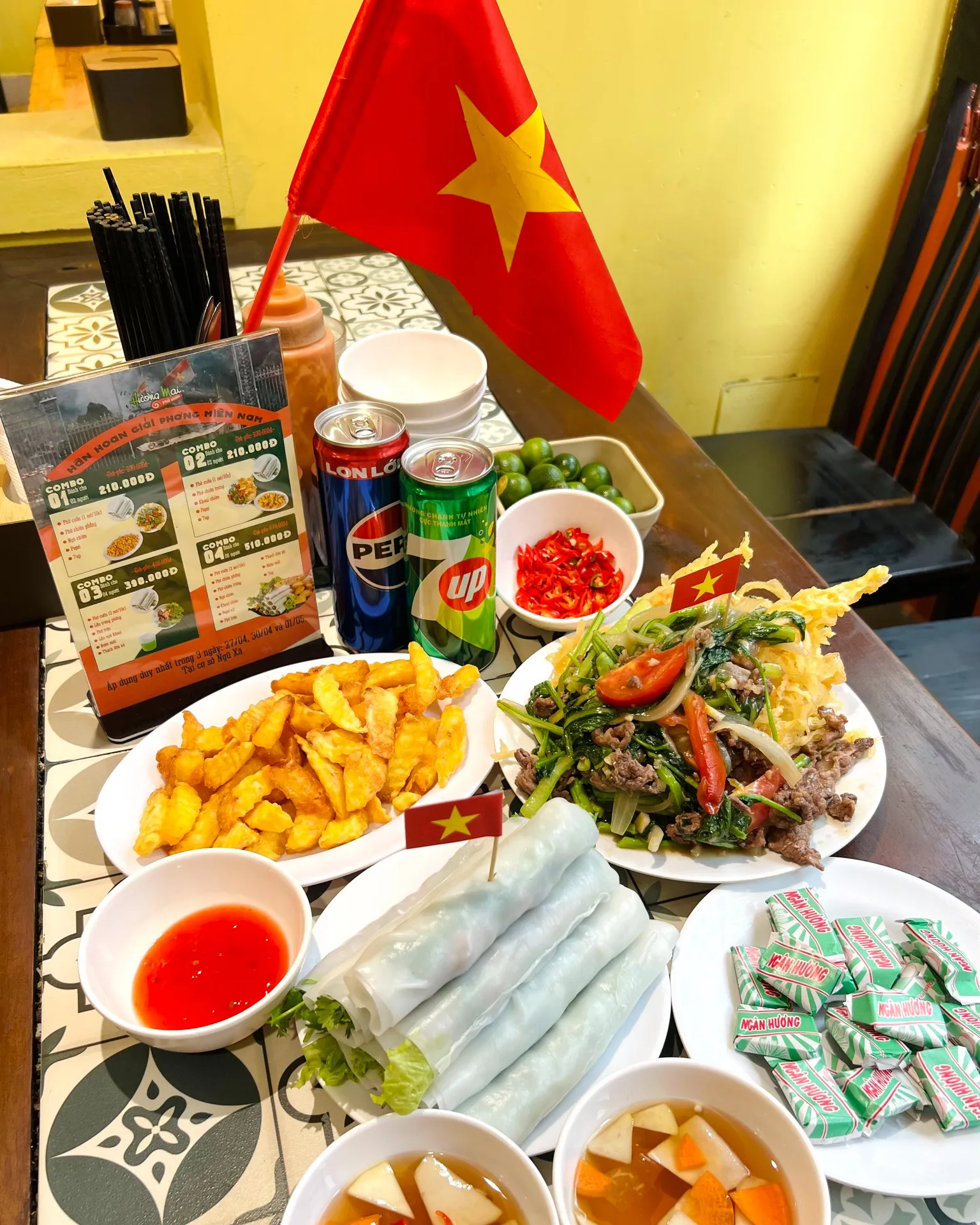
The dish of pho cuon or fresh rice noodle rolls filled with stir-fried beef and crisp vegetables. Photo: Pho Cuon Huong Mai
During her two-week stay in the city, Nathalie Noland, a tourist from Canada, went on two food tours.
According to her, the journeys offered diverse flavors and deepened her understanding of Vietnamese culinary culture.
The varied menu, suited to different tastes, ages, and dining preferences, made each new discovery even more exciting.
She noted that pho cuon or fresh rice noodle rolls filled with stir-fried beef and crisp vegetables, served with bold, flavorful sauces left the strongest impression.
Each long holiday, like Vietnam’s National Day, is an opportunity for restaurants and eateries across Hanoi to welcome a significant influx of customers.
To enhance the dining experience, many locations decorate their spaces and offer special menus tailored to the festive occasion.
According to Ha Van Sieu, Deputy Director of the Vietnam National Administration of Tourism, culinary culture reveals regional traditions and strengthens tourism services by creating distinct products and attracting visitors.
The unique flavors of each region help extend tourists’ stays, increase their average spending, and generate sustainable income for local communities.
The ambassador of tourism
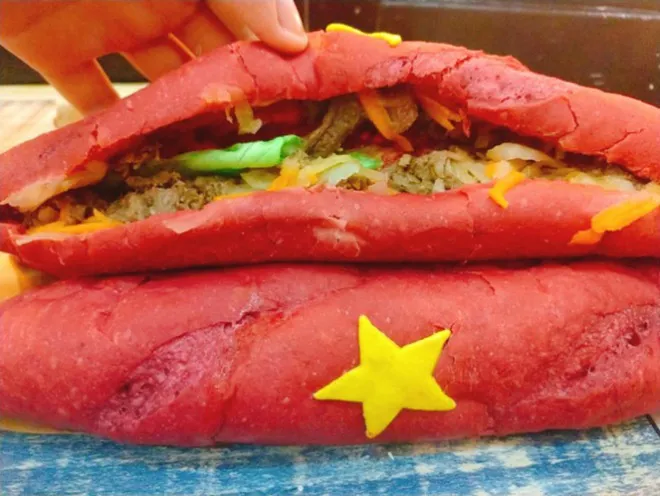
The dish of 'patriotic bread' is served in Hanoi. Photo: Hoa Hoc Tro
Currently, three iconic Hanoi dishes of Thanh Tri steamed rice rolls, La Vong fish cakes, and the Bat Trang ceremonial feast have officially recognized by the Ministry of Culture, Sports and Tourism as National Intangible Cultural Heritages.
Beyond delicious food, these dishes are admired for their elegant presentation, cultural depth, and artistic value.
With hundreds of unique dishes and a longstanding tradition of culinary excellence, Hanoi’s food scene has affirmed its role as a “ambassador” of the capital.
This special form of cultural diplomacy turns every visit into a physical journey, and a sensory and emotional experience.
Recognizing this potential, many travel agencies have developed culinary tours with flexible schedules and engaging itineraries, particularly designed for international tourists.
Among them, Hanoitourist, Vietravel, and Holiday Indochina Travel promote food-based experiences combined with inner-city sightseeing during the National Day holiday.
These tours often include tastings at renowned eateries alongside visits to historical sites and traditional craft villages.
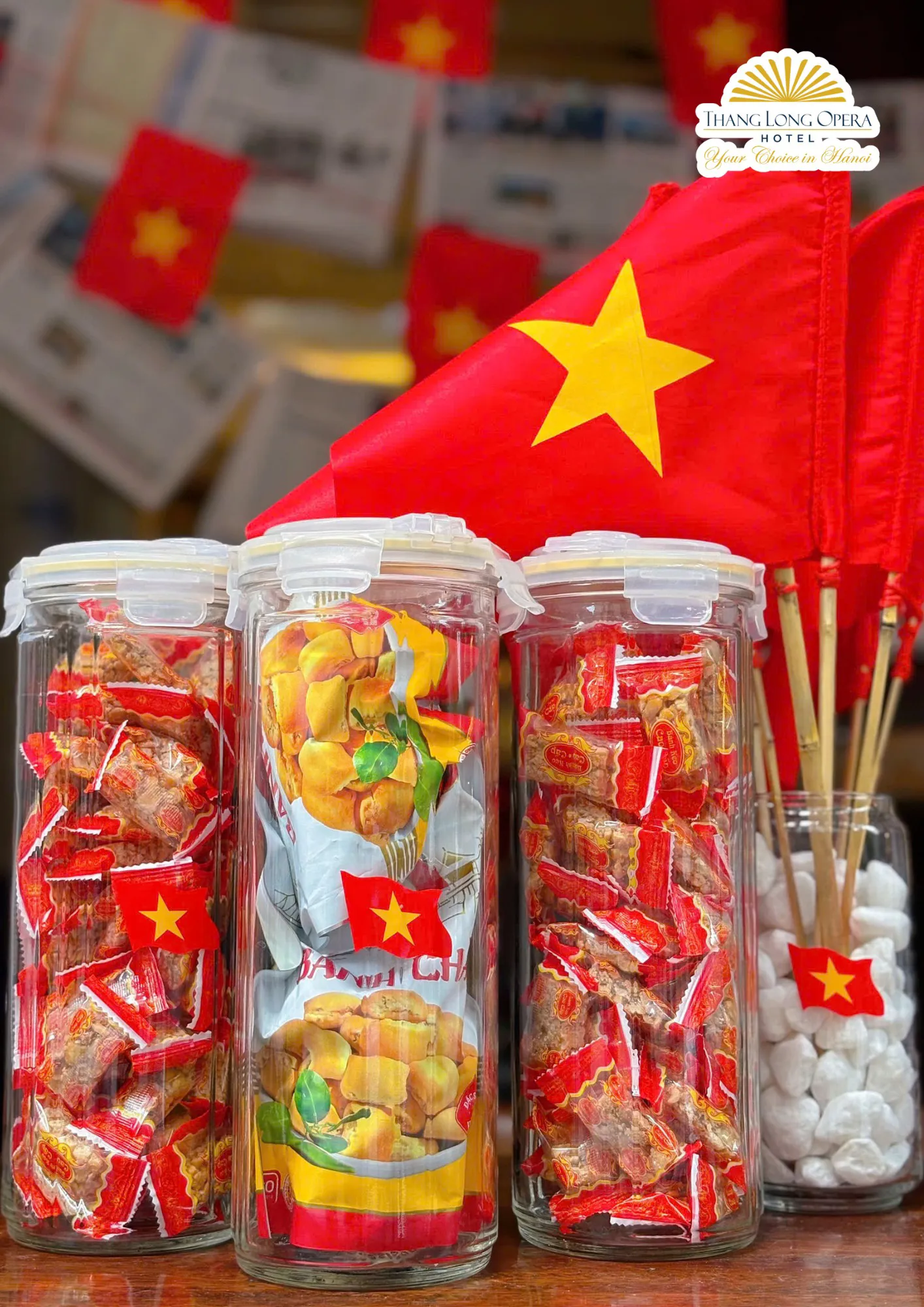
Hanoi cakes and candies are served at Thang Long Opera Hotel. Photo courtesy of the hotel
For foreign visitors, hands-on activities such as learning to cook Vietnamese dishes, accompanying a local chef to the market, or joining themed experiences tour often leave them a lasting impression, and promote Hanoi’s gastronomy globally.
According to Tran Tuan Huy, Marketing Manager at Hanoitourist, a normal food tour lasts between two to four hours. It is designed for small groups such as couples, families, or friends.
Prices range from a few hundred thousand to a few million thousand dong, depending on group size and transport options (on foot or by car).
Huy said that foreign tourists often choose food tours to both enjoy signature dishes and gain deeper insights into Vietnamese culture as they may have personal interactions with locals.
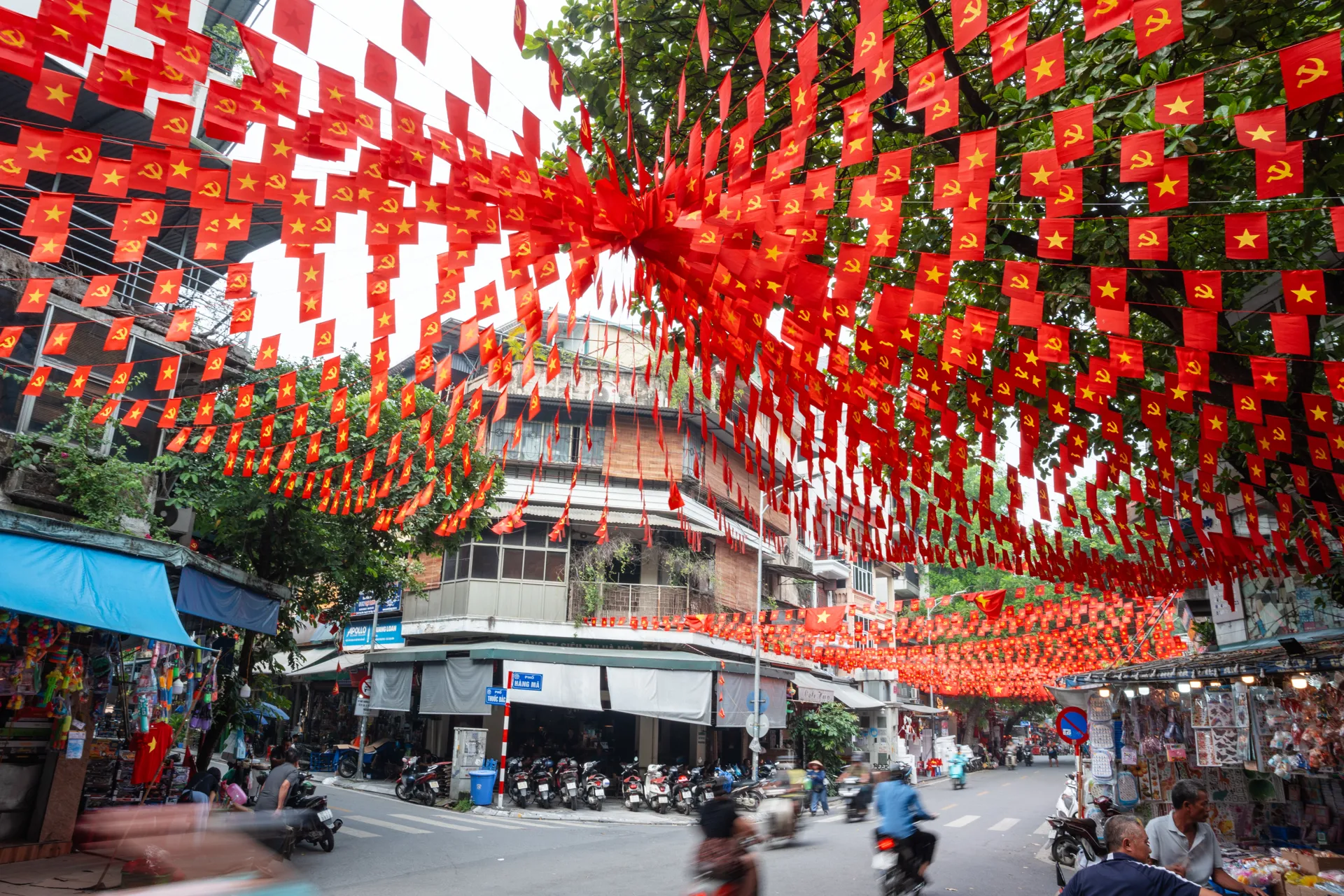
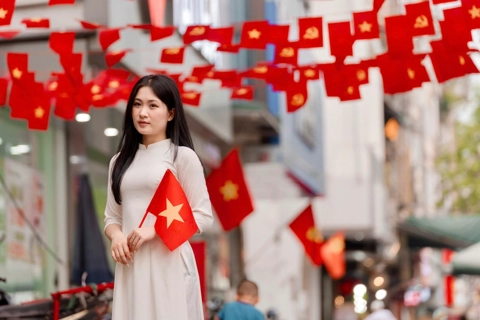
The vibrant Hanoi's Old Quarter ahead of Vietnam's National Day that falls on September 2
As experiential travel continues to grow in popularity, cuisine stands out as a key factor in retaining tourists.
Hanoi’s food streets around Hoan Kiem Lake and the Old Quarter, the culinary spaces of Dong Xuan night market and walking streets remain enduring attractions for food lovers.
From rustic corner stalls to internationally celebrated specialties like pho, banh mi, bun cha, and xoi, culinary heritage brings Hanoi’s long history and rich culture to life in every bite.
Hanoi cuisine is not only a tourism product, but also an emotional bridge that connects travelers with the soul of the millennia-old capital.