Duc Giang General Hospital leads Vietnam’s first medical drone delivery trial
Hanoi’s push toward smart healthcare has taken flight, with drones now supporting the movement of vital medical supplies across the city.
THE HANOI TIMES — The Hanoi-based Duc Giang General Hospital has become the first medical facility in Vietnam to pilot unmanned aerial vehicles (UAVs to transport medical samples, drugs and supplies, marking a major step forward in urban healthcare logistics.

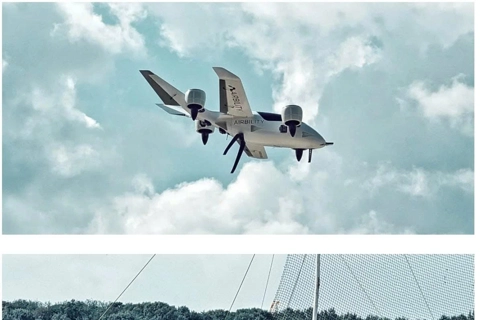
Duc Giang General Hospital officially launched a pilot program applying UAVs for transporting medical samples, drugs and supplies. Photo: Duc Giang General Hospital
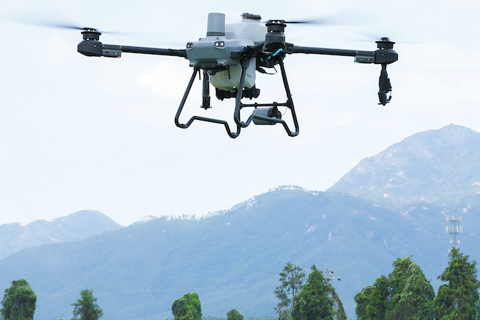
The drones used in the trial reach speeds of up to 60 km/h, operate within a 15-km radius, planned to expand to 20 km and carry loads of up to 10 kg. Each route runs two flights a day, reducing delivery times from hours to just 10–15 minutes, even during peak traffic.
The pilot results from cooperation between Duc Giang General Hospital and the Vietnam Post Corporation, which manages drone operations in line with strict aviation and healthcare regulations.
“The use of UAVs shortens transport time for samples, drugs and medical supplies and enables faster specialist intervention, especially in urgent cases or when traffic congestion disrupts ground transport,” said Assoc. Prof. Dr. Do Dinh Tung, Director of Duc Giang General Hospital, at the launch ceremony on December 25.
“The system helps ensure fair access to high-quality healthcare services, including for patients at grassroots levels,” he added.
Nguyen Trong Dien, Director of the Hanoi Department of Health, described the pilot as clear evidence of Hanoi’s proactive adoption of advanced technology.
“The project shows the health sector’s initiative and readiness to master new technologies,” Dien said. “It supports Hanoi’s goal of building a smart, modern healthcare system that meets international standards and serves residents more effectively.”
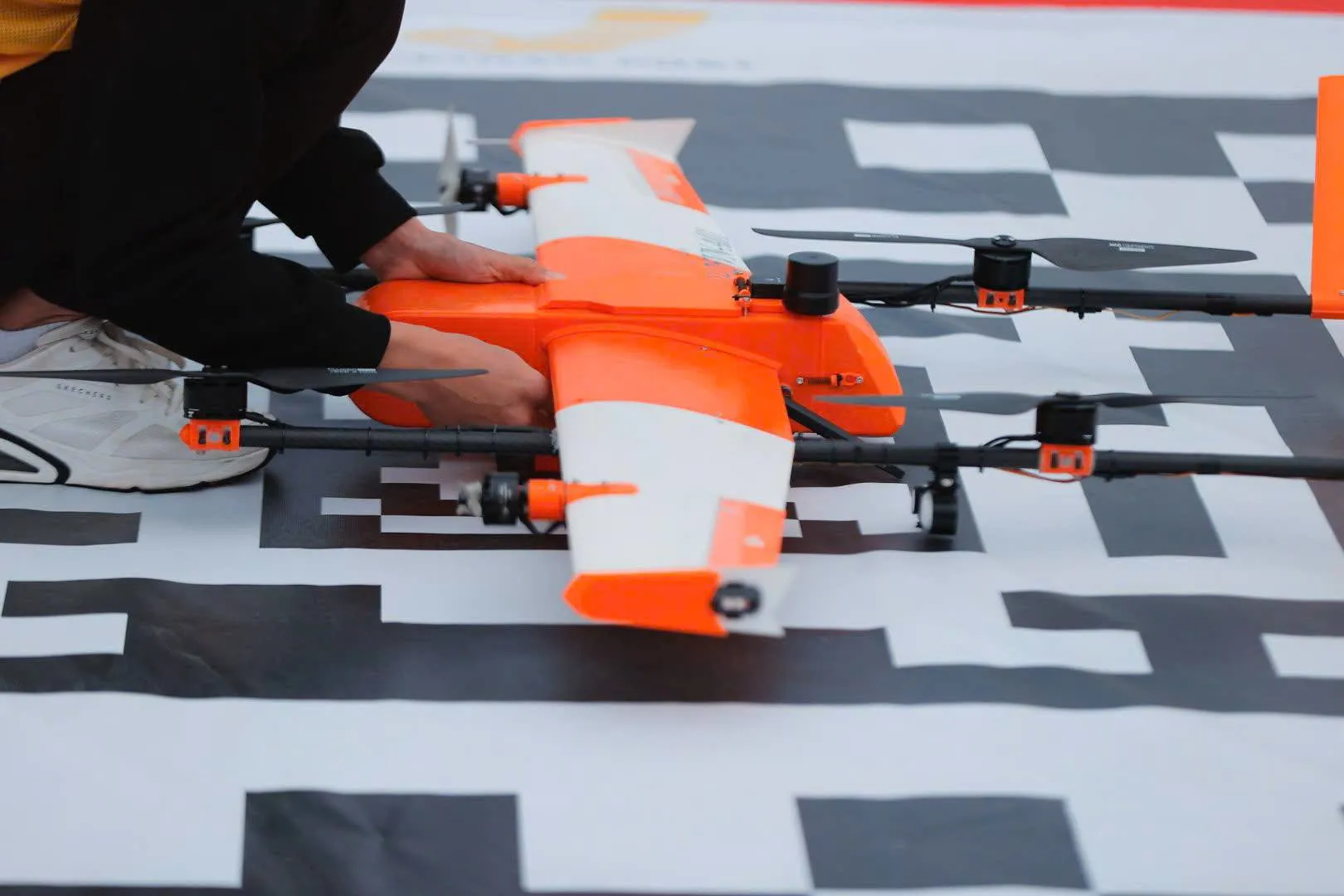
The UAVs used in the trial have a maximum speed of 60 km/h, a 15-km operating radius (planned to expand to 20 km) and can carry up to 10 kg. Photo: Duc Giang General Hospital
Medical drone delivery has gained global traction, particularly in remote and densely populated areas.
Companies such as Zipline have completed more than one million deliveries in Africa, supplying blood and vaccines to rural clinics. Similar systems from Google’s Wing project have undergone testing for rapid medical transport in urban settings.
In Vietnam, the use of UAVs and the development of a low-altitude economy have accelerated in recent years. The sector is projected to reach a value of US$10 billion and generate about one million jobs nationwide by 2035.
Vietnamese companies, including Viettel, Realtime Robotics Vietnam (RtR) and CT Group, have developed drones for military, agricultural and civilian use, with several models exported abroad.
RtR’s Hera drone has been supplied to US law enforcement agencies, while CT Group signed a contract in 2025 to export 5,000 heavy-load transport drones to South Korea.