Efforts to turn Vietnamese heritage into cultural industrial resources
Experts are struggling with how to tell Vietnamese cultural-historical stories in the language of cinema with an aim to change the situation in which young people knowing more foreign history than their own.
THE HANOI TIMES — Special film project The Legend of Da Trach produced by the Hanoi Radio and Television, will be a highlight of the city's cultural industry development strategy.
Nguyen Kim Khiem, General Director and Editor-in-Chief of Hanoi Radio and Television, shared the view at the recent academic discussion titled "The Legend of Da Trach – From National Epic to Cinematic Language," held at the Hanoi Museum.
The film centers on the legends of Chu Dong Tu, one of the Four Immortals in Vietnamese folklore.
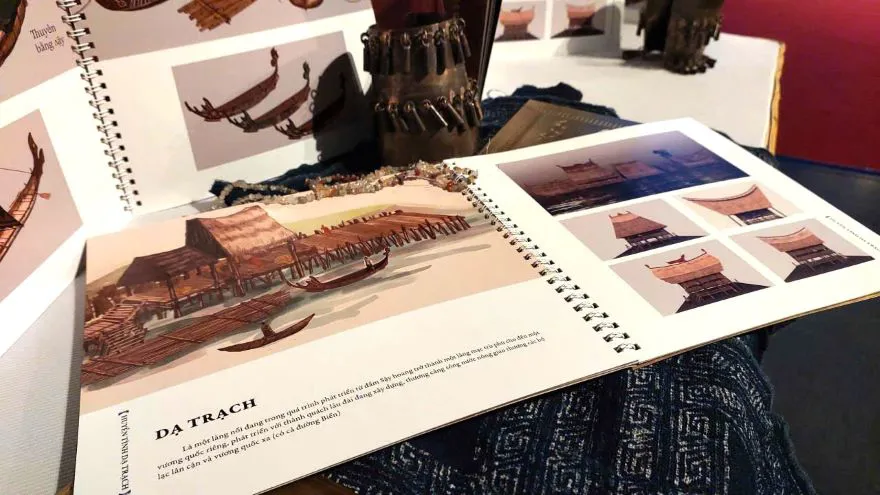
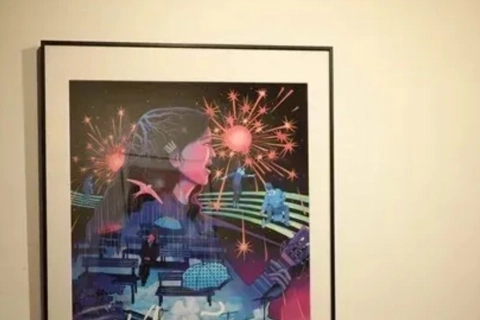
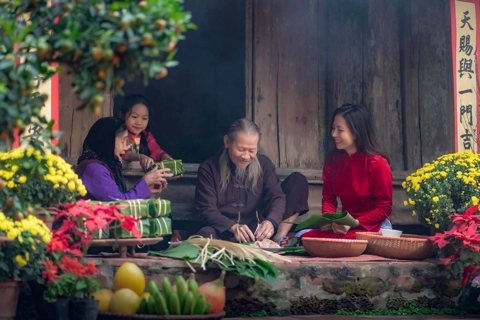
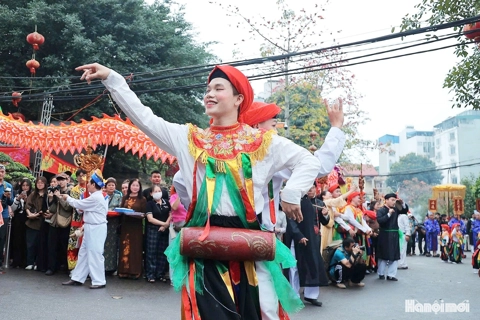
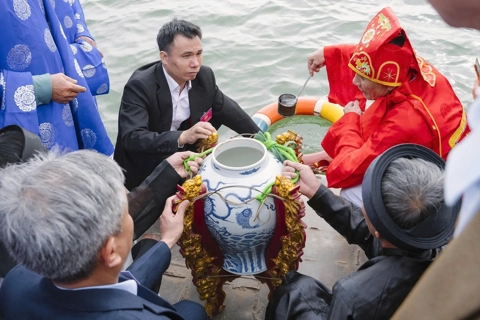
Reference images for the film crew. Photo: Ngo Minh/The Hanoi Times
This epic recreates a living space of ancient Vietnamese people, about the Van Lang period and pre-Dong Son cultural elements such as tattooing, folk beliefs, bronze casting, weapon making, boat building, pottery making, agriculture, and irrigation.
The love of Chu Dong Tu and his wife Tien Dung is also a symbol of the pioneering spirit and the desire for prosperity of Vietnamese people.
Khiem said that the film’s sets, located in Ba Vi and Son Tay communes of Hanoi and in Hung Yen, will be carefully and authentically constructed after the project is completed, serving as cultural and tourist destinations that help promote the image of the capital.
The Hanoi Radio and Television hosted the seminar as the key activity in a series of pre-production events to create a solid academic foundation for artistic creation from folk cultural heritage.
Khiem added that the discussion would provide the film crew with valuable insights, helping them approach the project with a more cinematic perspective.
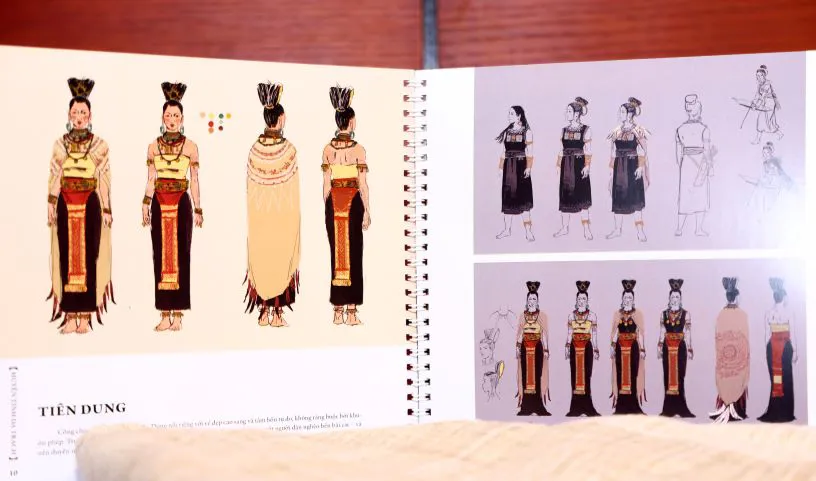
Expected image of Princess Tien Dung. Photo: Ngo Minh/The Hanoi Times
“Due to the thousand-year gap and limited records, while interpretations of the Chu Dong Tu–Tien Dung legend vary, it's better to depict a vivid, imaginative snapshot of the Dong Son civilization that resonates with the public,” Khiem said.
He said this is an important first step to create historical-cultural cinematic works and demonstrate the role of academia, art, and media in developing the capital's cultural industry.
According to Professor Vu Minh Giang, Vice Chairman of the Vietnam Historical Science Association, spreading historical and cultural values through many art forms, including cinema, has been a concern for many years.
“Vietnam possesses a vast, rich, and diverse cultural heritage that compels us to invest in bringing it to life, turning its values into a source of strength,” Professor Vu Minh Giang emphasized. He added that producing a quality historical film requires filmmakers to have a deep passion for the nation’s history, a strong creative vision, adequate funding, and the capacity to assemble a team of skilled professionals.
"To prevent promising historical films from being undermined by harsh public opinion, coordinated support from the media, cultural authorities, and experts is essential to ensure fair evaluation and foster continued investment," Giang said.
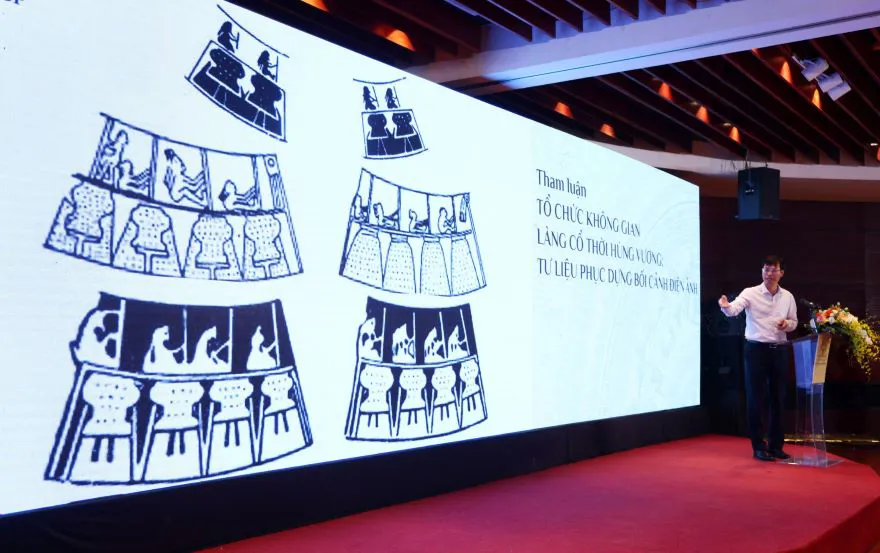
Experts provided a lot of historical and archaeological knowledge so that the film crew could build a society close to reality. Photo: Nguyen Tuyen/The Hanoi Times
Speaking at the discussion, Associate Professor Bui Minh Tri, Chairman of the Board of Directors of the Institute of Asian Civilization Studies, said that the film should be based on archaeological documents about the Dong Son culture to ensure historical accuracy, which is significant to a unique cinematic work, imbued with Vietnamese identity.
In that way, the film can tell an engaging story and take the audience on a journey to a glorious period of the nation, contributing to education and arousing pride in the origin and cultural heritage of Vietnam.
The success in turning heritage into a resource for economic development in South Korea, Japan, or China gives Vietnam a profound lesson to not just recognize and praise historical values, but proactively invest, exploit, and create a value chain from heritage.
Sharing the same view, PhD Nguyen Viet, Director of the Southeast Asian Prehistory Center, said that the context of the legend of Chu Dong Tu-Tien Dung is real in history, with archaeological and documentary evidence, but it is necessary to strike a delicate balance between the imaginative allure of legend and the grounded truths of archaeology to ensure both artistic appeal and historical credibility.
“Every dynasty and pivotal battle in our nation’s history holds cinematic potential, yet we still lack a film that earns global recognition. Hopefully, Hanoi’s film project will mark the beginning of showcasing local culture, history, and identity through the power of cinema,” said Viet.