Exhibition "Vietnamese Bronze Figures": Tracing the legacy of the past
Artifacts and bronze sculptures are displayed at the Hanoi Old Quarter Cultural Exchange Center, offering visitors a glimpse of Vietnam's thousand-year-old tradition of casting bronze.
The exhibition, titled "Vietnamese Bronze Figures", is part of the "Indigenous Bronze" series and will be on display through December 15 at the Old Quarter Cultural Exchange Center, 50 Dao Duy Tu Street, Hanoi.
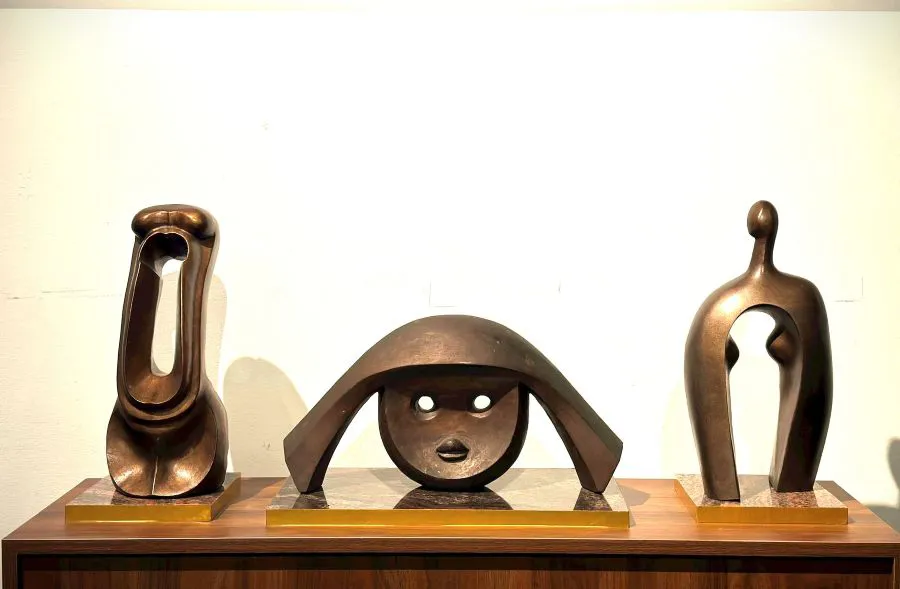
| The contemporary bronze artworks are displayed at the "Vietnamese Bronze Figures" exhibition. Photo: Hanoimoi |
Organized by the Management Board of Hoan Kiem Lake and the Hanoi Old Quarter, this series of events features a variety of activities including exhibitions, thematic discussions, and musical performances centered on Vietnamese bronzes.
According to the organizers, the event is designed to celebrate the 19th anniversary of Vietnam's Cultural Heritage Day (November 23, 2005 - 2024) and the 100th anniversary of the excavation of Vietnam's Dong Son cultural relics (1924 - 2024).
The exhibition "Vietnamese Bronze Figures" features over 20 artifacts, archaeological specimens, traditional bronze tools, 11 bronze paintings and 23 bronze statues created by a group of researchers, painters and artists based in Hanoi.
The event aims to introduce and promote Dong Son culture to both young Vietnamese and foreign tourists in Hanoi, said Dao Ngoc Han, a member of the Executive Committee of the Vietnam Archaeological Association and a representative of the study team. Produced by the indigenous people of the area, the unique bronze shows the extraordinary Vietnamese artistry that has been handed down through the ages.
| Visitors to the bronze exhibition. Photo: Hanoimoi |
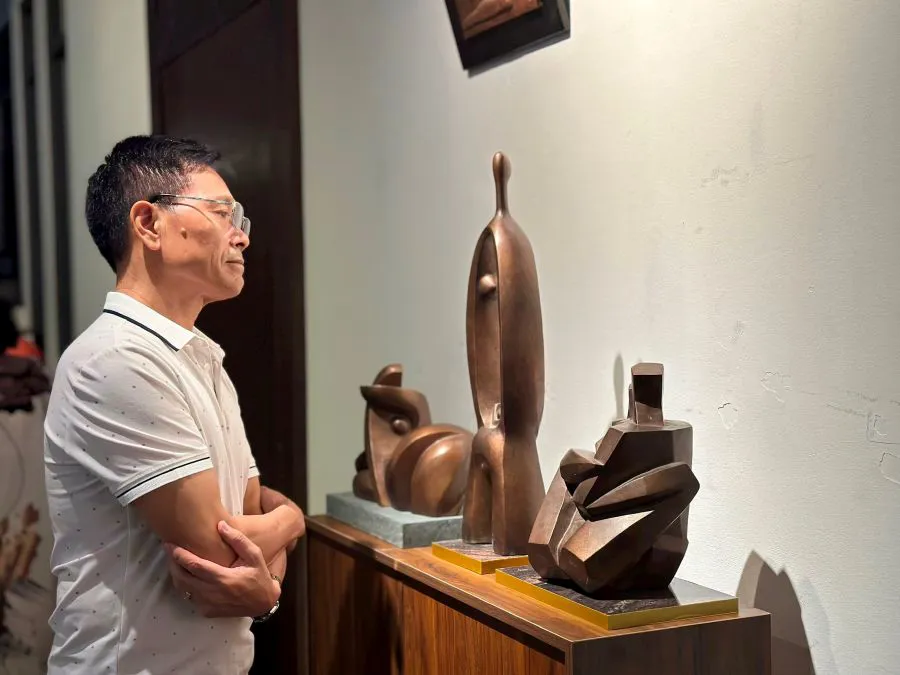
Through contemporary bronze casting, the present and the past are vividly intertwined. The pieces on display combine modern style with deep roots in traditional Vietnamese culture," he added.
According to historical accounts, the Bronze Age in Vietnam began about 4,000 years ago, during the Phung Nguyen period (late Neolithic). While according to some other accounts, bronze casting in Vietnam may have started around 2,500 years ago. During this period, the Vietnamese became adept at using bronze to create ornamental items, such as bronze drums and statues, and everyday items, including pots, pans, and woks.
The craft flourished during the Dong Son period, roughly coinciding with the founding of the country by the Hung Kings, some 2,000 to 3,000 years ago. Notable artifacts from this period include the Ngoc Lu and Dong Son bronze drums, known for their intricate and distinctive designs.
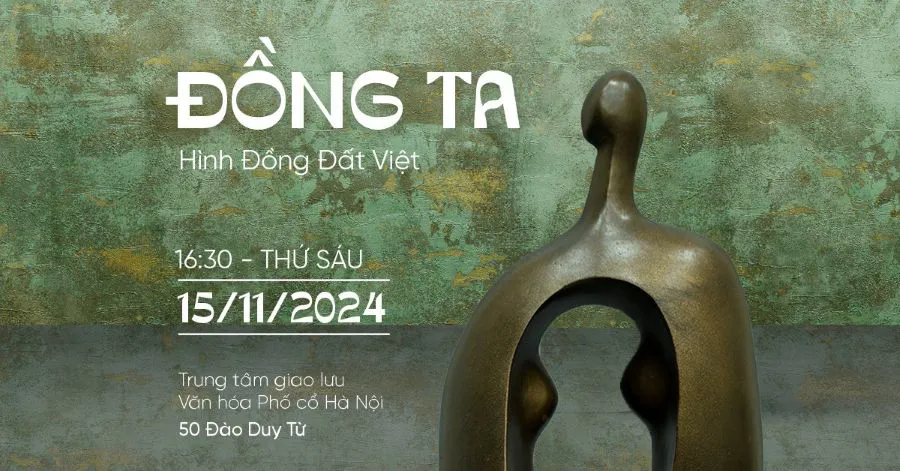
| The poster of the exhibition |
Bronze casting continued to flourish in later dynasties, including the Ly, Tran, Le, and Nguyen. The peak of this craft came during the Le Dynasty (1428-1788), when Vietnamese artisans produced many sophisticated works of art, such as bronze bells and statues. These creations have not only material value, but also deep cultural and spiritual significance.
Today, bronze casting is still practiced and thrives in several northern provinces and cities of Vietnam. Notable villages known for their bronze casting traditions include Ngu Xa (Hanoi), Dai Bai (Bac Ninh), Tong Xa (Y Yen Commune, Nam Dinh), and My Dong (An Duong Commune, Hai Phong).