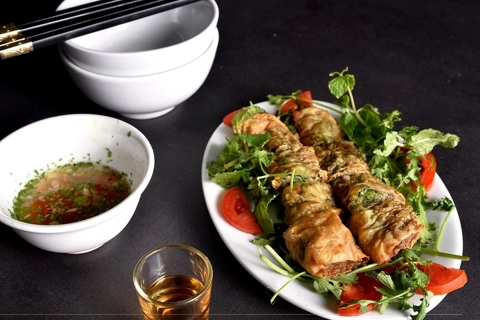
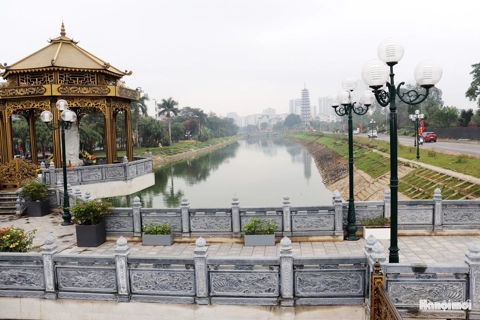
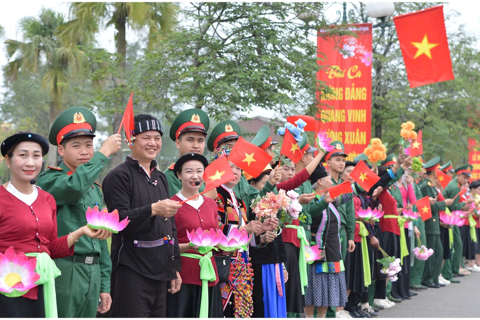
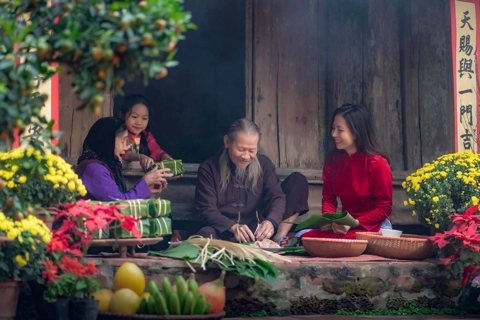
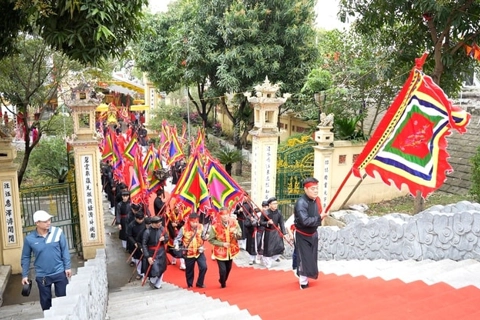
About seven kilometers from downtown Hanoi, in what is now Viet Hung Ward, Long Bien District, Le Mat is known for its snake farming tradition and delicious snake dishes. To celebrate this ancient trade, the village holds an annual festival on the 23rd day of the third lunar month.
|
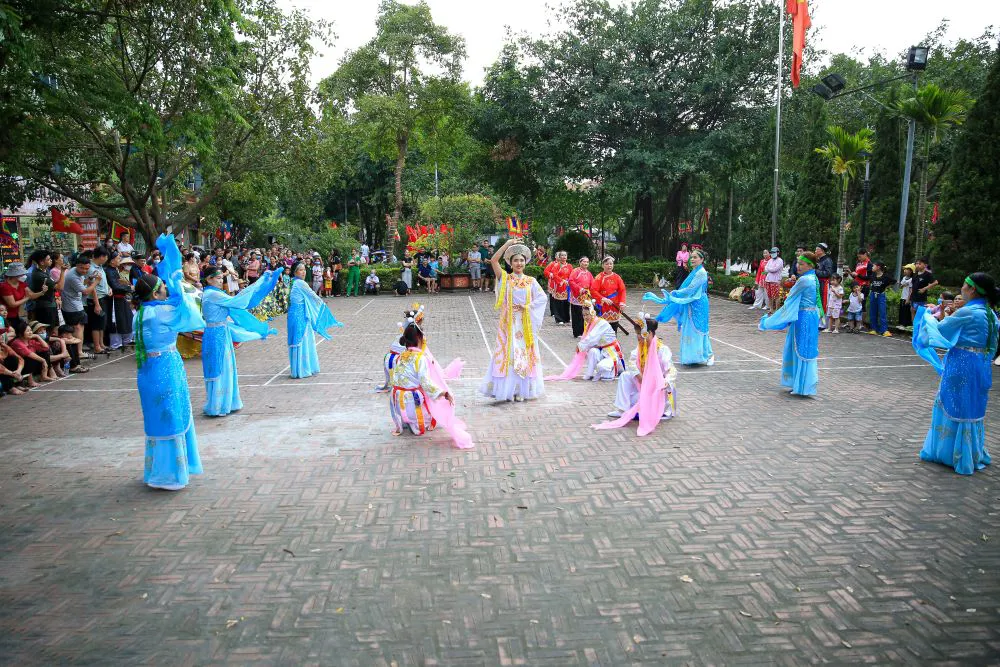
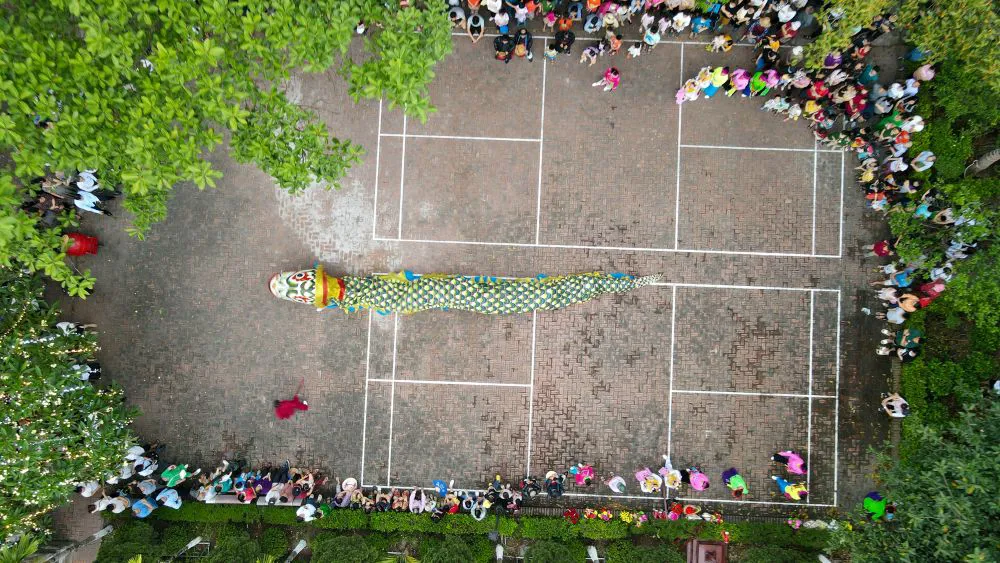
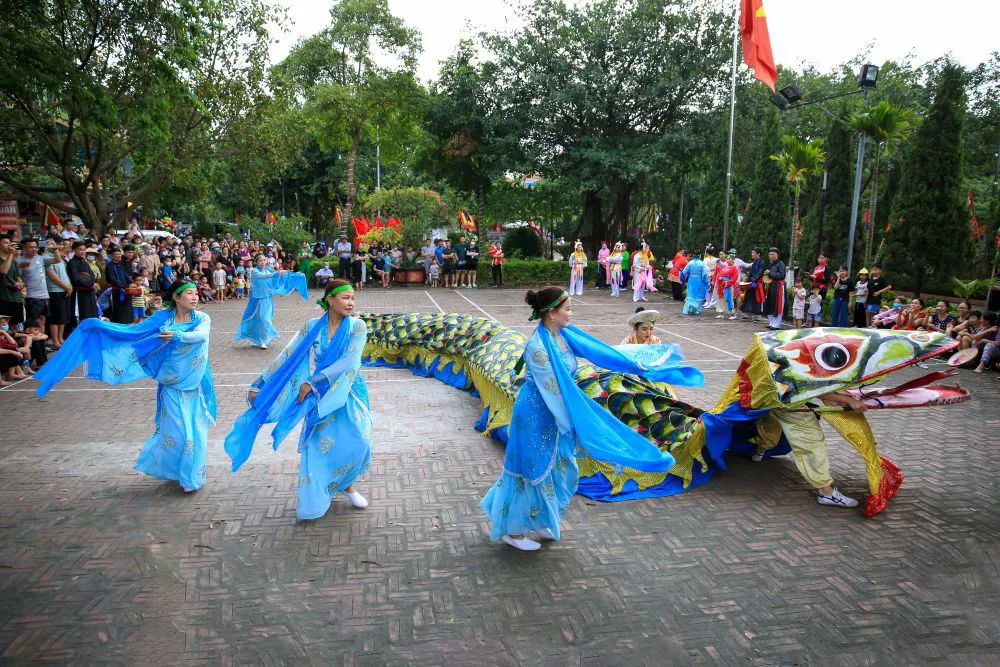
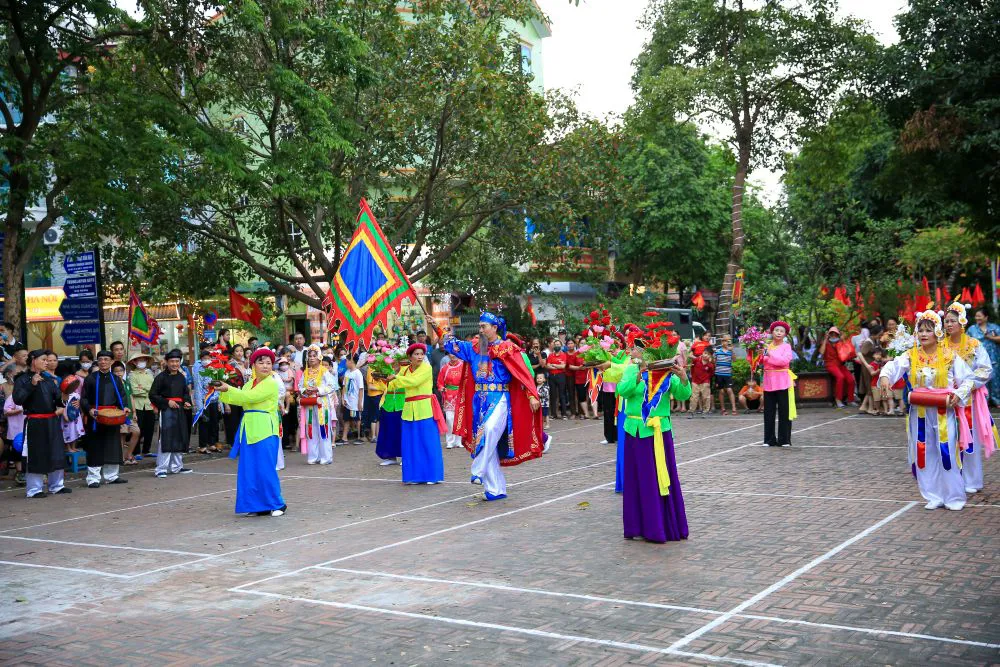
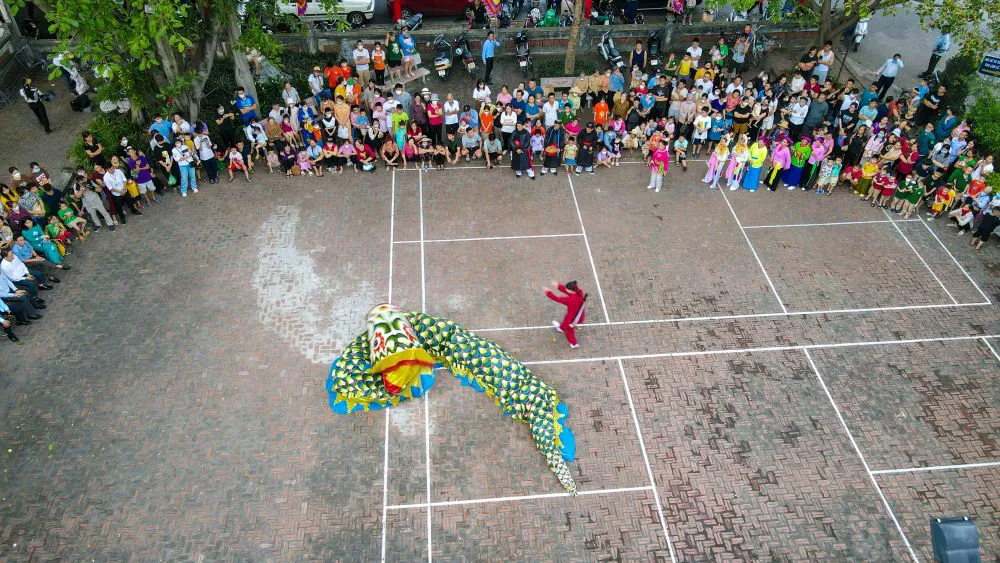
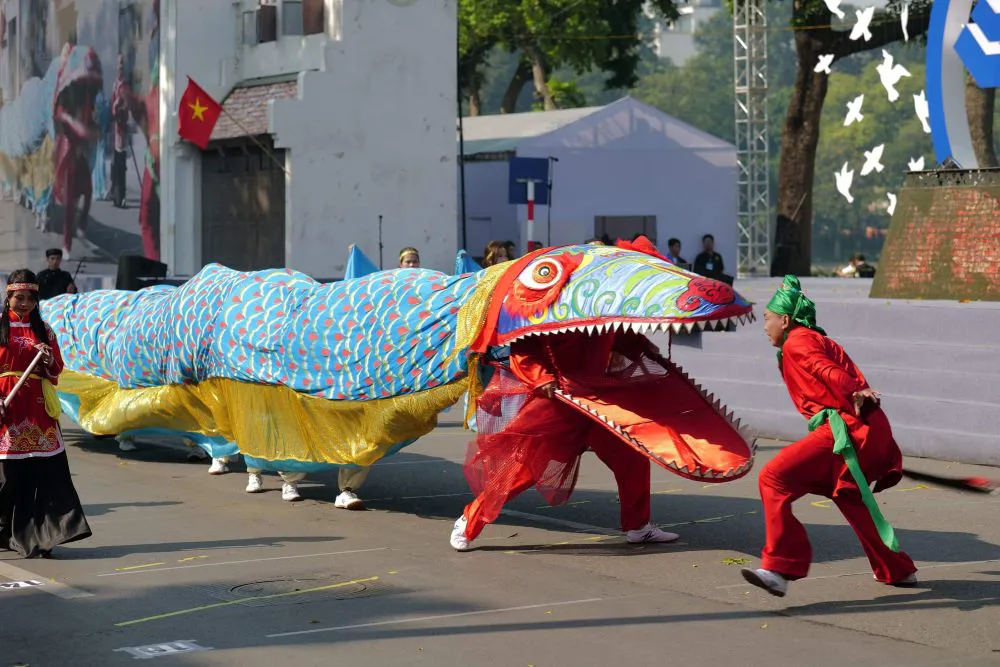
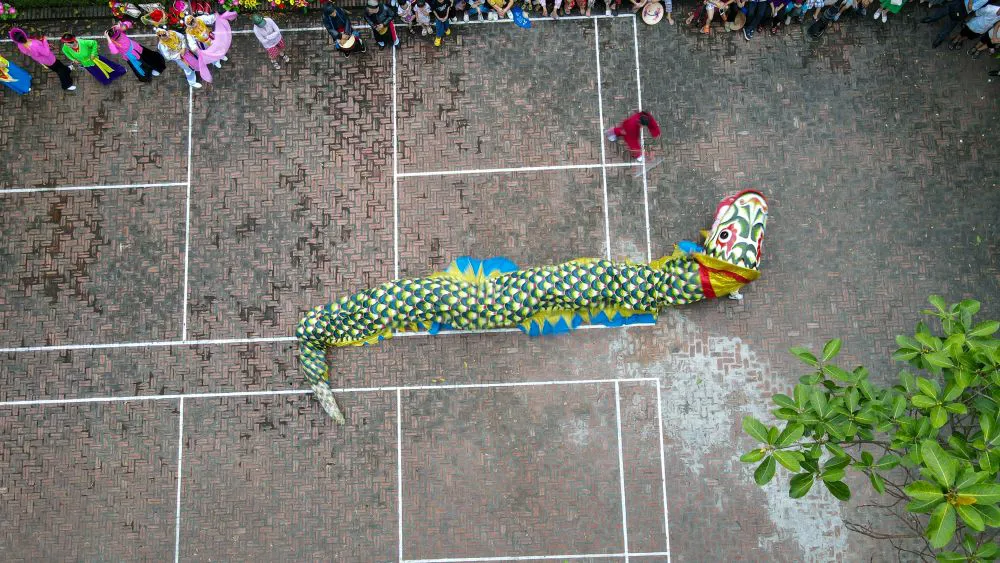
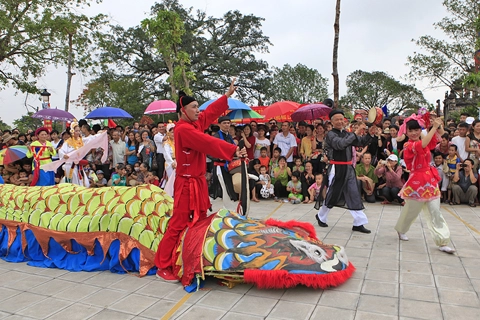
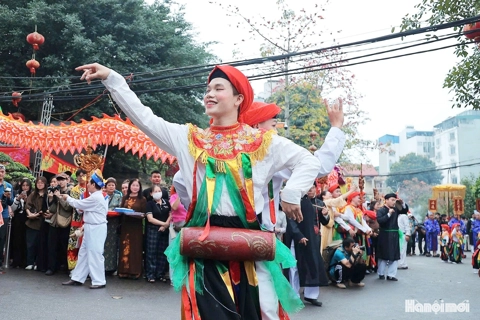
| The famous Jiaolong or snake dance is performed once a year during the festival and is a big draw for visitors to Le Mat Village. Photos: Huy Pham/The Hanoi Times |
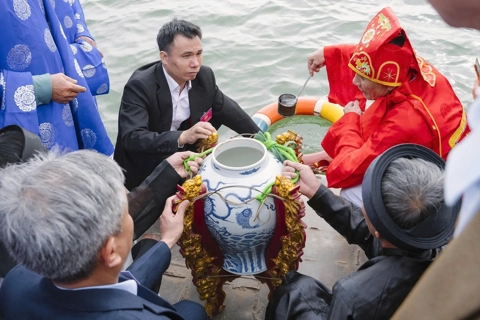
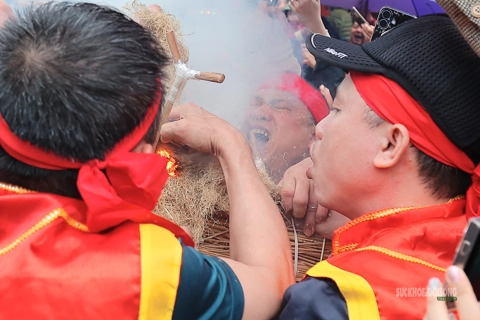
The festival features many unique rituals and folk activities, including the Water Offering Ceremony, the Jiaolong or Snake Killing Dance - one of the ten ancient dances of the imperial capital of Thang Long - and the ritual of catching carp from the village well.
The origins of the Jiaolong Dance can be traced back to the Ly Dynasty (1009-1225). Legend has it that King Ly Thai Tong's virtuous eldest princess was sailing down the Thien Duc River (now the Duong River) when she was suddenly captured by a sea serpent called Jiaolong. Unable to save her, the princess's entourage was helpless until a young fisherman named Hoang bravely rushed to the scene. After a fierce battle, Hoang beheaded the monster and saved the princess.
|
| The dance is a powerful symbol of patriotism, bravery, and the duty to protect the community. |
The monarch offered Hoang wealth, silver, and titles as a token of appreciation, but Hoang declined, requesting instead the establishment of 13 farming settlements—including Cong Vi, Ngoc Ha, Giang Vo, and Thu Le—before going back to his homeland. Hoang thrived there, and the region was dubbed "Tru Mat," which translates to "flying."
Upon Hoang's death, the villagers built a communal house to worship him as their tutelary god. This is where the Jiaolong Dance originated - a tradition performed during the village festival to honor his memory.
|
| The Jiaolong Dance involves about 50 dancers who are villagers, with the main characters being Hoang, the princess, and six people costumed as the Jiaolong snake. |
|
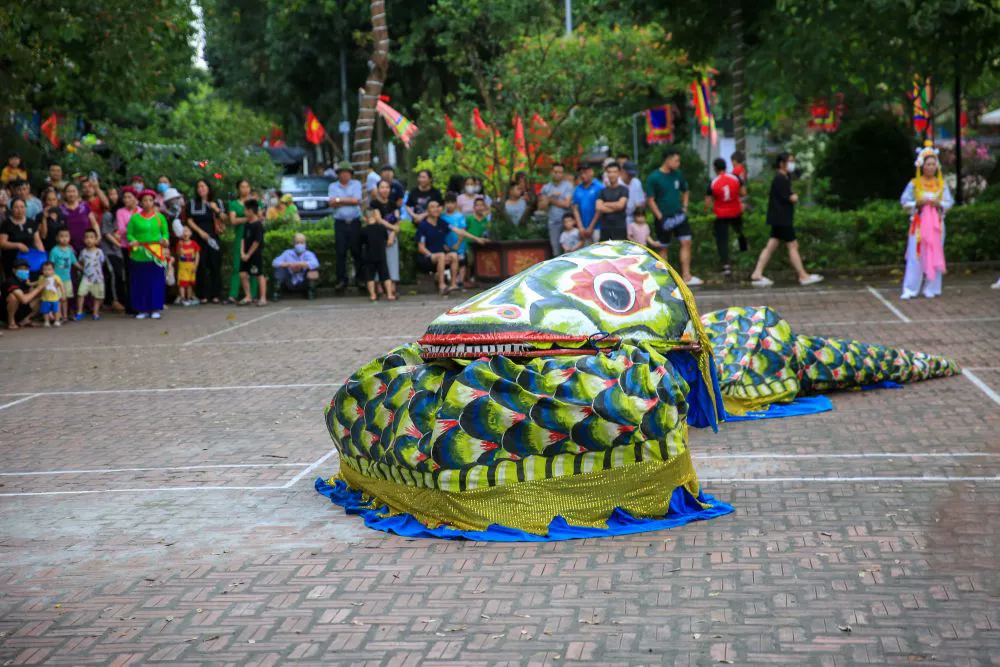
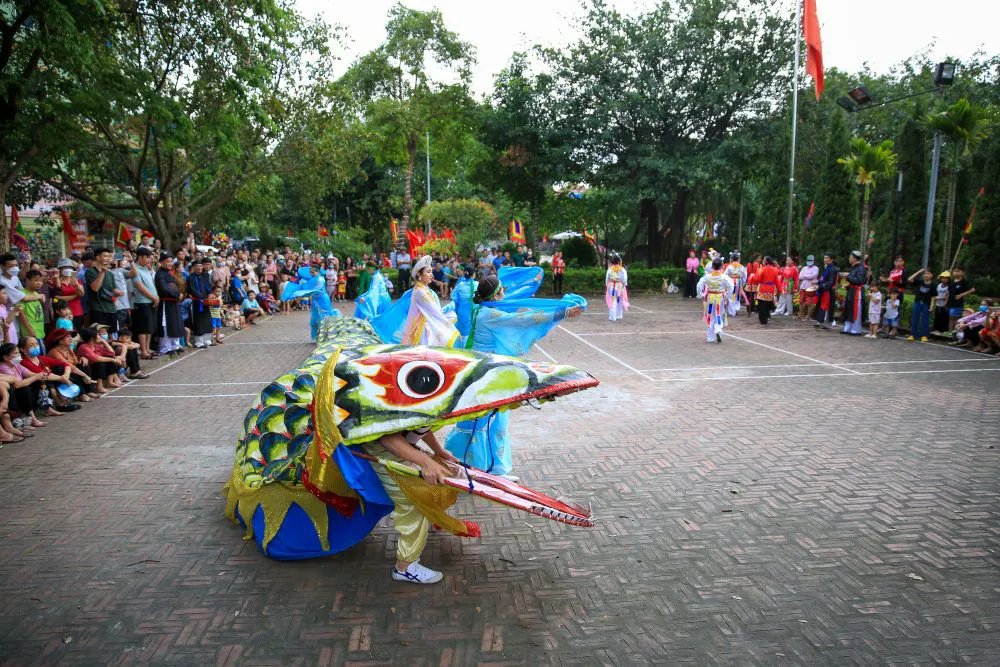
| The bamboo skeleton allows the giant snake to move flexibly, giving it a lifelike appearance. |
|
The dancers wear colorful traditional costumes, and the Jiaolong snake itself is an impressive 10 meters long, made of bamboo, paper, and cloth. |
|
| In ancient Vietnamese belief, Jiaolong was a monstrous snake who had transformed into a dragon. |
|
| The Le Mat Village Festival is held from the 20th to the 24th of the third lunar month, with the highlight being the Jiaolong Dance. |
|
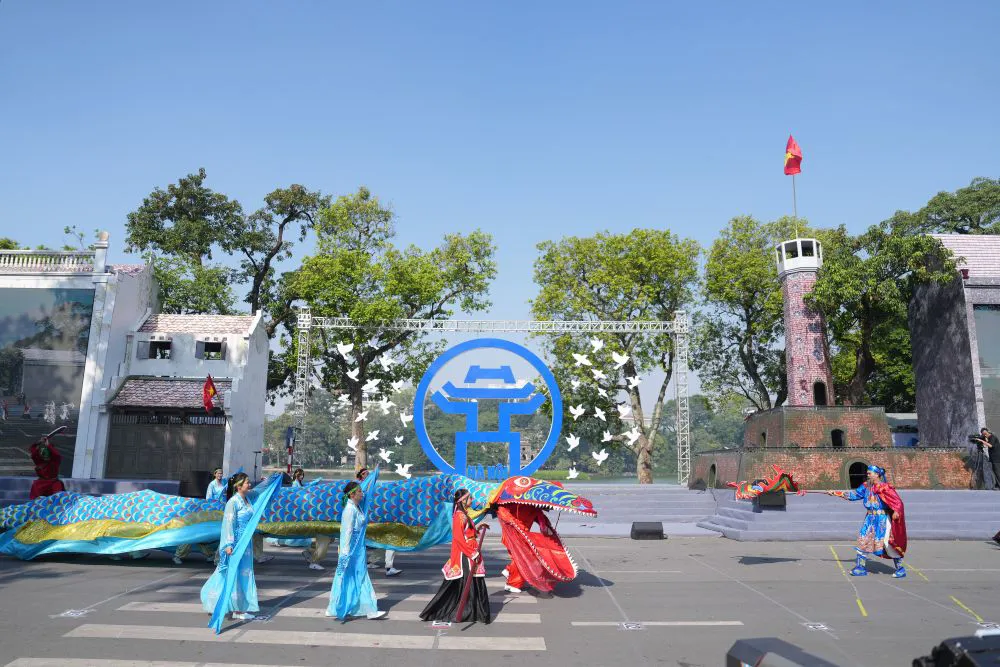
| In October 2024, the dance is performed again during the Cultural Festival for Peace on the Hoan Kiem Lake pedestrian street, giving more people the opportunity to admire this cultural treasure. |
|
| With its cultural and historical value, Jiaolong Dance is a long-lasting cultural tradition of Hanoi. |
|
| Beyond its historical significance, the dance holds profound meanings: it prays for good weather, abundant harvests, the exorcism of evil spirits, and peace for the villagers of Le Mat. |
|
| The Jiaolong Dance plays an important role in educating the younger generation about the nation's history, culture, and traditional values. |