Explore Hanoi craft villages' vibrant essence
Known as the land of "a hundred trades," Dong Anh District connects its craft villages for better development through ways to maximize their potential.
THE HANOI TIMES — Just about 18 kilometers north of central Hanoi, Dong Anh blends ancient heritage with fresh vitality, where historic sites meet emerging cultural and urban life.
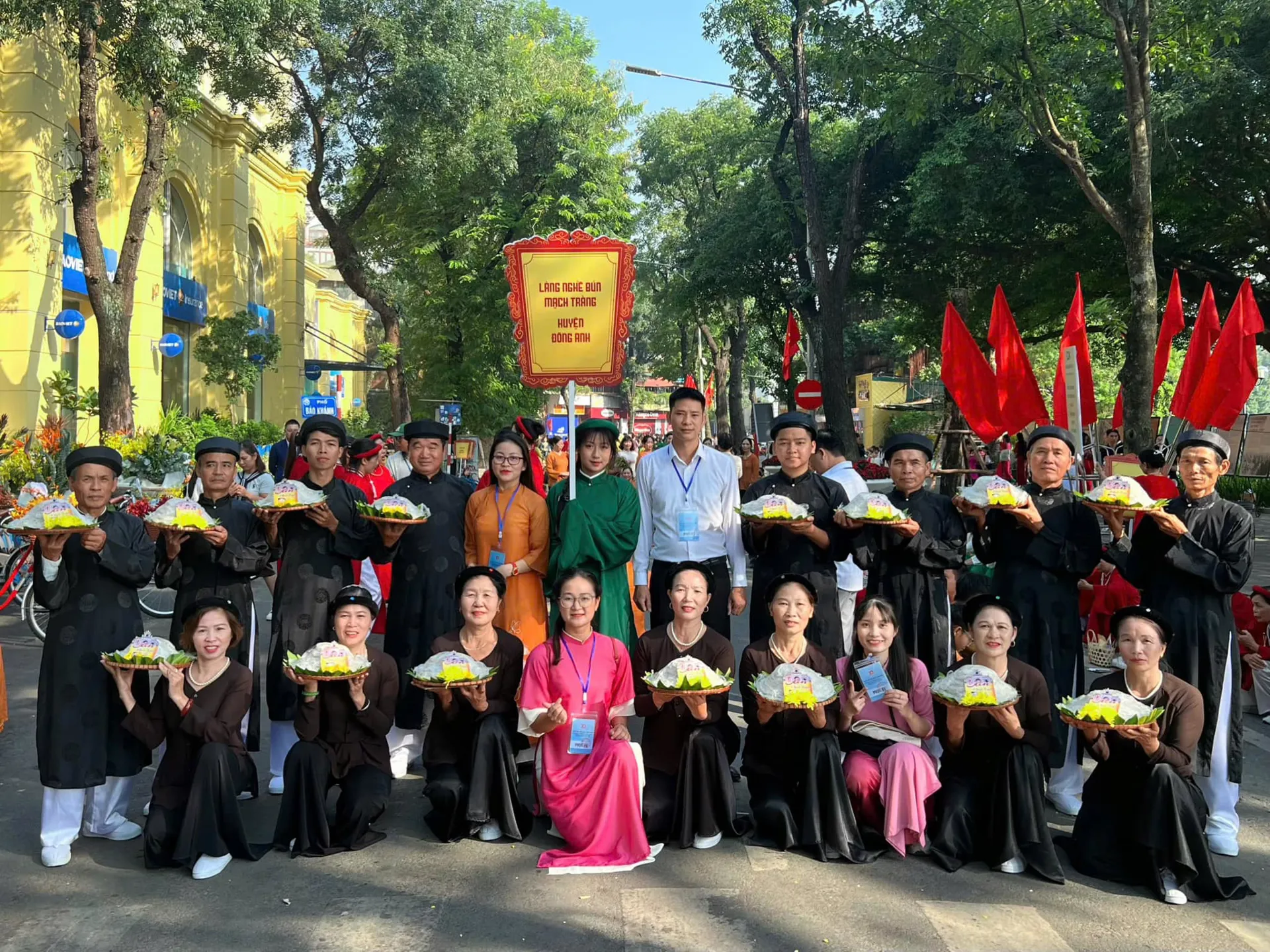
Mach Trang black noodles are introduced at the 2024 Culture for Peace Festival, held in celebration of the 25th anniversary of Hanoi being designated a "City of Peace" by UNESCO (July 16, 1999–2024). Photo: The Dong Anh District People's Committee
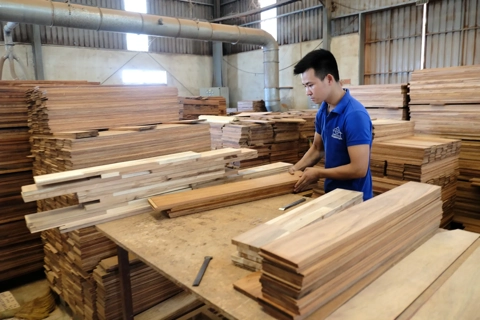
The most notable trades are Van Ha's fine woodcarving, Mach Trang's black noodles, Lo Khe's sticky rice cakes, Vong La's tofu, Tam Xa's kumquat trees, Viet Hung's soybean paste, and Lien Ha's wine.
Craft villages in Dong Anh not only produce goods, but also shape the character of the region. In Van Ha, Buddha statues, beds, and tea cabinets all symbolize perseverance. The Mach Trang rice noodle stalls are not just places to grab a bite; they are reminiscent of bucolic life. Sticky rice cakes from Lo Khe are a traditional Vietnamese New Year's dish and a link between families and their ancestors. While their value cannot be measured in money, they are Dong Anh’s unique cultural treasures.
Giving vitality
Dong Anh now gets a now look with smart urban areas, better traffic, more industrial parks while craft villages are retreating and moving forward.
Do Van Cuong, an artisan and carpenter in Thiet Ung Craft Village for over 20 years, believes that the creativity and talent of artisans are important factors in creating the uniqueness and lasting value of traditional handicrafts in any era.
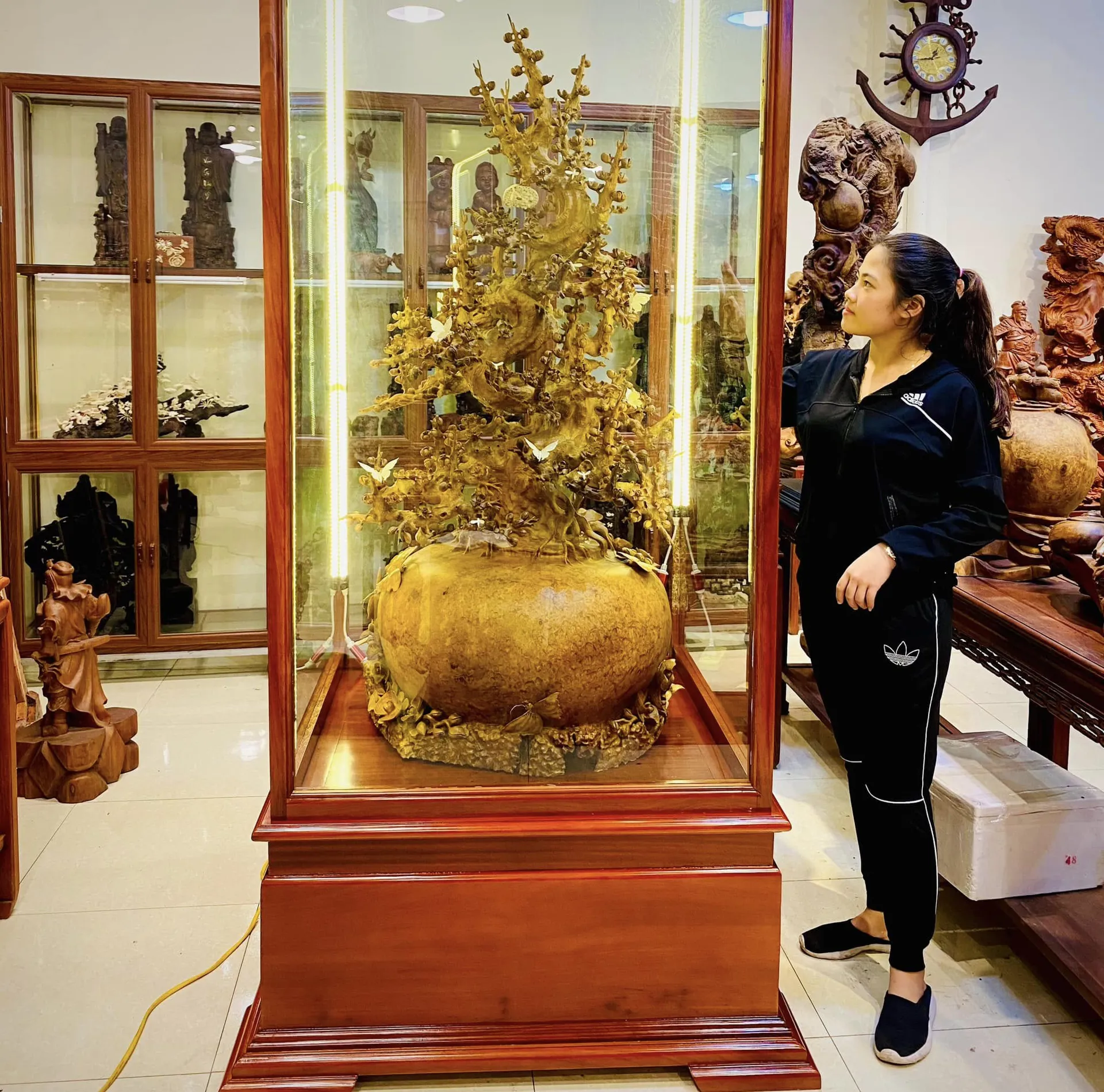
An exquisite wooden artwork is crafted in Thiet Ung Wood Craft Village, located in Dong Anh District, Hanoi. Photo Dong Phuong Art Wood
However, for craft villages and artisans to thrive, innovation should be viewed as the key to success.
"Today's trading requires not only high-quality products, but also a quick response to the market as consumers need more than just a durable but beautiful products that fit their modern living spaces. The requirements prompt understanding new trends, consumer tastes, and technologies to make the craft updated while retaining its soul," said Cuong.
A typical example is Vong La tofu. Previously, households produced the tofu by hand, with no focus on branding or marketing, which kept sales low. To develop Vong La tofu beyond the village, seven young local people founded the Vong La Youth Cooperative (VLYC) to produce tofu meeting food hygiene and safety requirements, according to VLYC Director Le Van Dat.
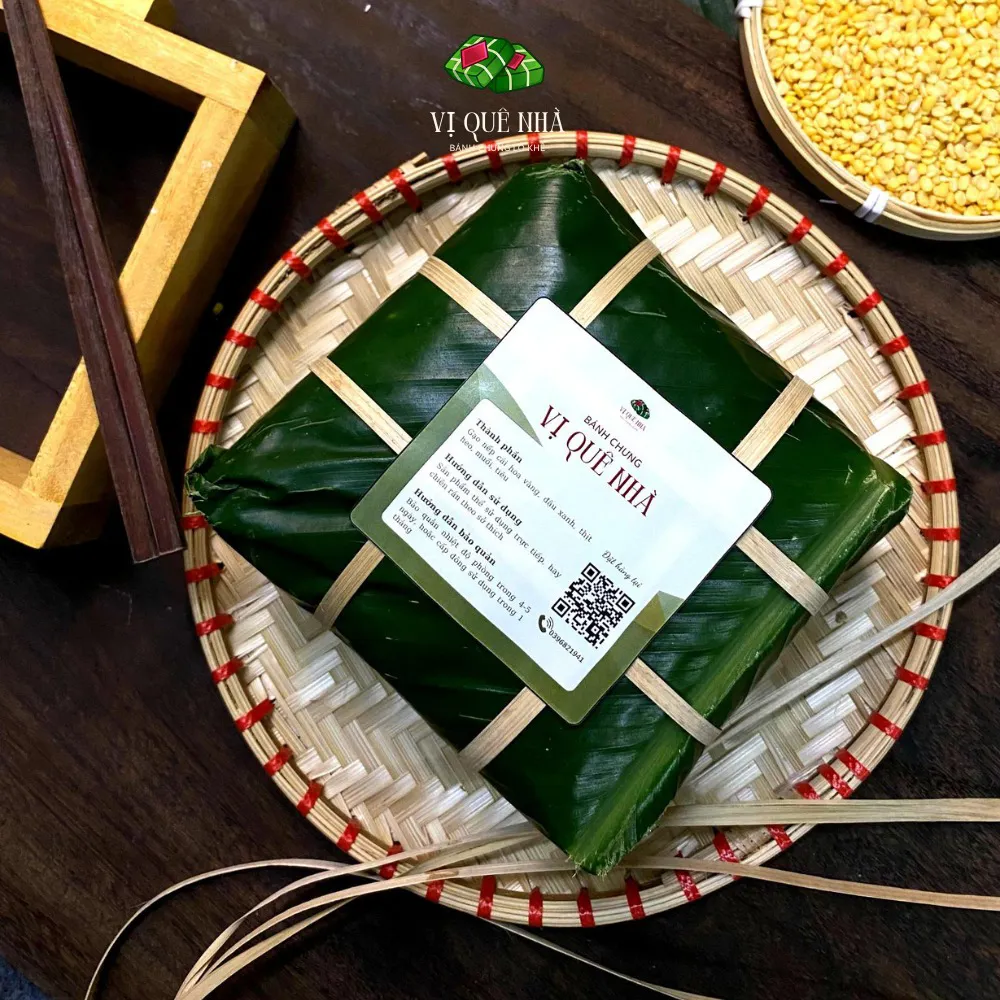
Banh chung (sticky rice cake) made by artisans from Lo Khe Village, Lien Ha Commune, Dong Anh District, Hanoi. Photo: Production facility of Banh Chung Vi Que Nha
Following initial success, the cooperative has brought production households together to create a large market supply. In 2020, the cooperative attained three-star certification for three of its products, traditional tofu, grilled tofu, and burnt-end pork tofu, after joining the city's OCOP (One Commune, One Product) Program.
Supporting craft villages
According to Hoang Hai Dang, Vice Chairman of the Dong Anh People’s Committee, traditional craft villages have become a valued part of the cultural heritage, carrying the traditions and soul of the nation and local identity.
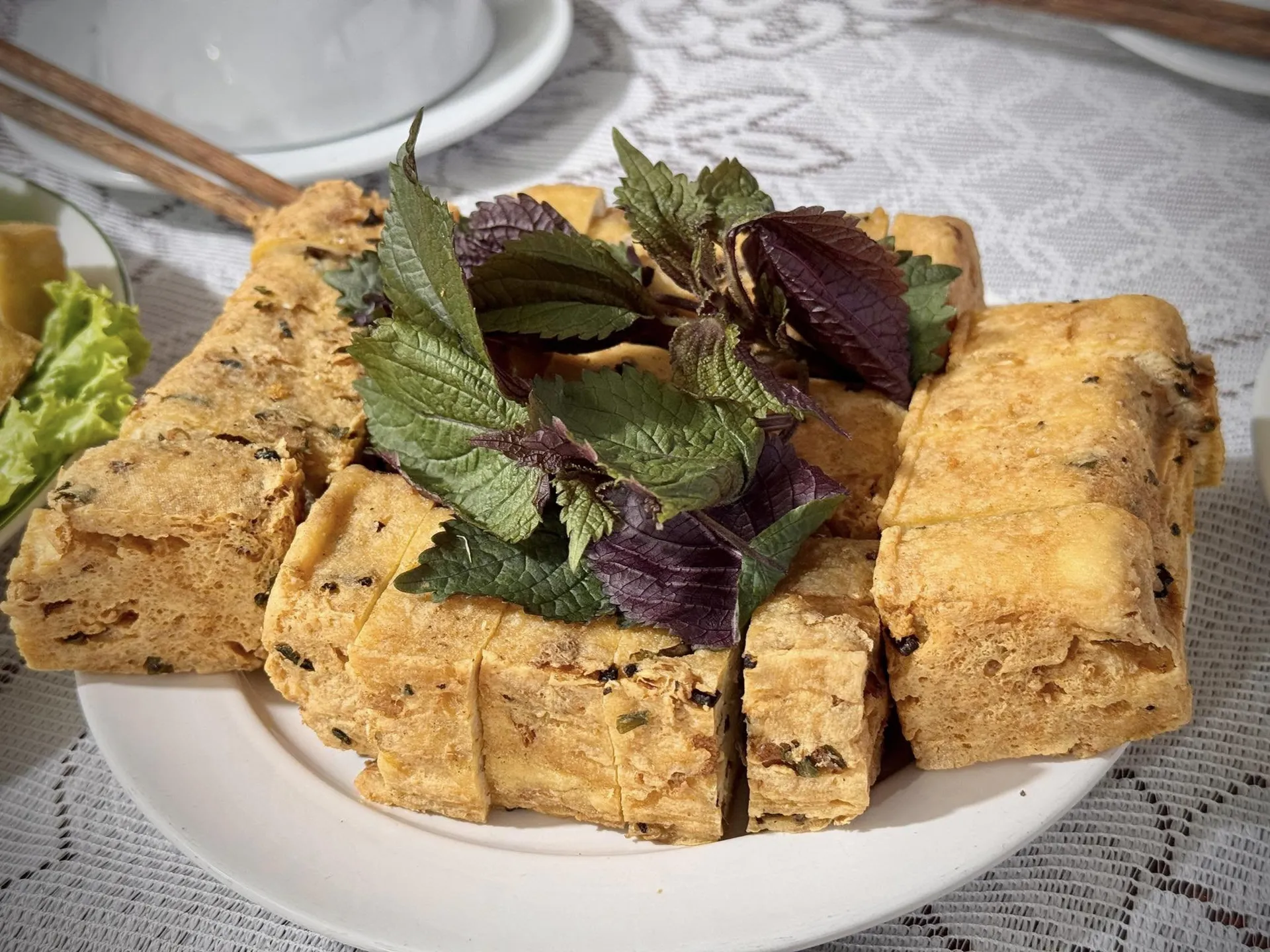
The yummy dish of Vong La tofu, a specialty of Dong Anh District. Photo: Lien Ha
Three craft villages in Dong Anh District have protected collective trademarks: Thiet Ung fine art woodcarvings in Van Ha Commune, Thu Lo fine art woodcarvings in Lien Ha Commune, and Chai traditional tofu in Vong La Commune. Notably, 58 OCOP products have been recognized in local craft villages, and 22 artisans have been honored.
These outcomes were thanks to the district's practical policies to develop craft villages associated with tourism, promoting sustainable economic and cultural development.
Accordingly, the district has proactively planned and preserved craft village spaces based on its urbanization orientation, preventing high-rise buildings from erasing the idyllic landscape. Communal houses and trade godfather temples have been restored and local museums have been built to continue telling the stories of the craft villages and passing the torch to future generations.
The district has collaborated with exceptional artisans to offer vocational training and the craft's spirit and ethics to young people to preserve the community crafts.
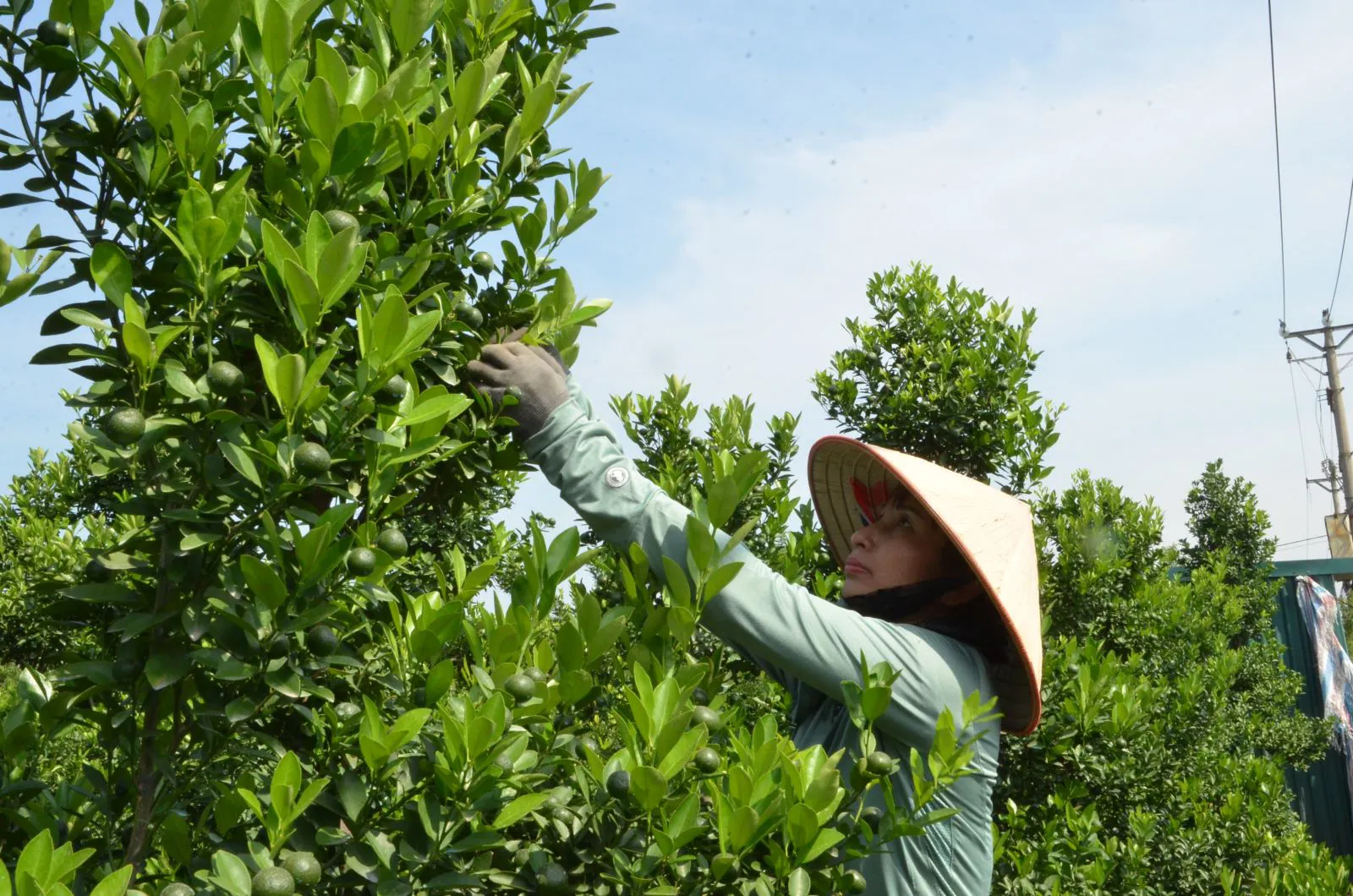
Tam Xa Commune, Dong Anh District is one of the ornamental plant suppliers for Hanoi and the North. Photo: Lien Ha
In the context of an increasingly fierce market, Dong Anh also actively supports trade promotion through fairs and exhibitions in and outside the locality, builds a creative design center, develops craft village brands, and furthers multi-platform communication.
Craft village tourism is particularly important because it opens a new direction: experiential tours centered around baking, wine brewing, woodwork, historical sites, homestays, and traditional cuisine. Visits to craft villages help raise incomes and elevate the villages' status on Hanoi’s cultural tourism map.
Developing craft villages in its development plan is a way for Hanoi in general and Dong Anh in particular to promote their traditional values while improving villager income, and spreading the local authenticity.