Explore Vietnam’s historic path at Thang Long Imperial Citadel
In the heart of Hanoi, where ancient dynasties once ruled and modern revolutions reshaped a nation, visitors now have a rare opportunity to retrace one of the most pivotal chapters in Vietnam’s modern history.
THE HANOI TIMES — In commemoration of the 80th anniversary of the August Revolution and Vietnam’s National Day, the Thang Long Imperial Citadel in Hanoi is hosting a compelling series of exhibitions.
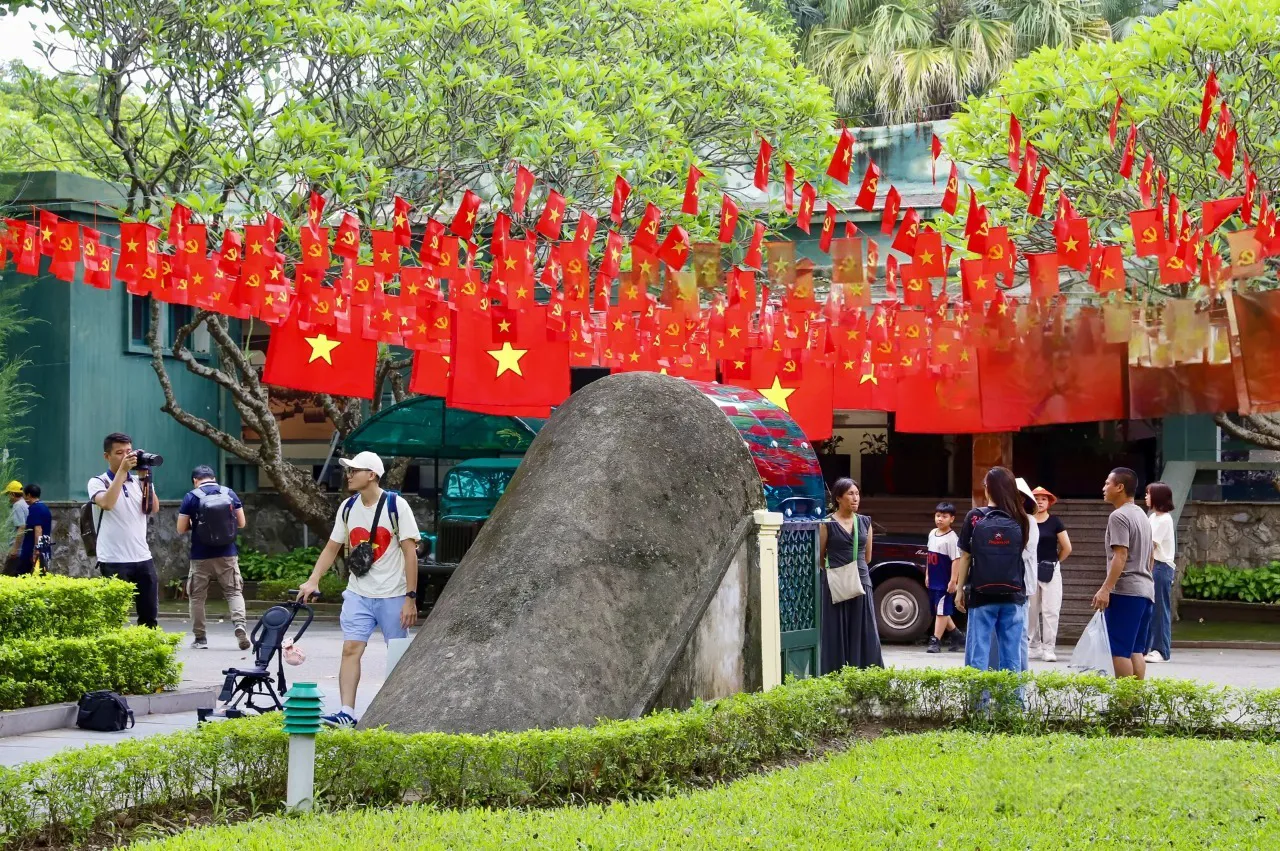
For the first time, the secret bunker at Thang Long Imperial Citadel is open to the public. Photo: Duy Khanh/ The Hanoi Times
Centered on the theme of wars in Vietnam, the exhibitions transport both locals and international visitors back to the transformative era of the resistance war against American forces (1954 - 1975), offering immersive insights into a time of national unity, sacrifice, and historic triumph.
According to Nguyen Thanh Quang, Director of the Thang Long - Hanoi Heritage Conservation Center, the Thang Long Imperial Citadel is more than a symbol of ancient Vietnam. It serves as a cultural crossroads where the country’s 1,300-year heritage meets its revolutionary past.
“This sacred ground does not simply preserve imperial foundations. It also holds within it revolutionary relics linked to the Ho Chi Minh era,” he shared, referencing important wartime sites such as House and Bunker D67, the General Staff’s Secret Bunker, and the enduring Hanoi Flag Tower, among others.
In just one day, visitors can journey through historical spaces that trace Vietnam’s evolution, from its feudal origins to the modern revolutionary movement.
House and Bunker D67: Where strategy shaped victory
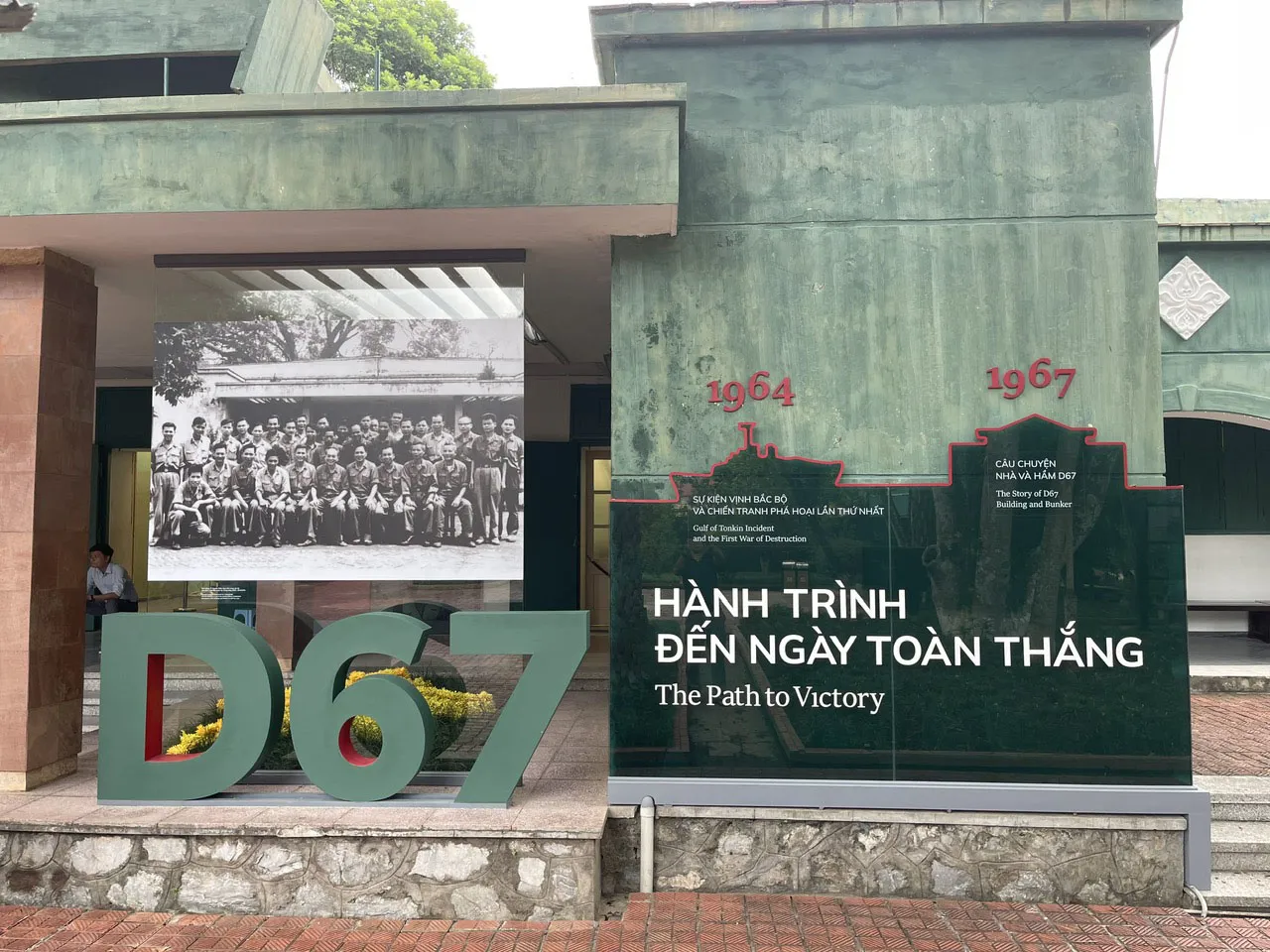
The exhibition House and Bunker D67 – The Path to The Victory offers visitors to Thang Long Imperial Citadel a glimpse of Vietnamese history. Photo courtesy of Thang Long - Hanoi Heritage Conservation Center
Hidden beneath the Citadel’s greenery, House and Bunker D67 were built in secrecy in 1967 during the American bombing campaign in the North.
Serving as the command post for the Politburo and Central Military Commission, these fortified spaces shaped key decisions in the Tet Offensive (1968), the 1973 Paris Peace Accords, and the 1975 Spring Victory.
The exhibition displays over 300 rare documents and photographs in four thematic sections, bringing history to life through interactive displays and multimedia rather than a chronological retelling.
The secret bunker - heart of the general staff
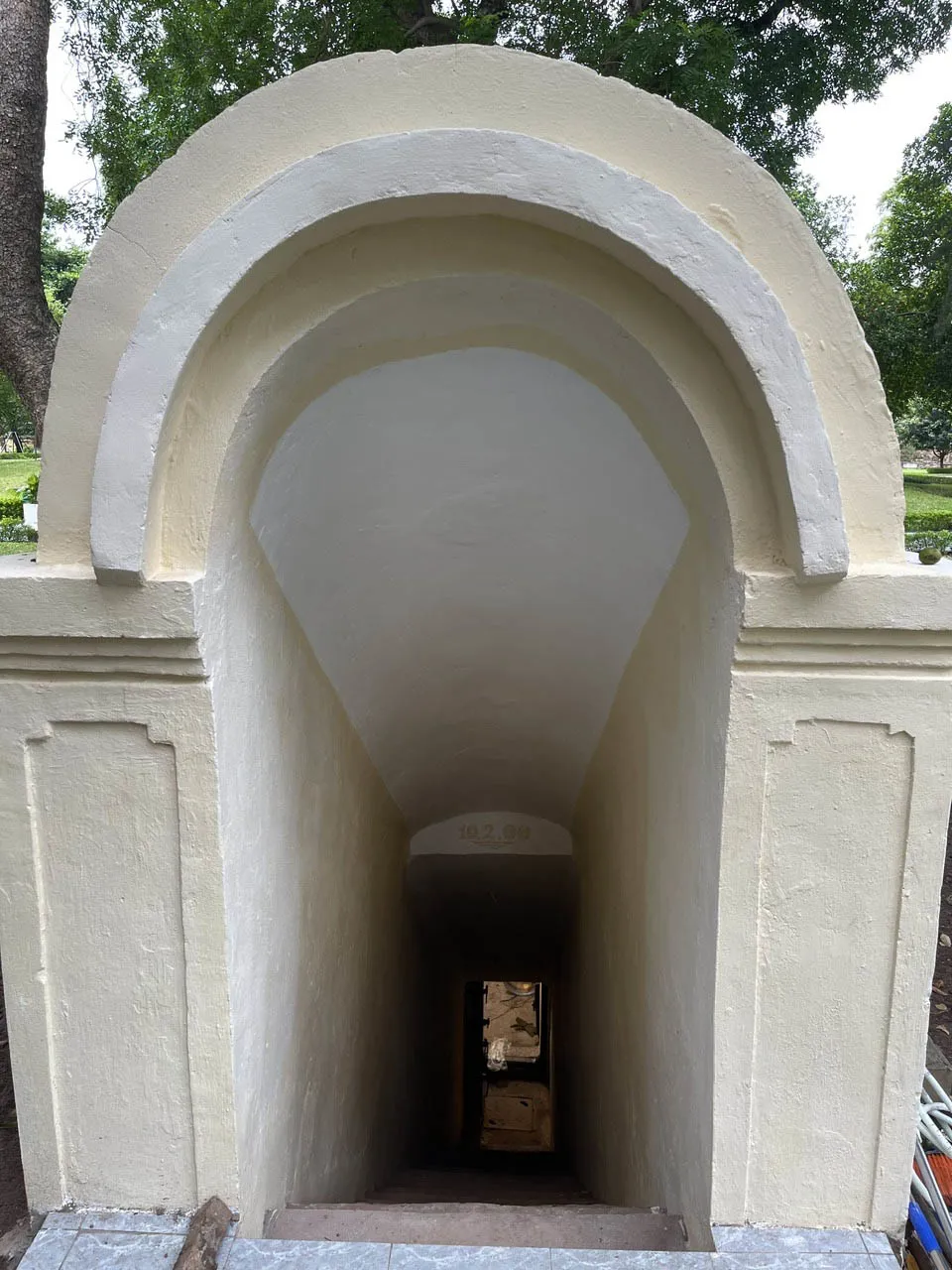
The entrance of General Staff’s Secret Bunker in Thang Long Imperial Citadel, Hanoi. Photo courtesy of Thang Long - Hanoi Heritage Conservation Center
A short walk away, the General Staff’s Secret Bunker, built in early 1966, served as the operational “brain” of Vietnam’s military during critical campaigns, including the 1972 “Dien Bien Phu in the Air.”
Meticulously restored and opened to the public for National Day, the bunker preserves the dimly lit corridors where crucial intelligence was processed. Visitors can explore spaces that once safeguarded Vietnam’s most confidential military communications.
Documentary screenings, interactive panels, and automated audio guides highlight the Cipher Department’s role in coordinating Vietnam’s resistance front from 1972 to 1975. The bunker stands as a tribute to the quiet yet essential work behind Vietnam’s path to reunification.
Hanoi Flag Tower - from imperial symbol to banner of peace
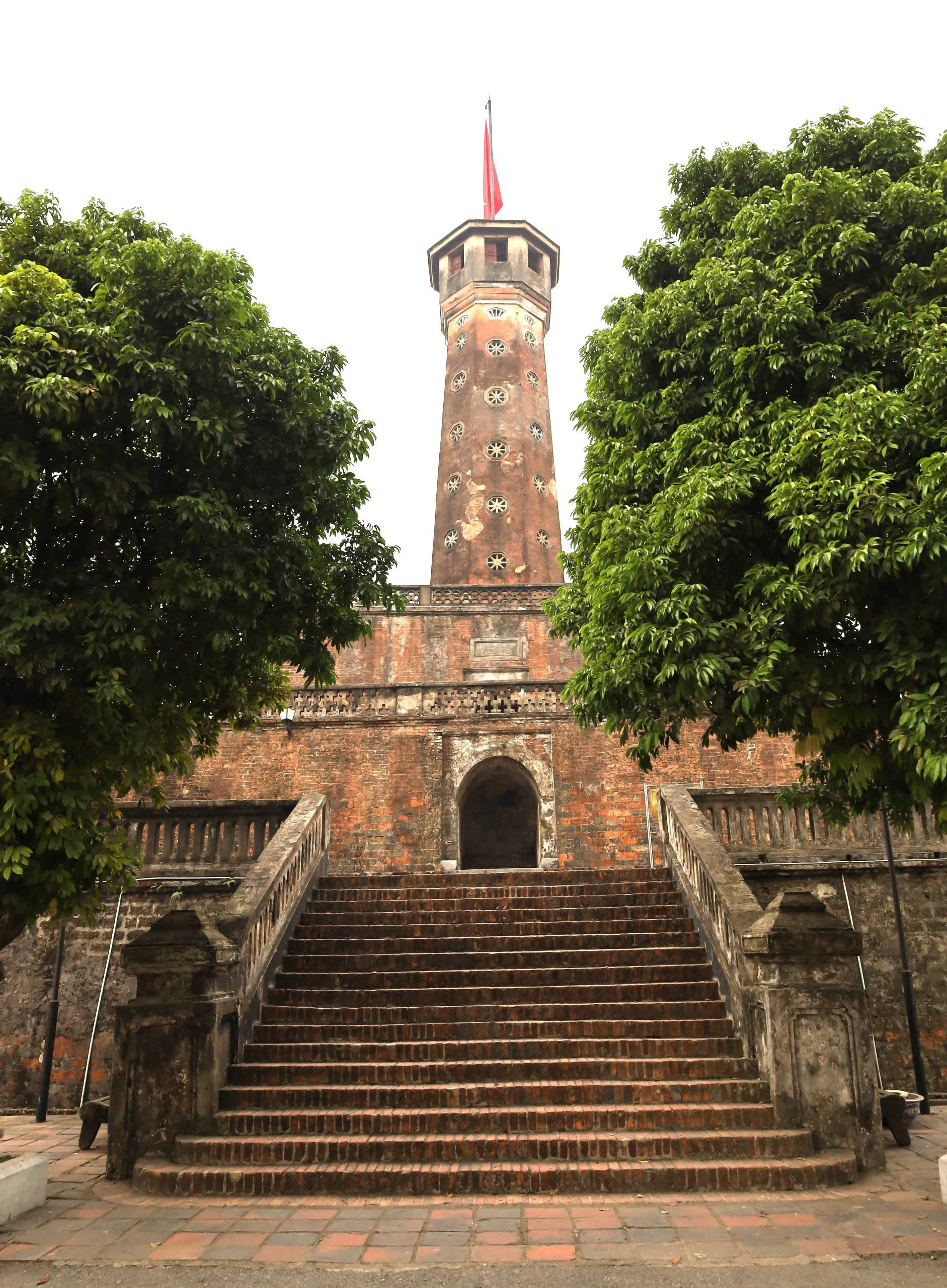
The Flag Tower showcases ancient architecture imbued with the passage of time. Photo courtesy of Thang Long - Hanoi Heritage Conservation Center
No visit to the Citadel is complete without seeing the Hanoi Flag Tower, built 1805–1812 under the Nguyễn Dynasty. Originally a symbol of imperial Vietnam, it later witnessed French colonial occupation in 1882.
On October 10, 1954, the Vietnamese army raised the red flag with a yellow star atop the tower, marking Hanoi’s liberation. The exhibition Flag Tower – The Fatherland and the Aspiration for Peace traces its history through artifacts, historical documents, and 3D reconstructions.
Divided into three phases, the exhibit covers the tower under the Nguyễn Dynasty, its transformation during French rule, and the moment the national flag was raised on Liberation Day. A short documentary captures this emotional moment, stirring pride across generations.
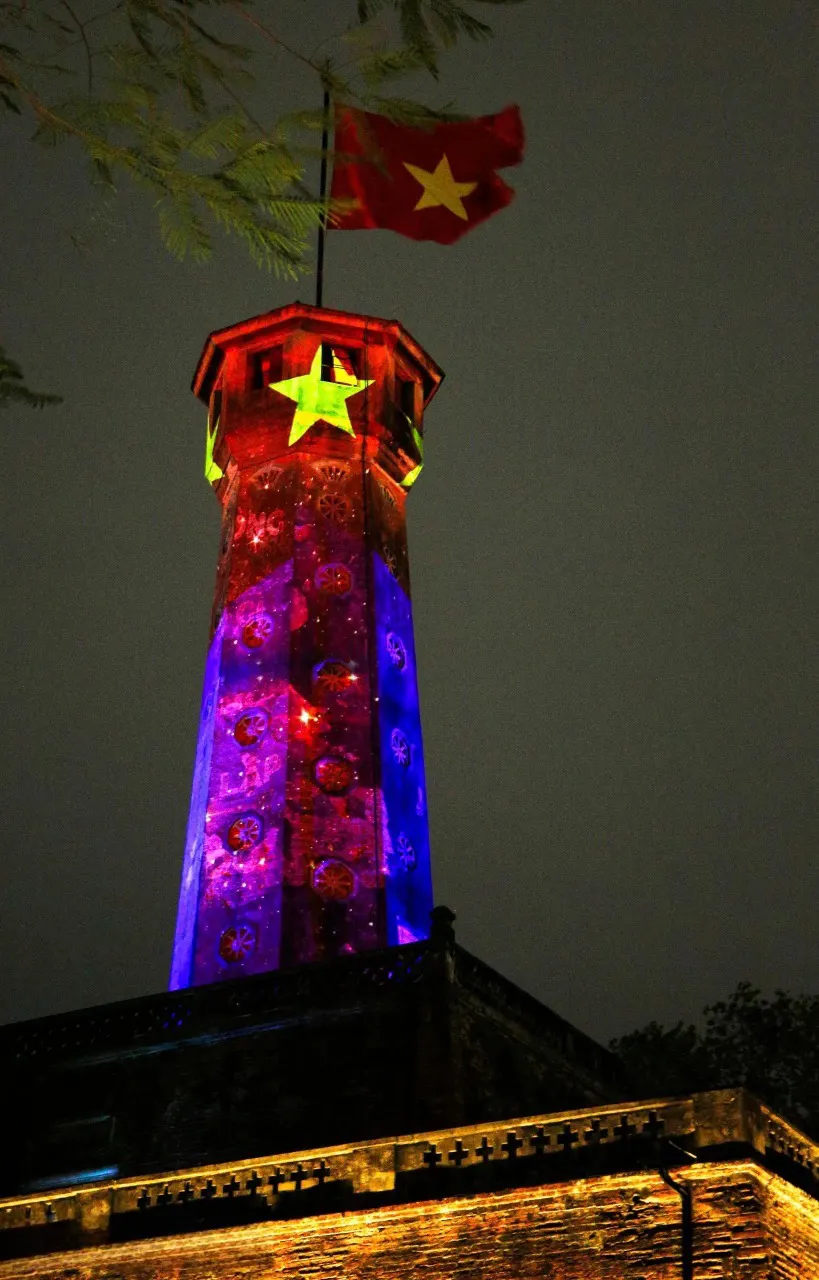
The magnificent beauty of Flag Tower at night. Photo: Duy Khanh/ The Hanoi Times
A featured highlight is a short documentary film, showing the heart-touching moment when the national flag flew once more over Hanoi's sky, a moment that continues to stir pride and emotion in generations of Vietnamese people.
This exhibition series is not merely a historical reflection but a heartfelt tribute to the resilience, sacrifice, and unity of the Vietnamese people. Through every photograph, artifact, and preserved relic, visitors are invited to connect with stories of a nation that overcame adversity through courage, determination, and vision.
For international travelers seeking to understand Vietnam beyond its stunning landscapes and bustling cities, Thang Long Imperial Citadel offers a rare window into the country's political heritage and cultural soul. These exhibitions serve as a powerful reminder that peace and independence are born from struggle.