Festive tramcar takes riders through Hanoi’s past
Hanoi’s streets turn into a living museum as Tramway No. 6 reopens, showcasing the city’s subsidy-era kitchens and daily life- where nostalgia meets festive cheer for a funky cultural experience.
THE HANOI TIMES — A festively decorated vintage tramcar is offering residents and visitors a glimpse into Hanoi’s past, drawing crowds to the Hang Dau Water Tower in the Old Quarter.
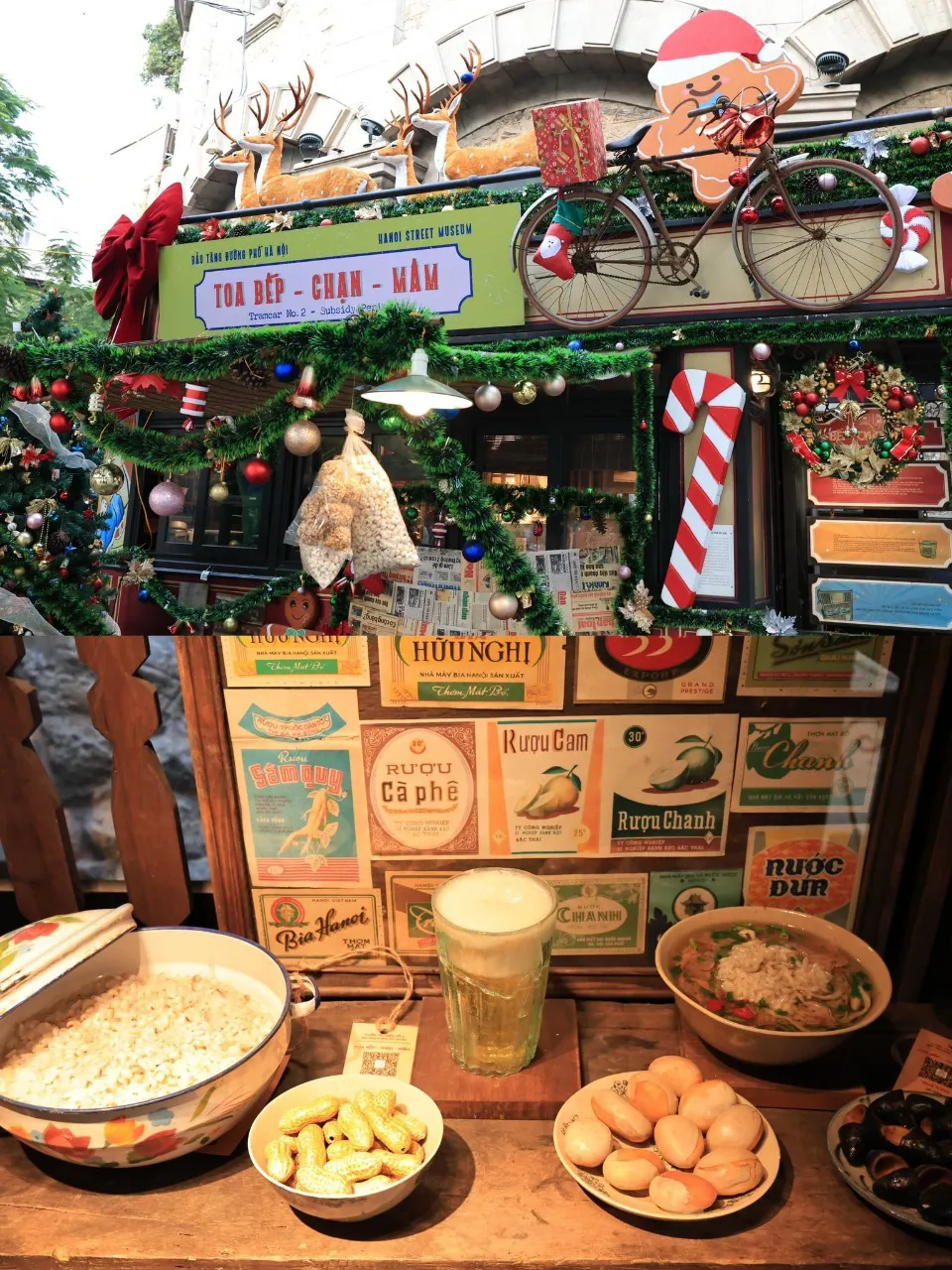
Old Hanoi welcomes a touch of Western flair at Tramway No. 6 - “The Carriage of the Subsidy Era” outside Hang Dau Water Tower. Photo: Pham Hong Van
Part of the “Tramway Line 6” project, the nostalgic carriage has been transformed with Christmas décor and has quickly become a popular stop, particularly for young people eager to capture moments where the city’s history meets the present.
The installation, titled Heritage on the Streets, is part of the ongoing Leng Keng Di San (Leng Keng Heritage Project) launched by Ba Dinh Ward in 2024. Rather than confining heritage to museums, the project brings it into public spaces, allowing history to unfold naturally amid the rhythms of modern city life. “Tramway No. 6 - The Carriage of the Subsidy Era: Kitchen - Cupboard - Tray” has been redesigned with vibrant visuals to attract tourists while inviting Hanoi’s younger generation to step into the city’s past.
Set against the Hanoi Water Tower in Dong Xuan Ward, a landmark of the capital’s past, the vintage tramcar creates a dialogue between eras. More than a photo-friendly attraction, it retells Hanoi’s heritage in a contemporary and intimate way, bridging generations and bringing history closer to Gen Z.
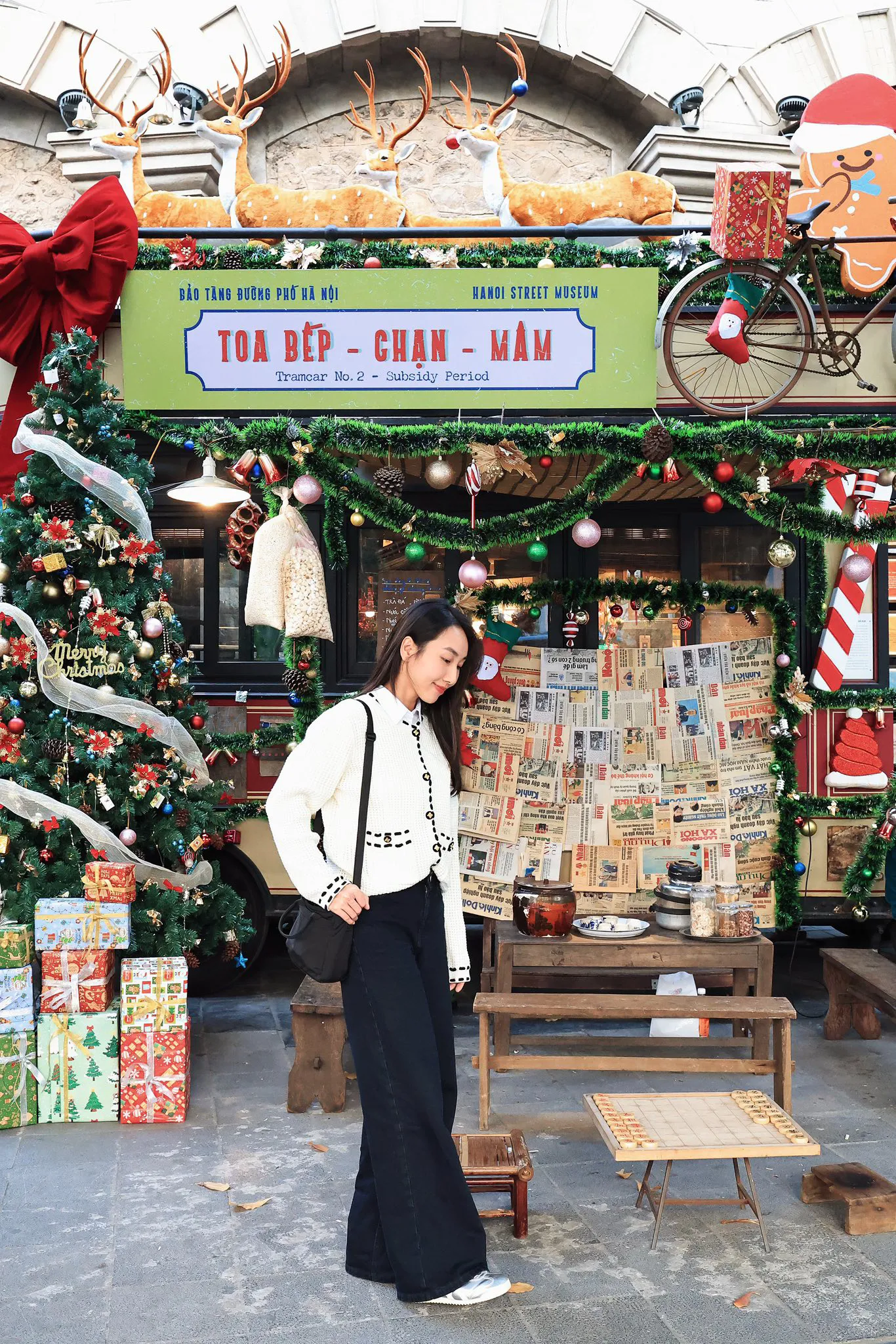
From Instagram-worthy snapshots outside to immersive stories inside, young people are discovering Hanoi’s past one vintage tram carriage at a time. Photo: Hong Van
For many young visitors, curiosity sparks the journey. Attracted by the colorful decorations, they quickly find themselves immersed in stories of Hanoi’s everyday life from decades past. Inside the carriage, nostalgia merges with discovery, as personal memories and collective history come vividly to life.
Inside, the tram recreates a typical Hanoi household kitchen from the subsidy era, with wooden cupboards, thermos flasks and oil stoves once central to daily life. These familiar objects anchor a carefully curated space that reflects both hardship and warmth.
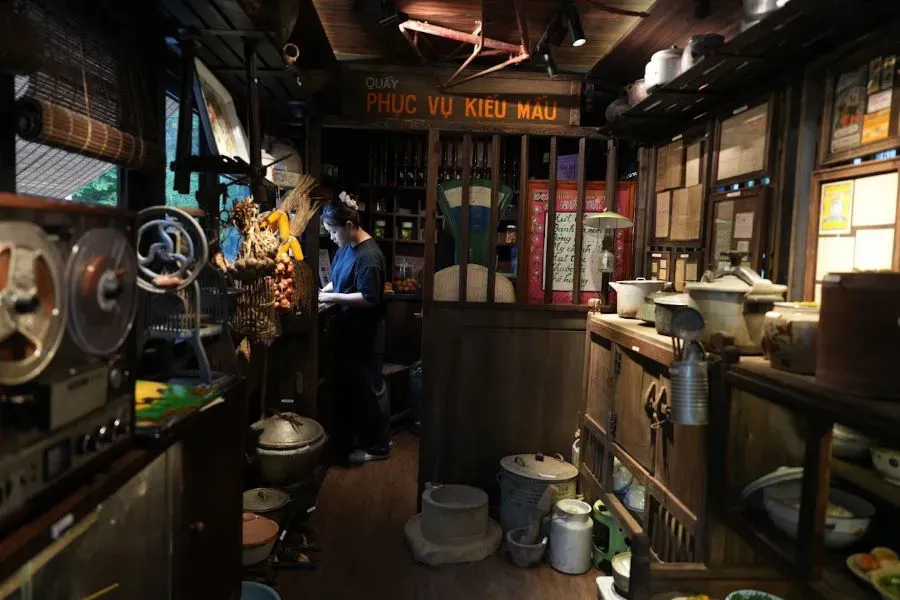
Inside “Tramway No. 6 - The Carriage of the Subsidy Era: Kitchen - Cupboard - Tray,” visitors can explore authentic household utensils from Hanoi’s subsidy period. Photo: Huy Pham/ The Hanoi Times
Notably, all the items on display are authentic artifacts, either gathered by the organizers or donated by local residents. Each object carries its own story, collectively painting a vivid picture of Hanoi families and their resilience during a challenging period in history.
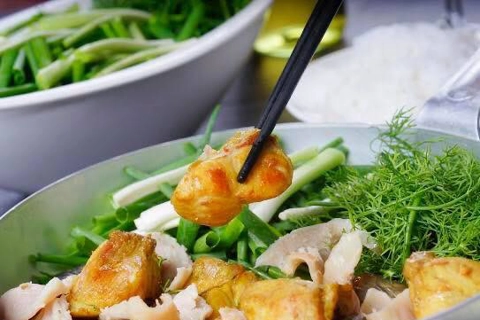
Complementing the visual experience is a display of dishes typical of the subsidy period, including com don san (steamed red rice with cassava), long xao dua (stir-fried pork intestines with pickled mustard greens), dau rim mam (fried tofu in fish sauce) and hat mit luoc (boiled jackfruit nuts). These humble meals offer visitors a deeper understanding of the resourcefulness and spirit of the time.
Beyond the tramcar, the outdoor area continues the story by recreating a post-war tea shop popular from 1975 to 1986. With low plastic stools and old newspapers, the space evokes a strong sense of communal life. It has now been refreshed with festive decorations for Christmas and the New Year 2026, gently linking past traditions with present celebrations.
In the heart of Hanoi, where historic streets constantly adapt to modern rhythms, Heritage on the Streets serves as a quiet reminder that history is shared, experienced and rediscovered, one tramcar at a time.
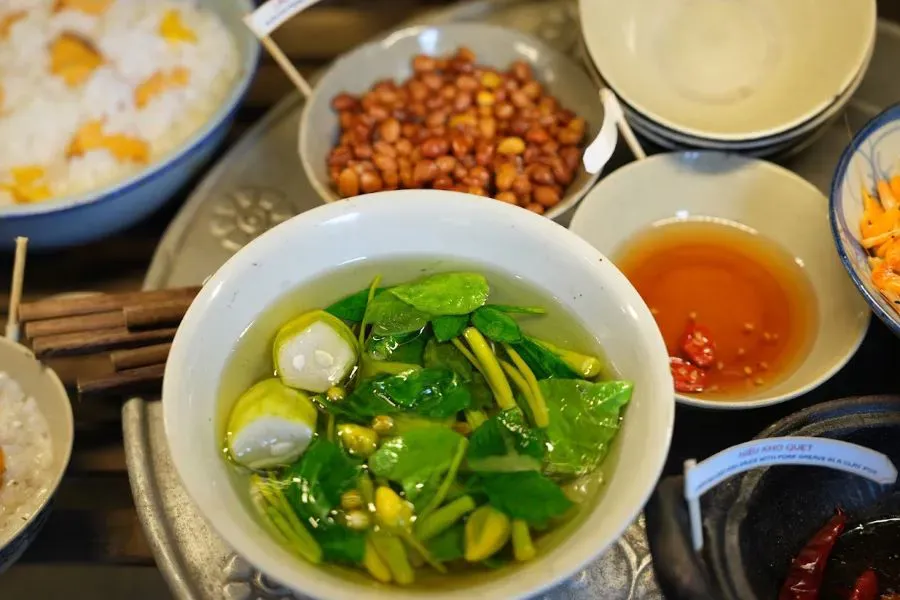
Culinary memories - Hanoi’s dishes from the subsidy period. Photo: Huy Pham/ The Hanoi Times
|
Located at the junction of six of Hanoi’s oldest streets, including Hang Than, Hang Luoc, Hang Giay, Hang Dau, Quan Thanh and Phan Dinh Phung, Hang Dau Water Tower stands as a lasting symbol of the city’s past. Built in 1894 by French colonial engineers, the cylindrical stone structure formed the core of Hanoi’s first modern water supply system, delivering clean water at a time when access was limited. More than a century later, the tower remains remarkably intact. It has evolved from essential infrastructure into a cherished cultural landmark, now animated by art installations and public programs that highlight both its architecture and its place in Hanoi’s urban history. The subsidy period, roughly 1976 to 1986, brought economic hardship, rationing and collective living. Daily life was defined by scarcity, from simple meals to bicycles as the main transport. Nostalgic exhibitions and cultural projects such as Leng Keng Di San now revive these memories, reconnecting older generations with the past while introducing younger audiences to a formative chapter of Hanoi’s history. |