Why Cha ca remains at the heart of Hanoi’s culinary soul
Amid the ever-evolving rhythm of Hanoi’s culinary landscape, cha ca (grilled fish) with dill and green onion is more than a celebrated specialty but a convergence of history, urban memory and generations-old culinary craftsmanship.
THE HANOI TIMES — As the Hanoi Culinary Culture Festival 2025 honors the city’s typical culinary heritage, cha ca continues to be recognized as a distinctive cultural resource, where historical value, tourism potential and the role of artisans come together.
Historical imprint on a signature dish

Hanoi-style fish cake is at its finest when paired with fermented shrimp paste, whose bold, distinctive flavor perfectly complements the richness of the dish. Photo: T.L/The Hanoi Times
Cha ca originated in the Hanoi Old Quarter in the late 19th century as a family recipe closely tied to the daily life and customs of trading households.
The Doan family is among those who have made significant contributions to the creation and preservation of the dish for many generations, embedding it deeply in the culinary consciousness of Hanoians.
The story goes that this sumptuous specialty dates back nearly two centuries, when the To Lich River still flowed through what are now the bustling Hang Can and Cha Ca streets. Along its banks were rows of small eateries devoted to a dish made from local fish, grilled, chopped and served with bun (rice vermicelli).
Few experiences rival enjoying cha ca on a cool, mist-laced winter day. You sit in a modest, bustling eatery with wooden furnishings and low ceilings, wisps of smoke drifting above each table as the aroma of roasted peanuts, scallions, and fresh dill fills the room. Beside you are neatly arranged vermicelli, bubbling fat, pungent mam tom (fermented shrimp sauce), and a bright wedge of lemon.
The waiter brings the sauces and accompaniments, then sets the fish onto a glowing charcoal stove. The locally prized lang (Hemibagrus) sizzles at once, releasing a deep and inviting fragrance. Marinated with turmeric and salt, it is enriched by the crunch of peanuts and the sweetness of onions, its flavors unfolding as the fish sears at the table.
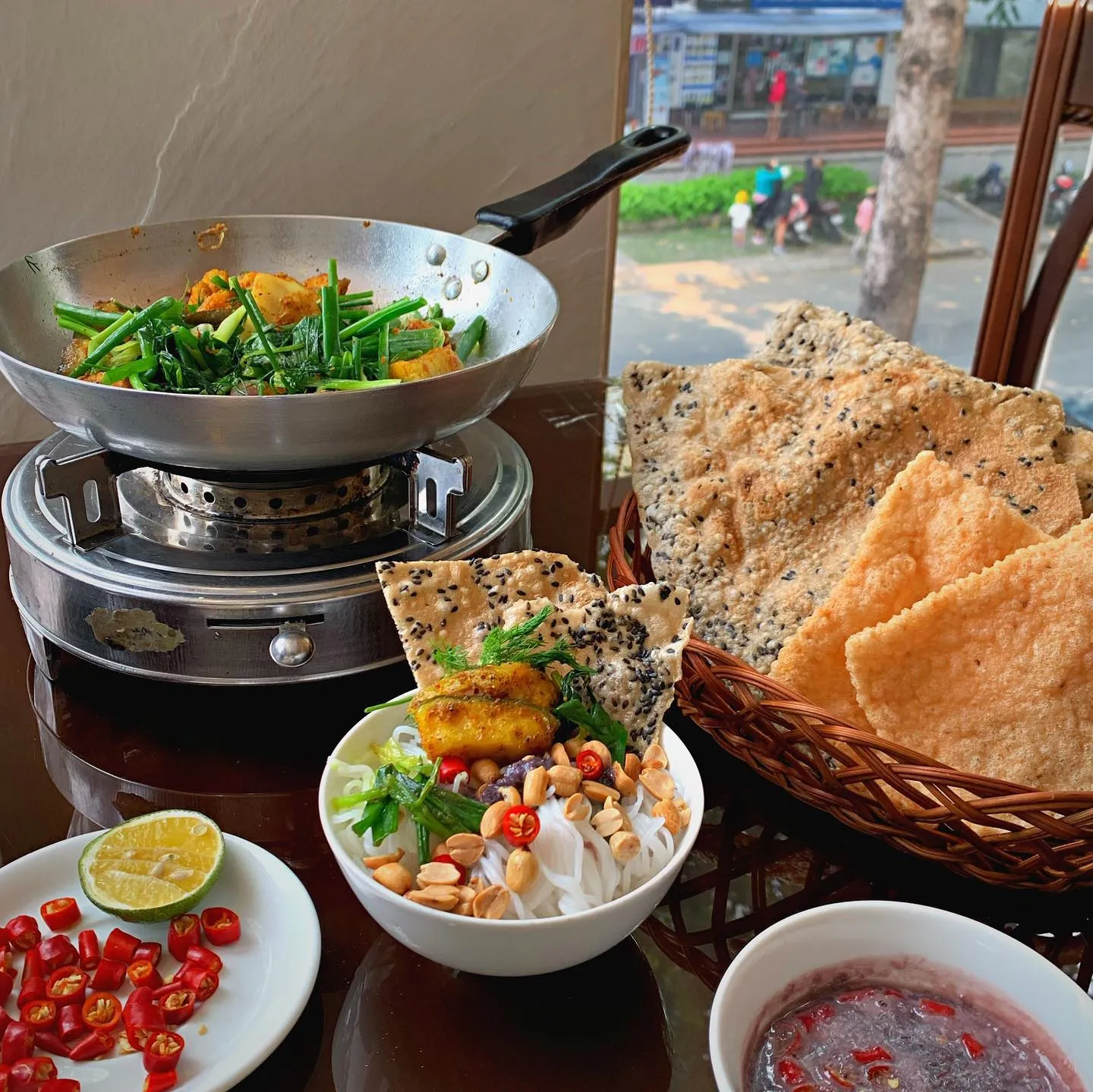
The iconic cha ca is served at the renowned Cha Ca La Vong Restaurant, a landmark of Hanoi’s culinary heritage.
Assoc. Prof. Dr. Dang Van Bai, Vice Chairman of the National Council for Cultural Heritage, believes that for dishes like cha ca, heritage value lies not only in cooking techniques or dining rituals, but also in the historical narratives, community memories and family traditions surrounding their formation.
It is these accumulated layers of cultural memory that have elevated cha ca beyond ordinary food, turning it into a symbol of Hanoi cuisine.
The dish’s cultural reach is evident in the naming of Cha Ca Street itself. In urban history, it is rare for a dish to leave such an official imprint on a location, underscoring the special role of cuisine in Hanoi’s cultural life.
“This is vivid proof that cuisine can become an urban symbol, embedded in the collective memory of the resident community,” said Bai.
For more than a century, cha ca has been sustained through traditional techniques that call for skill, experience and careful attention at every step, including selecting and marinating the fish, grilling and stir-frying, creating a flavor that is both distinctive and instantly recognizable.
Cuisine as a cultural tourism resource
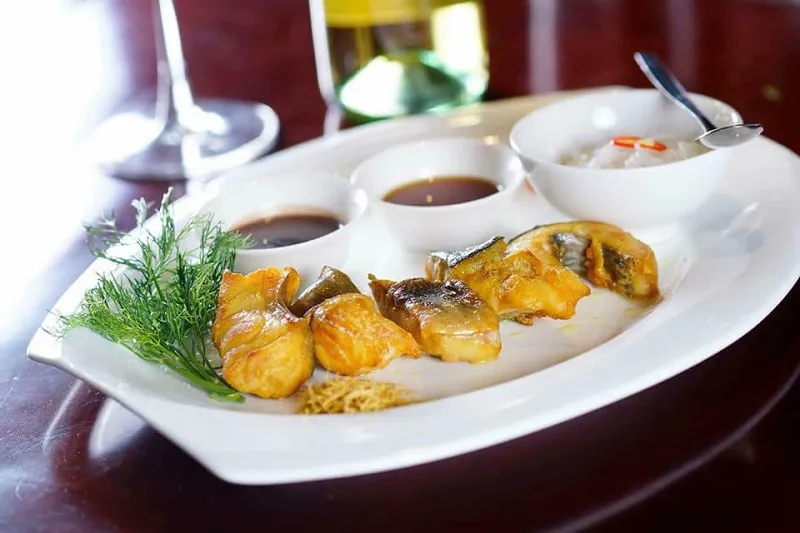
The cha ca dish is also featured in upscale restaurants across Hanoi, where it has captured the hearts and palates of discerning diners.
According to journalist and Hanoi researcher Vu Thi Tuyet Nhung, traditional cooking techniques are what give Hanoi cuisine its distinctive flavors. Iconic dishes, most notably cha ca, embody the essence of the capital’s culinary culture, preserving tastes passed down through generations.
“Tourists travel not only to discover new places, but to immerse themselves in local culture as cuisine lies at the heart of that experience,” she said.
Rich in historical value and urban memory, cha ca is now recognized as a unique cultural tourism asset of Hanoi. It frequently appears in international tourism promotions as a must-try dish, helping place the capital on the global culinary map.
From a research perspective, Nhung noted that cuisine has moved beyond meeting basic needs to become a cultural product that shapes local character and national identity. “In modern tourism, cuisine is a critical resource, capable of creating a destination’s enduring appeal,” she stated.
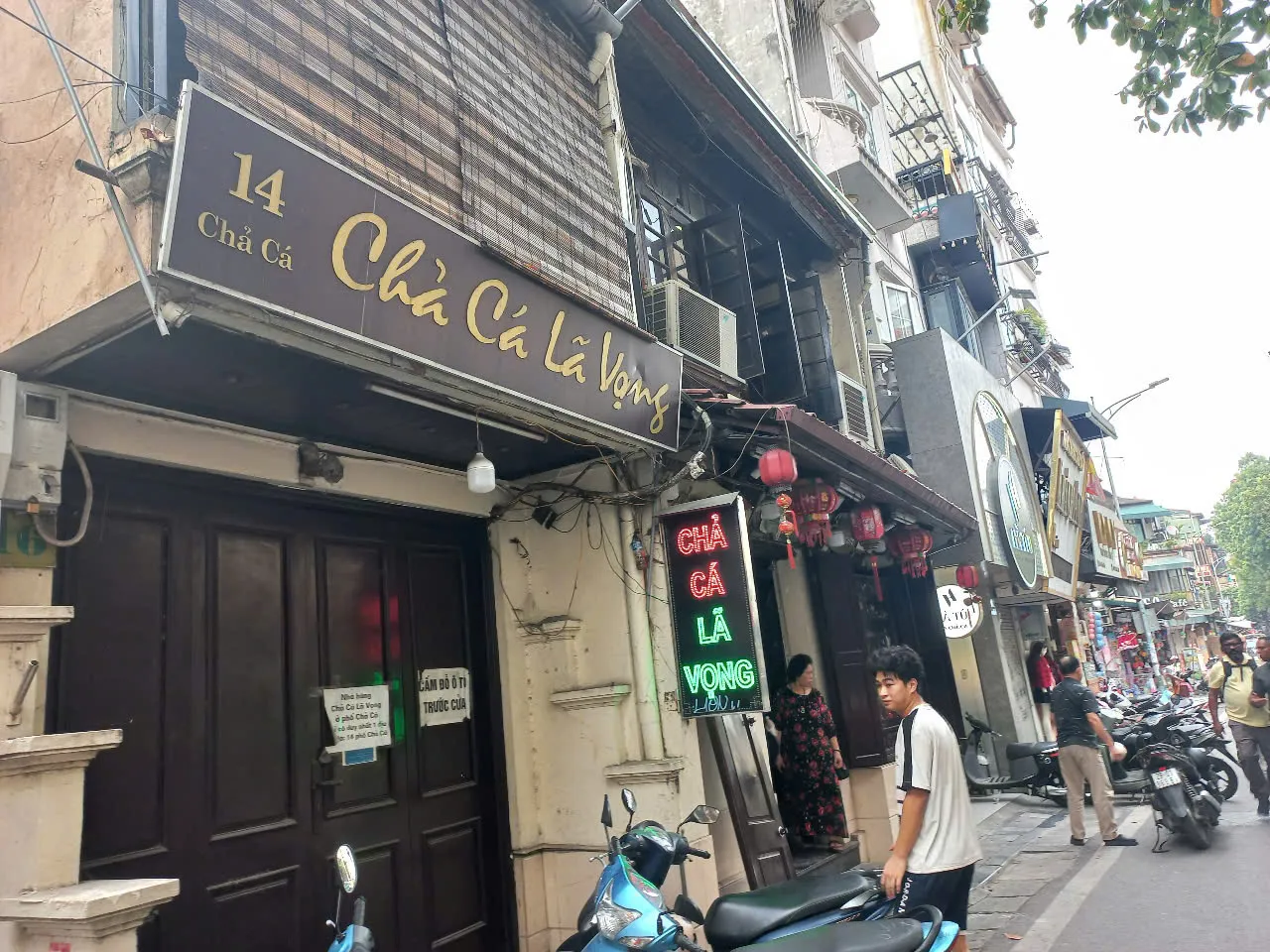
The sixth generation of the Doan family, believed to have created the iconic fish dish, continues to welcome diners at 14 Cha Ca Street, Hanoi. Photo: T.L/ The Hanoi Times
Citing UN Tourism data, Prof. Dang Van Bai said that up to 81% of travelers are willing to spend on exploring local culinary culture, underscoring cuisine’s not only cultural value but also its strong economic potential for tourism and the cultural industries.
For heritage dishes such as cha ca, the link between food and cultural experience is especially clear, as each serving offers more than a meal, weaving together Hanoi’s flavors, history and way of life, a depth that has helped the dish remain relevant despite shifting tastes and trends.
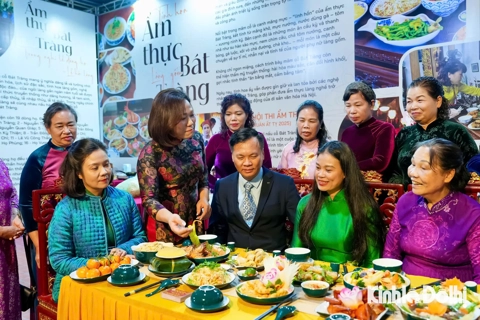
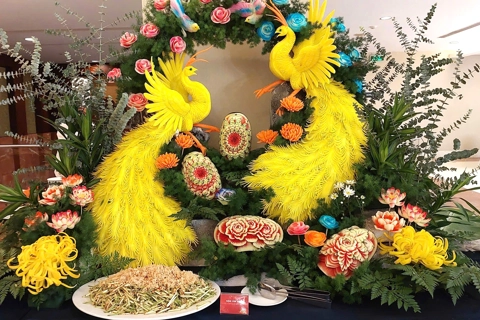
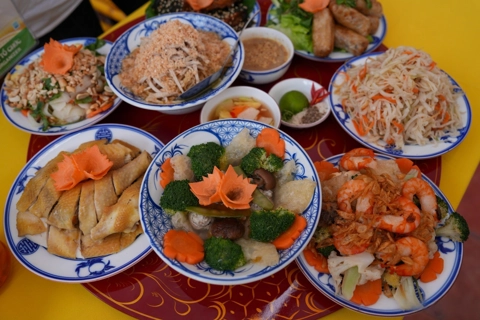
Cha ca was once again among the favorite dishes along with pho at the Hanoi Culinary Culture Festival 2025 took place at the Thong Nhat Park on December 19-21.
The festival offered residents and visitors a chance to experience iconic flavors while honoring traditional culinary heritage.