Five ways to stop corruption in its tracks
During the pandemic, corruption in projects could mean the difference between life and death for the poor and vulnerable.
Integrity risks are heightened in crises due to a rapid influx of funds and increased pressure to respond fast. Cracks in systems already vulnerable to corruption are further exploited in emergencies. The demand for urgent and large-scale procurement increases the risk of overpricing, dubious contract arrangements, and fraudulent expenditures.
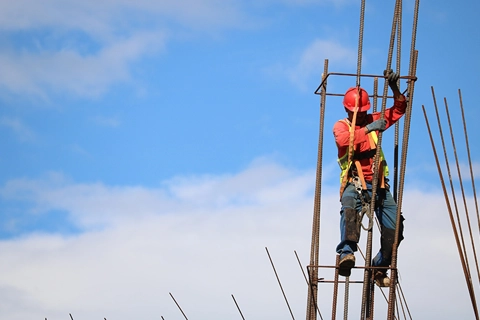
Those most in need, and those on the frontlines, rely on corruption-free development projects to battle Covid-19. Photo: ADB |

If not mitigated, corruption deprives beneficiaries of much-needed assistance, especially the poorest and most vulnerable. It also discourages citizens from actively participating in development. Hence, development organizations need to collaborate within and outside their institutions to root out corruption and show zero tolerance when corruption is discovered - even more so in crises.
Here are five fundamental measures to mitigate integrity risks in development projects especially during emergencies.
1. Ensure that projects are transparent and fair; and have proper accountability and control measures. As the saying goes, prevention is better than cure. Integrity offices should be involved from the get-go to help project officers identify and mitigate integrity risks, including drawing lessons from past integrity reviews of projects.
Insights gleaned from previous proactive integrity reviews on emergency and health sector projects can inform the review of Covid-19 projects to identify integrity risks and develop measures to mitigate fraud and corruption. These reviews are guided by three core integrity principles that are also critical in emergency projects:
Transparency. Key decisions and accountable parties in projects should be properly documented. Project beneficiaries and other stakeholders should receive key information on project implementation arrangements in a timely manner, including available funding, bidding requirements and results, and fund recipients.
Fairness. Fair competition, objective bidding requirements, and impartial evaluation are important. Procurement policies must be applied fairly and consistently. In emergencies, time-bound procurement policies with flexibility should be allowed but clear arrangements and detailed workflow must be provided. For example, procurement guidance can be offered wherein contracting of pre-approved suppliers which have met integrity requirements of established institutions such as United Nations agencies is encouraged.
Accountability and control. Adequate project oversight involves proper documentation, monitoring, and validating of expenditures. Executing agencies with weak procurement capacity or limited experience should be supported. It is imperative to keep the receipts and track movement of money. Fund distribution guidelines and a basic financial management manual should be developed. Random inspection of records and project outputs can help deter fraud.
2. Expedite due diligence without sacrificing project integrity. Due diligence may be compromised in emergencies as background checks typically prolong project implementation. It is critical to ensure that due diligence requirements of fast-tracked projects remain in place. Instead, integrity offices should support project officers to help expedite the process.
3. Strengthen contractual provisions on anticorruption. Project implementation arrangements and outputs must be clearly defined in contracts to set the standards for the works, goods and services that should be delivered. Integrity requirements, though, are easily overlooked. Contracts and other agreements should include anticorruption policy requirements to ensure accountability, and to reflect development organizations’ rights to investigate allegations of fraud and corruption should they arise and to impose appropriate remedial actions.
4. Keep complaints mechanisms open and pursue investigations as appropriate. Stakeholders should be provided with a proper complaints mechanism to flag fraud and corruption. Leveraging technology can help development organizations ensure continuity of complaints assessment and investigations amidst crises. Communication lines for complaints on integrity violations should remain open and any complaint that warrants an investigation pursued.
5. Encourage colleagues and citizens to remain vigilant, and report suspected fraud and corruption. While constant reminders on institutional commitment to integrity are important, concrete support, guidance and encouragement to staff are needed. For example, through webinars and e-learning courses staff members find an appropriate balance between operational priorities and fiduciary controls.
Citizen participation must be encouraged. The public should be equipped with information to remain vigilant. For example, Covid-19 policy measures and funding sources designated to help developing member countries are shared in our new public database. Project documents continue to be published in accordance to our Public Communications Policy.
If we hope to keep vital development projects free of corruption during the pandemic and beyond, we all have to play our part and build a community of integrity champions. If we don't, the poor will suffer.
In this time of crisis, if the most vulnerable are deprived of assistance due to corruption, it could mean the difference between life and death.
Authors:
H. Lorraine Wang (王惠慧) is Advisor, Office of Anticorruption and Integrity, ADB.
Richeline Tan Mascarinas is Associate Integrity Officer, Office of Anticorruption and Integrity, ADB.