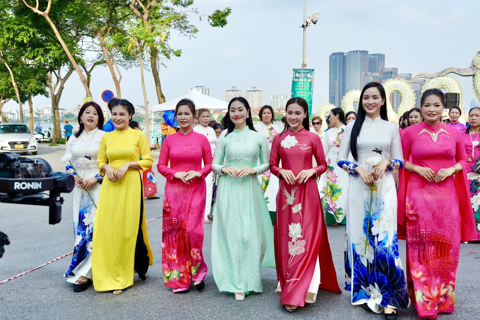
Unique qualities keep Hanoi stand out among ASEAN capitals
As Vietnam’s political, administrative, and economic hub, Hanoi blends the dynamism of a fast-growing city with the timeless appeal of its greenery, history and culture.
THE HANOI TIMES — According to a recent survey conducted by the Japan External Trade Organization (JETRO), Vietnam continues to present an attractive investment environment for foreign businesses.
The main advantages highlighted by respondents include the country’s "market size and growth potential", "low labor costs", and "stable political and social conditions".
These factors were rated higher than the ASEAN average, underscoring Vietnam’s reputation as one of the region’s leading investment destinations.
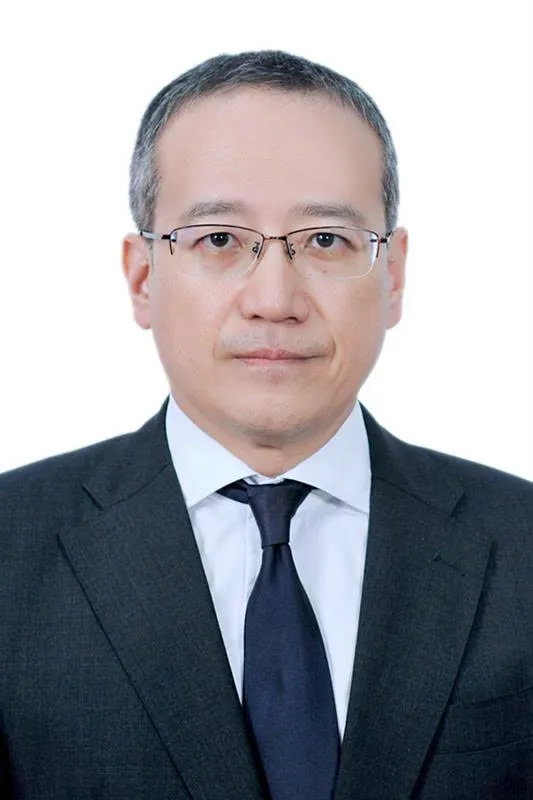
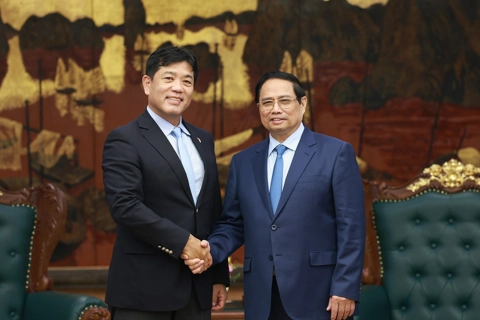
OZASA Haruhiko - Chief representative of the Hanoi Office of the Japan External Trade.
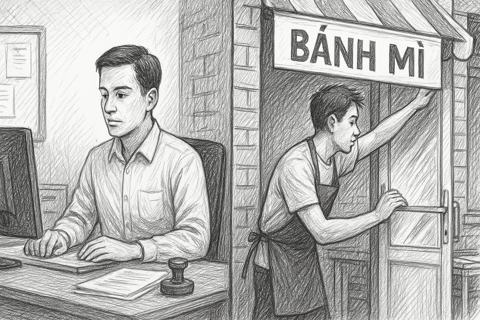
At the same time, the survey revealed several persistent risks: “complex administrative procedures”, “rising labor costs”, and “underdeveloped legal systems and unclear enforcement”.
These challenges are not unique to Vietnam but remain areas of concern that directly affect investors’ confidence and long-term planning.
Efforts to streamline administrative structures are therefore expected to play a critical role in enhancing productivity and transparency.
Japanese companies are particularly hopeful that reforms will address difficulties such as lengthy licensing processes, overlapping regulations, and the lack of consistency in legal interpretation and enforcement.
Such improvements would not only benefit foreign enterprises but also create a healthier business environment for domestic firms.
Regarding the rise in labor costs, it is natural for wages to increase as economies grow and living standards improve.
The key question is how businesses adapt to these changes - through innovation, technological upgrades and better workforce training - rather than seeing them purely as risks.
Hanoi, as the central hub of northern Vietnam, is playing an increasingly prominent role in this landscape.
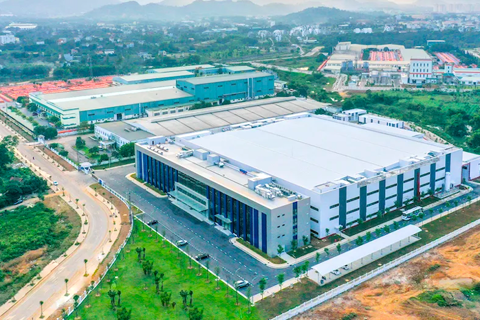
Manufacturing industries continue to concentrate in and around the capital due to its favorable location and infrastructure.
As of the end of June 2025, Japanese foreign direct investment (FDI) in Hanoi reached nearly 1,600 approved projects, amounting to US$12.72 billion.
Nearly 30% of Vietnam’s total approved FDI projects are concentrated in the capital, highlighting its importance as a magnet for Japanese businesses.
Several factors explain this concentration. Hanoi enjoys excellent access to surrounding provinces and industrial clusters through a modern network of expressways.
Air transportation is facilitated by the Noi Bai International Airport, which serves as a vital gateway for both business and cargo.
The city is also home to leading universities with strong programs in science, technology, engineering, mathematics, and foreign languages.
This talent pool provides an essential foundation for innovation and makes Hanoi an ideal location for fostering industry-academia collaboration.
Hanoi’s role is not limited to being a production base. In recent years, it has also emerged as a dynamic consumer market.
As Vietnam’s economy grows and urban incomes rise, international service and retail companies increasingly see the city as an attractive entry point.
In June, the convenience store chain 7-Eleven opened its first outlet in Hanoi. In August, construction began on a new Takashimaya shopping center.
While Japanese service companies traditionally entered the Vietnamese market through Ho Chi Minh City before expanding northward, a new trend is taking shape: some firms are now choosing Hanoi as their first destination.
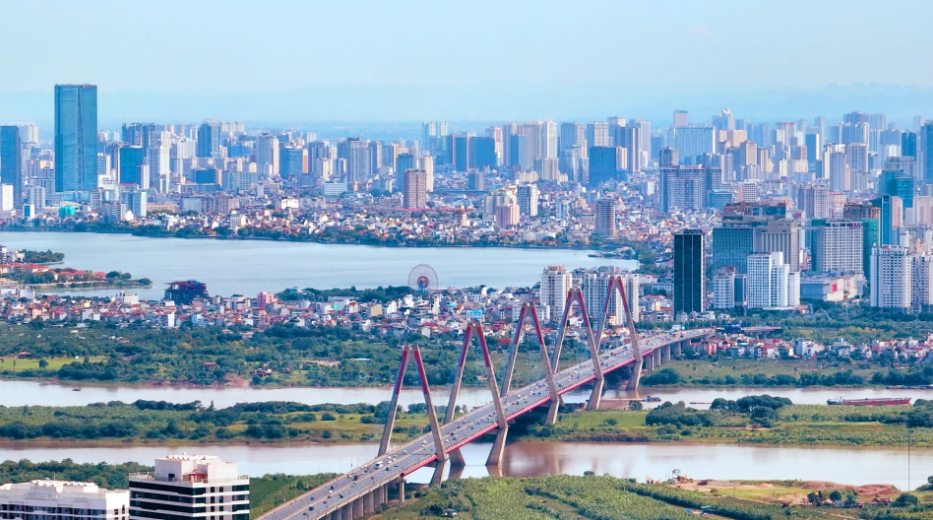
Nhat Tan Bridge, an infrastructure project in Hanoi funded by Japanese partners. Photo: Pham Hung/The Hanoi Times
With the expansion of urban railway lines, including the Hanoi Metro Line No. 2 supported by Japan, areas such as the North Hanoi Smart City, a joint venture project between Sumitomo Corporation (Japan) and BRG Group (Vietnam), and Starlake - where the Takashimaya project is located, are poised for further growth, reshaping Hanoi’s urban and commercial landscape.
To sustain this momentum, it is essential for Hanoi to continue listening to the concerns of foreign investors and addressing outstanding issues.
Complex administrative procedures, underdeveloped legal systems, and unclear enforcement are recurring themes in feedback from businesses.
For example, in some northern provinces, companies have reported receiving instructions during the application process for Investment Registration Certificates (IRC) that lack a legal basis.
These uncertainties create risks for long-term investment decisions. Strengthening transparency and predictability will improve the satisfaction of foreign companies currently operating in Hanoi and enhance the city’s reputation as a trusted investment destination.
Beyond its economic advantages, Hanoi possesses unique qualities that make it stand out among ASEAN capitals.
As Vietnam’s political, administrative, and economic center, Hanoi combines the dynamism of a rapidly growing city with the charm of a place rich in greenery, history, and culture.
The city also benefits from a high level of public safety, which is an important factor for both expatriates and investors.
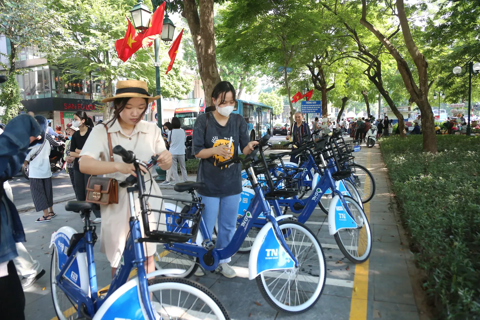
What distinguishes Hanoi is not its size but its quality as an urban environment.
Looking ahead, the balance between growth and livability will be crucial.
Hanoi has the potential to achieve sustainable development that integrates economic progress with environmental protection and quality of life.
For foreign companies, this harmony enhances the city’s appeal as a place not only to invest but also to live and work.
Japanese businesses remain optimistic about Hanoi’s future.
By continuing to address investor concerns while promoting innovation and sustainable growth, Hanoi can consolidate its position as a leading destination for international investment.
I hope that the capital will continue to evolve into a city that exemplifies both economic vitality and high quality of life - one that foreign businesses, including those from Japan, will proudly call their second home.