Vietnamese Ao Dai: Cultural symbol or market commodity?
Welcome to Words on the Street on The Hanoi Times. Today’s reflection looks at the ao dai not just as tradition, but as a quiet meeting point between generations and changing tastes, asking what its evolution reveals about Vietnamese ideas of elegance today.
THE HANOI TIMES — With just two weeks remaining until Lunar New Year, my family is preparing for a small but telling milestone. My daughter is turning 16 and, like many Vietnamese girls her age, she is about to receive her first custom-made ao dai, an outfit she hopes to wear confidently with her friends at the school’s Spring Fair.
When the dress finally arrived, her excitement was immediate. My concern followed just as quickly.
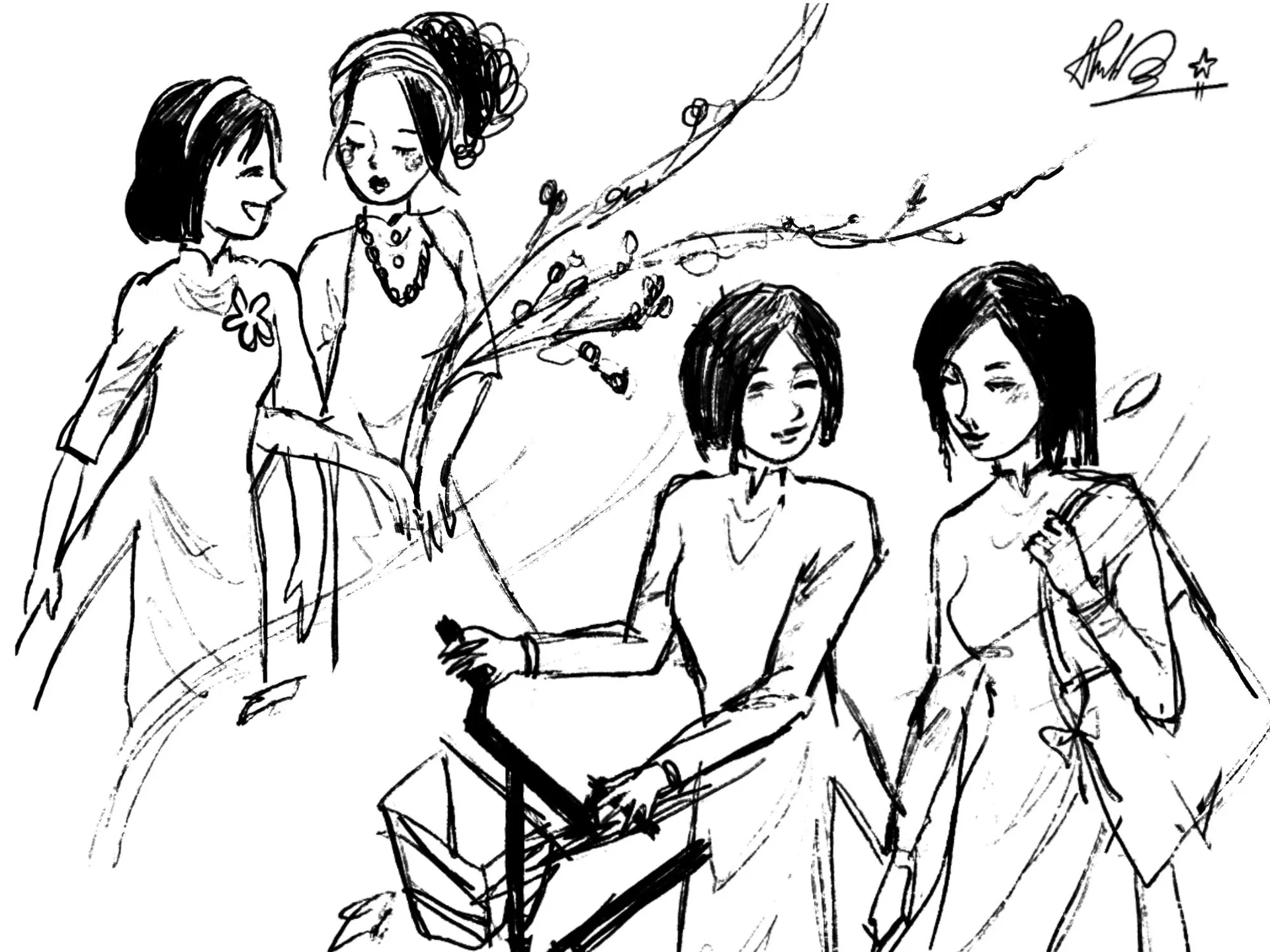
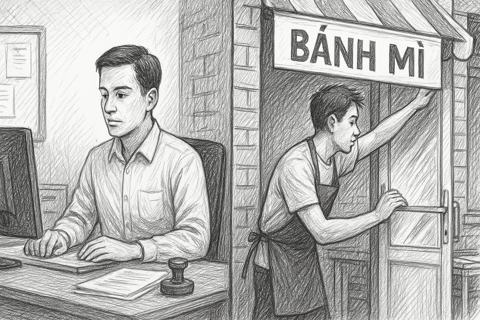
Ao dai isn’t just clothing - it’s a mirror of how Vietnamese society negotiates identity, continuity and change in a globalized era. Illustration by Nora
She wore a pristine white ao dai, elegantly tailored. But the high slit and thin fabric made it unusually revealing.
What unfolded was more than a family disagreement. It reflected a broader tension between generations and increasingly, between culture and market logic.
Is the Vietnamese ao dai losing its symbolic meaning of gentleness, elegance and restraint, becoming instead a vehicle for bodily display? Or is this discomfort simply a form of cultural conservatism, unable to keep pace with changing social norms?
“There’s nothing wrong with this ao dai,” my daughter said casually. “All girls wear it.”
Then came the question that caught me off guard: “If you think the ao dai is too revealing, why did our ancestors create it and consider it a symbol of Vietnamese femininity?”
Her response echoed a deeper question now facing Vietnamese society: who gets to define cultural standards in an era shaped by consumer demand and global fashion trends?
Reform has always been part of tradition
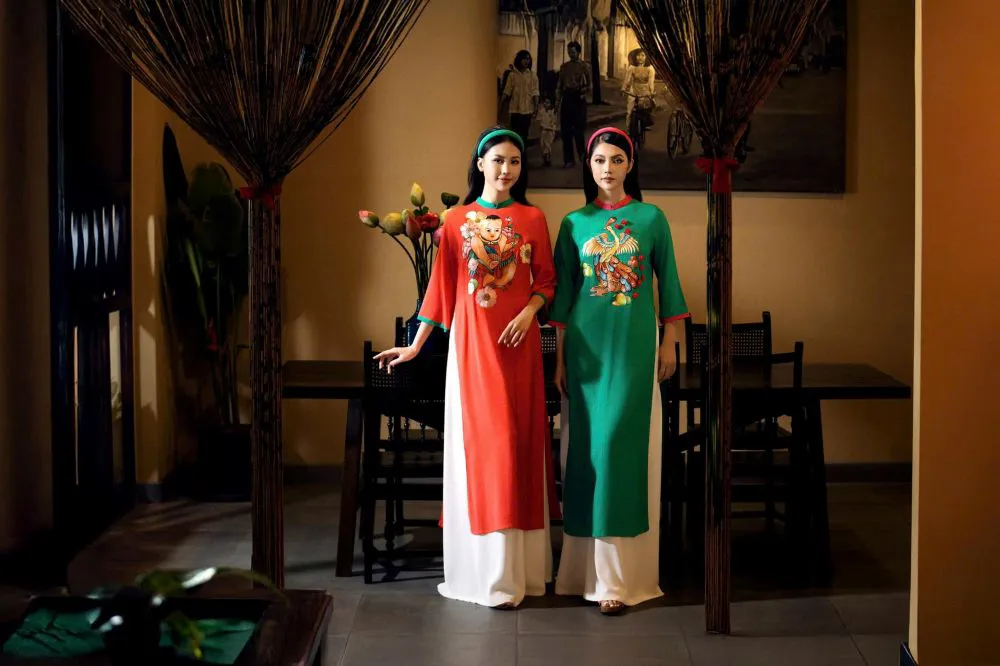
When traditional Vietnamese elements are brought together in a single image: ao dai - the country’s iconic dress alongside Dong Ho folk paintings. Photo: Vo Viet Chung
The ao dai has never been frozen in time. While the traditional five-panel ao dai existed for centuries, the version most familiar today only emerged in the early 20th century with the appearance of the Lemur ao dai.
The Lemur ao dai was made from silk or thin linen, with wide sleeves and two panels only. Its upper portion closely followed the body, while the lower part flared outward, creating an elegant and modern silhouette. Typical colors included black, gray, blue and white.
Its creator, artist Nguyen Cat Tuong, known by his French name Le Mur, was a graduate of the Indochina College of Fine Arts (1928-1933). In 1934, he published a manifesto in Phong Hoa newspaper articulating his vision:
“Clothes, though used to cover the body, can be like a mirror reflecting the intellectual level of a nation.”
He explained that le mur, meaning “wall” in French, symbolized the struggle between the new and the old. The Lemur ao dai, by contrast, represented laughter and liberation.
“It is a youthful, cheerful, optimistic and life-loving laugh of young women in their twenties who see themselves as butterflies, no longer confined in the mysterious cocoon of family and society,” he wrote.
From its inception, the ao dai has been shaped by reform-and by debate.
When the market redefines aesthetics

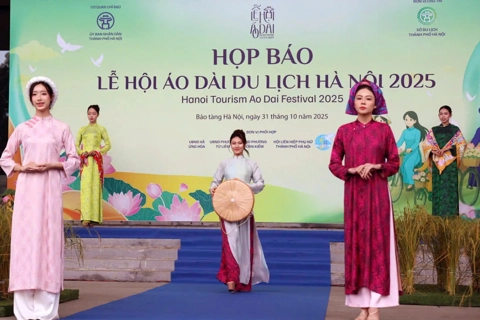
The Hanoi Ao Dai Tourism Festival is held annually to celebrate the charm of the ao dai. Photo: Huy Pham
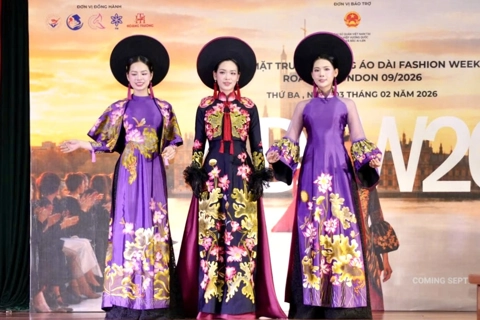
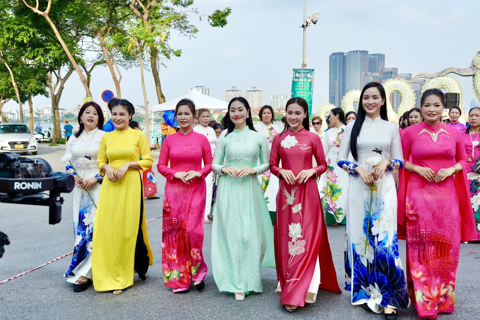
Over time, the Lemur ao dai was repeatedly adjusted to suit changing tastes: shorter or longer hemlines, high conservative collars or deep necklines. Its ability to flatter the female figure helped it become a national garment, worn during holidays, weddings and major events, while also appearing on international fashion runways.
The ao dai’s cultural evolution is now institutionalized. The first Ao Dai Museum in Vietnam opened in Ho Chi Minh City in 2014, founded by Ao dai designer Sy Hong. The museum documents the garment’s historical development through images, artifacts and archival materials.
The Hanoi Tourism Ao Dai Festival is held annually to honor the traditional garment. The ao dai has also long been the attire of choice for the wives of politicians and female diplomats at important ceremonial occasions.
At the same time, traditional craftsmanship continues to exist alongside mass-market fashion. In Hanoi, the Trach Xa Ao Dai Making Village is believed to date back to 979. According to ao dai artisan Nghiem Van Dat, Chairman of the Trach Xa Traditional Ao Dai Tailoring Cooperative, the craft’s founder was Nguyen Thi Sen, the fourth consort of King Dinh Tien Hoang.
“The difference between Trach Xa ao dai and Lemur ao dai lies in the tailoring technique. Trach Xa ao dai emphasizes sophistication. The ao dai skirt is hand-stitched, making it very soft and flowing,” Dat said
By contrast, modern Lemur-inspired designs often feature bold high waistlines and sharply darted bodices, deliberately accentuating the female form.
This shift reflects not just aesthetic change, but market incentives. Designers compete for attention in social media-driven fashion cycles. Consumers increasingly equate modernity with visibility. In this environment, subtlety is less marketable than spectacle.
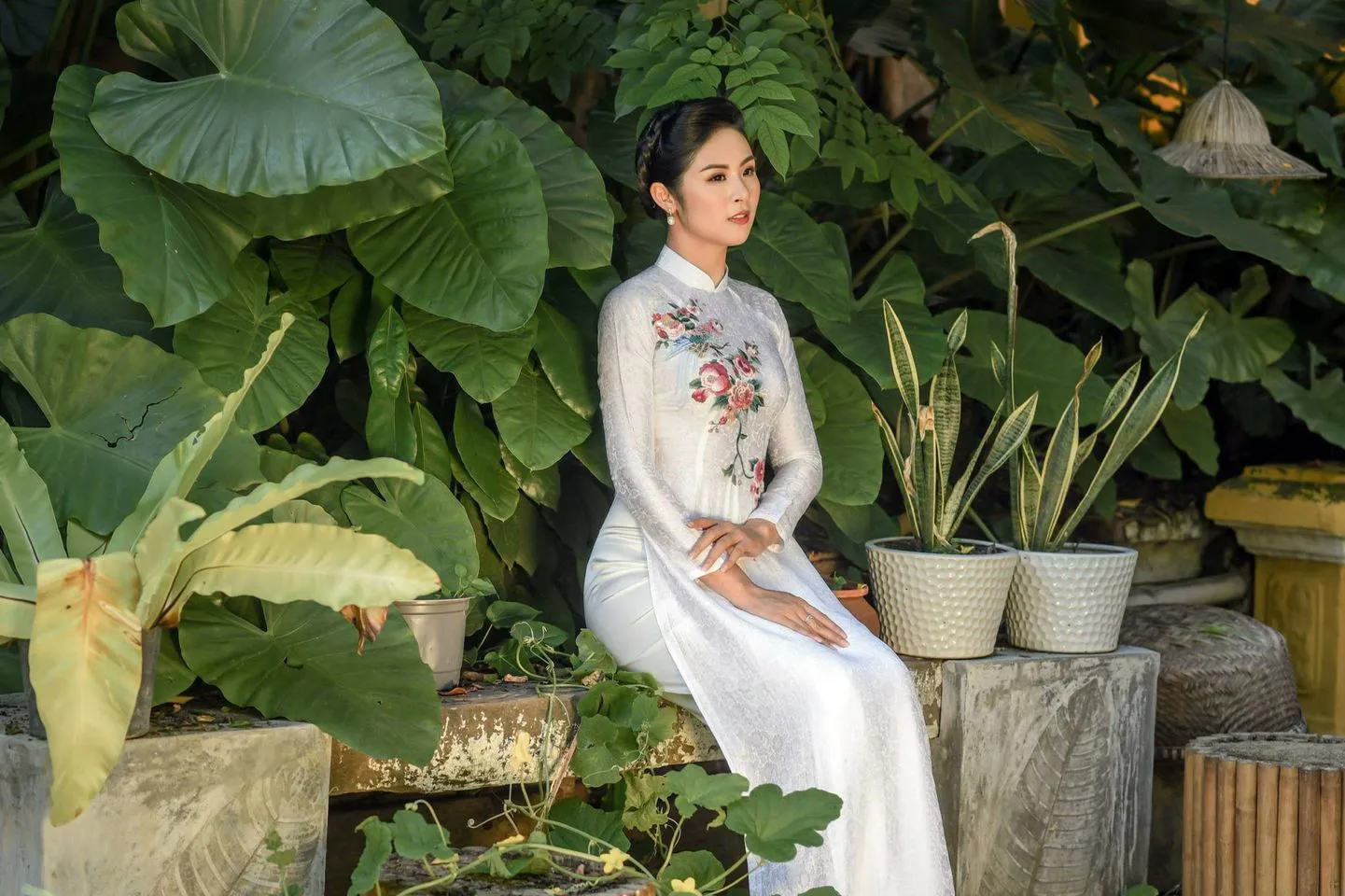
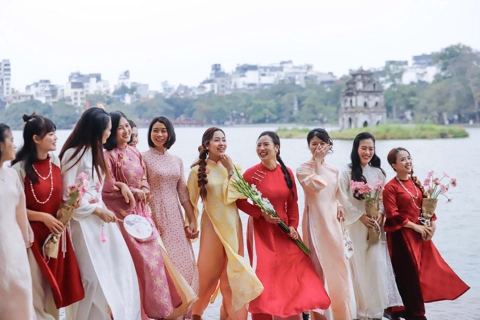
The ao dai remains a favored choice among Vietnamese women during Tet or traditional Lunar New Year Festival. Photo: Ngoc Han
After a heated discussion at home, a compromise was reached. I agreed to keep the ao dai, paying a considerable sum for it. My daughter agreed to wear a more modest bra and an additional thin underlayer beneath the dress.
Still, the stark white fabric revealed her slender waist in ways that previous generations of ao dai wearers typically sought to conceal.
That compromise mirrors a larger cultural dilemma.
Vietnam proudly promotes the ao dai as a national symbol, yet leaves its form almost entirely to market forces. There are few cultural guidelines, little public discussion, and limited education around how tradition adapts under commercial pressure.
As the country deepens its integration into global trade and creative industries, cultural products, like the ao dai, are increasingly treated as commodities. The risk is not modernization itself, but the quiet erosion of meaning when commercial appeal becomes the primary driver of design.
The ao dai has always celebrated femininity. But its power lies in balance: between tradition and reform, expression and restraint, individuality and collective identity.
As Tet approaches, the question is no longer what young women should wear. It is who decides what national symbols become in a market-driven society and whether cultural elegance can endure without conscious care.