Don’t let online missteps haunt your real life
From breakfast check-ins to quiet oversharing, your digital life may already be more public than you realize.
THE HANOI TIMES — What begins as a casual post can quickly become a permanent marker. Nowadays, small digital actions can have unexpected offline ramifications, reaching beyond influencers to affect ordinary people navigating everyday life.

Tran Hai Linh, a university student, used to treat her Instagram profile as a personal scrapbook. Her posts featured cozy café shots, dreamy afternoons at bookstores, and sunlit mirror selfies. "It felt harmless," she said, until one follower began reacting to every story. Then she saw him across the street from her apartment. Although she had never shared her address, she had shared enough for someone to figure it out.
This isn't rare. Today, our online identities are searchable and traceable, and they're becoming increasingly vulnerable. Many users underestimate how quickly a post can cross into real life. A photo, a location tag, or even a seemingly harmless screenshot can reveal more than intended.
I learned that the hard way after accidentally posting a contract to my public story. I deleted it within minutes, but my boss had already seen it. He called, sounding confused. I kept my cool, but I knew I had crossed a line I couldn't uncross.
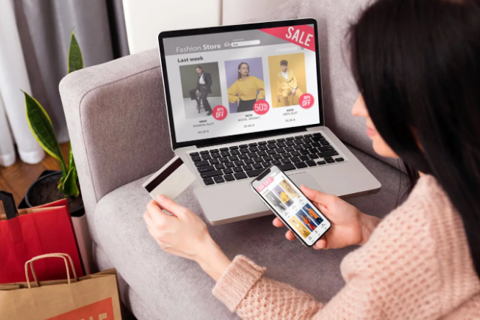
What we share isn't just seen. It's often stored, analyzed, and reused. Many of the free apps we download every day collect more information than they provide. From translation tools to virtual planners and photo filters, these services track our habits, gather our data, and monetize our behavior. The price we pay isn't money but information.
This problem cuts across generations. My nearly 80-year-old grandmother joined a Facebook group for senior discounts. She clicked a link offering free cooking oil and entered her name, phone number, and home address. She thought they needed this information to make a delivery. Days later, her phone rang nonstop with pitches for insurance and miracle health products. She had unwittingly invited a wave of digital intrusion into her life.
According to a 2024 report by the cybersecurity firm Kaspersky, 56% of Vietnamese users have unintentionally shared sensitive data online. This includes personal addresses, banking details, family photos, and even real-time locations. Much of this stems from manipulative platform designs featuring urgent pop-ups, misleading buttons, and permission requests hidden behind seemingly harmless prompts.
Nguyen Thi Thu, a bank clerk in her thirties, once shared a blurred image of her savings account to celebrate reaching a financial milestone. She wanted to inspire others. However, the blur wasn't strong enough. Some numbers were still readable. After posting it, she received messages from strangers. Some congratulated her. Others asked to borrow money. Later, she found herself added to Telegram groups with names like "Crypto Pump Alerts" and "Quick Loan VIP."
Have we forgotten how to keep things private?
In Vietnamese culture, modesty and quiet success are valued. But online, we are encouraged to show off. Social platforms reward exposure. The more you share, the more engagement you get. Yet, the cost of attention can be steep. It can lead to emotional stress and personal risk.
The real damage isn’t always immediate. Sometimes it's the slow anxiety that builds after posting. It's the 2 AM spiral where you wonder if you should delete something. It's the mental loop of imagining who saw it, how they interpreted it, and whether it might come back to haunt you later. No platform warns you about that.
Perhaps it's time to treat social media not as a private journal, but as a glass window facing the street. You can decorate it. You can open it every once in a while. But you must always remember that someone, somewhere, is looking in.
Not all watchers are strangers. Algorithms, bots, and bad actors are getting smarter. Scams no longer come in the form of emails with broken English. They look like real messages from friends. They arrive through trusted apps. They carry logos and offers that seem perfectly normal. Today's risks are disguised as convenience.
To stay safe, we need more than antivirus software. We need awareness, discipline, and the ability to pause before posting. Ask yourself: Is this necessary? Is this safe?"
What you share today might not cost you money, but it could cost you peace. In a world full of noise and watchers, knowing how to protect your privacy may be the wisest thing you do.