Hanoi artisan keeps ancient craft alive
For over four decades, artisan Nguyen Van Ung has dedicated to the centuries-old bronze casting craft of Ngu Xa Village, a community in Hanoi’s Ba Dinh Ward.
THE HANOI TIMES — One afternoon in July, Joshua and Raina, an Indian couple, stood transfixed in a Tran Vu Street showroom before a radiant bronze Buddha statue, serenely seated on a lotus pedestal with downcast eyes and a broad brow symbolizing peace and enlightenment.
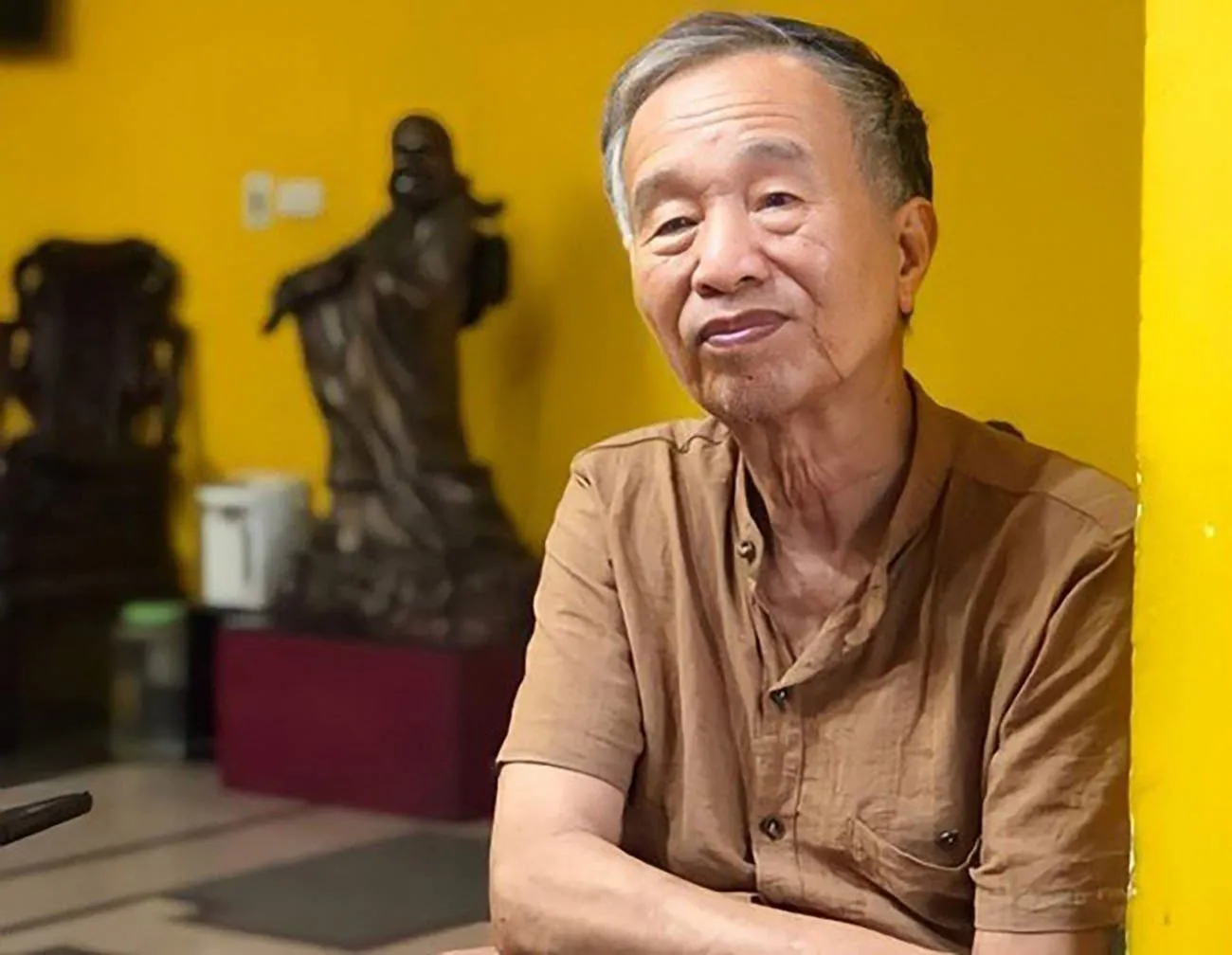
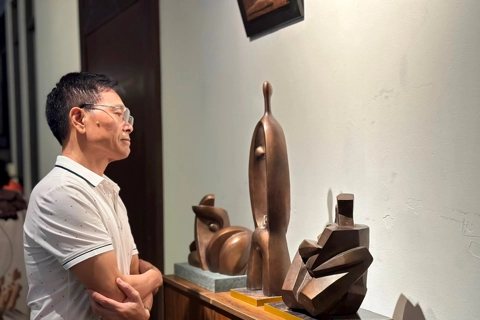
Artisan Nguyen Van Ung from Ngu Xa bronze casting village, Ba Dinh Ward, Hanoi. Photo: Duc Dong Ngu Xa
"This statue is beautiful... soulful," said Joshua. "We want to take it back to India, not just as a souvenir, but as a piece of Vietnam's spirit."
What they admired was not just a sculpture; it was the handiwork of Nguyen Van Ung, a man whose work is a testament to tradition, artistry, and quiet resilience.
Talented hands, timeless traditions
The bronze casting tradition of Ngu Xa Village traces its roots to the 17th century, when the Le Dynasty summoned master metalworkers from across the land. Together, they established a grand workshop near Truc Bach Lake, forging bronze goods for royalty and commoners alike.
At its peak, Ngu Xa was revered as "the capital's premier casting village," standing proudly alongside Bat Trang ceramics, Dinh Cong jewelry, and Yen Thai silk as pillars of Vietnam's artisanal heritage.
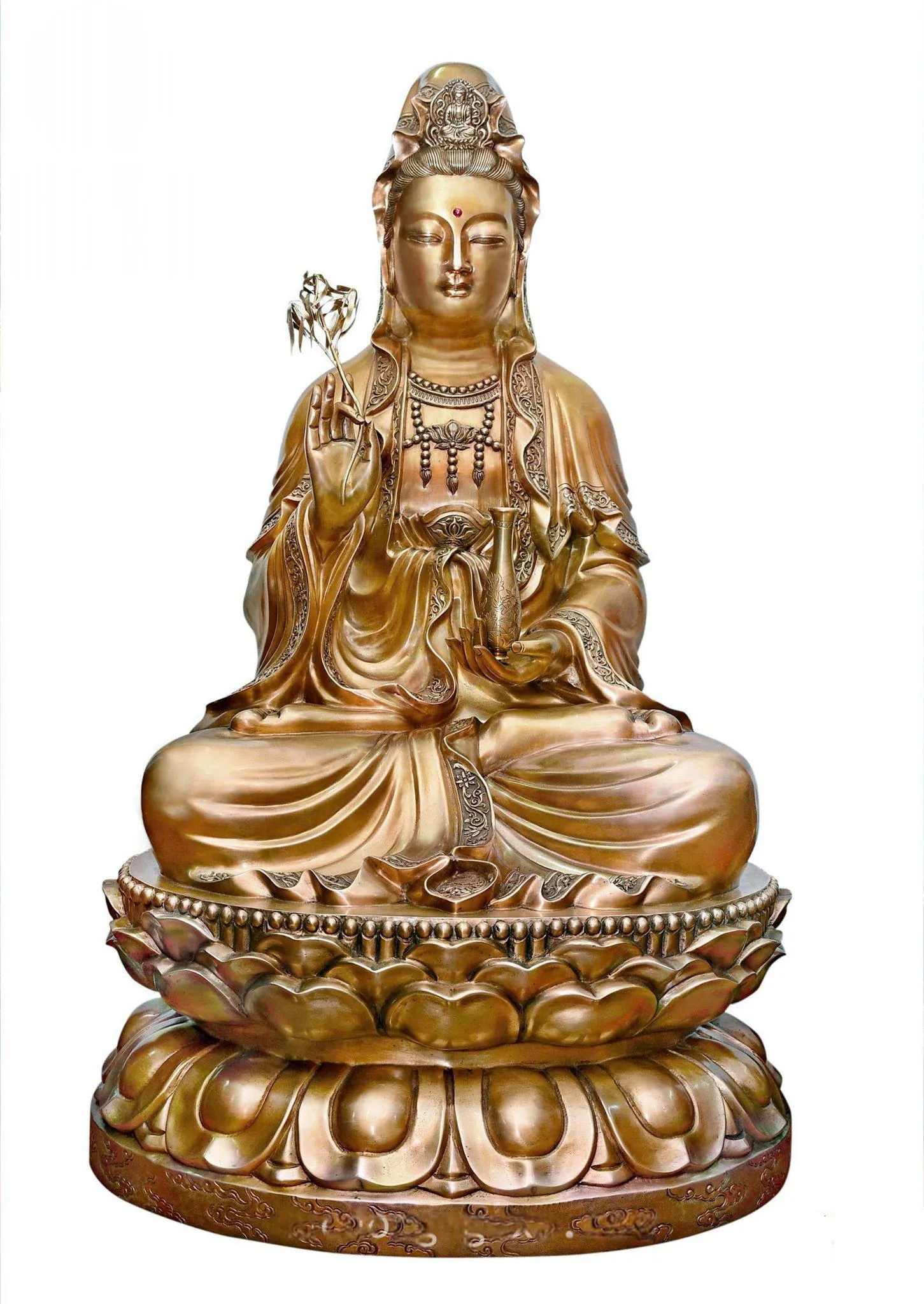
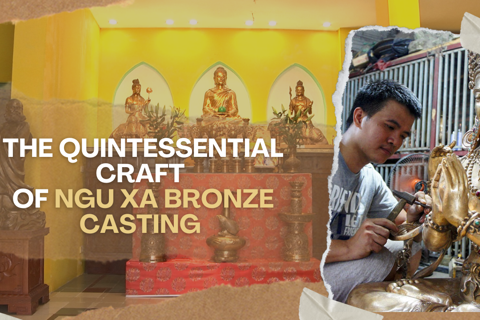
Bronze Buddha statue created by artisans from Ngu Xa bronze casting village in Hanoi.
For Nguyen Van Ung, the clang of metal and glow of kilns shaped his life from youth to post-military service, and despite early struggles making aluminum goods, his love for traditional bronze deepened, fueling his resolve.
"Monolithic casting is our signature," Ung explained, his eyes lighting up with pride. "In our village, the process is still considered a 'family secret,' passed down through generations."
The distinctive features of Ngu Xa bronzeware are attributed to a specialized method that yields seamless and elegant forms, reflecting both technical mastery and cultural depth. For large-scale works, it becomes a stage upon which true artisanship shines.
Teaching with fire and faith
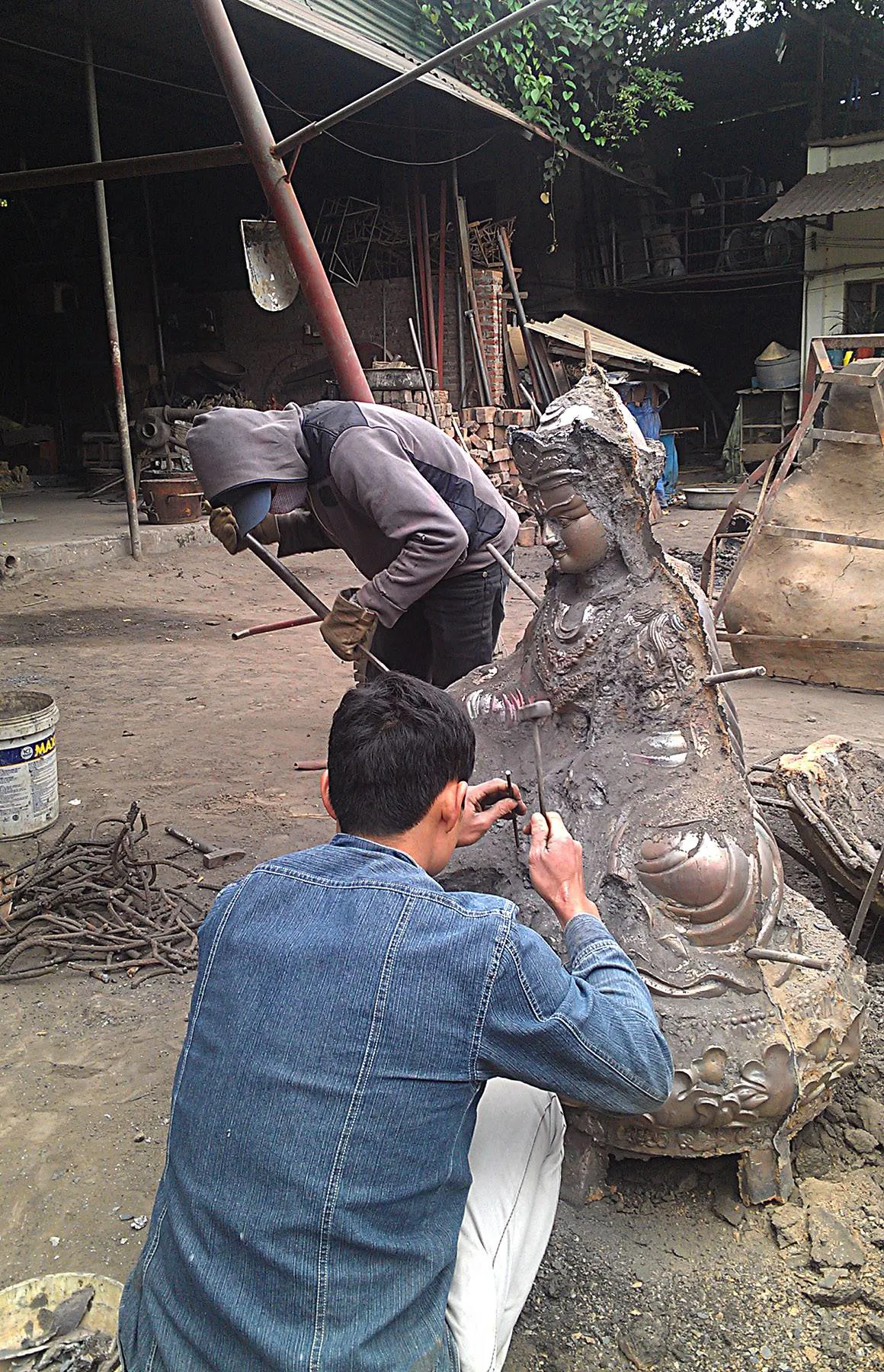
Young artisans from Ngu Xa bronze casting village
Creating a single bronze piece is a painstaking journey through five stages: shaping the model, making the mold, alloying the metal, pouring the metal, and finishing. Each step is a delicate dance of tradition and technique.
"To do this right, you need more than talent, but years of training, an understanding of alloys, and the ability to perfect proportions and sculpt models with care and make flawless molds. Even one small crack or uneven edge can ruin the whole piece," Ung said.
During casting, the artisan carefully controls both heat and timing. "Bronze doesn't forgive mistakes," he added with a knowing smile.
Ung’s works now grace some of Vietnam’s most revered landmarks. He sculpted the massive Fellow Soldiers monument in the Truong Son Martyrs’ Cemetery, as well as statues of Ly Dynasty kings and the legendary teacher Chu Van An at Hanoi’s Temple of Literature.
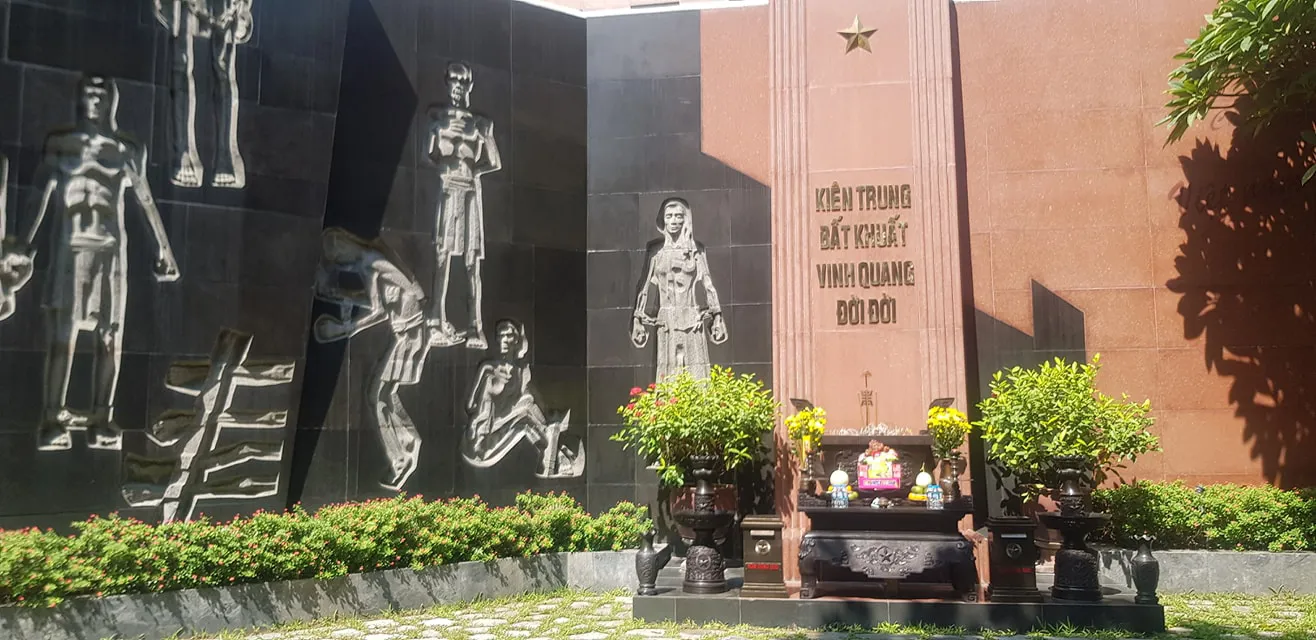
Products of Ngu Xa bronze casting village at Hoa Lo Prison Relic, Cua Nam Ward, Hanoi
His workshop, Duc Dong Ngu Xa, has cast hundreds of temple bells and over 100 statues of President Ho Chi Minh and other leaders, and though Ung has shaped metal for decades, his greatest ambition now is to shape minds by passing on his knowledge to the next generation, especially his children.
“They’ve inherited the old techniques,” Ung said. "But they also understand today's world, what modern customers want, and how art is evolving."
Understanding their father's dedication and enthusiasm, his children followed in his footsteps, becoming young artisans who inherited both techniques and responsibility, combining traditional methods with modern improvements to create exquisite products that satisfy consumer tastes and introduce Ngu Xa bronzeware to a broader audience as collectible art and high-end décor.
Every Ngu Xa creation tells a story of not only gods and kings but also Vietnamese perseverance, artistry, and soul. These pieces are more than metal; they are vessels of heritage, glowing softly with the warmth of a living tradition.