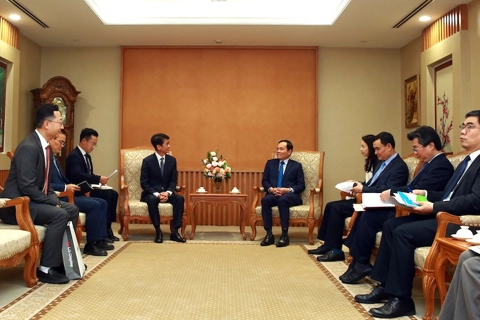
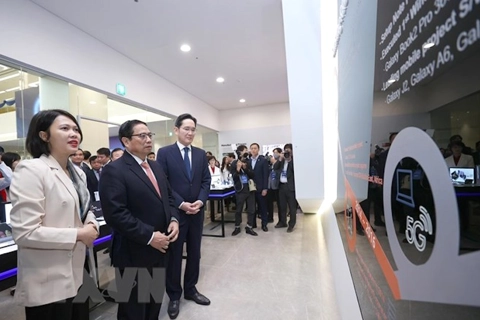
Hanoi backs Samsung expansion to deepen high-tech investment and talent development
As Hanoi accelerates its push toward a digital and innovation-driven economy, city leaderships are strengthening partnerships with global technology firms, viewing Samsung as a strategic anchor for high-value growth and human capital development.
THE HANOI TIMES — Hanoi will create favorable conditions for Samsung Vietnam to expand its operations and cooperation and driving the city's sustainable growth, Chairman of the municipal People’s Committee Vu Dai Thang said on January 13.
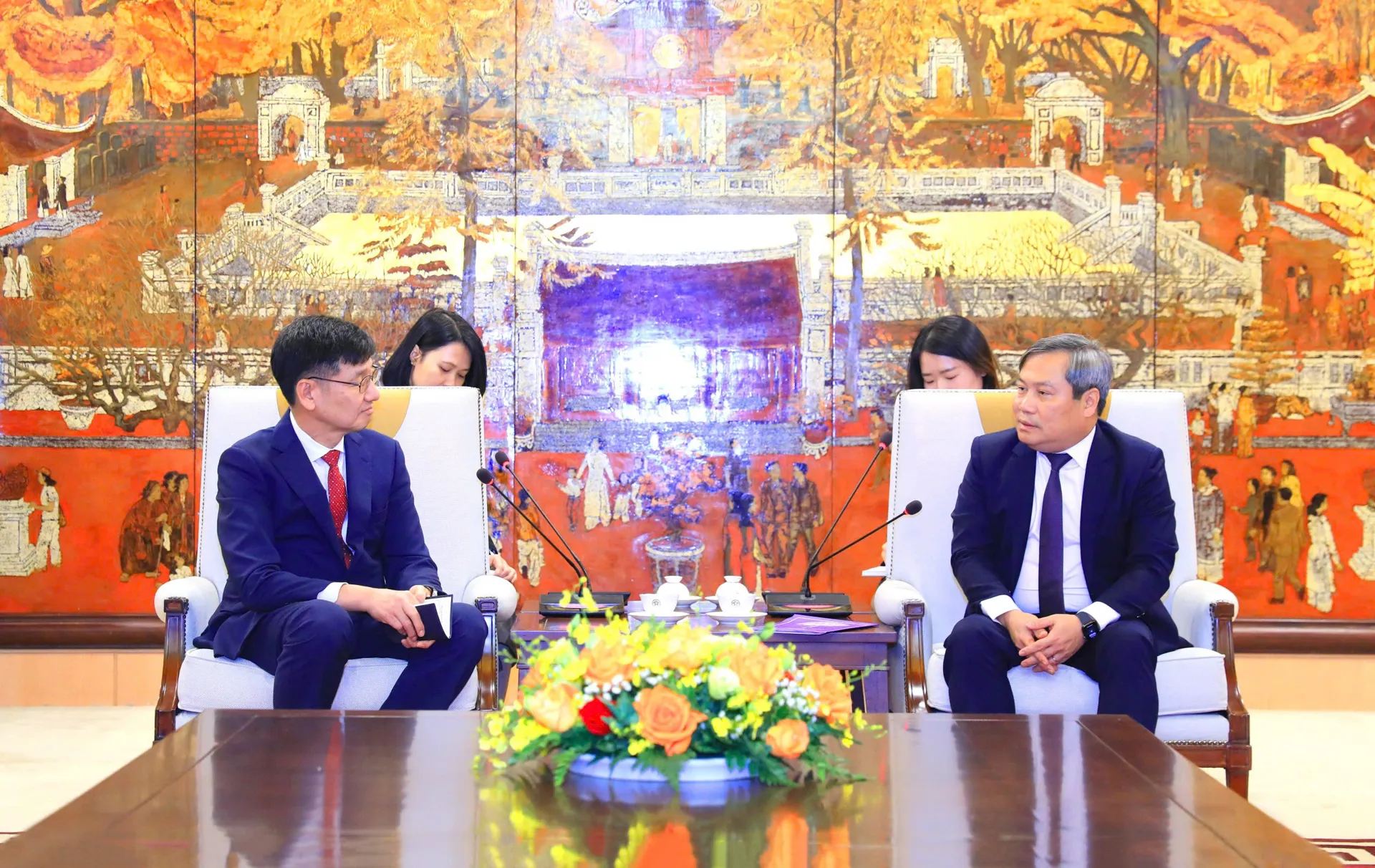
Chairman of the Hanoi People’s Committee Vu Dai Thang (right) meets with Samsung Vietnam CEO Na Hong Ki on January 13. Photos: The Hanoi Times
At a meeting with Samsung Vietnam CEO Na Hong Ki, Thang praised the group’s sustained contributions to Hanoi’s economic growth and digital transformation, highlighting the broader impact of South Korean investment in the capital.
He welcomed Samsung’s expanding footprint in Hanoi, noting that the group’s production projects and community initiatives have become important drivers of local socio-economic development.
Samsung entered Vietnam in 2008 with its first mobile phone manufacturing plant in Bac Ninh Province. Since then, the South Korean technology group has built six production facilities, one research and development (R&D) center, and one sales entity across Bac Ninh, Thai Nguyen, Hanoi, and Ho Chi Minh City.
The group’s US$220 million R&D center in Hanoi, which began operations in December 2022, employs about 2,600 people. Vietnamese engineers account for nearly the entire workforce, with only 10 South Korean staff.
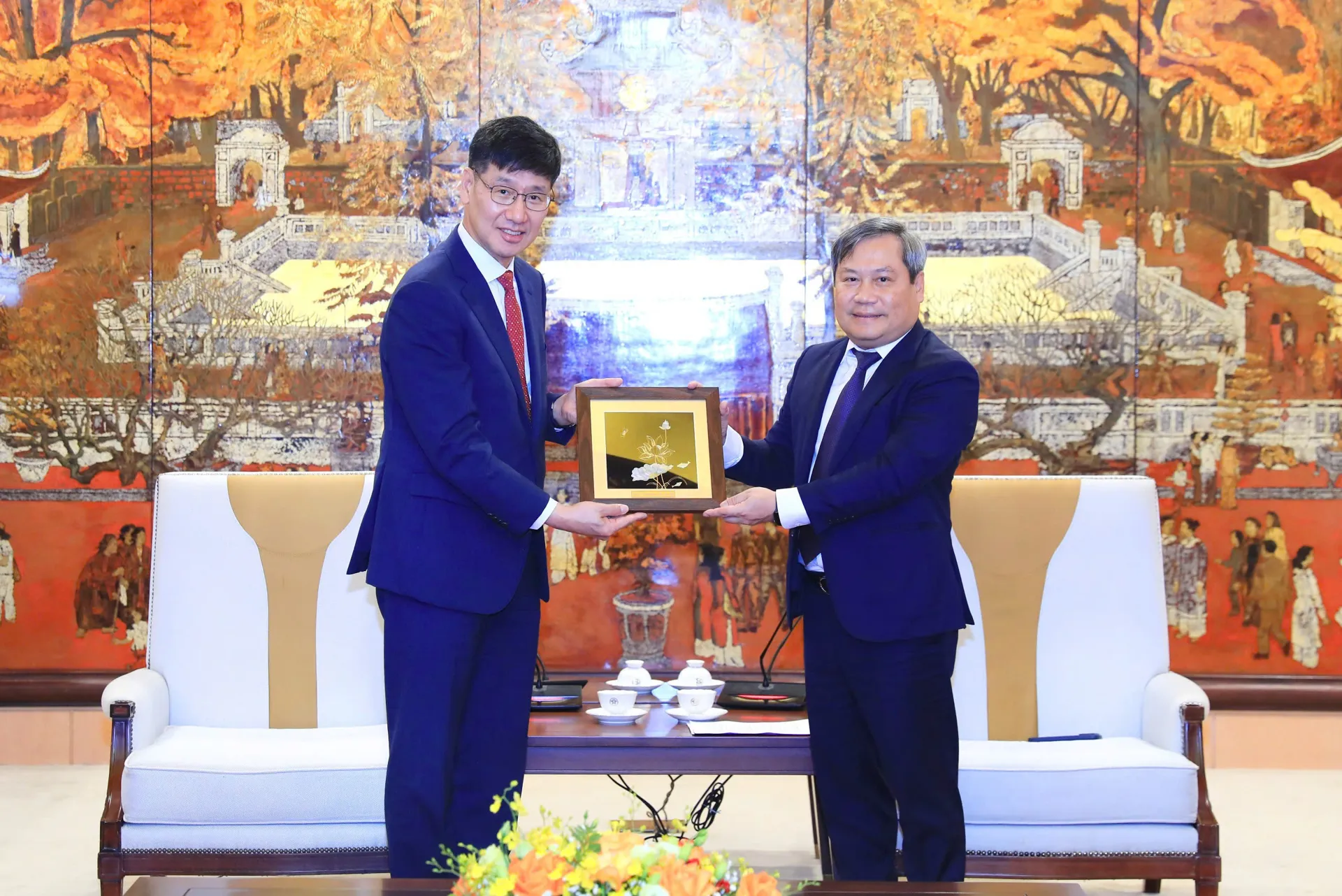
Chairman of the Hanoi People’s Committee Vu Dai Thang (right) gives souvenir gift to Samsung Vietnam CEO Na Hong Ki on January 13.
“These activities contribute directly to Hanoi’s socio-economic development and digital transformation,” Thang said, welcoming Samsung’s future plans in the capital.
For his part, Na Hong Ki said Samsung aims to build on its operational strengths while expanding its role in training and developing high-quality human resources for Vietnam.
He stressed that workforce development remains a core priority, particularly through programs that nurture future technology talent.
Referring to the workforce at the Hanoi R&D center, Na said the strong presence of Vietnamese engineers reflects the central role of local talent in Samsung’s long-term strategy.
He also thanked Hanoi authorities for their continued support and outlined several upcoming training initiatives, including the Samsung Talent Program, which links universities with businesses, and the Samsung Science & Technology Membership, which supports outstanding students from specialized science and technology high schools.
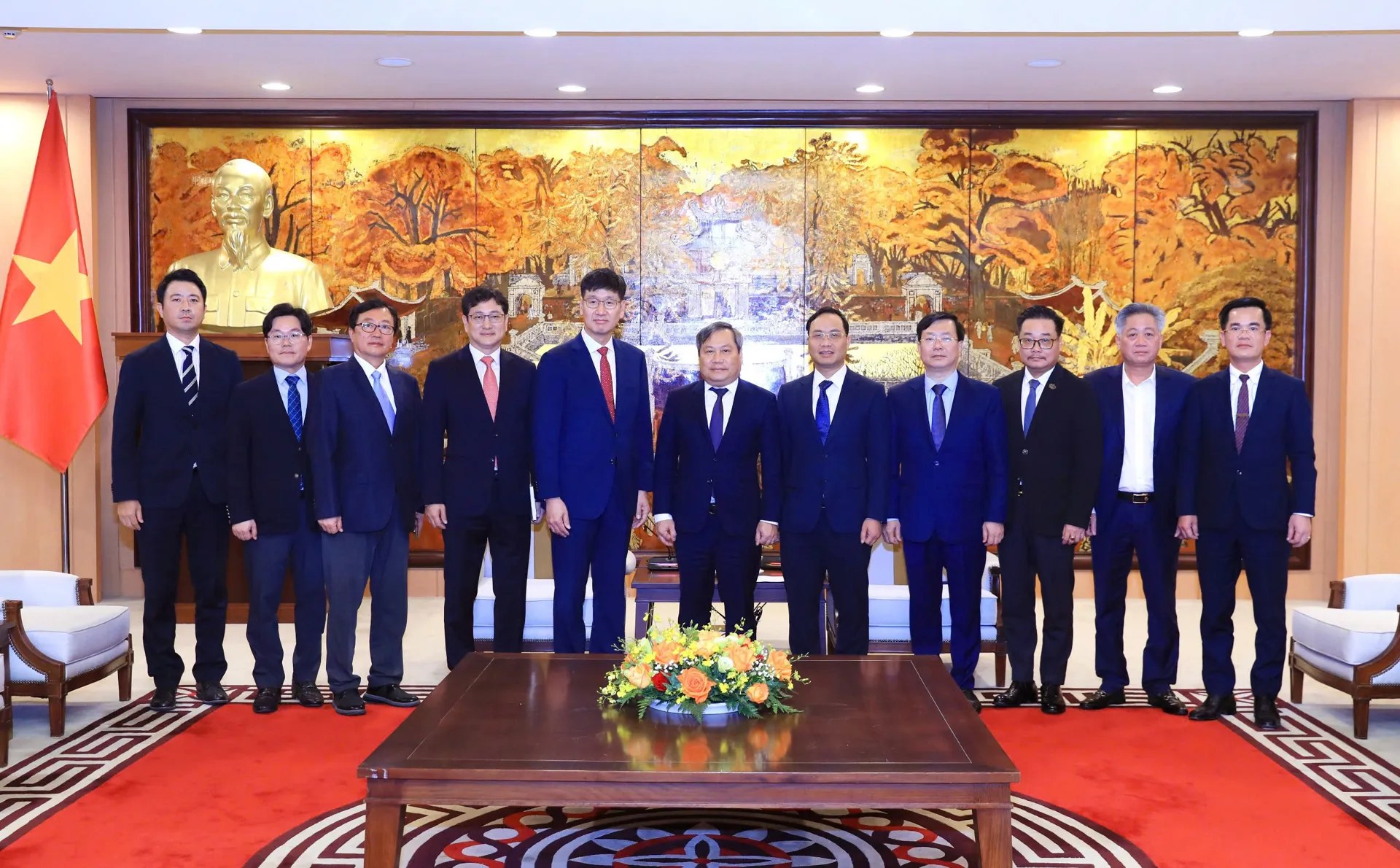
Representatives from Samsung Vietnam and Hanoi goverment join a group photo after the meeting.
In response, Thang said Samsung’s proposals for future cooperation align closely with Hanoi’s development priorities, underscoring the importance of sustained dialogue to translate shared potential into concrete outcomes.
Hanoi is implementing Resolution 57-NQ/TW, which promotes research and development alongside science and technology enterprises, he said, reaffirming the city’s commitment to providing strong institutional support for Samsung’s upcoming projects.
Thang expressed confidence that the group would expand further into high-potential areas where Vietnam and South Korea share strengths.
“Cooperation with major corporations such as Samsung strengthens ties between Hanoi and Seoul and deepens bilateral relations between the two countries,” he said.
He added that Hanoi is keen to learn from Seoul’s experience in applying advanced technology to smart and sustainable urban management.