Hanoi eyes effective cooperation with neighboring provinces in Ring road No.4 project
Once completed, the project will bolster connectivity between Hanoi and the northern provinces in the Hanoi Capital Region.
Hanoi considers effective cooperation with neighboring cities/provinces key to ensuring the speedy construction of the Ring-road No.4 project, with an estimated total investment capital of VND85.8 trillion (US$3.7 billion).
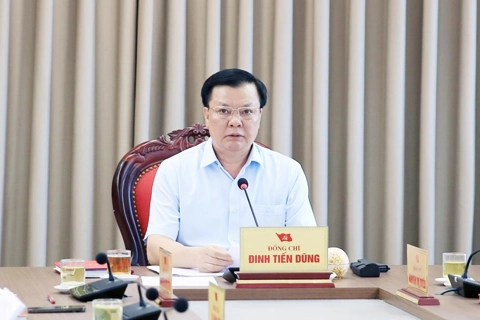
| Secretary of the Hanoi Party Committee Dinh Tien Dung. Photos: Pham Cong |
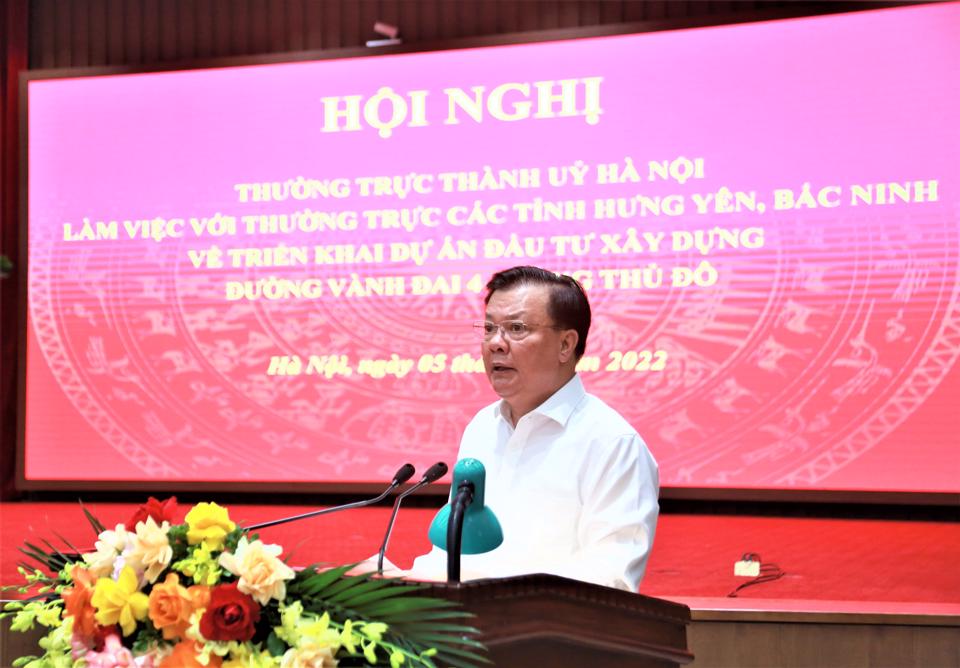
Secretary of the Hanoi Party Committee Dinh Tien Dung stressed the combined efforts during a meeting with leaders of Hung Yen and Bac Ninh Province on the plan for Ring-road No.4 construction today [August 5].
Ring road No.4 with a total length of 112.8 kilometers and covering a combined area of 1,341 hectares, would run through Hanoi (58.2 kilometers), Hung Yen (19.3 kilometers), and Bac Ninh (25.6 kilometers). Once completed, the project is expected to bolster provincial connectivity between Hanoi and the northern provinces in the capital area.
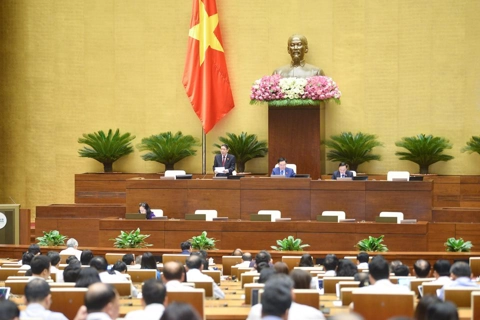
According to Dung, right after the National Assembly approved a resolution on the construction of the project in mid-June, Hanoi’s authorities set up a Steering Committee led by the city’s Party chief himself to implement the project which is slated for completion in 2027.
In this regard, Dung stressed the necessity to have a regional Steering Committee responsible for Ring road No.4 to ensure close cooperation among the three provinces/cities of Hanoi, Hung Yen, and Bac Ninh.
“The project is significant not only for each province, city but also the whole Hanoi Capital Region,” Dung noted, saying he expects close cooperation between the three provinces/cities for the success of the project.
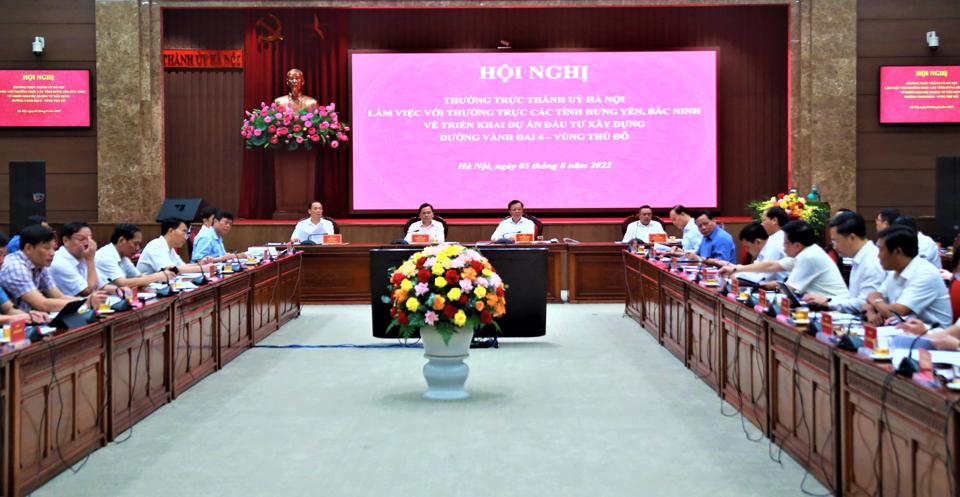
| Overview of the meeting. |
Inter-provincial linkage lays the foundation for the development
At the meeting, Director of Hanoi’s Department of Transport Vu Van Vien said smooth transport linkage among provinces/cities would lay the foundation for development.
“Cities such as Haiphong and provinces like Quang Ninh, or Bac Ninh are having advantages for rapid and sustainable development, thanks to their transport connectivity with Hanoi,” Vien said.
Vien added in previous transport projects, there was a lack of cooperation among provinces/cities which led to inconsistency in transport connectivity.
“Ring road No.4 is the first inter-provincial transport project having a new cooperation mechanism among provinces/cities,” he added.
| Chairman of the Hanoi People's Committee Tran Sy Thanh. |

Meanwhile, Vice Chairman of Bac Ninh Province People’s Committee Ngo Tan Phuong noted that given the huge work volume ahead, the locality is committed to closely working with Hanoi to ensure the progress as scheduled.
Secretary of the Bac Ninh Province Party Committee Nguyen Anh Tuan called for flexibility in the project’s cost estimate amid rising prices of construction materials, as the issue may cause a delay in the implementation phase.
Chairman of the Hanoi People’s Committee Tran Sy Thanh said the site clearance process for the project is set to be 70% complete by June 2023 and 100% by December.
“Once the cleared site is handed over to contractors, the construction may take around 36 months,” Thanh said.
Thanh warned any delay during the site clearance process may impact the whole project, and called for special mechanisms to ensure effective implementation.
The Ring road No.4 project is set to be divided into seven sub-components, for which both the construction and site clearance phases are conducted separately by the provincial/city authorities with finance from the combination of public investment and public-private partnership (PPP). The total investment cost of the project is VND85.8 trillion ($3.7 billion), with VND41.8 trillion ($1.8 billion) for the 2021-2025 period sourced from the state budget. Of the total, Hanoi would contribute VND22.47 trillion ($967.2 million) from its local budget, Hung Yen VND1 trillion ($43 million), and Bac Ninh VND2 trillion ($86 million). In the subsequent five years, the project funding would continue to be allocated VND14.5 trillion ($624.2 million), with Hanoi contributing VND4 trillion ($172 million), Hung Yen VND505 billion ($21.7 million), and Bac Ninh VND1.16 trillion ($50 million). The private sector, meanwhile, is expected to fund VND29.4 trillion ($1.26 billion). |