Hanoi has great potential to develop festival tourism: Expert
Local expert stressed the need to maximize Hanoi's festival-based cultural industry for sustainable tourism.
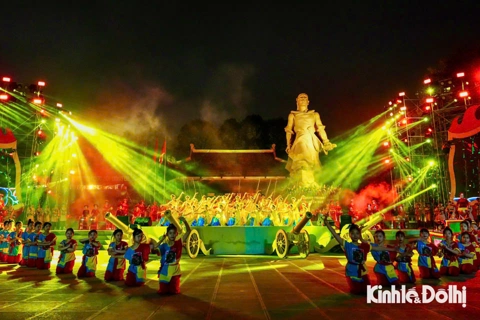
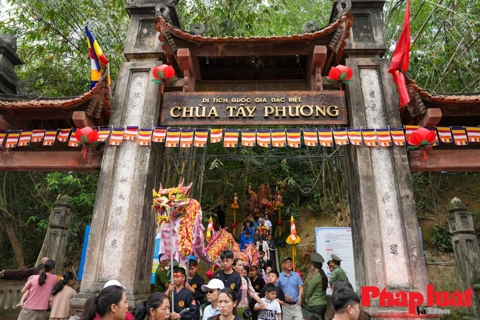
The Hanoi Times — There are presently around 1,500 festivals in Hanoi, the majority of which take place early in the year and attract a large number of visitors, creating a lively and exhilarating scene during the festival season this year.
On this occasion, Duong Van Sau, Lecturer at Hanoi University of Culture, talks to The Hanoi Times about the potential for developing festival tourism in Hanoi.
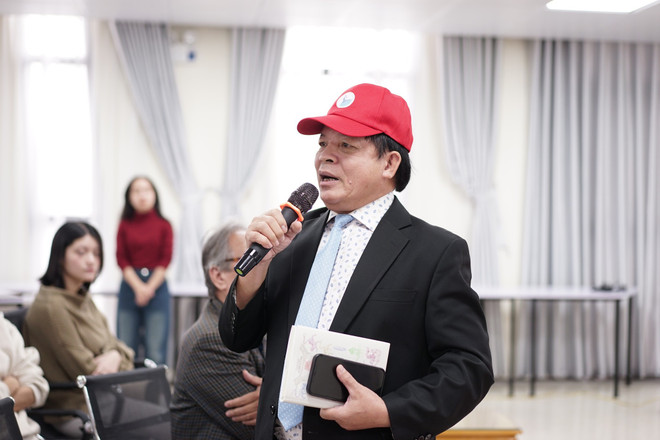
Duong Van Sau, a lecturer at Hanoi University of Culture. Photo: Ngo Minh/The Hanoi Times
What do you think about the potential for the development of festival tourism and for the capital city?
A festival is a form of community cultural activity that takes place in a residential area at a certain time and place; to commemorate an event, historical figure or legend closely related to the local community; at the same time, it is an opportunity to express the cultural behavior of people in their relationship with nature and society.
According to preliminary statistics, there are currently 1,500 festivals held in the capital with different scales, characteristics, and spaces.
Festival tourism is one of the main types of heritage tourism and cultural tourism in Vietnam and is one of the unique types of tourism that attracts the largest number of tourists at the beginning of the year.
While some festivals in the capital today attract large numbers of visitors, some are no longer suitable for civilized life. What is your opinion about this?
Traditional festivals carry the unique cultural identity of each locality. However, the influence of festivals has moved beyond a locality to regional, national, and international levels. Many traditional customs are no longer appropriate for an increasingly large community of participants.
In my opinion, it is not only imperative to preserve and respect indigenous traditions, but also to exchange and integrate them with the evolution of society.
Some rituals and customs that are considered sacred and unique to a festival in a particular place suddenly become violent, offensive, and inappropriate in the eyes of festivalgoers.
Thus, it is necessary to conduct specific research on each case and make appropriate adjustments to both preserve the heritage and ensure the civility of the festival in the integration process. Secret rituals and customs must be practiced in sacred spaces reserved for the local representative community.
Meanwhile, in the festival with the participation of a large number of tourists, the organizing committee can change the form of expression from reality to symbolism to maintain the rituals in a good way.
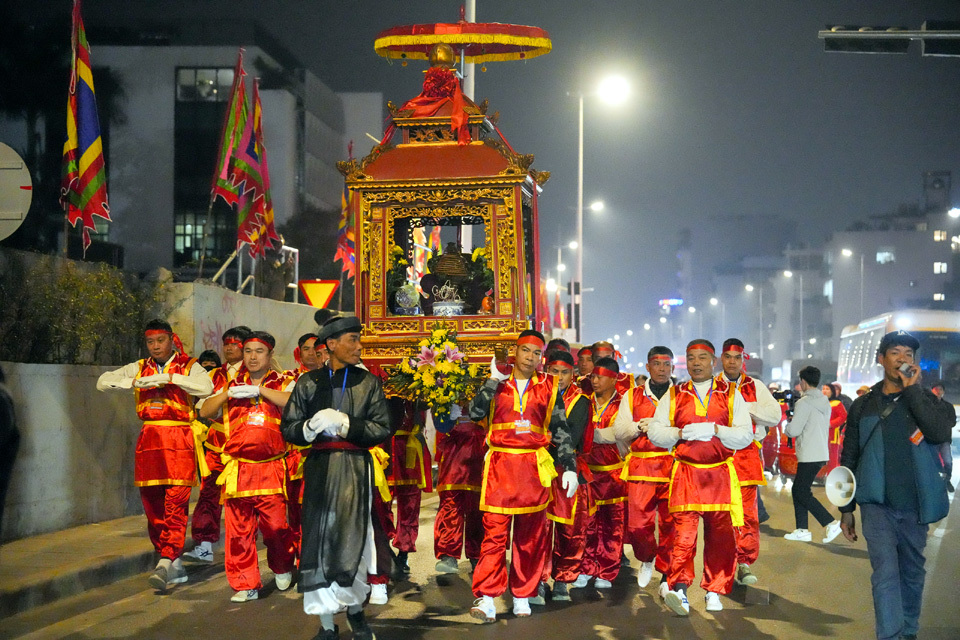
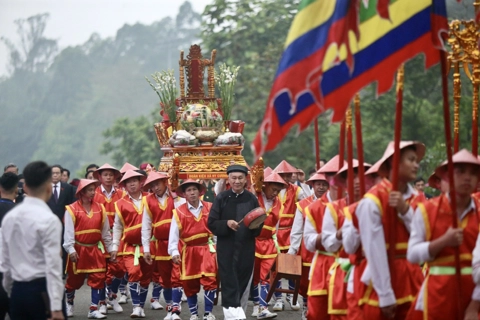
Traditional festivals carry the unique cultural identity of each place. Photo: Khanh Huy/The Hanoi Times
At crowded festivals, there are sporadic instances of overcharging and poor quality of service. What are solutions to strengthen the management of service facilities?
Nowadays, festivals have developed on a large scale, involving companies and organizations that provide services to tourists. This development sometimes leads to the social evils we are facing.
To solve this situation, we need synchronous solutions, including significant investment in infrastructure and appropriate services with strict control; inter-agency actions among the culture management agencies, security, and environmental protection; and spreading information to raise awareness about cultured and civilized behaviors in festivals. In addition, it is necessary to strengthen the inspection, examination, synchronous management, and timely correction of violations.
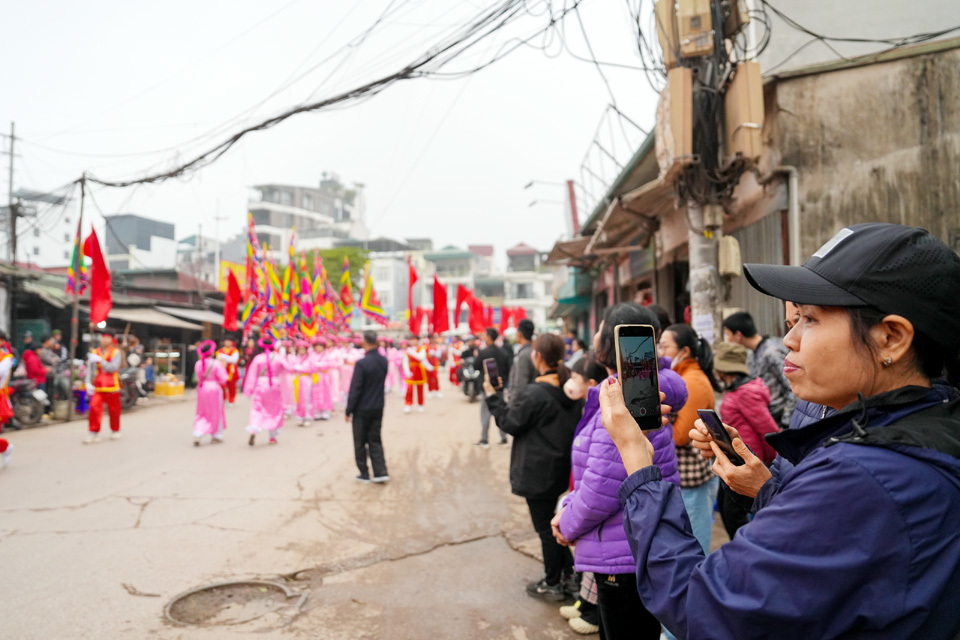
Festivals normally attract a large number of visitors. Photo: Khanh Huy/The Hanoi Times
In addition to the ceremony, festivals help promote the cultural industry through performing arts, entertainment, and culinary activities. What should be done to develop the cultural industry through festivals?
A festival consists of two parts, namely ceremony and festivity, which demonstrates the behavior of people toward the gods and toward each other in the space and time of the festival.
The festival brings legitimate and legal benefits to the individuals and organizations involved. Based on the research and evaluation of the unique and special values contained in festivals, it is necessary to research the market, evaluate the organizational capacity and develop services of individuals and organizations in the field of festivals. In this regard, it is possible to establish the framework for infrastructure investment to design and develop a variety of services distinctively and appropriately, satisfying the needs of visitors while adhering to established laws and being courteous and civilized.
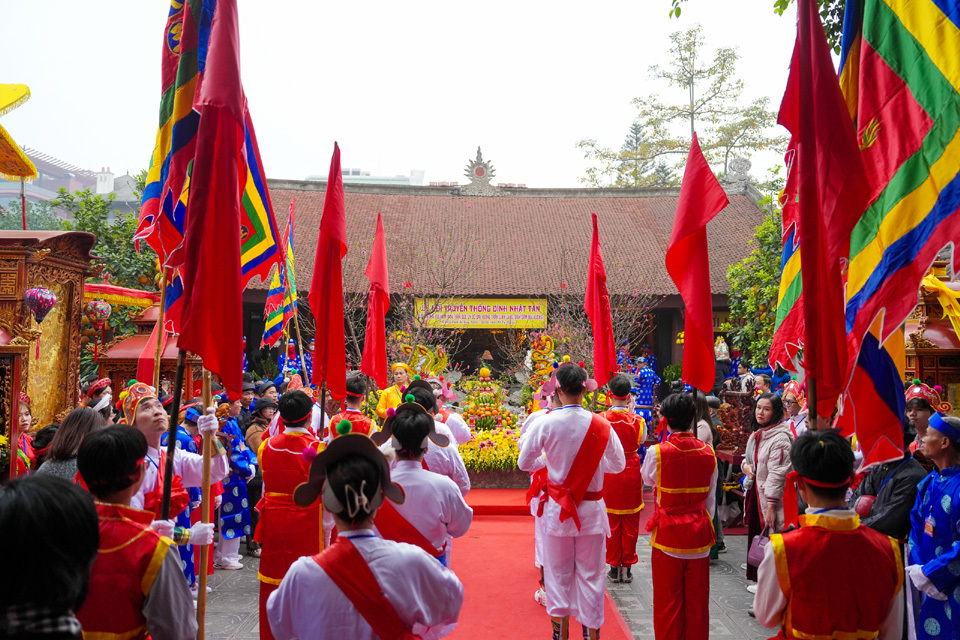
A spring festival in Hanoi. Photo: Khanh Huy/The Hanoi Times
Recently, Hanoi has organized large-scale festivals such as the Ao Dai (traditional long dress) Festival and the Tourism Gift Festival. How do you evaluate their effectiveness?
We are familiar with the concept of festival tourism, including bringing tourists to participate in traditional festivals. The festivals you mentioned can be called by a new term, tourism festival. It is a modern festival developed based on tradition, using the values of national culture to attract tourists. This is an inevitable trend in the current development process.
Tourism festivals often take place in urban centers, capitals, and big cities, where cultural exchange with the world is fast and synchronous. Therefore, this is one of the products of Vietnam's tourism industry in the integration period, so we must find a way to develop it. However, it is necessary to avoid excessive use without achieving the desired results.
Thank you very much!