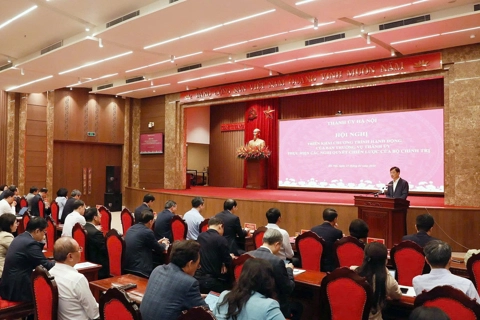
Hanoi launches first mobile public service truck to reach rural residents
The model aims to promote digital transformation, reduce paperwork and improve service accessibility across the city.
THE HANOI TIMES — Hanoi authorities today (October 14) deployed the first mobile public service installed on a truck in Doi Dung Hamlet of My Duc Commune, aiming to bring public administrative services closer to citizens, especially those in outlying and rural areas.
The mobile service targets areas with high demand but limited access to online public services, including new urban zones, residential complexes and large shopping centers that lack local administrative offices.
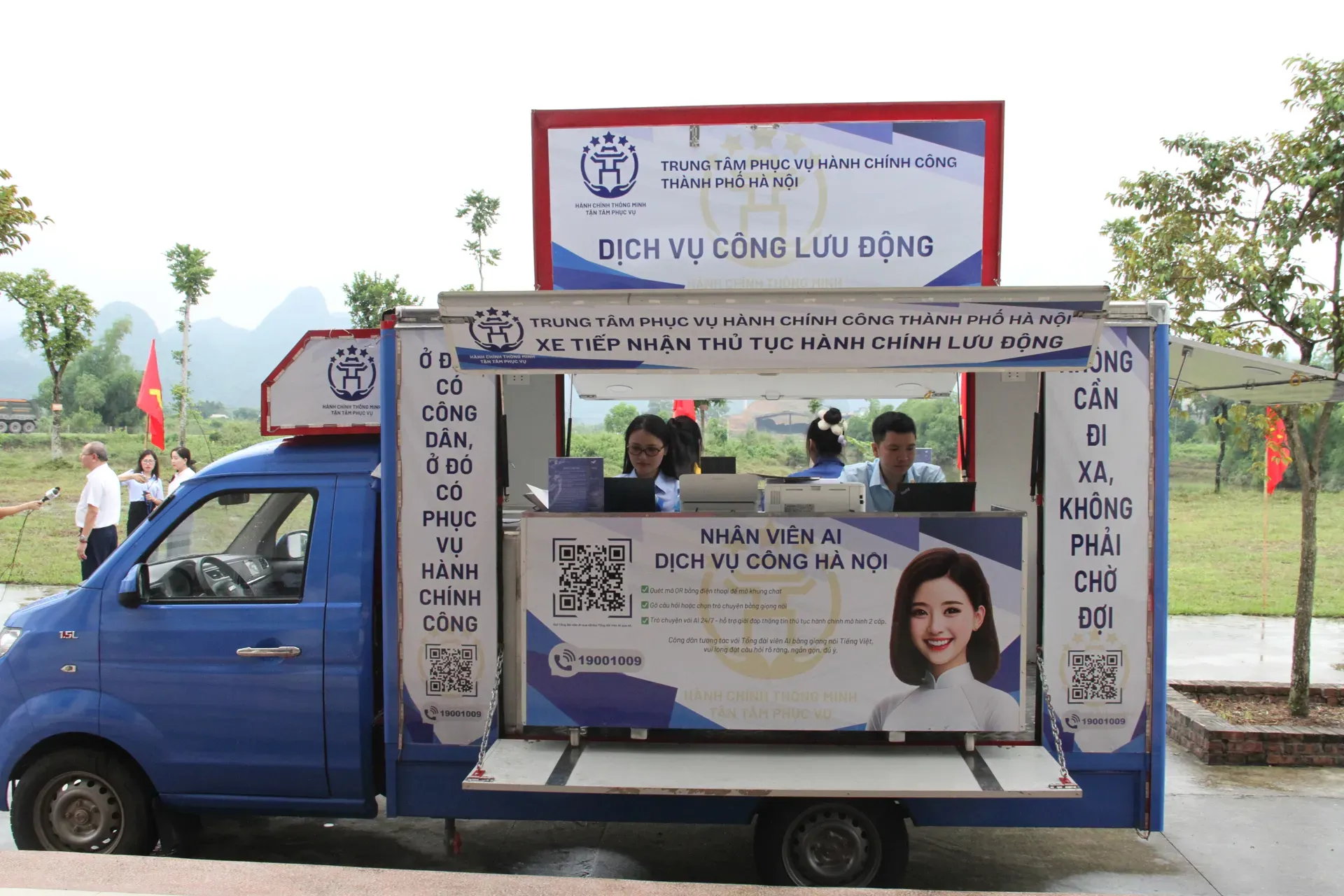
The truck is installed with modern technology, enabling residents to submit, process and receive guidance on administrative documents directly on-site. Photo: Bien Pham/The Hanoi Times
Equipped with modern technology, the truck enables residents to submit, process and receive guidance on administrative documents directly on-site, offering support with essential procedures in civil status, land, finance, labor and social affairs. It also assists with record digitization, online payments and postal delivery registration.
Citizens also receive free legal advice, digital literacy training and help registering for VNeID electronic identification and digital signatures, contributing to local digital transformation.
The mobile public service vehicles will operate regularly, with one to two trips per week, flexibly serving schools, markets and local community houses to make it easier for residents across the city to access administrative services.
Schedules will be announced at least three days in advance through loudspeakers, local portals, social media and community notice boards to ensure residents are informed and can participate actively.
In Doi Dung Hamlet, the mobile service truck operated from 8 AM to 4:30 PM. Residents Le Thi Hau and Nguyen Thi Nhien were pleased with the quick and convenient service.
Both agreed that the model shortens the gap between authorities and citizens, reduces pressure on local administrative offices, increases online application rates and supports the goal of a “paperless – cashless – waiting-free” administration.
“I’m very happy that the Hanoi Public Administrative Service Center and the commune brought this service to our hamlet. We no longer have to travel dozens of kilometers to the commune headquarters. The staff serve us with great care and friendliness,” said Hau.
Nhien added, “We receive services right where we live, from helpful and attentive staff. The best part is we don’t have to travel far or wait long. I hope this model will expand to more communes and wards in the city.”
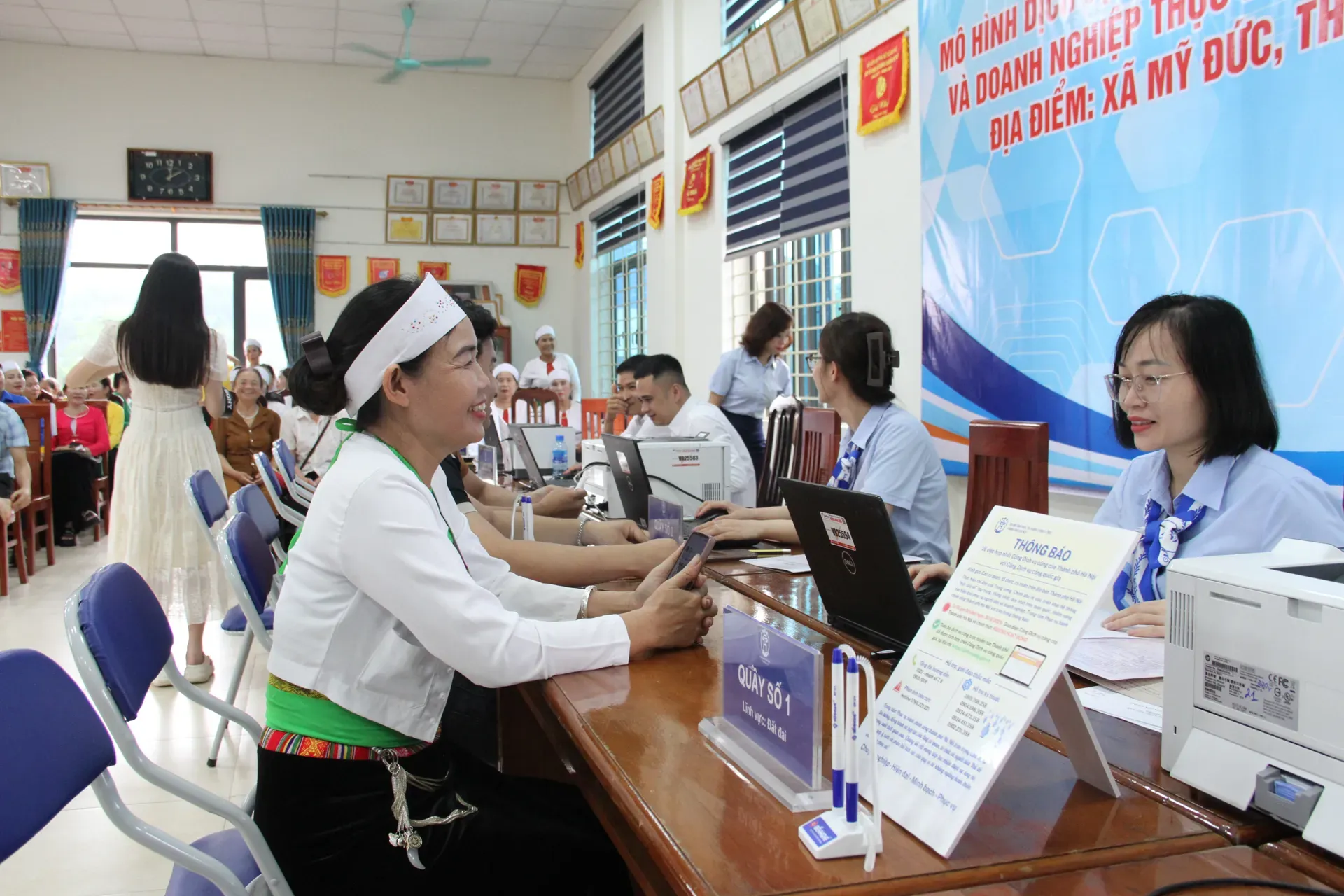
Tran Anh Tuyet, a public service employee of the Hanoi Public Administrative Service Center’s Office No. 10, and her colleagues arrived early on the morning to set up the mobile service at the hamlet’s community house.
She felt touched to see many residents waiting and the local youth union and village leaders preparing the venue.
“At the community house, residents were delighted to complete procedures quickly that once required traveling 20–30 kilometers and waiting for hours,” Tuyet said.
“The mobile public service model offers practical support and shows an open, people-centered administrative mindset in the city’s reform and digital transformation,” she added.
Dang Thi Huong, Director of Office No.10, reported that more than 350 citizens have come for the mobile service, with over 120 documents received and processed on-site in fields such as land, civil status, authentication, social insurance and online service registration.
The staff have helped over 150 residents register and use online public service accounts and guided them in checking results through Hanoi’s public service portal, she said.
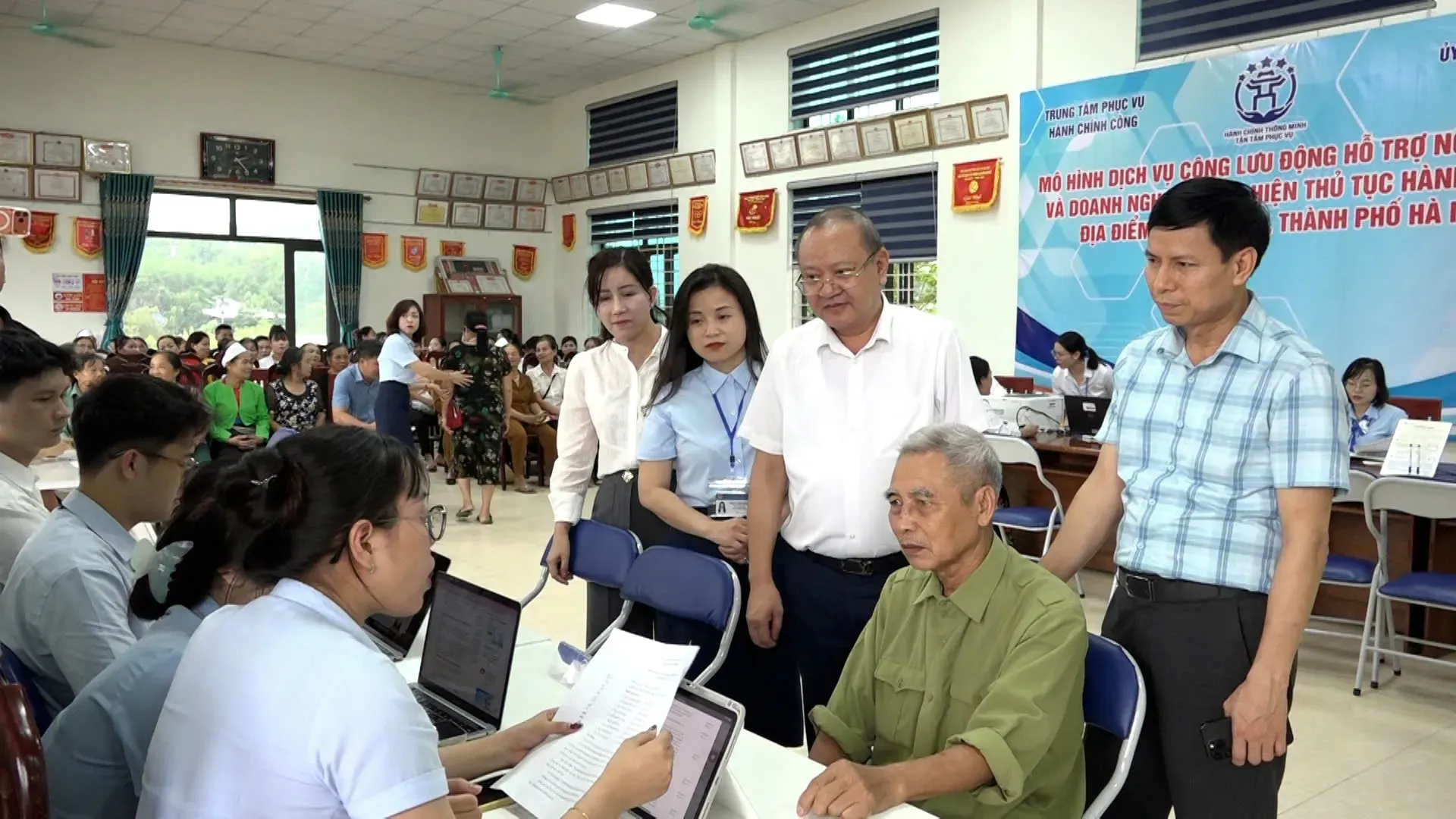
“This is a pioneering model of the capital and the first in the country, marking a major step in bringing administrative services directly to people at the grassroots level,” said Huong.
She added that the center follows the motto “Public satisfaction measures service quality”, ensuring the mobile model remains transparent, effective and citizen-friendly, while promoting the image of a modern, professional and dedicated public administration serving the people.
Hanoi aims for at least 70% of residents in pilot areas to access and learn to use online public services through this model. It also seeks to assist the elderly, people with disabilities, workers, students and those less familiar with digital technology, ensuring at least 30% of served users come from these groups.
The city plans to raise the rate of online applications in these areas by 15%–20% each year, helping reduce dependence on paper records and move toward a fully digital administrative environment.
Authorities expect at least 90% of surveyed residents to express satisfaction after receiving assistance through the mobile model, reinforcing the image of a modern, friendly and people-centered administration.