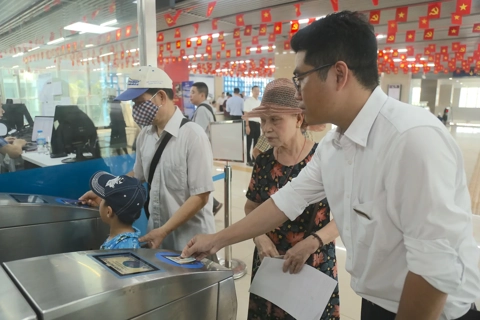
Hanoi launches “Month for the Poor 2025” to mobilize support citywide
Donations will focus on assisting low-income households, the near-poor, orphans, elderly people living alone and patients with serious illnesses.
THE HANOI TIMES — The Vietnam Fatherland Front - Hanoi has issued a plan for the "Month for the Poor 2025", which will run from October 17 to November 18 to mobilize resources to support disadvantaged people across the capital city.
Held in response to the prime minister's "For the Poor - Leave No One Behind" movement, the campaign seeks to encourage organizations, enterprises and philanthropists to contribute to the “Fund for the Poor” and social security activities, helping them overcome hardships and improve their lives.
Under the plan, donations will focus on assisting low-income households, the near-poor, orphans, elderly people living alone and patients with serious illnesses.
Livelihood support will include house construction and repairs, as well as initiatives to build schools in border communes and disadvantaged areas.
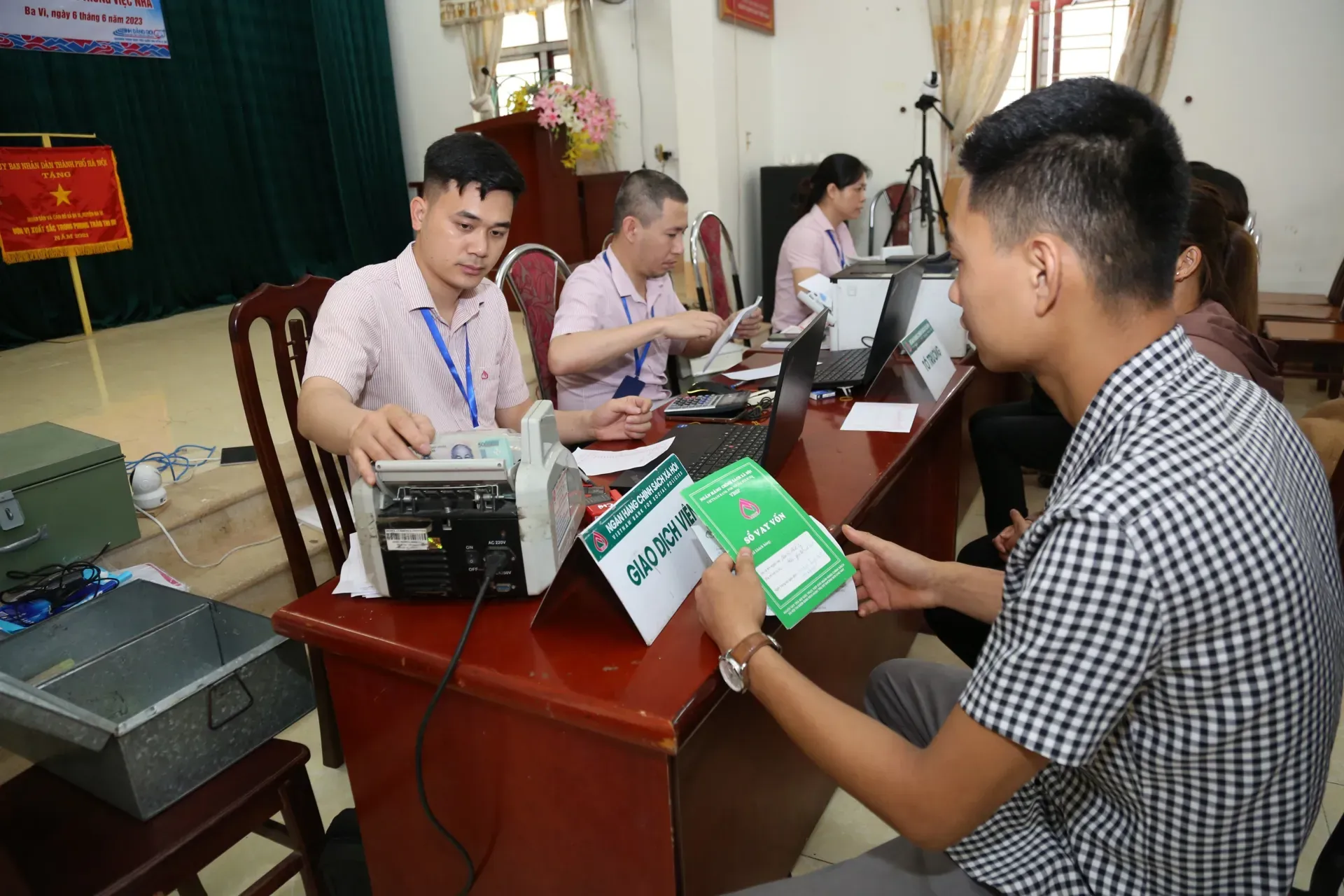
Hanoi supports many poor residents by giving loans for their work to improve their lives. Photo: Thanh Hai/The Hanoi Times
Each civil servant in the city is urged to donate at least one day’s salary. Outstanding organizations, businesses and individuals will be commended for their contributions.
The city-level launching ceremony is slated to take place on October 30. The Vietnam Fatherland Front - Hanoi will coordinate with the municipal People’s Committee to issue appealing letters and publicize results through the media and social networks to ensure transparency.
Nguyen Lan Huong, Chairwoman of the Vietnam Fatherland Front - Hanoi, said that since the beginning of the year, the fronts at all levels in the city have allocated more than VND103 billion (US$4 million) from the fund for the poor in support of building and repairing 1,232 houses.
Responding to the national call to eliminate temporary and dilapidated houses nationwide by late 2025, Hanoi has supported 15 provinces and cities in building 7,140 houses.
Hanoi’s Fund for the Poor has supported production development for thousands of households, provided medical examination and treatment for thousands of people and supported numerous disadvantaged students.
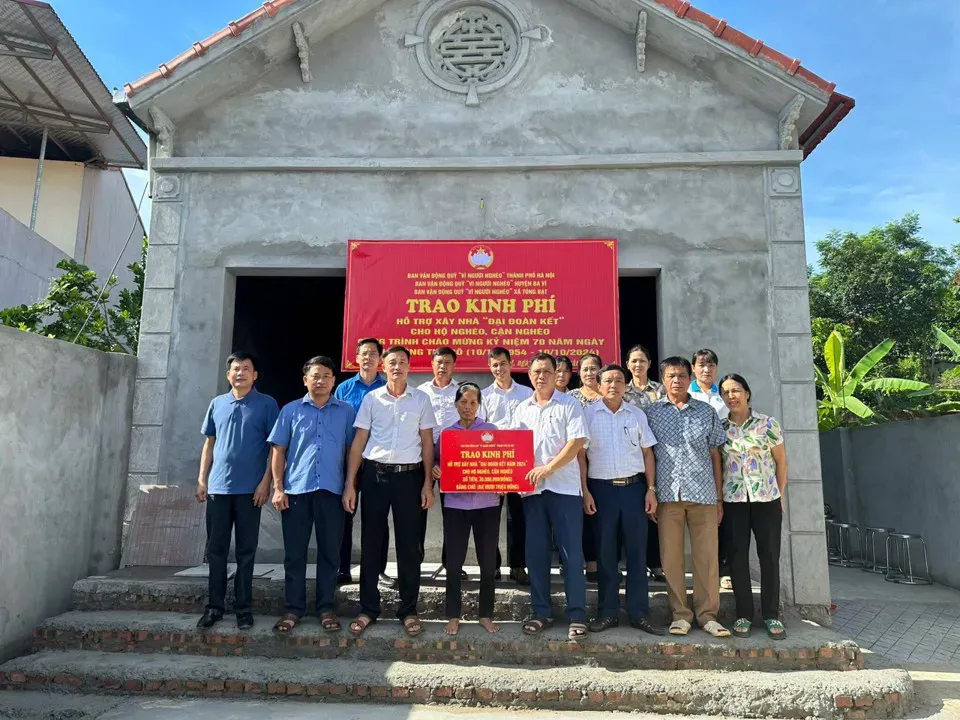
Many poor and near-poor households in Hanoi's suburban district of Ba Vi receive donations to build and repair houses in 2024.
The rate of poor households in Hanoi fell from 0.03% at the end of 2023 to zero by the end of 2024, helping the city meet its poverty reduction target for 2021-2025, one year ahead of schedule, according to the Hanoi Department of Internal Affairs.
By 2024, Hanoi supported 714 poor and near-poor households in building or repairing homes, part of its effort to eliminate all dilapidated housing and ensure safe living conditions for the poor.
The city also continued programs to boost socio-economic development in rural and mountainous districts such as Ba Vi, Thach That and My Duc, while organizing mobile job fairs.
Hanoi accelerated poverty reduction measures, including diversifying livelihoods, supporting business and production, improving nutrition, offering vocational training for stable jobs, raising public awareness and strengthening monitoring of aid programs. All poor households received free electricity.
Priority is given to ethnic minorities and welfare families, with district authorities required to review poverty data regularly to ensure timely support. The Hanoi Fatherland Front Committee oversees the classification of poor and near-poor households to ensure assistance reaches the right beneficiaries.
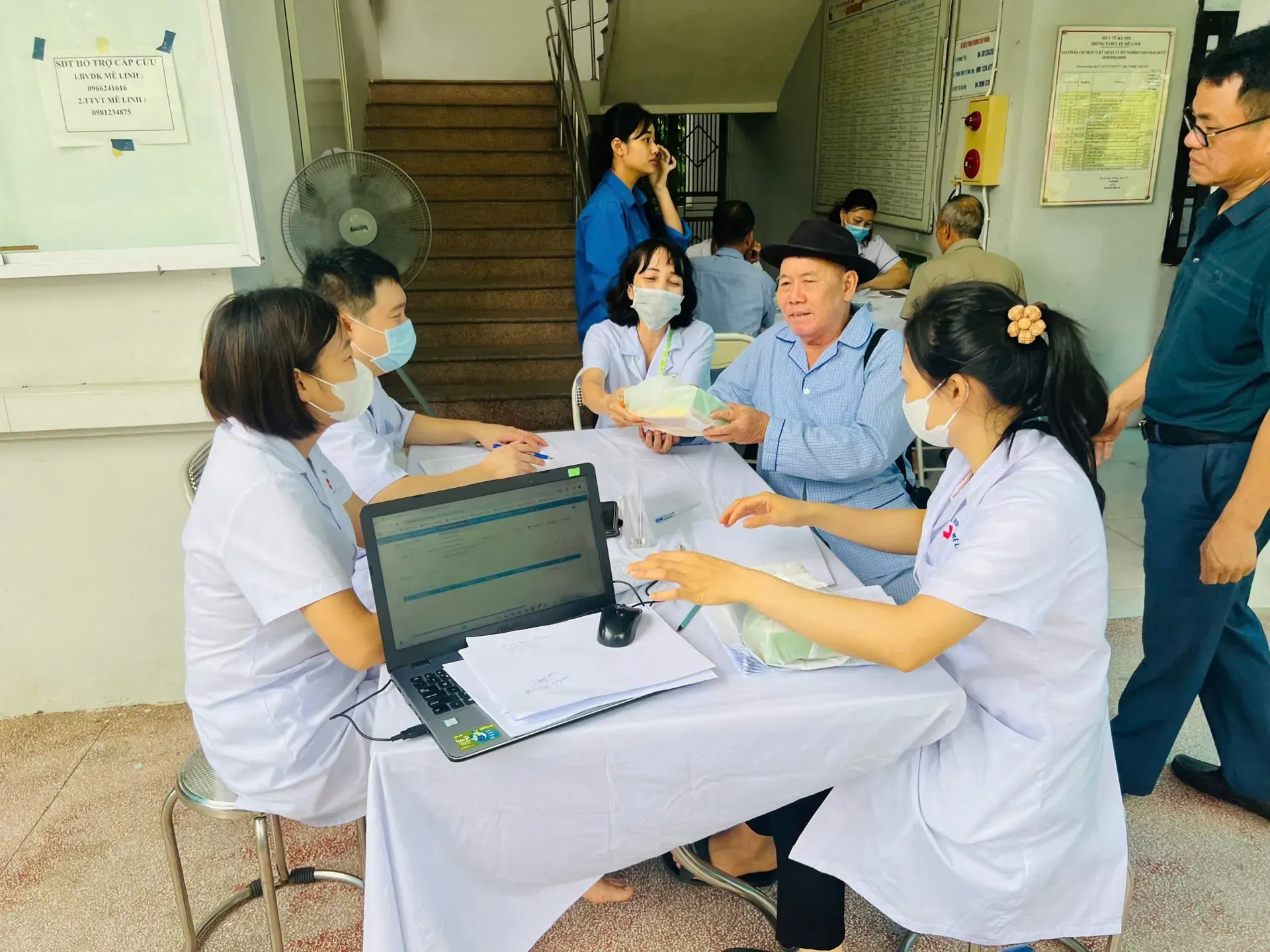
Free health check-ups and care for people in Quang Minh Commune, Hanoi. Photo: Pham Hung/The Hanoi Times