Hanoi leads national effort to seek UNESCO recognition for pho, water puppetry
Hanoi is moving to elevate two defining symbols of Vietnamese culture onto the world stage, leading a nationwide effort to nominate pho and water puppetry for UNESCO intangible heritage status.
THE HANOI TIMES — Hanoi and several localities will prepare and submit dossiers seeking UNESCO recognition for pho and water puppetry as intangible cultural heritages, according to a request issued by the Government Office to ministries and provincial and municipal authorities.
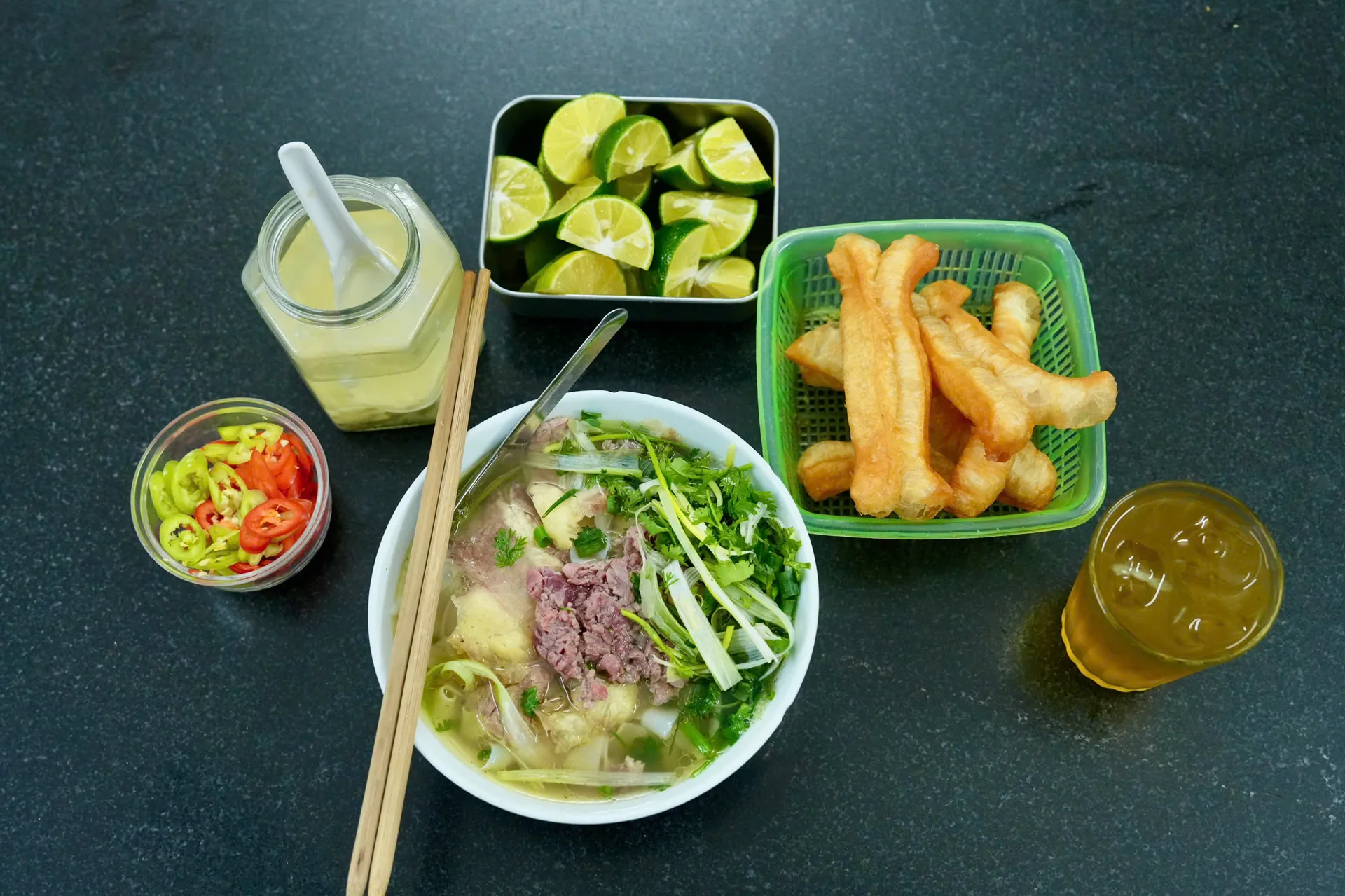
Pho bo, Vietnam’s iconic beef noodle soup and a defining taste of Hanoi. Photo: Duy Khanh/ The Hanoi Times
In the directive sent last week, Deputy Prime Minister Mai Van Chinh assigned the Hanoi People’s Committee to take the lead.
The city will work closely with the Ministry of Culture, Sports and Tourism, the people’s committees of Ninh Binh, Haiphong and Hung Yen along with other localities where heritage-practicing communities are based.
The assigned agencies will compile scientific dossiers and carry out all required procedures in strict compliance with legal regulations, ensuring accuracy, consistency and strong community involvement.
Beyond international recognition, the nomination reflects a broader strategy to strengthen Hanoi’s position as a leading cultural tourism destination.
By presenting its signature cuisine and performing arts to global audiences, the capital seeks to offer visitors an authentic, immersive experience of Vietnamese culture.
Pho bo, Hanoi’s iconic beef noodle soup, gained recognition as a National Intangible Cultural Heritage in 2024. The dish is closely associated with Hanoi and Nam Dinh, which now belongs to Ninh Binh Province following administrative restructuring.
More than a popular meal, pho embodies refined culinary knowledge passed down through generations. Its preparation centers on slowly simmering beef shin bones for about 24 hours to create a rich, clear broth, delicately balanced with herbs, spices and salt.
When served, slices of beef – raw, cooked or lightly sautéed – rest on soft rice noodles and are finished with onion, green onion and fresh coriander.
Hanoi’s pho bo offers a layered harmony of textures and flavors, from chewy noodles and savory broth to tender meat and aromatic herbs.
Each year on December 12, Vietnam marks the Day of Pho, promoting the dish as a national culinary emblem to both domestic and international audiences.
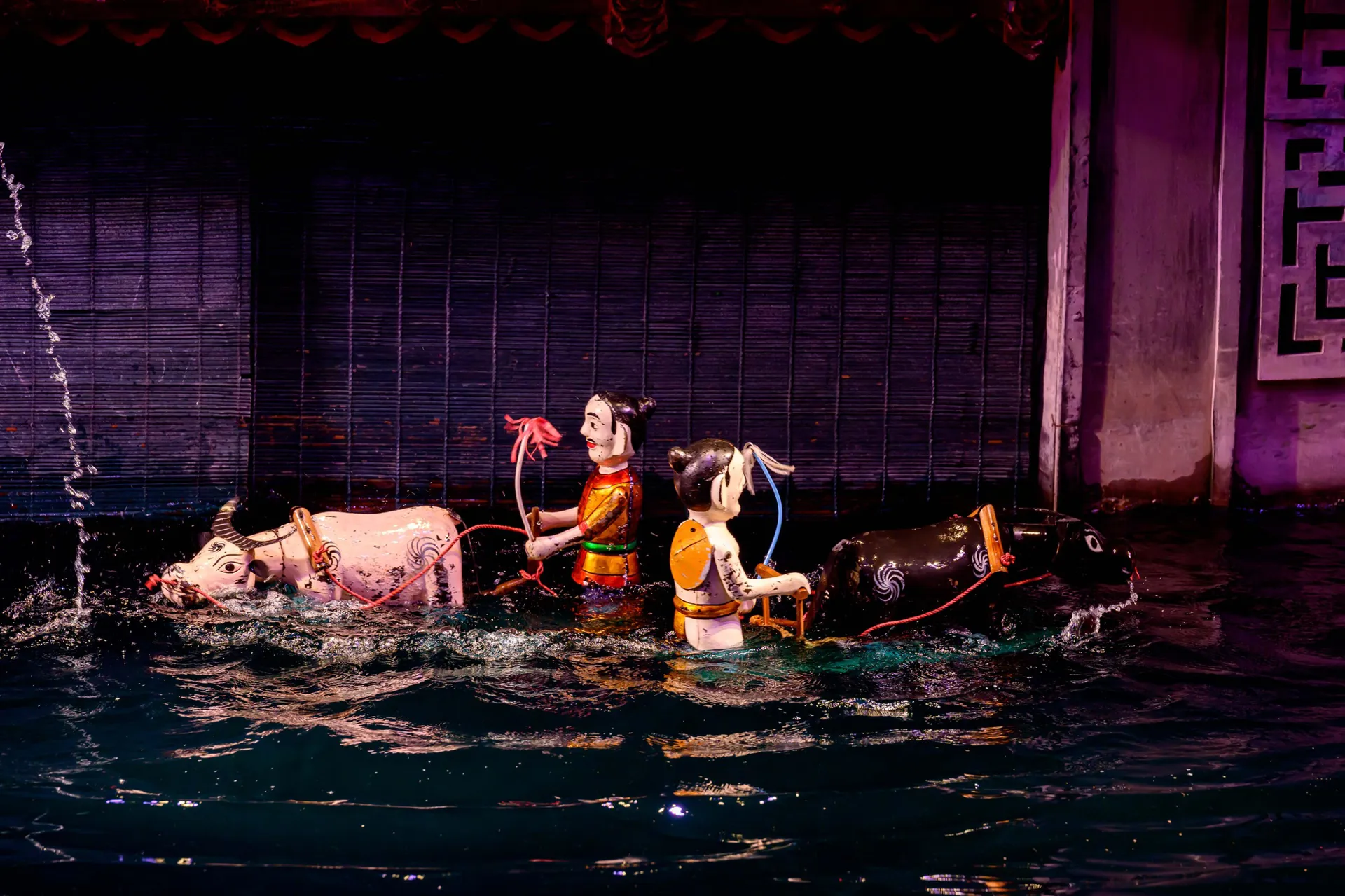
A water puppetry performance usually portrays rural Vietnamese life. Photo: Thang Long Water Puppetry Theater
Le Thi Minh Ly, Vice Chairwoman of the Vietnam Cultural Heritage Association and former Deputy Director of the Department of Cultural Heritage under the Ministry of Culture, Sports and Tourism, said the techniques behind making banh pho (rice noodles), preparing broth and balancing seasonings form a body of knowledge that gives pho its intangible cultural value.
She stressed that preserving this heritage requires helping younger generations understand pho as a cultural expression rooted in memory and creativity, rather than viewing it solely as a commercial dish.
This approach, she said, calls for renewed presentation methods and modern communication strategies that align with contemporary lifestyles.
Alongside pho, water puppetry stands as one of northern Vietnam’s most distinctive art forms. The centuries-old tradition captivates audiences as wooden puppets glide across water, blending storytelling, humor and rural wisdom.
Water puppetry dates back to the 11th-century Ly Dynasty and has long played a central role in cultural life across the Red River Delta.
Communities originally staged performances to mark harvests, honor religious festivals and celebrate important local events.
Early centers of the art include Thach Xa and Dao Thuc villages in Hanoi, Rach and Nguyen Xa villages in Ninh Binh and Hung Yen provinces and Bo Duong Village in Khuc Thua Du Commune of Haiphong.
Together, pho and water puppetry reflect the living heritage of Hanoi and its enduring cultural appeal on the global stage.
For many visitors, experiencing pho or attending a water puppetry performance remains an essential part of any visit to Hanoi, leaving lasting impressions that extend well beyond the journey.