Hanoi’s Old Quarter turns street food into a global tourism draw
Data show that travelers are choosing destinations for what’s on the plate, putting Vietnam’s capital at the center of Asia’s culinary travel boom.
THE HANOI TIMES — Hanoi is gaining global recognition not only for its history and architecture, but increasingly as a food destination in its own right.
The Vietnamese capital is emerging as a focal point of Asia’s culinary tourism as travelers place growing importance on what they eat, not just what they see, according to Booking.com’s latest “Taste of Home” report.
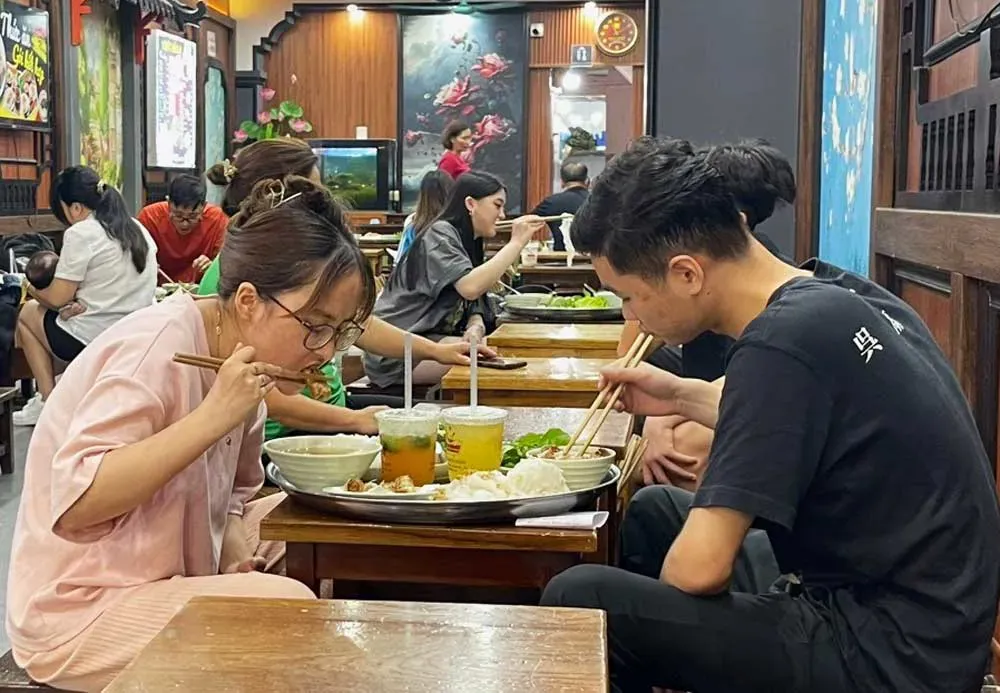
Banh cuon Ba Hoanh (Mrs. Hoanh’s rice crepes) is a Hanoi staple that continues to win over both locals and visitors. Photo: Kim Thu / The Hanoi Times
The annual survey highlights a clear shift in travel behavior that both Vietnamese and international tourists are now choosing destinations based on food experiences as much as traditional sightseeing.
It signals a move away from sightseeing-led itineraries toward more immersive, taste-driven journeys. Culinary tourism has become a decisive factor in travel planning, with holiday homes and local accommodations rising in popularity as bases for food-focused exploration.
Food-first travel reshapes tourism choices
Data points to a broader redefinition of travel priorities. Vietnamese travelers, in particular, are expanding their culinary ambitions while on the road: 80% visit local markets, one-third cook regional specialties, and a growing share experiment with new kitchen techniques and recipes during their trips.
Travel, in this sense, is no longer a pause from daily life but an entry point into deeper cultural participation.
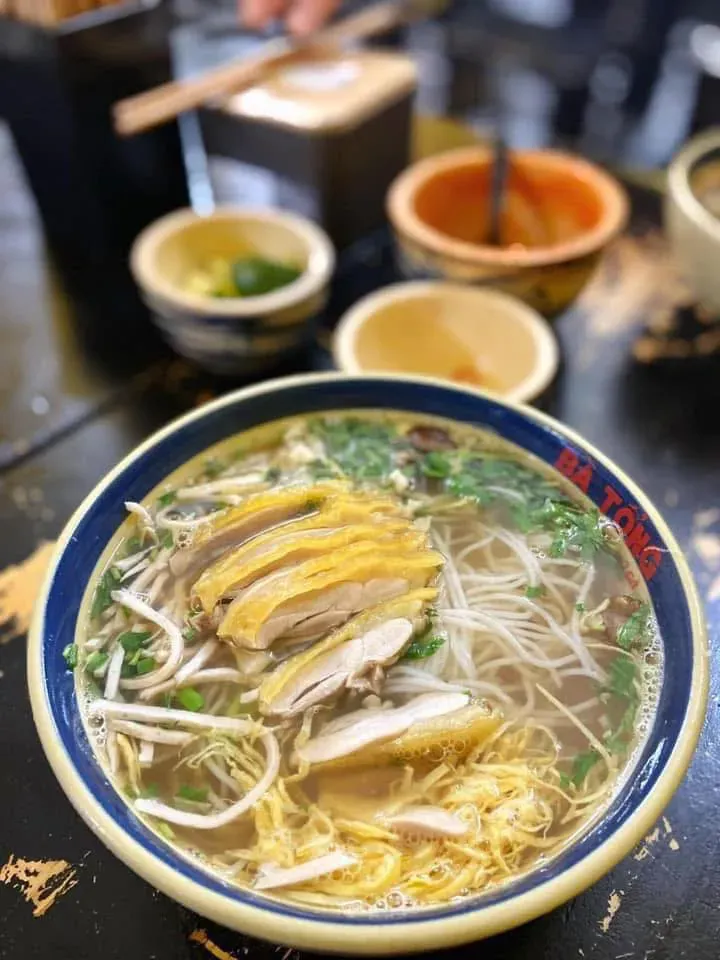
Bun thang, a fragrant Hanoi classic. Photo courtesy of Mrs. Tong's Bun Thang Eatery.
This evolution carries implications across the Asia-Pacific region, where cuisine is increasingly shaping tourism demand. Holiday homes have become integral to food-centric travel plans, offering travelers the flexibility to shop, cook and eat like locals.
As destinations compete for attention, food has emerged as both a cultural marker and an economic driver.
At the center of Vietnam’s culinary appeal is Hanoi’s Old Quarter, a dense network of narrow streets where food, history and daily life intersect.
The area’s “unique geographical conditions and long-standing cultural heritage” are central to its culinary identity, a combination that continues to attract food lovers and cultural explorers alike.
An edible history of Hanoi
According to Booking.com, classic Vietnamese dishes such as pho, bun cha and banh cuon remain pillars of Hanoi’s street food culture.
Many vendors have occupied the same corners and alleyways for decades, preserving recipes passed down through generations. The result is a food scene shaped as much by continuity as by craft.
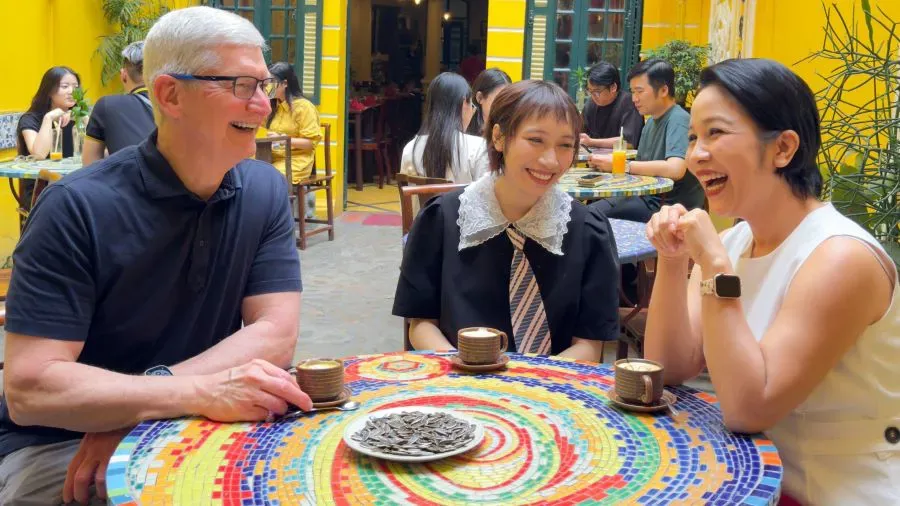
Apple Chief Executive Officer Tim Cook shares egg coffee with Vietnamese R&B star My Linh and her daughter, singer My Anh, in Hanoi’s Old Quarter. Photo: Tim Cook (@tim_cook) on X.
More than a collection of dishes, the Old Quarter functions as a living archive of Vietnamese gastronomy. From early morning until late at night, vendors, cafés and tiny eateries fill the streets, where locals and visitors sit shoulder to shoulder on low stools over bowls of steaming broth or plates of sticky rice.
The scent of grilled pork and fresh herbs drifts through streets such as Tong Duy Tan and Ta Hien, drawing passersby toward xoi, banh mi and sweet soups that reflect the city’s layered past.
As the travel website’s suggestion, Hanoi’s gastronomic exploration should begin at Dong Xuan Market and the adjacent food alley.
Within its compact footprint, dozens of stalls serve everything from crispy shrimp fritters to bamboo-skewered pork and snail noodles. Signature offerings, including the famed fritters at Mrs. Am’s Banh Tom (shrimp cake), illustrate how local ingredients and traditional techniques continue to define Hanoi’s food identity.
Deeper into the Old Quarter, travelers encounter foods that function as rituals rather than meals. Pho, consumed at all hours, is woven into the city’s daily rhythm, while tucked-away establishments serve understated comfort dishes that retain a strong nostalgic pull for long-time patrons.
Beyond street stalls, Hanoi’s café culture adds another layer to the culinary landscape. Hidden cafés along streets like Hang Gai offer moments of calm amid the Old Quarter’s intensity, serving everything from traditional egg coffee to modern artisanal brews in spaces that echo the city’s architectural and social history.
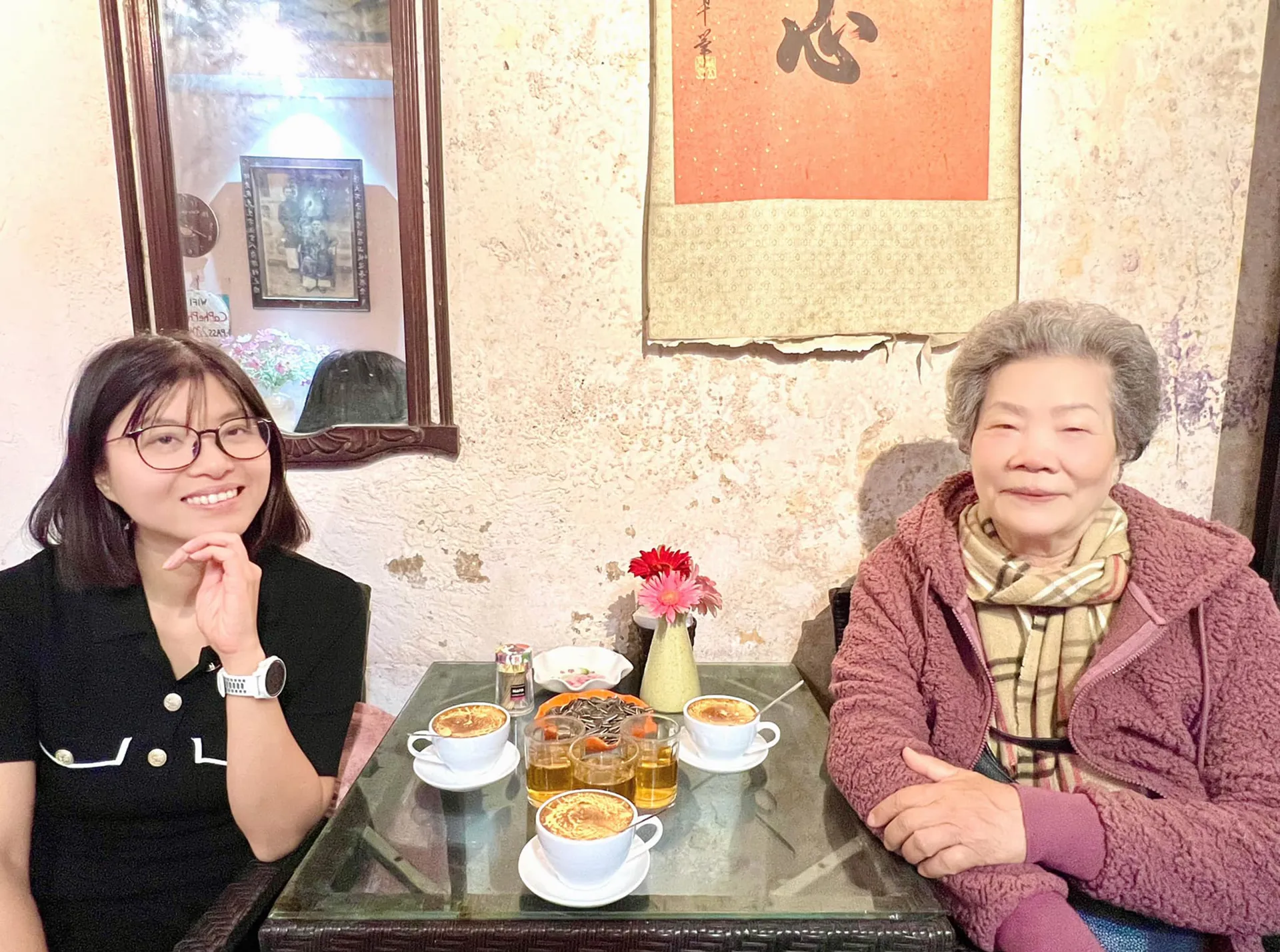
Lien Dao (right), a tourist from Ho Chi Minh City, samples egg coffee at a hidden café in Hanoi’s Old Quarter.
Lien Dao, 80, a tourist from Ho Chi Minh City, smiled as her children led her through Hanoi’s Old Quarter, where a stop for egg coffee became the highlight of the day. “Wandering the narrow streets and savoring the familiar taste brought back memories of old Hanoi and my childhood years,” she said.
After nearly 60 years living far from the capital, the experience felt deeply personal, an emotional return to a place that had long existed only in her memories.
Hanoi’s appeal also resonates with international audiences shaped by digital discovery. Canadian couple Flora and Note, creators of a YouTube channel with more than 200,000 subscribers, embarked on a day-long street food journey guided by social media recommendations.
Their 28-minute episode, “Best of Hanoi in one day”, featured dishes ranging from bun thang to egg coffee and traditional rice meals. The video quickly went viral, becoming an informal guide for travelers eager to navigate Hanoi’s food scene.
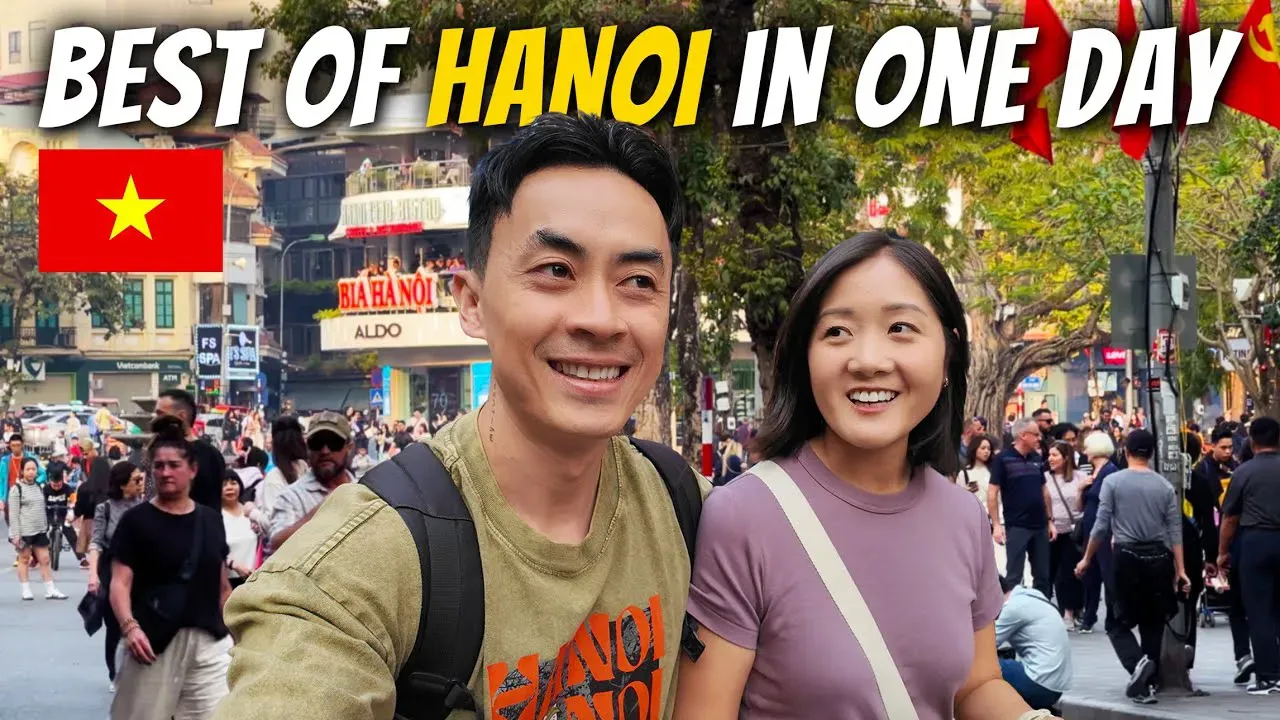
Canadian couple of Asian descent Flora and Note on their culinary journey through Hanoi. Photo: Cover image from the Best of Hanoi in One Day video.
In an effort to make full use of Hanoi’s cuisine, the city’s officials have increasingly positioned gastronomy as a strategic tourism asset.
Digital tools and curated culinary maps now help visitors navigate nearly 30 registered culinary heritages within Hoan Kiem Ward alone, reflecting a policy approach that blends preservation with promotion.
It aims to support local food economies while elevating Hanoi’s global culinary profile.
As demand for experiential travel grows, cities that can marry place with palette, like Hanoi, stand to benefit from an increasingly discerning global traveler base.
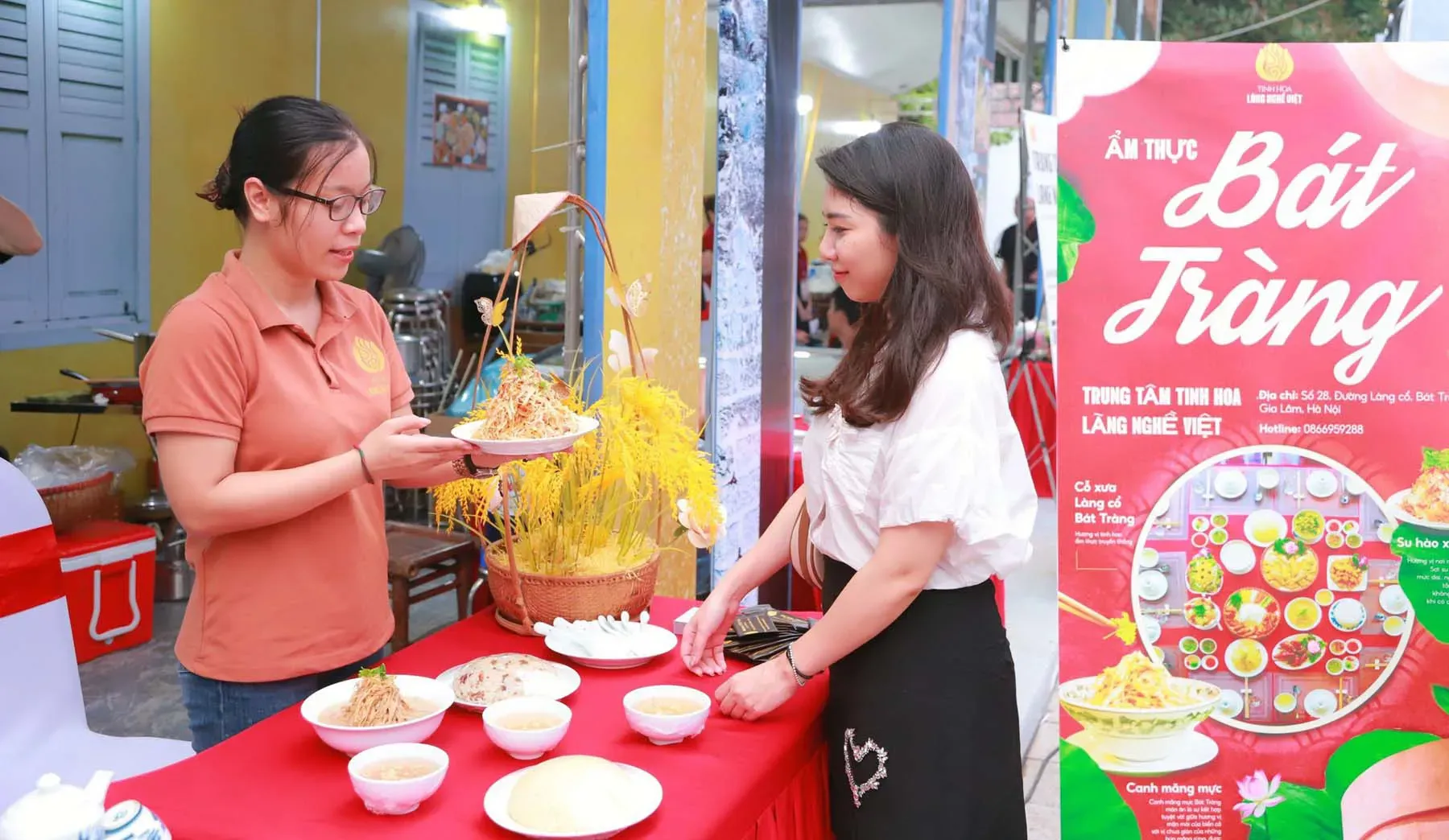
Introducing Hanoi cuisine at the Hanoi Culinary Festival. Photo: Hoai Nam