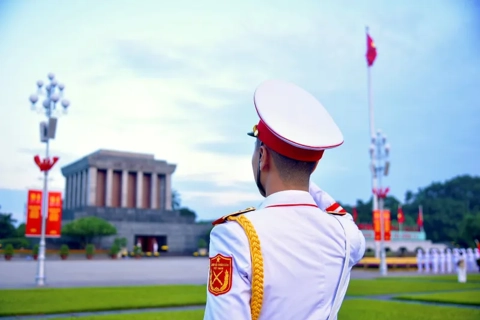
Hanoi leads smart tourism in Vietnam with AI, AR and digital innovation
New technologies help the capital modernize tourism management, upgrade services and enrich visitor experiences, shaping a smarter, more connected and sustainable destination for both domestic and international travelers.
THE HANOI TIMES — Visitors in Hanoi are experiencing a smarter, more seamless city thanks to a surge in technology-driven tourism. From interactive maps to real-time service updates, the capital is transforming how travelers explore its streets, attractions, and cultural sites.
City authorities are partnering with local businesses to push digital innovation, said Nguyen Huu Viet, Deputy Director of the Tourism Information and Promotion Center, at the “Smart Tourism Development” workshop on August 19-20.
"Most tourism enterprises in Hanoi have embraced technology to improve operations and create new, exciting experiences for visitors," said Viet.
Hanoi has rolled out cutting-edge tools like a Geographic Information System (GIS) for location-based management and a Destination Management System (DMS) to coordinate attractions and services. It aims to make navigating the city easier for tourists while giving businesses real-time data to enhance offerings.
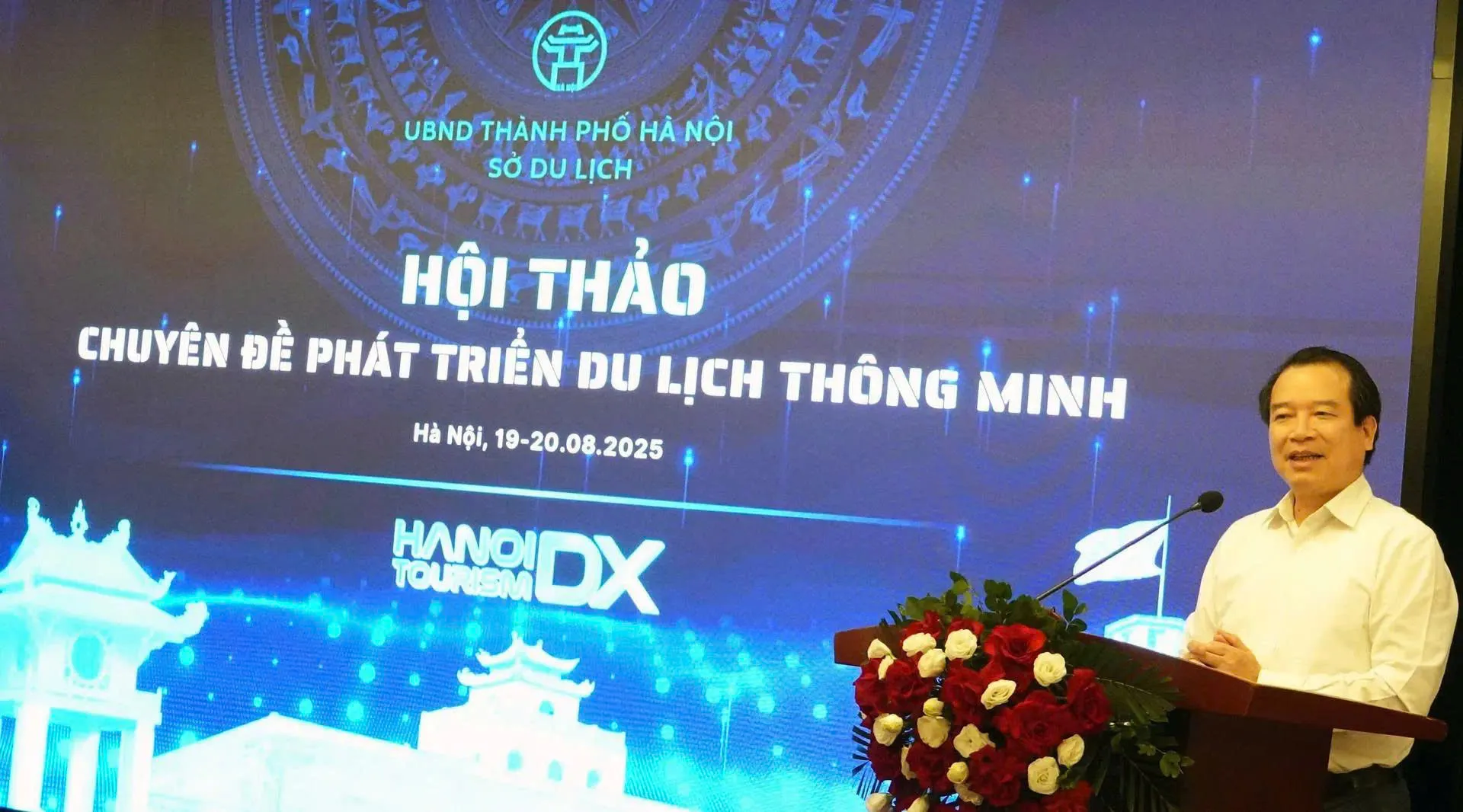
Deputy Director General of the Vietnam National Authority of Tourism Ha Van Sieu speaks at the workshop. Photo: Kinh te & Do thi Newspaper
The city is also testing Artificial Intelligence (AI) and the Internet of Things (IoT) to monitor and manage visitor flows at popular sites like the Temple of Literature, helping reduce congestion and enhance the tourist experience.
At the Thang Long Imperial Citadel, Augmented Reality (AR) overlays digital reconstructions onto real-world spaces, letting visitors explore ancient structures through their devices.
Hanoi has connected more than 300 tourist sites to a shared digital database. Key landmarks such as Thang Long Imperial Citadel, Hoa Lo Prison, Bat Trang pottery village, and the Temple of Literature now offer e-tickets and automatic audio guides in six languages.
The city has also teamed up with local wards to create digital maps highlighting attractions, eateries, and cultural spots, making it easier for travelers to navigate and plan their visits.
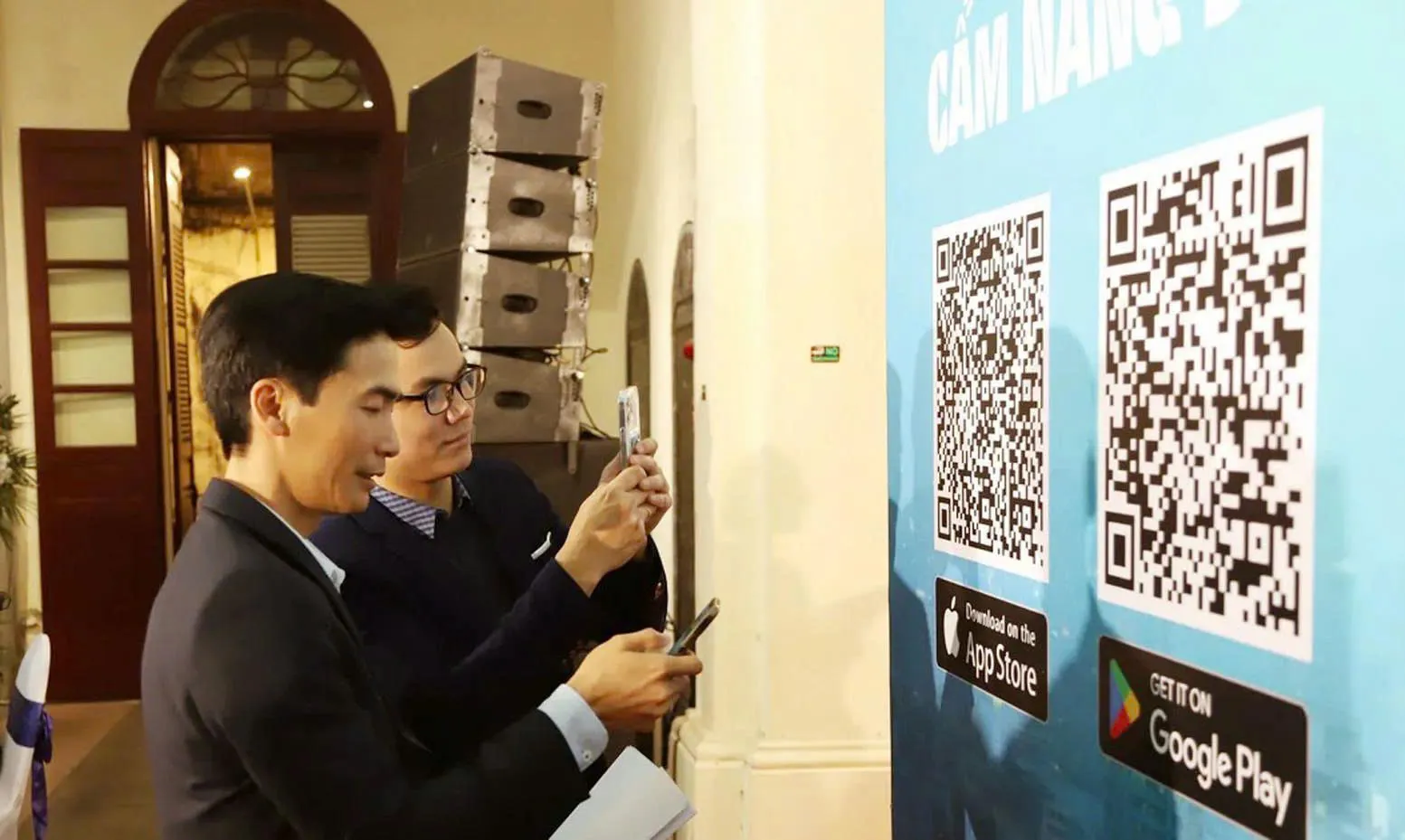
Visitors experience the Hoan Kiem tourism app.
Applying technology to accelerate smart tourism growth
Hanoi's push for smart tourism comes as Vietnam’s tourism sector rebounds strongly. According to the Vietnam National Administration of Tourism, international arrivals have reached 12.22 million so far this year, up 22.5% compared with the same period in 2024.
Deputy Director General Ha Van Sieu said the country expects to welcome more than 22 million international visitors and 120–130 million domestic travelers in 2025, highlighting the growing demand for innovative, tech-driven experiences.
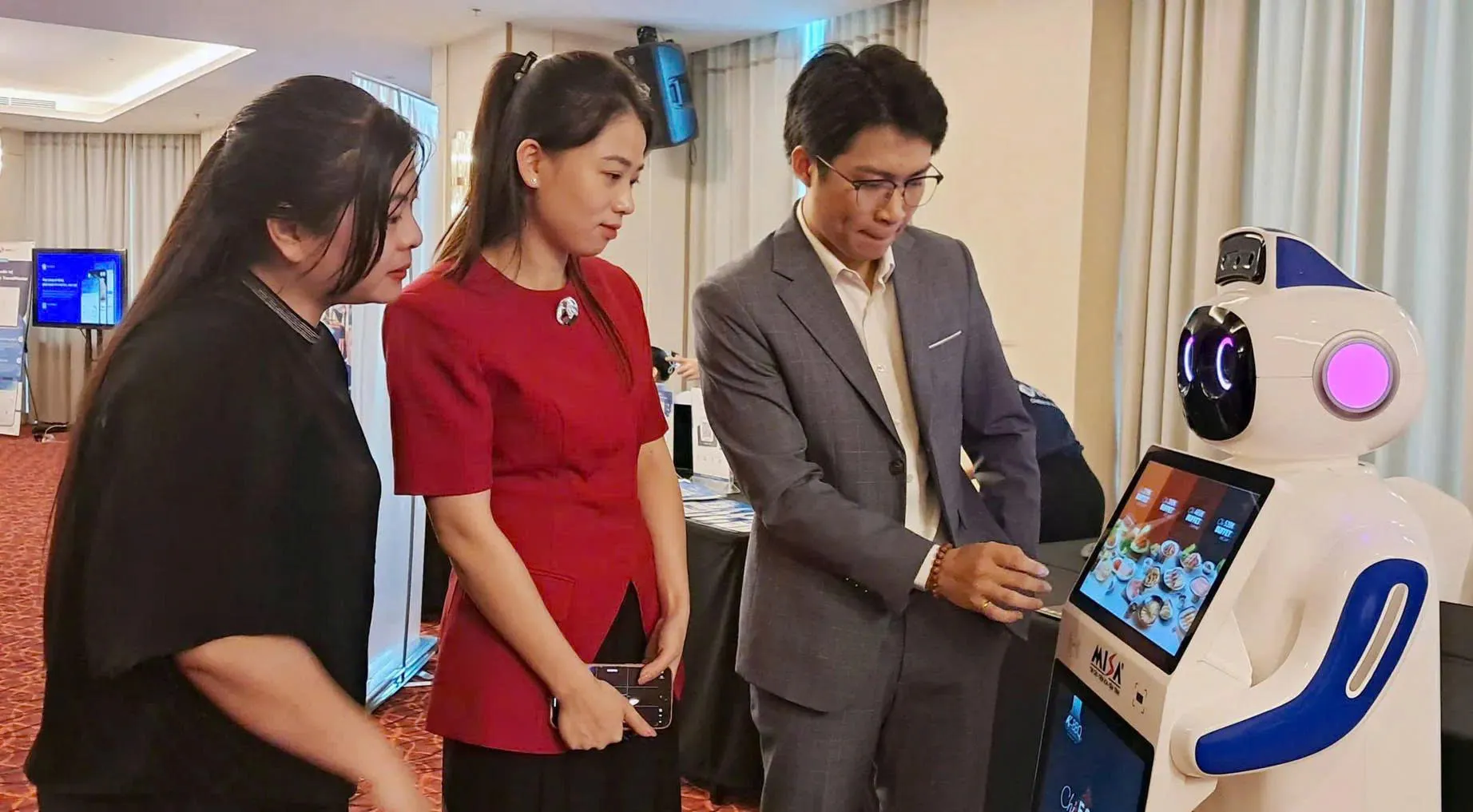
Delegates explore the Misa receptionist robot at the workshop.
He called it a golden opportunity but cautioned that success depends on three pillars: technology, human resources, and institutional support. "Hanoi is expected to set the national standard as a smart, creative, and visitor-friendly destination."
|
Expert views on smart tourism in Hanoi Truong Cong Hoan, Head of Communications and Digital Transformation at the Vietnam Tourism Association (VITA), says digitalization forces businesses to restructure, but not all are ready with resources and capacity. He urges policymakers to give companies time and support to adopt technology and plan roadmaps. Nguyen Thanh Huy, CEO of Vietnam AIAIVN Artificial Intelligence, predicts AI will be a breakthrough, helping personalize experiences, suggest itineraries, power multilingual virtual assistants, optimize pricing, and prevent overcrowding. Small firms, he adds, should start with low-cost tools and collaborate with existing platforms. Nguyen Tuan Huy, Head of Digital Transformation at MobiFone, points to AR, DMS, GIS, and chatbots as tools giving Hanoi a competitive edge. He stresses the need to expand Wi-Fi, 5G, and fiber-optic networks to ensure seamless access to digital services. Nguyen Viet Duc, CEO of Unica Solutions, urges businesses to focus on branding, online visibility, and leveraging social media like Facebook, TikTok, and Zalo to reach visitors effectively. Nguyen Quyet Tam, Chairman of VietISO, emphasizes workforce training, saying tourism staff need digital skills and technology know-how. He recommends integrated data systems, consistent infrastructure, and ongoing training programs. Experts agree: Hanoi must act on multiple fronts—policy, telecom infrastructure, technology, and business management—to become a model smart city. Lessons from Barcelona, Singapore, and Dubai show that linking data, strengthening public-private partnerships, and developing skilled workers are key to success. |