Hanoi orders strong air-pollution measures and warns schools to adjust schedules
Hanoi has issued new directives requiring schools to restrict outdoor activities and consider suspending classes when air quality drops to hazardous levels, while launching a sweeping crackdown on pollution sources across the city.
THE HANOI TIMES — Hanoi may allow students to stay home when air quality becomes dangerously low, according to a new directive issued early this week by the Hanoi People’s Committee.
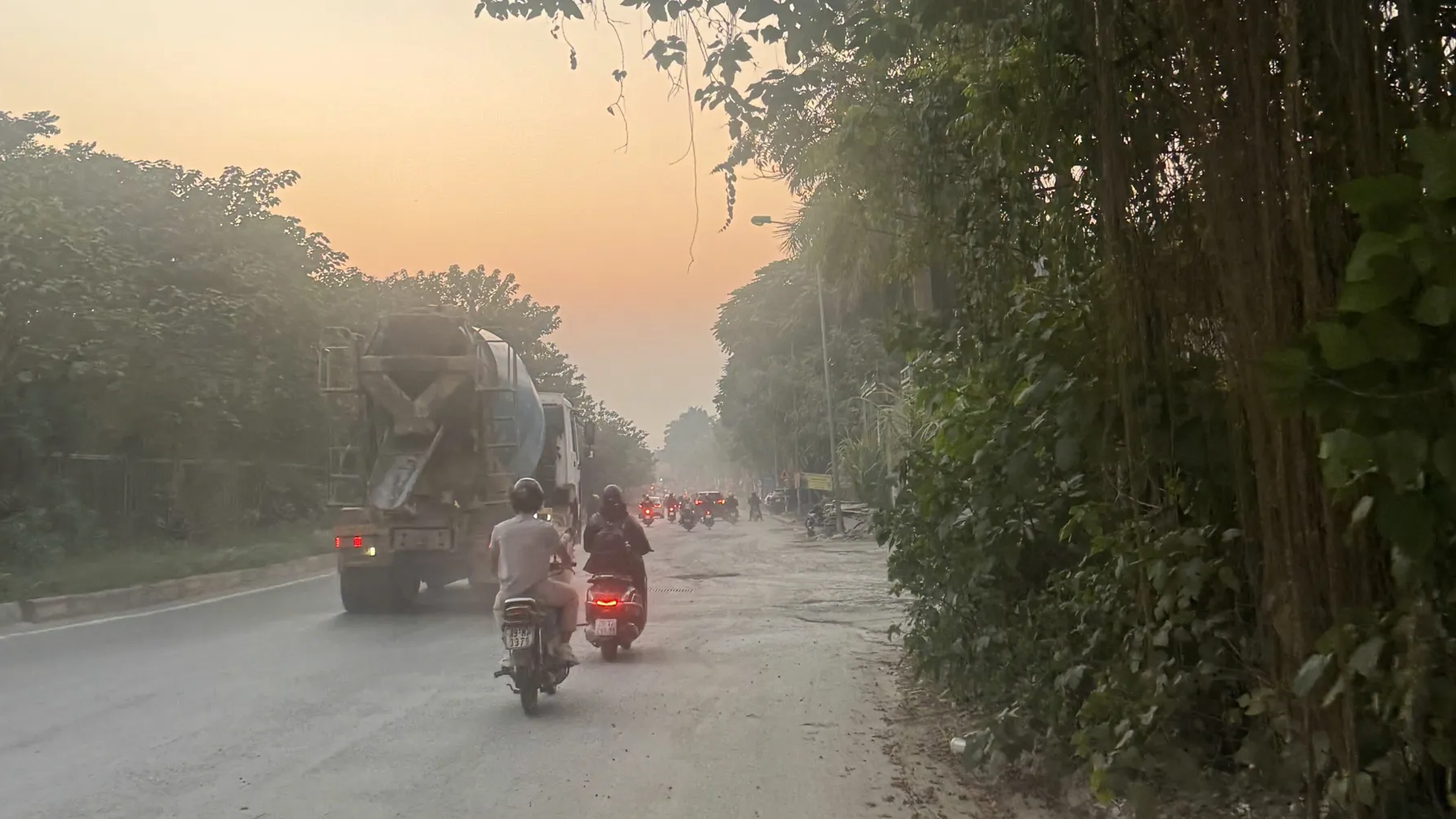
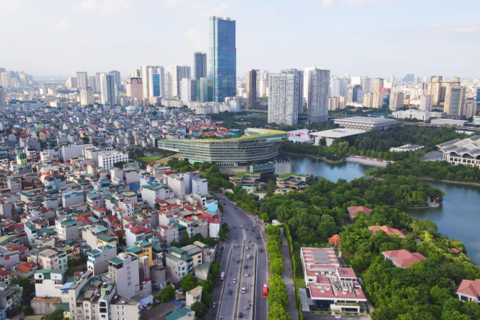
Prolonged fine dust pollution in Hanoi. Photo: Kinh Te & Do Thi Newspaper
In the document, Vice Chairman of the municipal People’s Committee Nguyen Manh Quyen instructed the Hanoi Department of Education and Training to guide schools to restrict outdoor activities when air quality reaches the “poor” level.
If the VN_AQI rises to “very hazardous” levels (301 or above), schools must consider suspending in-person classes or adjusting schedules to limit risks to students.
Along with these measures, Hanoi will expand the use of monitoring systems, digital tools and remote-sensing technologies, including satellite imagery, drones, traffic cameras, UAVs, mobile apps such as iHanoi, and social-media reporting to control and strictly handle open-burning activities such as burning waste, straw and agricultural by-products.
The Hanoi Department of Agriculture and Environment will update air-quality data continuously, track VN_AQI readings at all monitoring stations and increase remote surveillance to enforce bans on open burning.
The department will issue technical guidelines on solid-waste management, intensify inspections of sanitation contracts and strengthen oversight at waste-treatment facilities to prevent dust and odor emissions.
The Hanoi Department of Construction will enforce strict dust-control measures at all construction sites, requiring full shielding, vehicle washing, mist spraying and ground covering.
Large projects must install dust-monitoring systems with sensors, cameras and AI. The city will halt road-excavation works during severe pollution and increase inspections of material-transport vehicles to stop spillage and dust dispersal.
The municipal police will penalize vehicles that emit black smoke or transport materials without proper covers while working with local authorities to detect and punish illegal waste burning, particularly in craft villages.
Local authorities will integrate AI into traffic- and security-camera systems to identify and fine violations related to dust emissions and waste discharge.
The Hanoi Department of Health advises residents, especially the elderly, children and people with respiratory issues, to limit outdoor activities during high VN_AQI readings.
All hospitals must prepare response plans for possible spikes in respiratory illnesses during temperature inversion.
The city government also requested government agencies promote communication campaigns to reduce the burning of votive paper at temples and religious sites. They are also assigned to ensure media outlets provide continuous updates on air-quality conditions through the VNAir app.
Local authorities at the ward and commune levels will take full responsibility for air-quality management in their areas and must respond quickly to pollution incidents.
They will organize weekly clean-up campaigns on weekends and enforce strict penalties for waste burning, straw burning and the use of honeycomb coal stoves.
Environmental-sanitation units will increase street sweeping, vacuuming and road washing, especially during off-peak hours, to reduce accumulated dust before morning traffic.
Construction sites must collect and dispose of all solid waste properly. Any violations may lead to suspension.
Hanoi is calling on the community to help monitor open burning, industrial emissions, construction activities and transportation operations and to report violations promptly.
These measures form part of the city’s broader effort to lower fine-dust levels, improve air quality and safeguard public health.
Source: Official Dispatch No. 6356/UBND-NNMT dated December 1, 2025