Hanoi’s bamboo tug-of-war brings warmth to winter days
At Ba Temple in Hanoi’s Da Phuc Commune, a centuries-old bamboo tug-of-war ritual-recognized by UNESCO, continues to anchor community identity, transforming physical endurance into a living expression of Vietnamese cultural heritage.
THE HANOI TIMES — In Hanoi’s outer communes, winter cuts sharply through bare skin, but on a bitter January morning in Xuan Lai Village the cold seems to loosen its grip as dozens of young men step forward, shirtless, with hands locked around smooth green bamboo poles.
Their breath rises in clouds, but the crowd’s energy turns the chill into something closer to warmth.
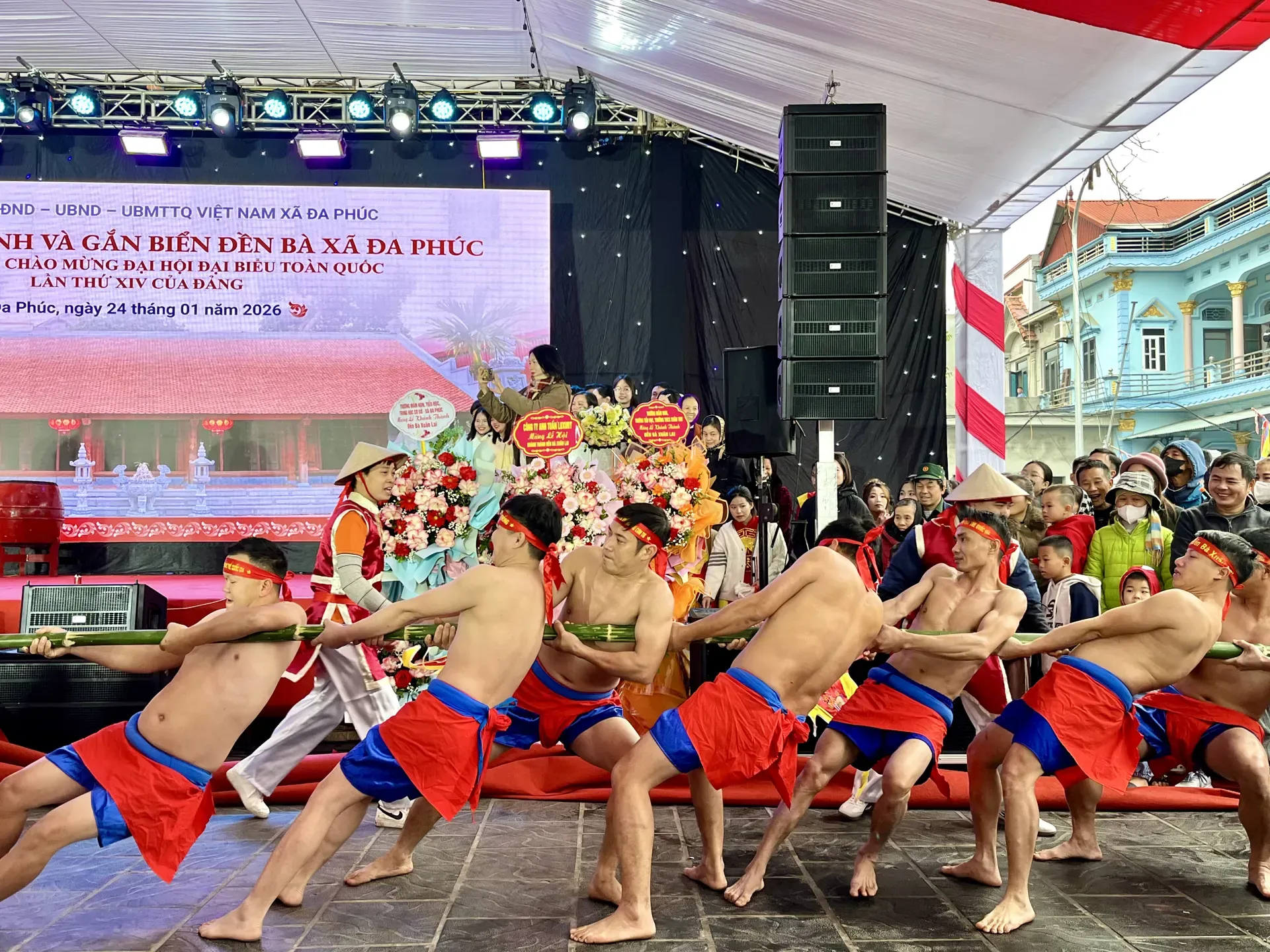
The scene unfolds during keo mo (bamboo tug-of-war), a ritual performed at the Ba Temple Festival in Da Phuc Commune. More than a contest of strength, the tradition draws villagers together in a shared moment of endurance and belief, where collective spirit outweighs the outcome of the pull itself.
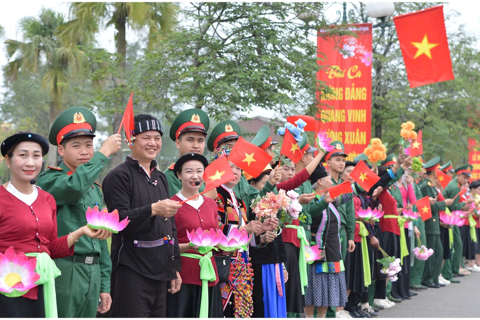
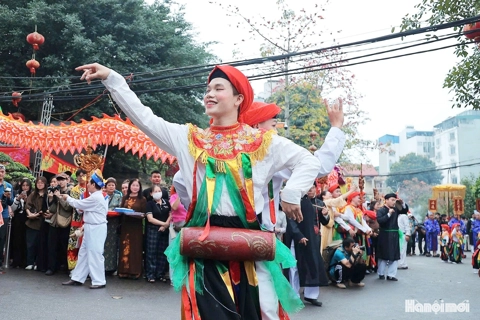
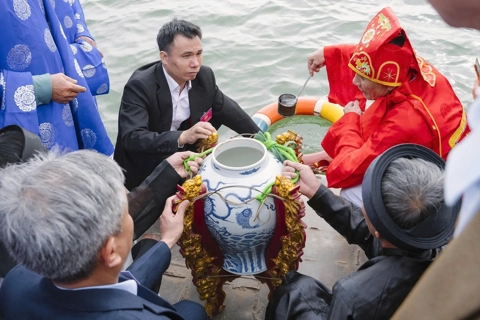
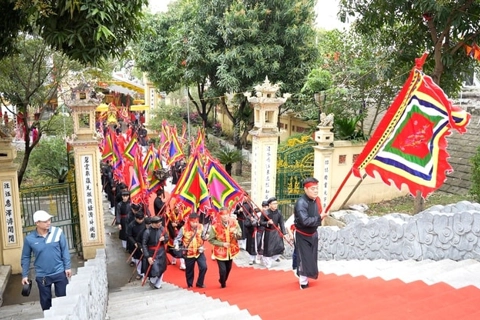
On January 24, the centuries-old ritual was reenacted as part of the inauguration and plaque unveiling ceremony marking the restoration of Den Ba, or Lady Temple. Supported by the Hanoi City People’s Committee, the project reflects an effort to preserve not only architectural heritage, but also the living practices that continue to bring communities together, even on the coldest winter days.
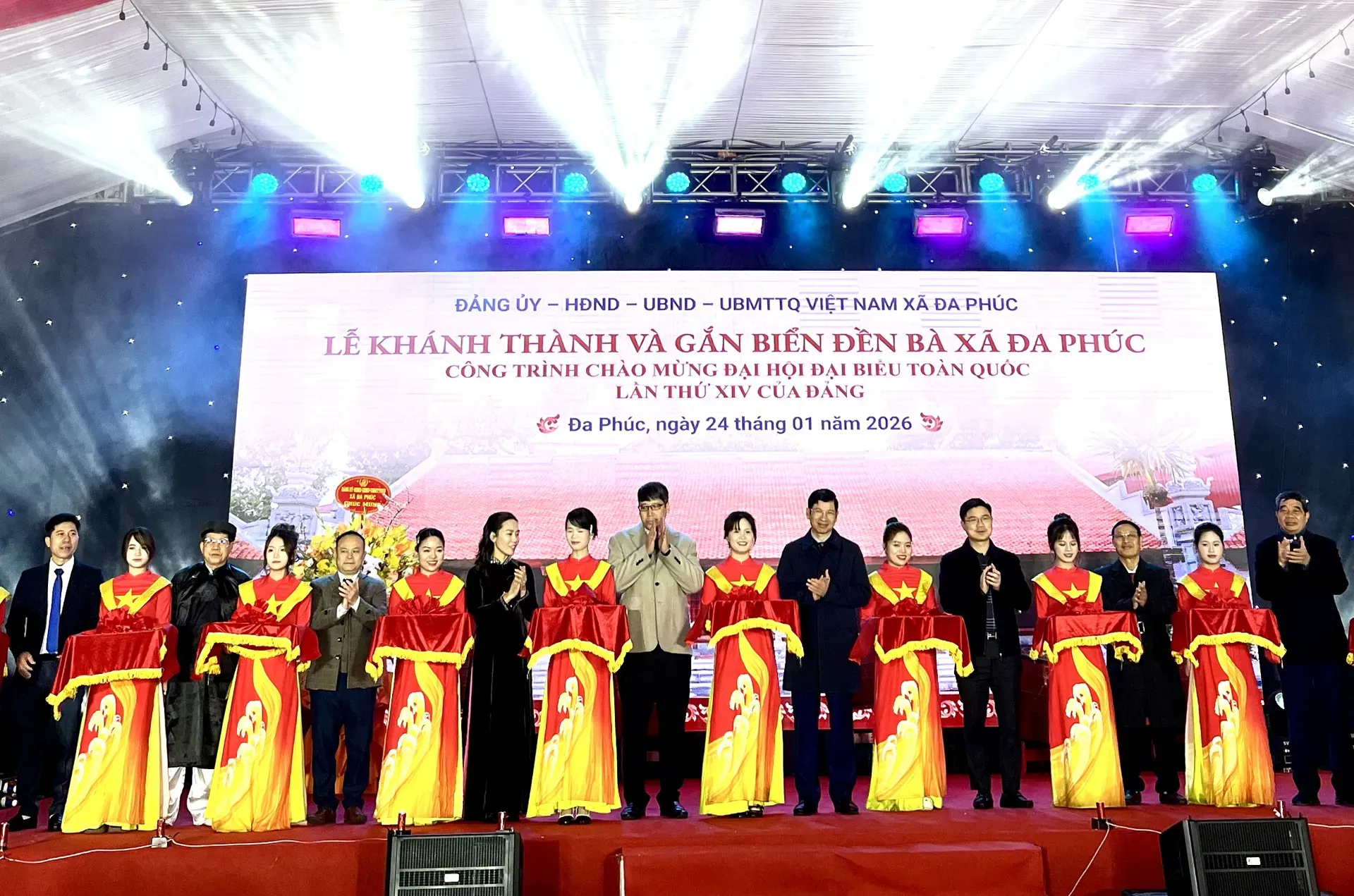
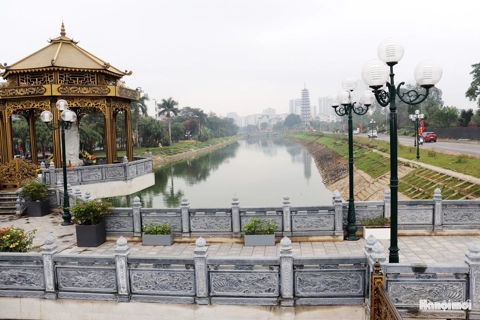
The inauguration and plaque unveiling ceremony marking the restoration of Den Ba in Da Phuc Commune, Hanoi.
Each year, on the fourth day of the Lunar New Year, the festival draws villagers and visitors into a shared space where history is not merely observed but actively performed.
The tools are deceptively simple: two young bamboo poles, seven to eight meters long, donated by families in the village. Their selection follows strict spiritual rules. From cutting and preparation to carrying and presentation, every step is conducted with ritual gravity - an offering of respect to the Holy Lady, the deity revered by the local community.
“The game is both a folk sport and a sacred rite as it represents education, solidarity and the shared spirit of the community,” said Tran Kien, Deputy Head of the Culture and Social Affairs Department of Da Phuc Commune.
Remarkably, for centuries, the ritual has never been interrupted. It survived wars, economic hardship and political upheaval - an unbroken thread running through generations. In 2015, that continuity earned global recognition when UNESCO inscribed the Xuan Lai tug-of-war ritual on its list of Representative Intangible Cultural Heritage of Humanity.
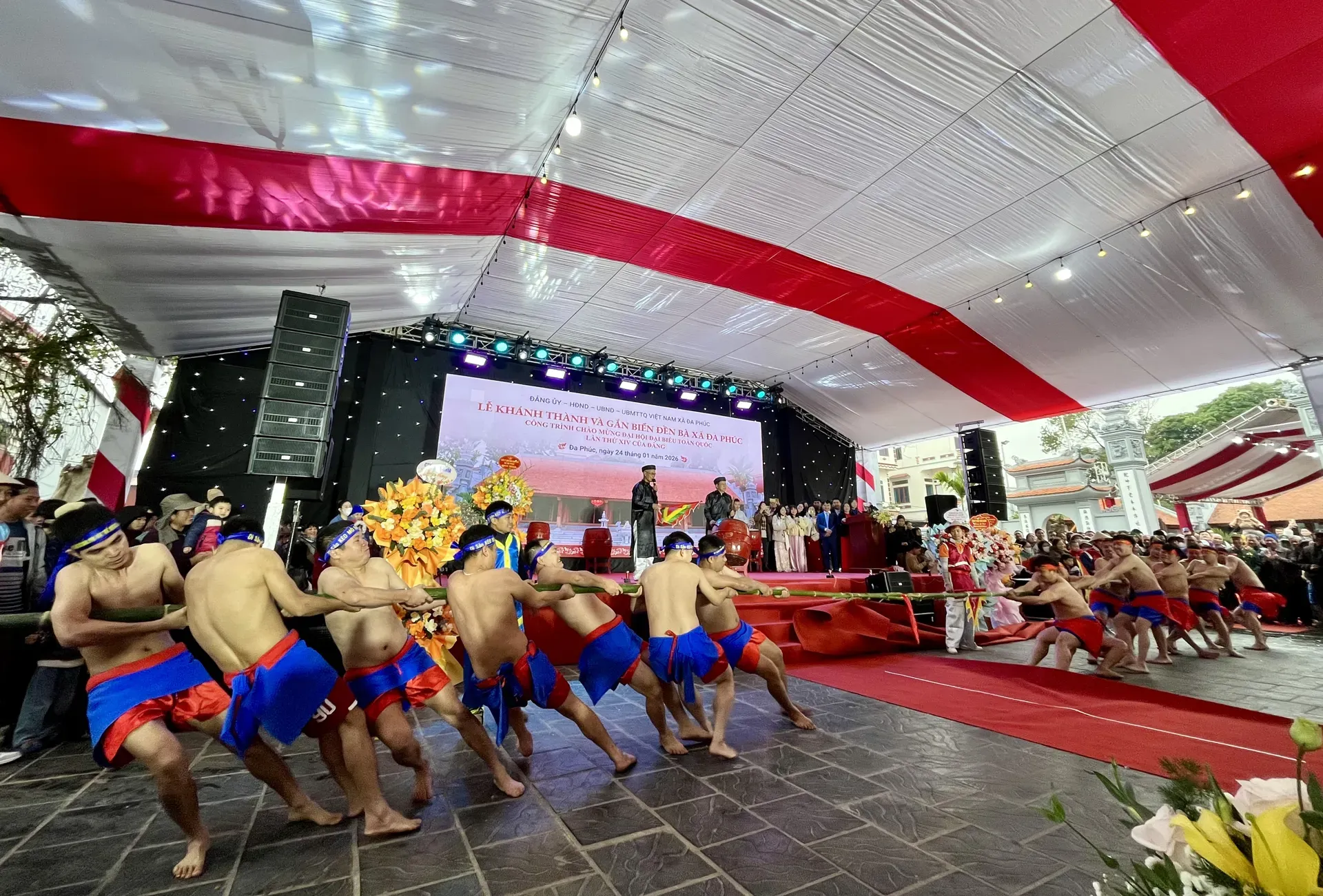
Two teams, each representing one of Xuan Lai’s hamlets assemble in the temple courtyard under the watchful eyes of village elders.
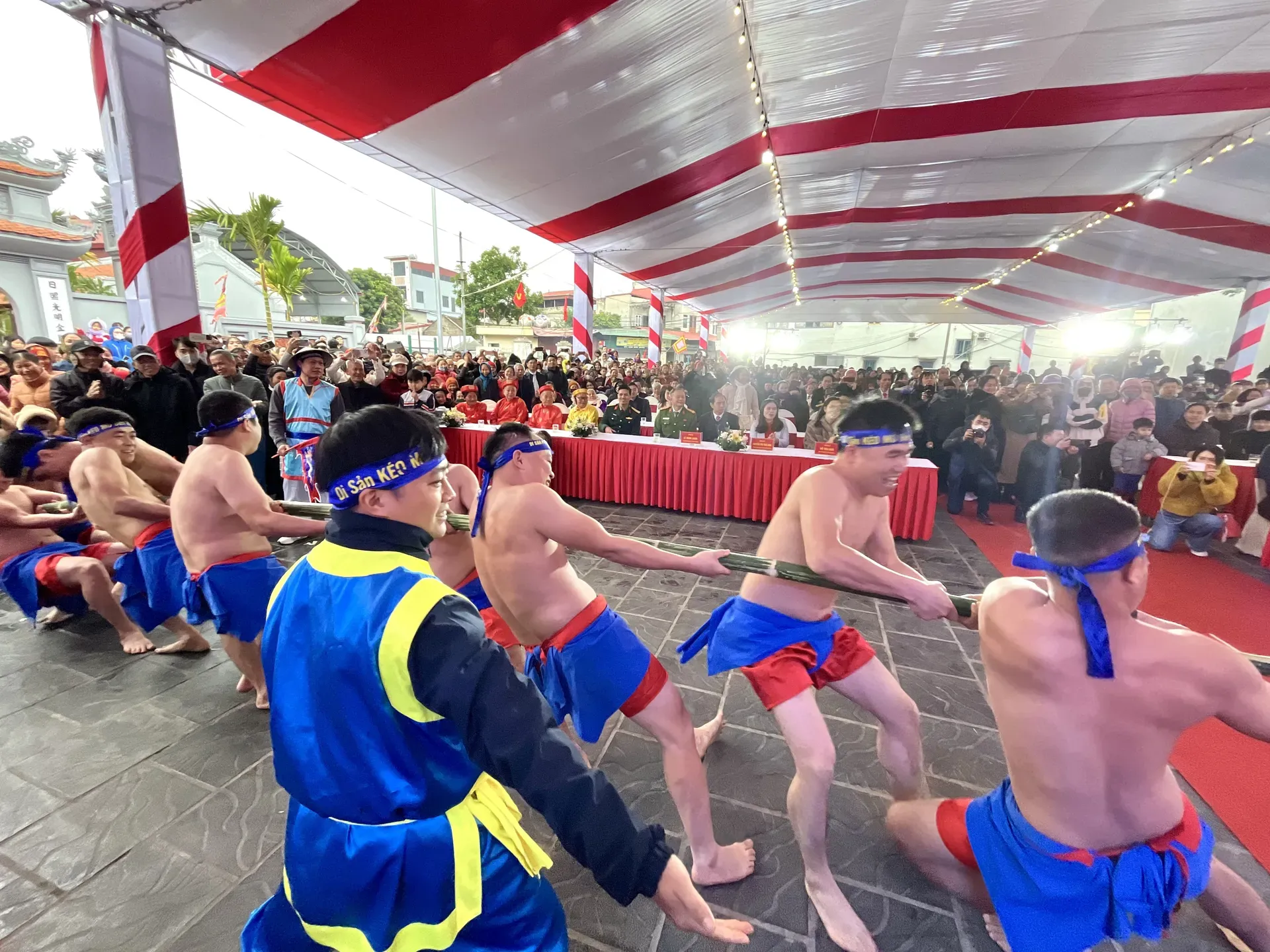
At the signal, the bamboo bends under the force of synchronized effort, muscles taut and breath visible in the cold air.
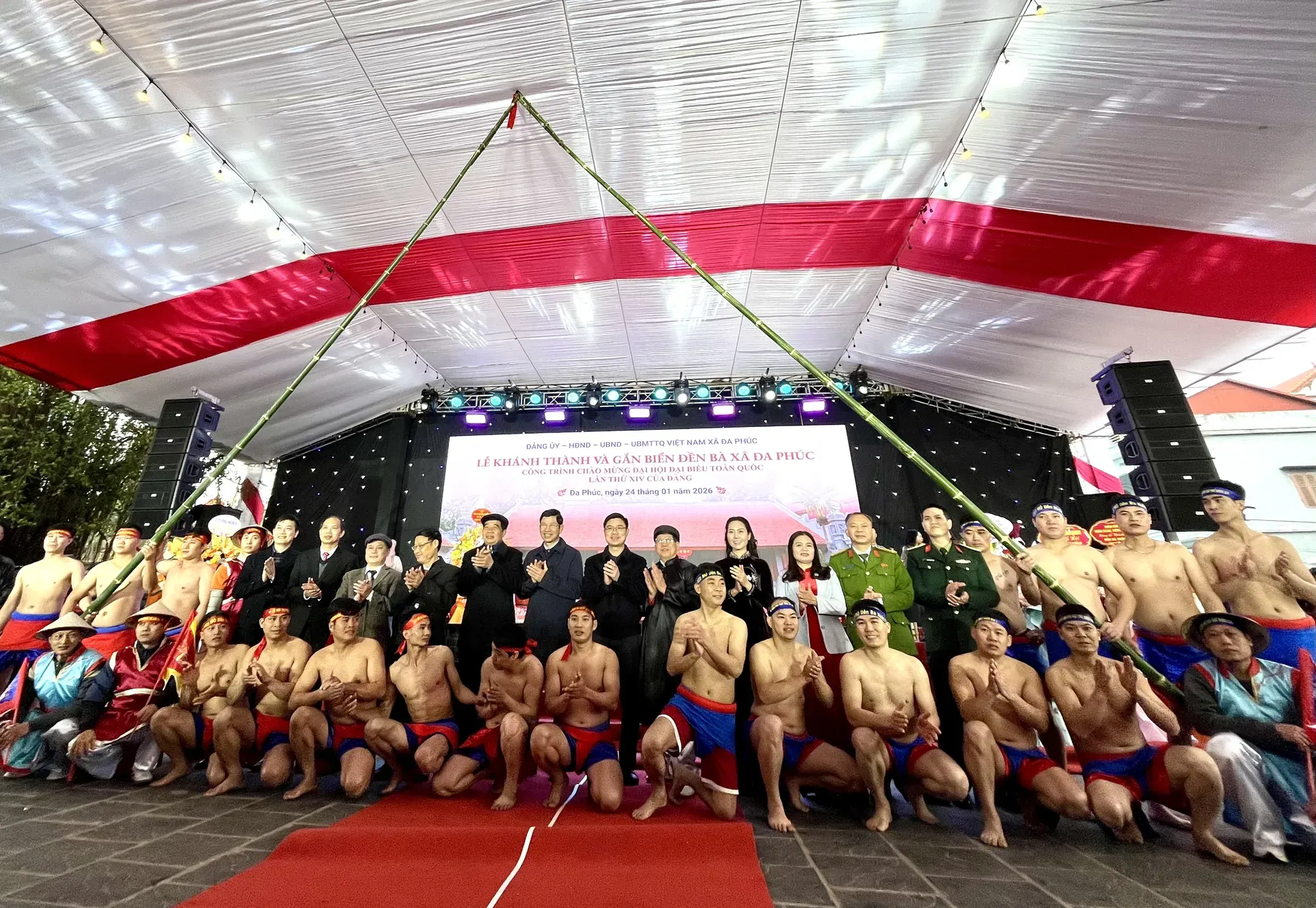
More than a game, “Keo Mo” is a folk ritual- an expression of collective strength, resilience and unity in Vietnamese culture.