Hanoi unveils green tourism route along the Ca Lo River
The capital is betting on riverside landscapes, living heritage and hands-on farming experiences to reposition its rural outskirts as a new hub for green, experience-led tourism.
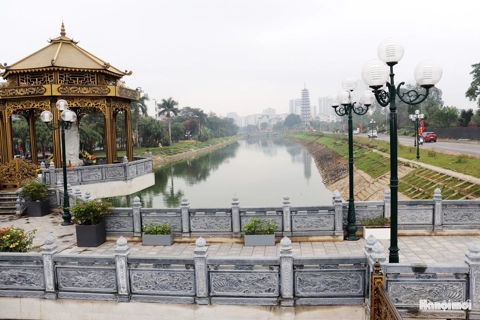
THE HANOI TIMES — Hanoi has unveiled a new green tourism route along the Ca Lo River, expanding its sustainable tourism portfolio with a rural experience that blends nature, culture and community livelihoods.
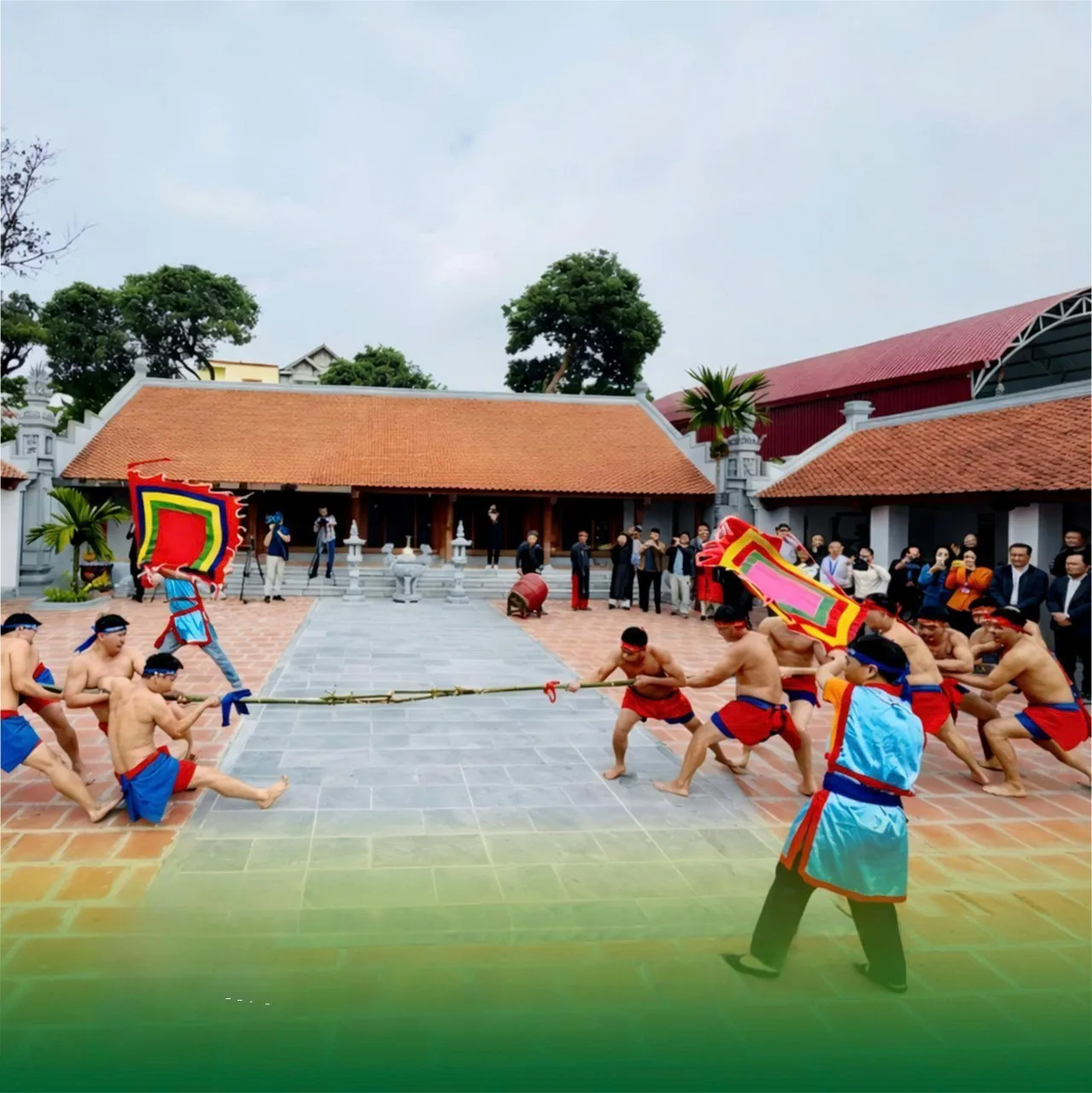
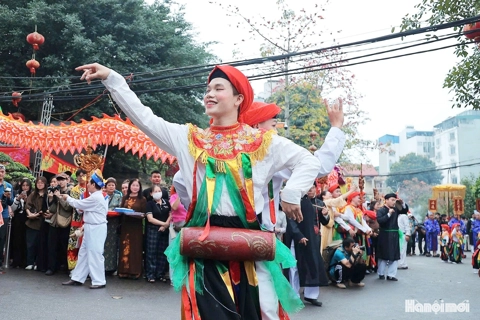
“Keo mo,” a traditional form of tug-of-war, is a popular folk game in Da Phuc Commune, Hanoi. Photo courtesy of the event organizer.
The tour titled “Touching Nature - Green Experiences by the Ca Lo River” is set to debut on January 24-25 in Da Phuc Commune, a newly established administrative unit on the capital’s outskirts targeting both domestic and international visitors who seek low-impact, experience-driven travel.
Positioned as a pilot model for green agricultural tourism, the route highlights river landscapes, traditional farming practices and locally branded products, reflecting Hanoi’s strategy to diversify tourism beyond the urban core while aligning with national goals on sustainability, environmental protection and rural economic development.
The two-day itinerary spans the embankments and fertile alluvial plains of Ben and Trung villages, combining heritage sites with modern agricultural models.
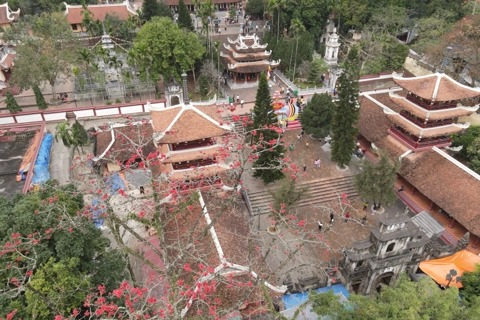
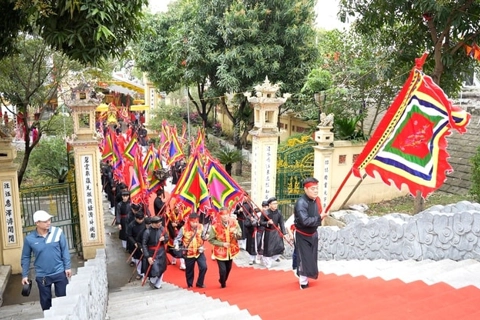
The first day, themed “Exploration,” takes visitors to Den Ba Temple in Xuan Lai Village, a city with recognized architectural and artistic relics.
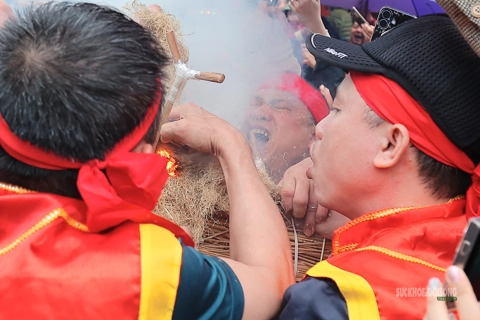
Guests can observe and join ritual tug of war games held within the Den Ba Temple festival space, a cultural practice inscribed by UNESCO as an Intangible Cultural Heritage of Humanity. The journey then traces the historical Nhu Nguyet River defense line, where guides recount the legacy of Nam Quoc Son Ha by General Ly Thuong Kiet.
Additional stops include Tien Tao Temple, a city-level historical site associated with the worship of the Tam Giang Saint, underscoring the area’s spiritual and cultural depth. Alongside heritage exploration, visitors take part in hands-on farming activities such as planting, harvesting and seedling cultivation, while touring chili farms and agricultural value chain models.
Through this pilot route, Hanoi aims to promote environmentally responsible tourism while creating new income opportunities for rural communities along the Ca Lo River.
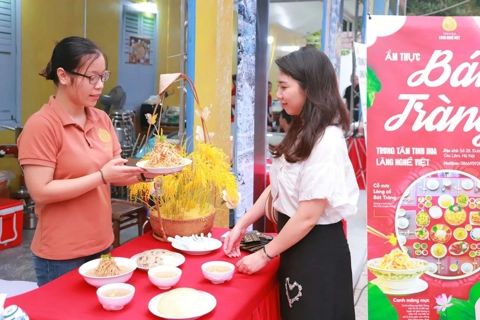
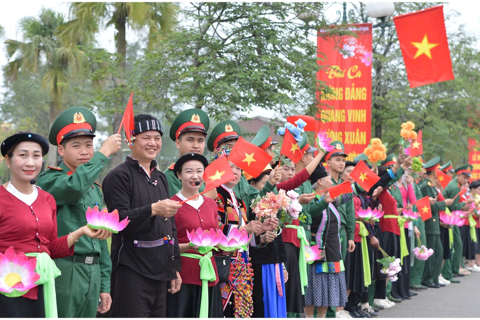
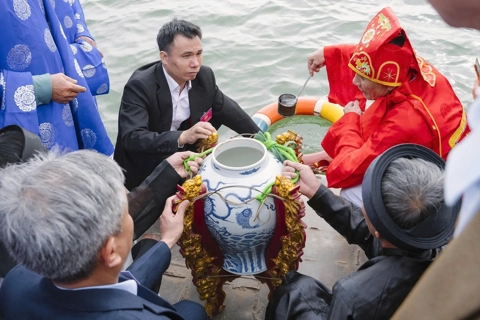
As daylight fades, the focus shifts from discovery to celebration, with the official opening ceremony featuring drum and music performances, folk games, water sports and afternoon tea by the riverbank. In addition, a seminar on green tourism cooperation underscores the policy and investment ambitions behind the project. Meanwhile, the evening concludes with visits to OCOP (One Commune One Product) exhibition booths, an outdoor barbecue, acoustic music along the Ca Lo River, a bonfire and fireworks, followed by overnight camping.

Visitors to Da Phuc Commune may have the opportunity to take part in a range of water sports activities.
The second day themed “Connecting and Developing” continues at the Ben Village campsite with sunrise viewing activities, allowing visitors to photograph hot air balloons floating above the Ca Lo River and explore a bamboo windmill landscape installation, highlighted by nine giant windmills and hundreds of smaller, vividly colored structures designed to frame the riverside scenery.
Da Phuc Commune, formed after administrative reforms in July 2025, is characterized by untouched river plains along the Cau and Ca Lo rivers. Its identity is deeply shaped by wet-rice civilization, longstanding agricultural traditions and a dense concentration of heritage sites and seasonal festivals, offering a foundation for experiential and eco-focused tourism.
Officials said the launch aims to introduce Da Phuc’s landscape and people to a wider audience while unlocking its potential across agricultural, cultural, spiritual and ecological tourism segments.
Beyond tourism, the event coincides with the 14th National Congress of the Communist Party of Vietnam taking place in Hanoi and welcomes the Lunar New Year, positioning Da Phuc as a showcase for green growth on the capital’s rural frontier.