Van Phuc Silk Village charts new path as sustainable tourism hub
One of Hanoi’s most renowned traditional craft hubs is set for comprehensive replanning to preserve its cultural heritage while positioning it as a model for sustainable tourism development.
THE HANOI TIMES — Van Phuc Silk Village in Hanoi is set to enter a new development phase as Hanoi moves to replan the area into a sustainable tourism hub centered on heritage preservation and community-based growth.
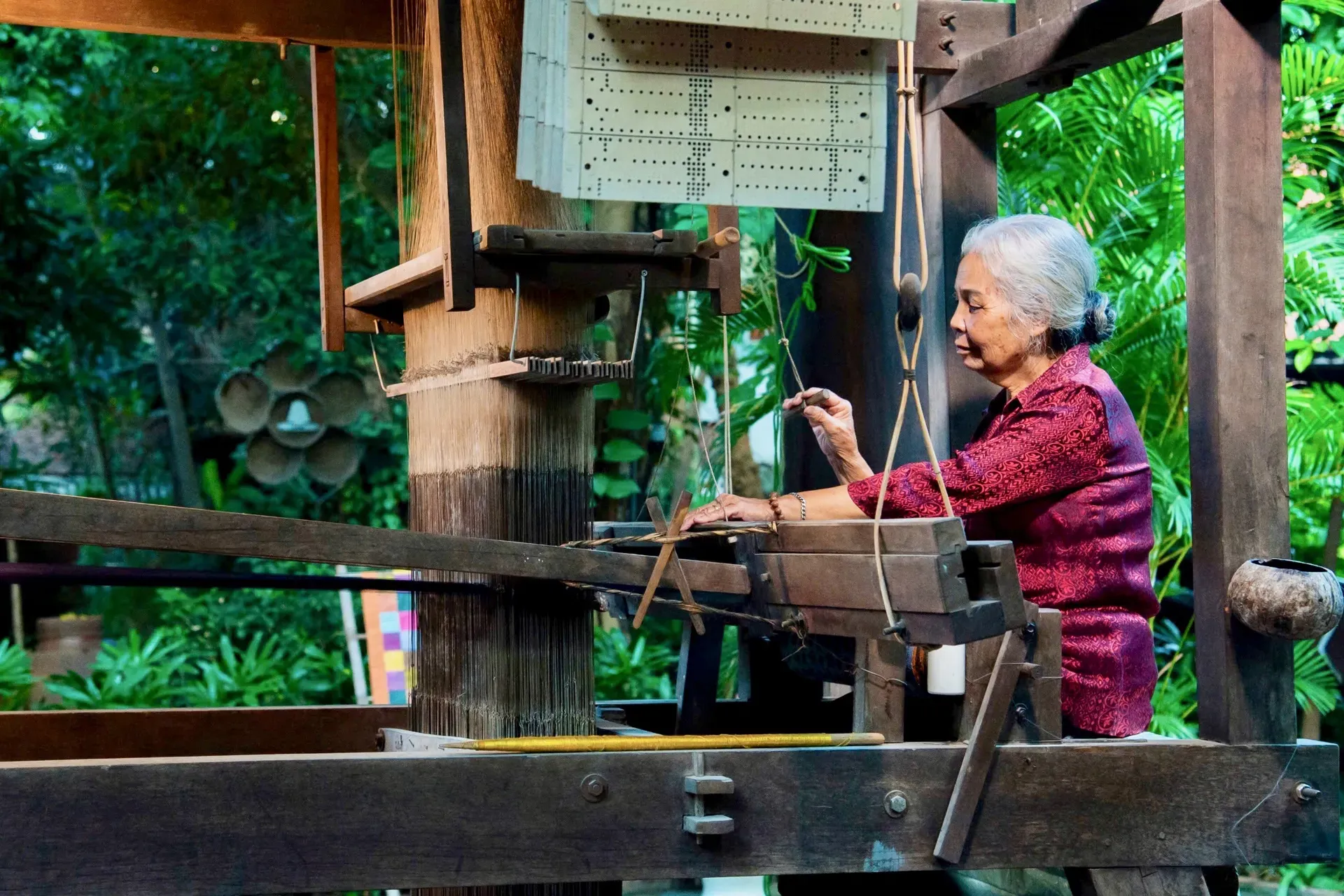
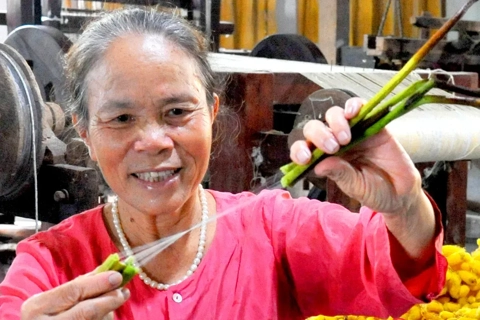
Silk weaving in Hanoi’s Van Phuc Silk Village has been practiced for more than a thousand years. Photo: Van Phuc/ The Hanoi Times
The plan, which follows recent administrative reforms and is scheduled to take effect from 2026, will reorganize development space to better integrate social and technical infrastructure, improve connectivity with surrounding residential areas and investment projects and support long-term, stable development.
Hanoi has approved a 1/500-scale detailed plan for preserving and developing Van Phuc as a traditional silk weaving village combined with tourism.
Covering about 385,153 square meters with around 4,654 residents, the planning area is bordered by Van Phuc auction land and the handicraft village to the northwest, Van Phuc Road to the southwest, the TSQ Galaxy 1 residential area and the Nhue River to the northeast and the La Khe canal to the southeast.
Preserving the village’s traditional structure is central to the plan, as authorities aim to protect Van Phuc’s cultural, historical and architectural values and its silk weaving heritage while selectively introducing new development to improve investment efficiency and living standards.
The plan defines land-use functions and architectural indicators for each parcel while setting out solutions for architectural and landscape organization and a synchronized, modern infrastructure system aligned with national standards and surrounding urban areas.
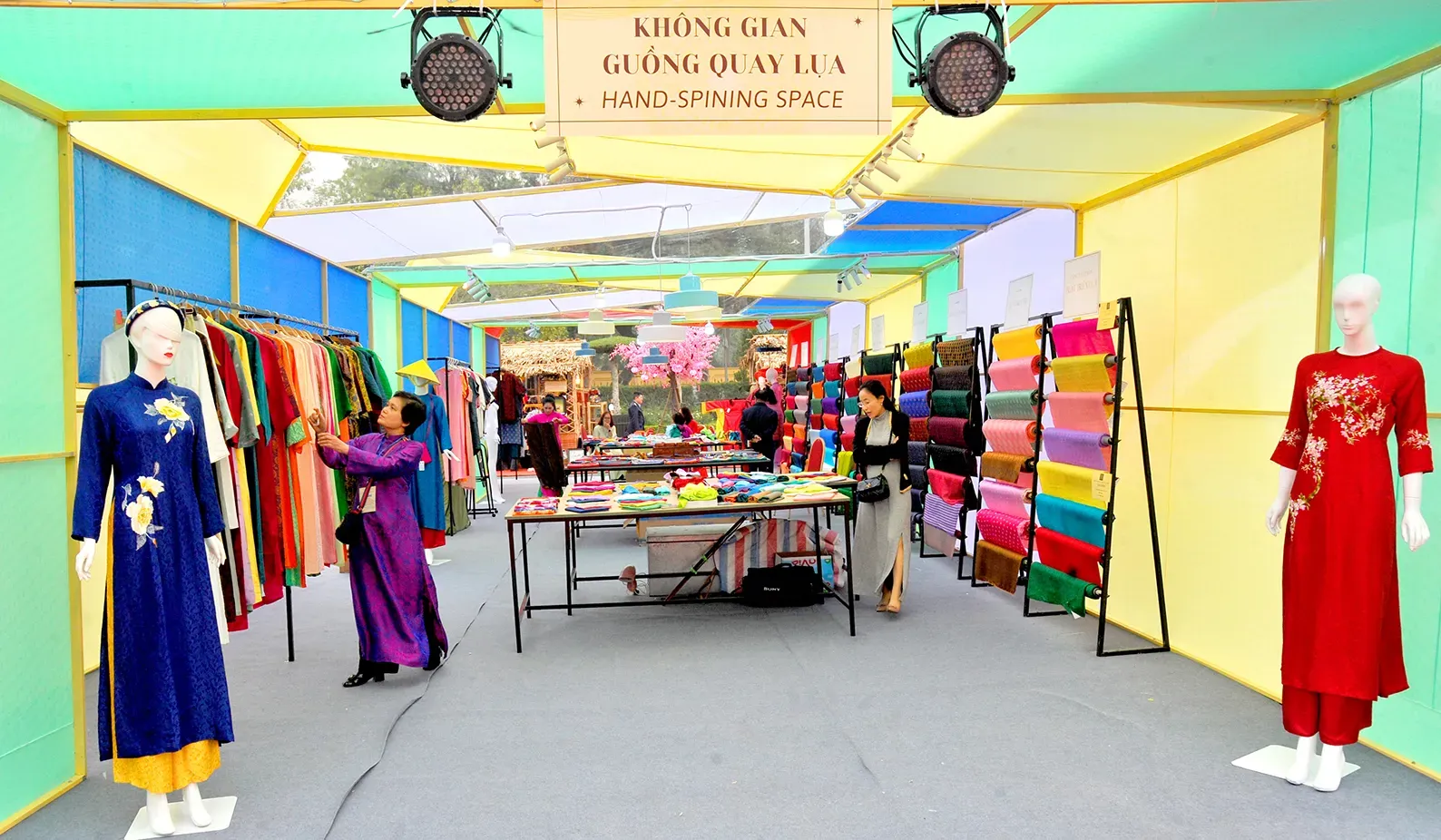
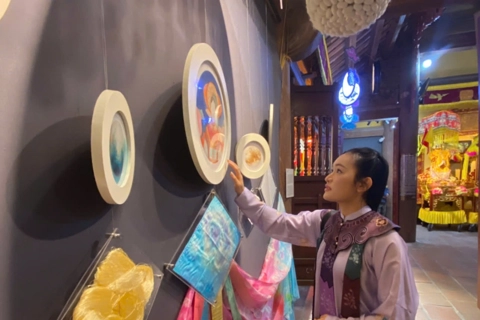
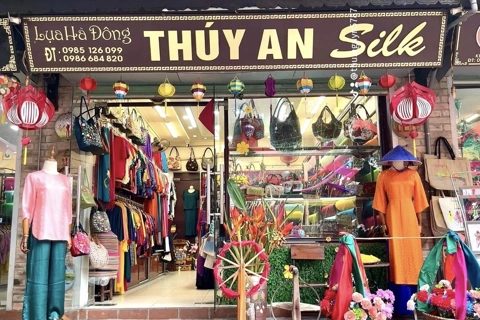
Van Phuc silk wins favor with customers in Vietnam and overseas. Photo: Van Phuc/ The Hanoi Times
The plan extends preservation beyond physical structures by zoning areas for conservation, renovation and new development while maintaining traditional roads, alleys, waterways, historical relics and silk production facilities and safeguarding craft skills and communal production spaces.
Tourism is positioned as a complementary driver, with spaces planned for craft demonstrations, weaving tours, product exhibitions and cultural experiences linked by internal routes connecting public areas, heritage sites and production zones.
Infrastructure upgrades form another pillar, including improvements to transport, water supply, drainage and environmental sanitation to support craft production and tourism, alongside pollution control measures and expanded green and public spaces to support a sustainable transition.
Implementation will involve multiple city agencies, with the Department of Planning and Architecture responsible for reviewing planning documents, the People’s Committee of Ha Dong Ward handling public disclosure and the Department of Construction and local authorities overseeing construction and compliance.
Together, the measures reflect Hanoi’s effort to align heritage preservation with economic development, positioning Van Phuc Silk Village as a model for integrating traditional craft communities into the city’s evolving urban and tourism landscape.
|
Van Phuc, located in Hanoi’s Ha Dong Ward, is widely regarded as Vietnam’s oldest continuously operating silk weaving village, with a history spanning more than a millennium. About 160 households still practice the craft, which has earned national recognition for its cultural and economic significance. Once reserved as royal tribute during Vietnam’s feudal era, Van Phuc silk gained international attention at the 1931 Marseille International Fair and expanded into Eastern European markets by the late 1950s. Today, its products are consumed both domestically and overseas, with several designs recognized under Vietnam’s “One Commune, One Product” (OCOP) program. In 2023, the Ministry of Culture and Sports designated Van Phuc silk weaving as a national intangible cultural heritage, underscoring its role not only as a commercial product but as a cultural emblem of Hanoi’s traditional craftsmanship. |