Hanoi's ancient silk village promotes cultural values, traditional trade
Van Phuc silk-weaving village in Hanoi is famous for its soft and delicate products, steeped in traditional Vietnamese culture.
Van Phuc, a craft village nestled in Hanoi's Ha Dong District, boasts a rich heritage spanning over 1,000 years, centered around the art of silk weaving. Today, with over 160 households continuing this revered craft, Van Phuc has been honored by the Vietnam Records Book Center as "the oldest silk village in operation" in the country.
The passion for a timeless craft
| A shop in Van Phuc Silk Village, Van Phuc Ward, Ha Dong District, Hanoi. Photo: Thuy An Silk |
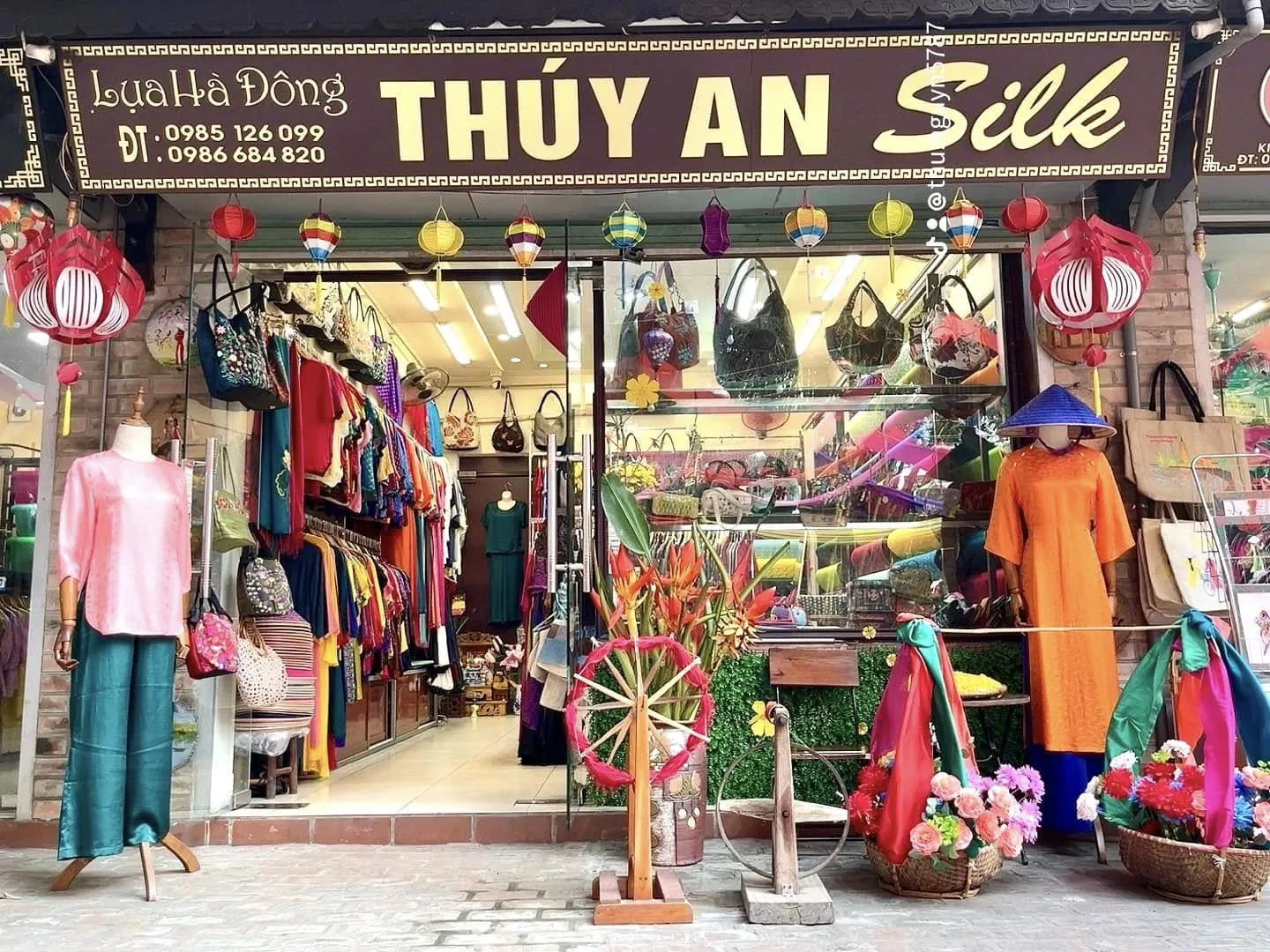
Van Phuc silk is celebrated for its unparalleled smoothness and its deep roots in Vietnamese culture. Once a tribute to kings during the feudal dynasties, it gained international recognition at the 1931 Marseille International Fair, where the French hailed it as "the most exquisite product of Indochina." By 1958, Van Phuc silk had crossed borders and reached Eastern European nations.
Today, the people of Van Phuc proudly claim that their silks are appreciated both at home and abroad. Several iconic products from the village have been featured in Vietnam's "One Commune, One Product" (OCOP) program, helping to preserve the craft. In 2023, the Ministry of Culture, Sports and Tourism declared Van Phuc silk weaving as a national intangible cultural heritage.
Van Phuc silk has become more than a product; it has become a cultural symbol of beauty, representing the rich heritage of Ha Dong District and the spirit of Hanoi. This remarkable legacy is preserved through the hands of the village's talented weavers.
Preserving the traditional craft
| The wonderful silk product of Van Phuc. |
.jpg)
According to Tran Thi Ngoc Lan, Vice President of the Van Phuc Silk Weaving Village Association, the village is home to many award-winning artisans, 16 of whom have been honored by the State and the Vietnam Craft Village Association.
Do Van Hien stands out as the sole designer of patterns for Van Phuc's silk products. Hien is respected for both his restoration of ancient patterns and his creation of innovative designs that keep the craft fresh and relevant. Other artisans, such as Nguyen Van Nam and Nguyen Anh Son, are honored for their mastery of nonfading silk dyeing techniques.
While modern tools and techniques have been incorporated, the Van Phuc silk weaving process remains faithful to the traditional method. Raw silk is first wound into bobbins, where it undergoes a meticulous process of drawing, joining, and weaving. The silk then undergoes intricate bleaching and dyeing processes, each of which requires precision and care.
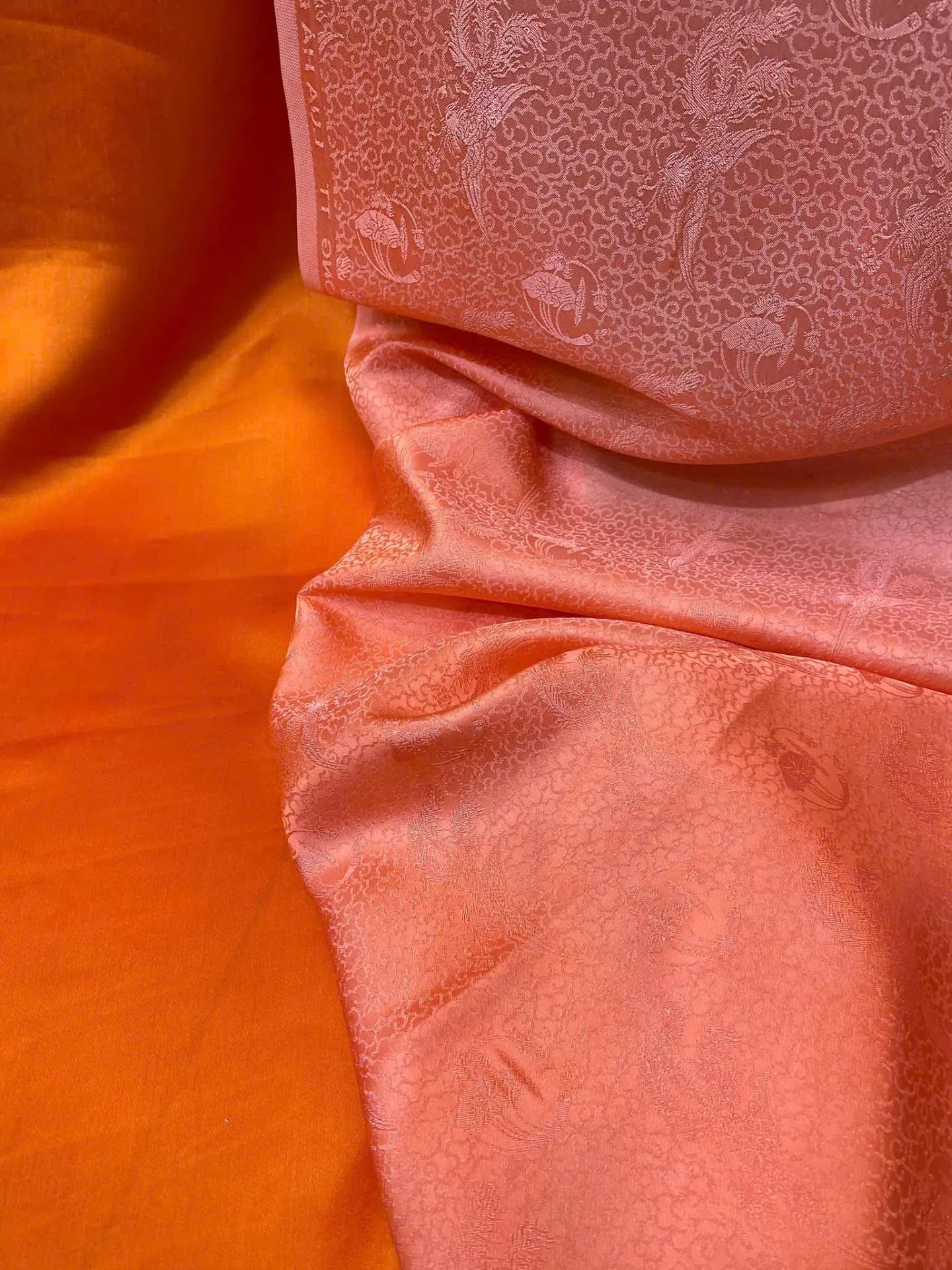
At present, Van Phuc produces about 70 kinds of silk and brocade, each with its own name, such as Bang Hoa, or silk with thousands of flower patterns, Long Phuong (dragon and phoenix), Lua May (pure white silk), and Tu Que (silk with four kinds of patterns or colors). Among these, the Lua May stands out for its smooth, shiny texture and the enchanting, hidden floral patterns that only reveal themselves in the light. In particular, products from Trieu Van Mao's production facility, including plain, Lua May, and satin, have been recognized as Hanoi's five-star OCOP products since 2019.
| A product of Van Phuc Silk. |
Artisan Nguyen Thi Hang expresses the pride of the community, telling The Hanoi Times: "Every resident of Van Phuc feels an immense honor in producing such beautiful silk. Maintaining the traditions of our silk weaving village is a matter of pride and creativity as we continue to develop this rare craft."
Fellow artisan Trinh Thi Cuc shares a similar sentiment, emphasizing her collaboration with skilled artisans to create refined silk pieces that meet the high standards of tailors and appeal to contemporary tastes. "We strive to create eye-catching motifs that resonate with modern consumers," she explained.
A legacy to uphold
In 2023, Van Phuc was awarded the prestigious Certificate of National Intangible Heritage, cementing its cultural significance. This designation, coupled with the decision by the Chairman of the Hanoi Municipal People's Committee to honor the village's 11 royal decrees, serves as a reminder of preserving this invaluable craft.
Pham Khac Ha, Chairman of the Van Phuc Association of Craft Villages said: “This certificate is a great honor for our people, and it also comes with the weight of responsibility. It is up to us, both the artisans and the Van Phuc Silk Weaving Village Association, to ensure the preservation of our craft and culture."
To encourage innovation, Ha said his organization had organized design competitions to promote creativity and expand product range to cater to diverse choices.
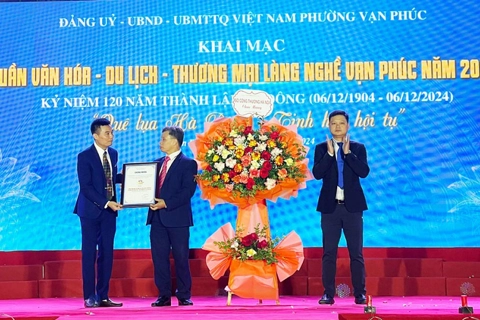
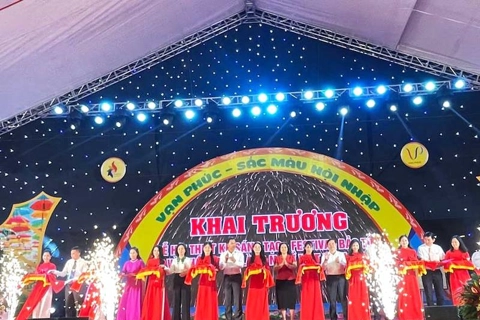
Last weekend, Van Phuc held a Culture and Tourism Week to promote its rich ancient trade with a variety of activities. These included a procession in honor of the founder of the craft with 600 participants, a trade and tourism fair featuring products from all over the country at 150 booths, folk performances, film screenings, and a ceremony recognizing Van Phuc as one of Hanoi's creative design centers.
The story of Van Phuc reflects tradition, pride, and dedication and more than that a legacy that continues to shine in Vietnam and around the world.