Hanoi seeks to revitalize To Lich River
Replenishing the river aims to restore the landscape and recover the ecosystem.
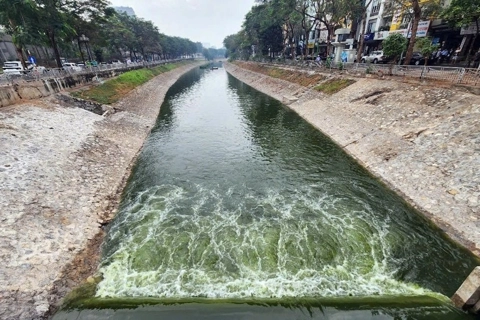
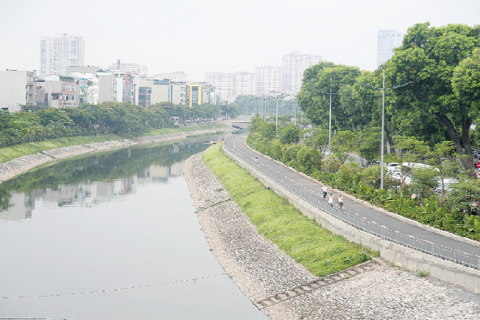
Efforts to revive the To Lich River are entering a promising new phase as Hanoi is implementing a comprehensive strategy that focuses on eliminating pollution sources, replenishing the river with water from the Red River, and enhancing the surrounding landscape, with a strong commitment to restoring its status as the city's iconic landmark.
| To Lich River. Photos: Nguyen Quy/The Hanoi Times |
Addressing root causes
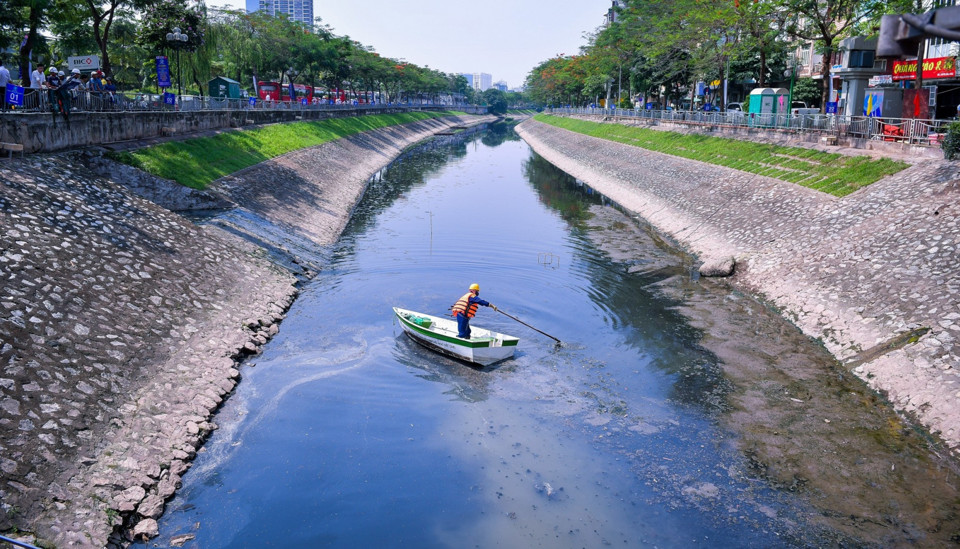
One of the key components to clean up the To Lich River is the Yen Xa Wastewater Treatment Plant capacity of 100,000 cubic meters per day and night, sufficient to treat wastewater from the To Lich River basin, raising Hanoi’s overall wastewater treatment rate to 40% and significantly improving the river’s water quality.
Beyond wastewater treatment, the project aims to enhance the living environment, restore the natural ecosystem, and improve sanitation conditions in urban areas along the To Lich River, the left bank of the Nhue River, and the Lu River basin. However, a major challenge in operating the plant is handling approximately 200 tons of sludge produced daily.
Currently, around 40 small sewer outfalls remain unconnected to the wastewater treatment system because they are part of other projects in the pipeline. To avoid direct dumping into the To Lich River they will be integrated into the Yen Xa wastewater treatment system. Once wastewater is effectively controlled, the city will begin transferring water from the Red River to the To Lich River enhancing its self-cleaning ability.
On February 5, Hanoi issued a plan to divert water from West Lake and the Red River into the To Lich River to strengthen its self-purification capacity, a crucial step in improving the water quality of Hanoi’s inner-city rivers, helping to reduce the long-standing issues of black, foul-smelling water.
Hanoi has outlined a detailed plan to supplement water to the To Lich River to enhance water quality and improve urban landscapes. The Department of Construction has been tasked with proposing a plan to transfer water from the West Lake to the To Lich River through the Tay A Gate - Cong Do - Thuy Khue canal system when needed to maintain water levels in the river.
The project, with a total investment of approximately US$22 million, is expected to be completed before September 2025. It is designed to supply between 240,000 and 270,000 cubic meters of water per day and night to increase the river’s water level and flow.
Tran Duc Ha, former Director of the Institute of Water Supply, Drainage, and Environment Research under the Vietnam Water Supply and Sewerage Association, said that introducing water from the Red River to rejuvenate the To Lich River is essential.
“A river must have flow, and the channeling of water from the Red River via West Lake to improve the To Lich River’s water quality is a necessary measure as long as maintaining a steady flow and strengthening self-purification processes, particularly during the dry season,” he said.
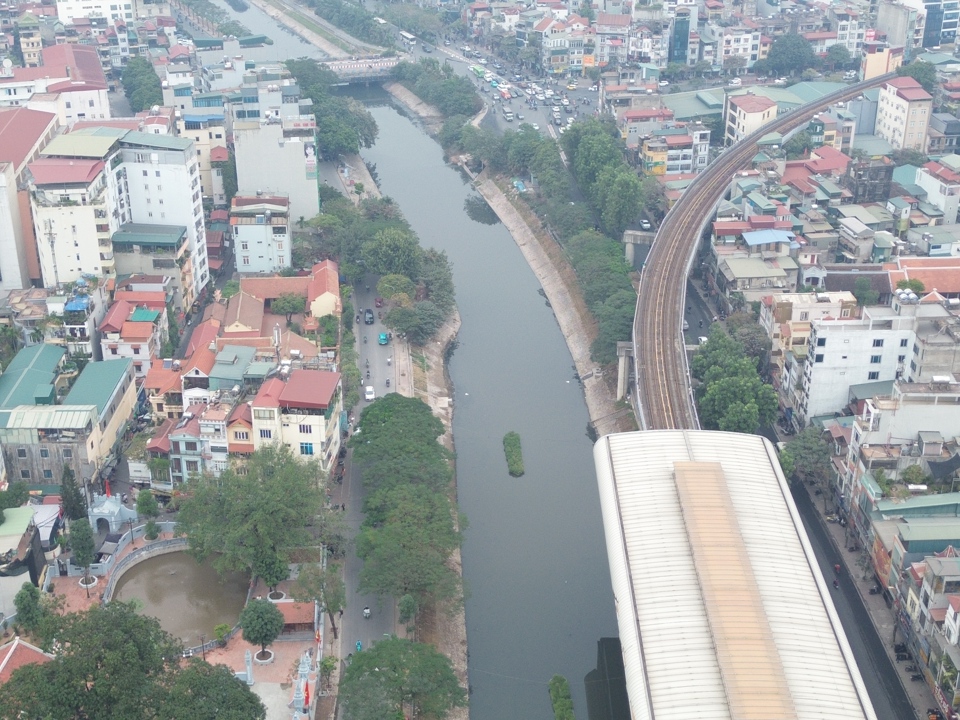
| To Lich River from above. |
Meanwhile, Hoang Dinh Giap, Deputy Director of the Hanoi Planning Center, said that in addition to public education campaigns, the city needs to implement strict penalties to ensure behavioral change among residents. “If Hanoi applies stringent regulations and specific penalties, environmental pollution issues will gradually improve,” said Giap.
The To Lich River was once a symbol of Hanoi, but for many years, it has been one of the city’s most polluted waterways. With the solutions, including wastewater treatment, water replenishment, landscape restoration, and stricter enforcement, the river is expected to return to its original splendor.
Hanoi is taking efforts to revive the To Lich River. If all the proposed measures are carried out on schedule, not only will this river be restored, but the entire inner-city river system will see significant improvements.
To Lich River, stretching approximately 14 kilometers, flows through six districts of Hanoi. Due to rapid urbanization and poor environmental awareness among some residents, the river has become heavily polluted, often referred to as a "dead river." Over the years, Hanoi authorities have implemented various measures to restore To Lich, yet pollution levels remain high with little significant improvement. Now, the city is pursuing a comprehensive set of solutions in hopes of breathing new life into the river. |