Log in
Hanoi

Hanoi spends nearly US$2 billion on developing new-style rural areas

A new-style rural area needs to meet 19 criteria in different fields: planning, economic growth, infrastructure, production, socio-culture, and environment.

Hanoi has spent more than VND42.9 trillion (US$1.8 billion) to complete all targets in building new-style rural areas from 2021 to the first quarter of 2023.

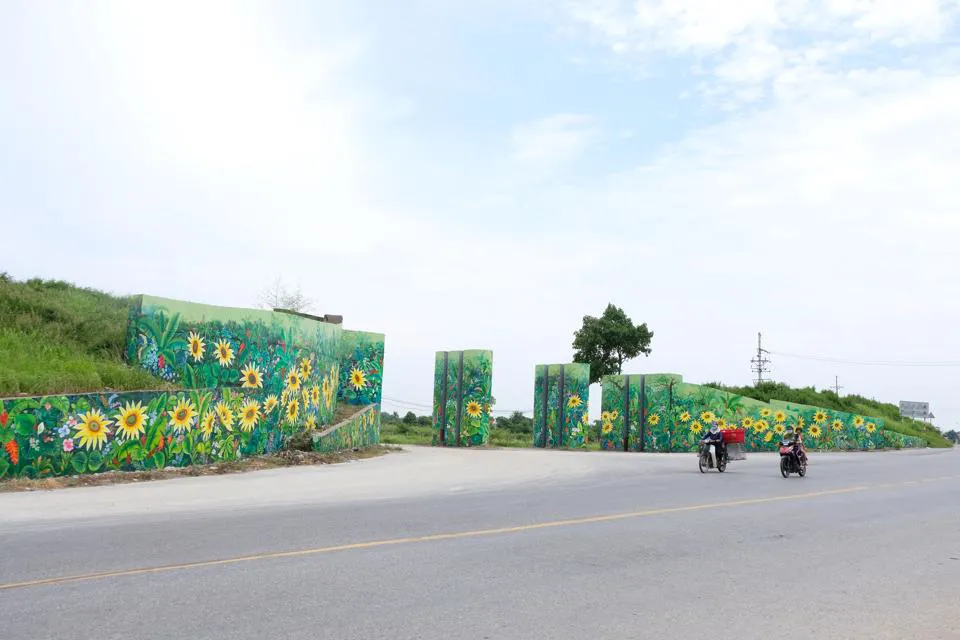
Phuc Tho District in Hanoi reached the new-stye rural criteria in 2020. Photo: Lam Nguyen/The Hanoi Times

Director of the Hanoi Department of Agriculture and Rural Development Nguyen Xuan Dai said that the investment has enabled the city to achieve positive results in 2022 and the first quarter of 2023. As of March 2023, Hanoi has 63 more communes that meet the standards of new-style rural areas.

"The capital aims to complete all the goals of the new-style rural areas development program in all districts and communes by 2025. 

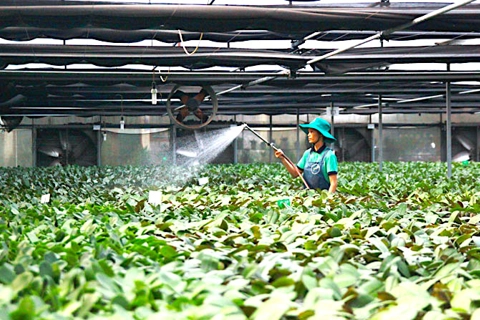
The director emphasized that Hanoi has made effective use of concentrated production areas lately, effectively utilizing the potential and strength of each region and promoting comprehensive agricultural development in a modern direction. "The city government will review and adjust its plans and projects for new-style rural areas while continuing to develop socio-economic infrastructure in line with urban development," Dai said.

He stressed that besides promoting sustainable agricultural development and improving local agricultural products' quality, value, and competitiveness, Hanoi would pay more attention to environmental protection and increase the income of local people in rural areas.

According to the new set of criteria for basic and advanced new-style rural communes for the 2021-2025 period, a new-style rural commune has to meet 19 criteria in many fields, including planning, economic growth, infrastructure, production, socio-culture, and environment.

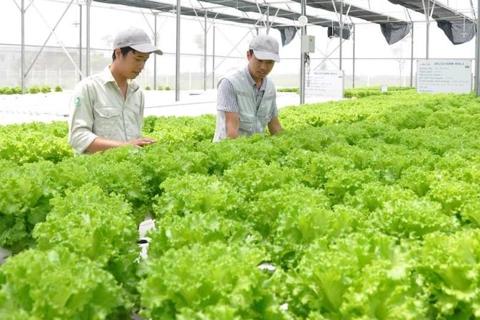
The criteria are specified for different regions. Specifically, a new-style commune must have 80% of its farming area with active irrigation systems. Per capita, income must be VND48 million ($2,100)/ year on average in 2022. The communes must have effectively operating cooperatives and production-selling connection models, implement origin tracking regulations on their major products, and develop farming areas meeting VietGAP standards.

Besides, they must satisfy criteria on health care insurance coverage, malnutrition rate among children under five years old, and the rate of residents having electronic medical records. Meanwhile, they must also show strong performance in environmental protection, especially waste treatment systems, along with criteria on food safety.
Reactions:
Share:
Trending
Most Viewed
Related news
Hanoi looks to Seoul’s Han River revival for Red River transformation

Hanoi looks to Seoul’s Han River revival for Red River transformation

The revival of the Han River transformed Seoul’s urban landscape, improved residents’ quality of life and supported South Korea’s broader growth, the possible transformation for the Red River.

Hanoi set for special measures to unlock mega projects

Hanoi set for special measures to unlock mega projects

Such a move would help Hanoi launch major infrastructure projects and advance the city’s long-term development.

Hong Van Commune rises as Hanoi’s emerging model for community-based tourism

Hong Van Commune rises as Hanoi’s emerging model for community-based tourism

Blessed with natural beauty, strengthened by deep cultural heritage and supported by its residents, Hong Van Village is emerging as one of Hanoi’s most distinctive tourism destinations. From ecology and agriculture to handicrafts and festivals, this Red River village is shaping a dynamic vision of sustainable community tourism for the capital.

Hanoi unveils digital heritage journeys to connect tradition with modern urban life

Hanoi unveils digital heritage journeys to connect tradition with modern urban life

Hanoi has launched a new digital heritage program that brings centuries-old cultural assets into a modern, interactive format. By mapping key monuments and creating themed journeys, the city aims to help residents and visitors explore its deep-rooted identity through fresh, engaging experiences.

Hanoi launches two-wheel electric vehicles to expand green urban mobility

Hanoi launches two-wheel electric vehicles to expand green urban mobility

Hanoi has introduced two-wheel electric vehicles for the first time in its transport network, offering residents a new green mobility option and marking a key step in the city’s smart-transport development.

Thai AirAsia launches new Hanoi–Luang Prabang route to boost regional travel

Thai AirAsia launches new Hanoi–Luang Prabang route to boost regional travel

Thai AirAsia has opened a new direct Hanoi–Luang Prabang route using Fifth Freedom traffic rights, creating a faster and more convenient link between two major heritage destinations in Vietnam and Laos.

Hanoi orders strong air-pollution measures and warns schools to adjust schedules

Hanoi orders strong air-pollution measures and warns schools to adjust schedules

Hanoi has issued new directives requiring schools to restrict outdoor activities and consider suspending classes when air quality drops to hazardous levels, while launching a sweeping crackdown on pollution sources across the city.

Hanoi – Vientiane ties set pace for bilateral cooperation

Hanoi – Vientiane ties set pace for bilateral cooperation

The two sides have inked two city-level agreements and eight agreements covering areas such as Party building, economic and investment cooperation, agriculture, health, education and people-to-people ties.