Hanoi: Symbolic buildings bear witness to history
Besides its rich culture and impressive cuisine, Hanoi is famous for architectural landmarks that symbolize different development periods.
Tucked away in the verdant surroundings of lakes and forests, Hanoi's iconic buildings are not only popular tourist attractions, but also recognized in the architectural community as the birthplace of distinctive pieces.
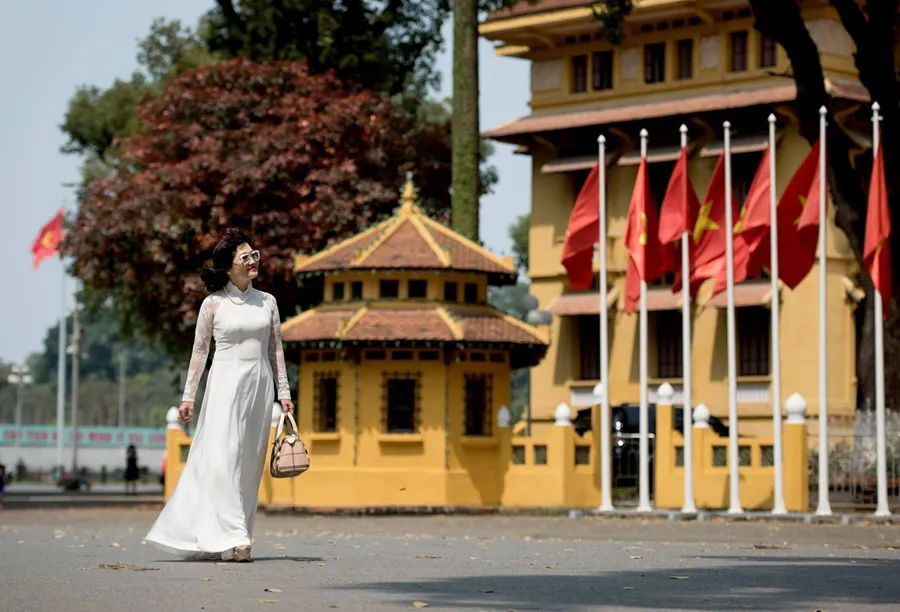
| The headquarters of the Ministry of Foreign Affairs in Ba Dinh District, Hanoi. Photo: Nguyet Khanh |
It's no coincidence that Hanoi was named one of the top 20 cities for architecture in 2023 by Insider Monkey, a financial website that tracks hedge funds and corporate insiders.
The capital of Vietnam ranked 16th on the website's list of cities from 20 countries with outstanding architecture, including the US, Italy, the United Arab Emirates, Spain, Greece and others.
The Presidential Palace and other government buildings in the nation's capital are examples of the S-shaped country's typical architecture, according to the website. It also described the Hanoi Opera House as a "masterpiece of architecture".
Let's look at the typical architectural works that bear witness to the city's formation and steady development, together with The Hanoi Times.
Ho Chi Minh Mausoleum
| Opened in 1973, the monument was built on the spot where President Ho Chi Minh read the Declaration of Independence on September 2, 1945, establishing the Democratic Republic of Vietnam. Photo: Duy Khanh |
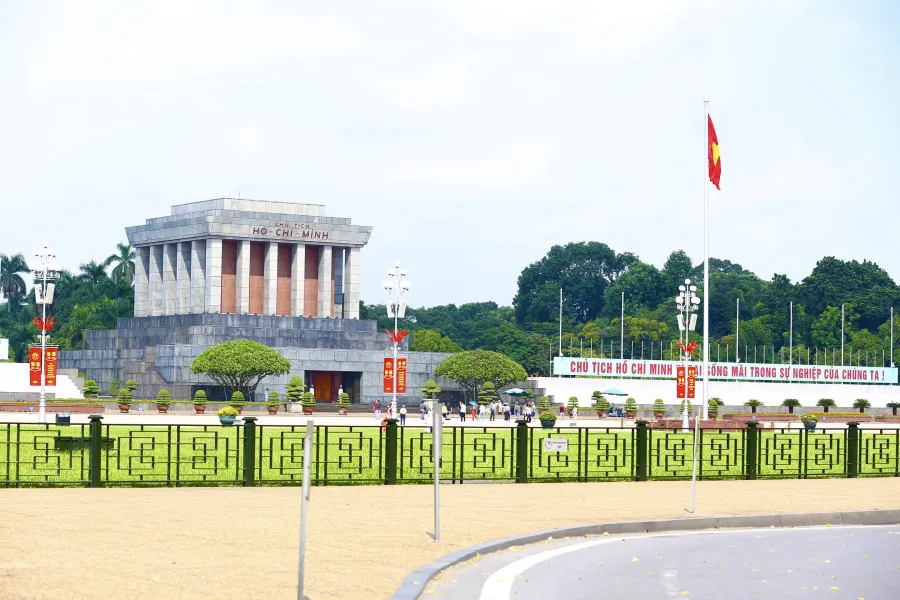
The Mausoleum of President Ho Chi Minh is also known by the popular name 'Lang Bac' or 'Uncle Ho Mausoleum'. This architectural site not only leaves foreign tourists in awe, but is also considered the 'Heart of Vietnam' - a sacred and proud destination for the entire nation.
Contributions from the people of the Soviet Union and Vietnam helped build the Uncle Ho Mausoleum, which exemplifies the spirit of brotherhood and unity. There are three levels in the mausoleum, totaling 21.6 meters in height and 41.2 meters in width.
The mausoleum's exterior is made of gray granite, surrounded by square granite columns. The portico of the mausoleum bears the inscription "Chu Tich Ho Chi Minh" or President Ho Chi Minh made of plum-colored ruby.
Construction began in 1973 and the mausoleum was officially inaugurated in 1975. Since then, Lang Bac has been an extremely important historical and cultural heritage site where generations of Vietnamese people come to pay tribute to the nation's hard-earned freedom and independence.
Presidential Palace
| The presidential palace was designed by Auguste Henri Vildieu, French architectural assistant in French colonial Hanoi. Like most French colonial architecture, the palace is distinctly European. Photo: Duy Khanh |
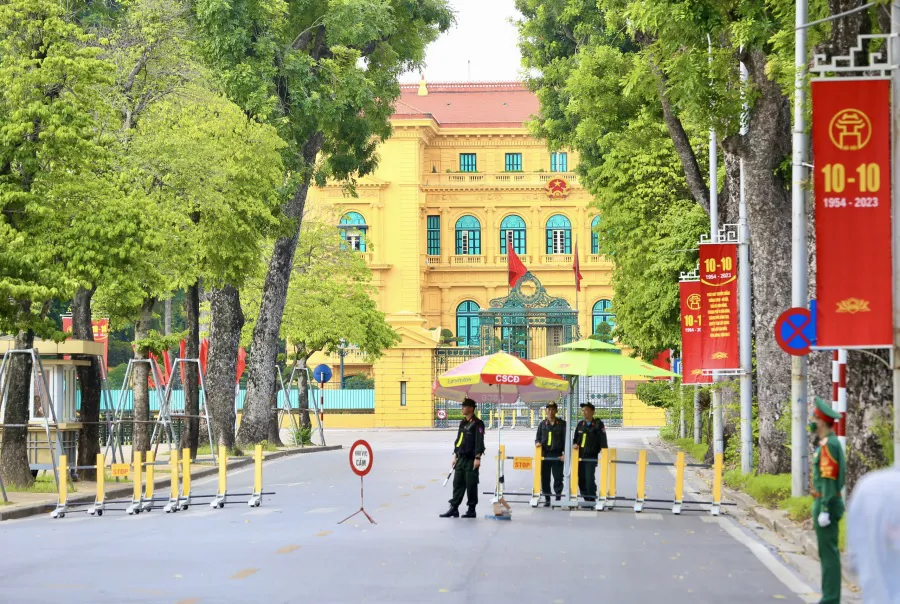
The Presidential Palace, located in Ba Dinh District, is the office of the President of the Socialist Republic of Vietnam. It is adjacent to the Ho Chi Minh Mausoleum, Ba Dinh Square and the National Assembly House. The Palace is also the venue for the welcoming ceremony of heads of state or government on their official visits to Vietnam.
As early as 1883, after the occupation of Hanoi, the French colonial authorities began to build infrastructure such as the Palace of the Governor General of Indochina. Its construction lasted from 1901 to 1906.
On May 15, 1975, the Presidential Palace was listed as a relic site by the Ministry of Culture and Sports (now the Ministry of Culture, Sports and Tourism). Today, it has been included in the list of special national relics by the Prime Minister of Vietnam.
Hanoi Opera House
| For a long time, the Hanoi Opera House has been a rendezvous for those who love theatrical performances and traditional songs and music, symphonies, opera, and classical opera. Photo: Quang Bui |
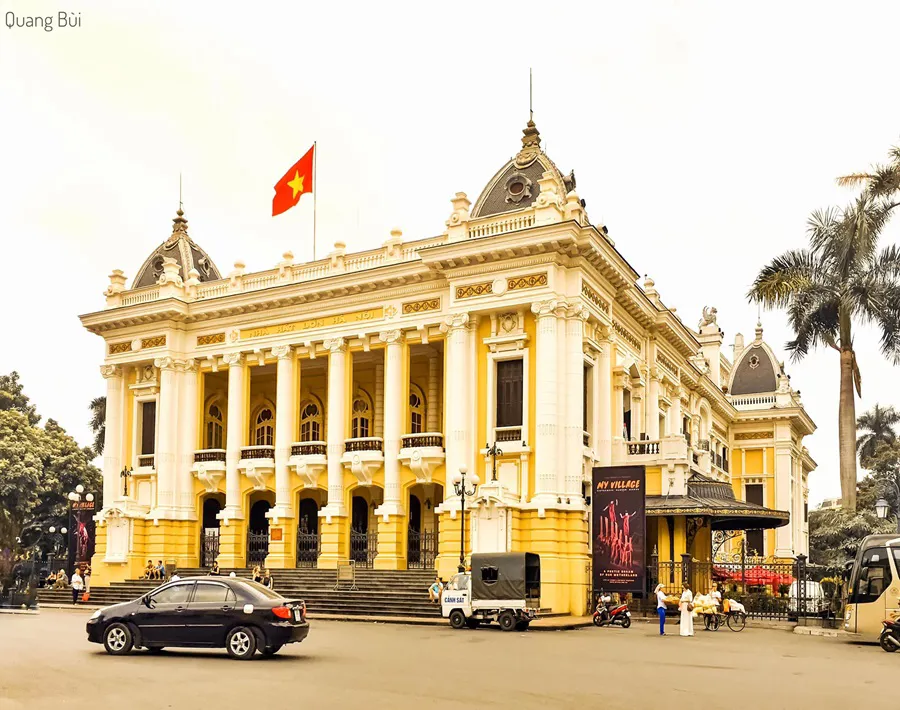
The Hanoi Opera House, called a "miniature Opéra Garnier" (in Paris), boasts unique architecture and is a powerful magnet for visitors. It is recognized as a national relic and is associated with important events in the capital and the country.
The building covers an area of 2,600 square meters in Cach Mang Thang Tam (August Revolution) Square in Ba Dinh District, facing Trang Tien Street. Construction began in 1901 and was completed in 1911. Designed by two French architects, Harlay and Broyer, the Opera House's performance space, staircase, lobby entrance and floor plan are similar to those of theaters in the South of France.
National Assembly House
The National Assembly House is also known as the National Assembly Building of Vietnam or the New Ba Dinh Hall. This is the headquarters of the National Assembly of Vietnam and where its plenary sessions take place.
| The National Assembly House covers an area of 63,000 square meters and is 39 meters high. The building can accommodate 80 meetings with more than 2,500 people. |
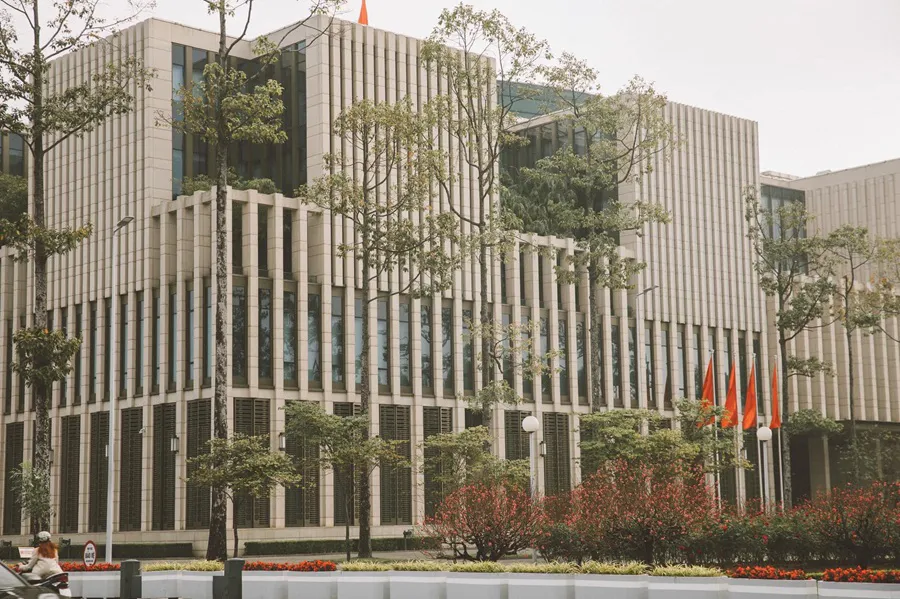
In 2009, construction began on the National Assembly building on Doc Lap Street in the Ba Dinh political center. The landmark is located opposite Lang Bac and near the archaeological site at 18 Hoang Dieu Street.
In total, this project took 15 years from concept to completion. Its square floor plan and circular main meeting room were inspired by the legend of "Banh Chung, Banh Giay" or square green and round white sticky rice cakes - a typical legend in traditional Vietnamese culture. It is not only an important public building, but also the largest and most complex office building in Vietnam.
Ministry of Foreign Affairs headquarters
| With its gorgeous facade, Vietnam's Ministry of Foreign Affairs Headquarters is an ideal place for nice photos. Photo: Nguyen Huy Nhan |
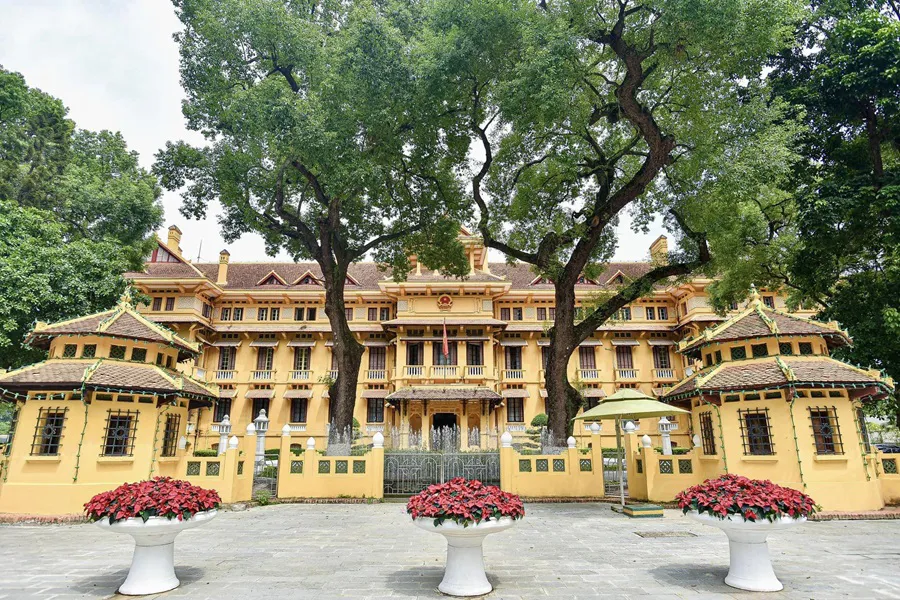
The headquarters of the Ministry of Foreign Affairs is located at 1 Ton That Dam Street in Ba Dinh District. Although it was built during the French colonial period, it features Eastern architecture with a multi-layered tile roof system. In particular, the large roof at the center of the facade is coupled with window sunshades on each floor and the lobby roof. Due to its unique architecture, this landmark is nicknamed the "hundred-roof building".
In October 1945, President Ho Chi Minh designated the building as the headquarters of the Ministry of Foreign Affairs. To date, it has hosted countless important diplomatic events in the country.
In August 2016, the landmark was listed as a national architectural and artistic relic.