Hanoi taxman expects all local enterprises to use e-invoices this September
Using e-invoices would help contribute to the development of e-commerce, and keep a healthy and fair business environment, stated a senior tax official.
To ensure that 100% of local enterprises register for e-invoicing before September 30 set by Hanoi’s leaders, the city’s Department of Taxation have been disseminating the benefits of e-invoices and addressing concern of the business community during the process.
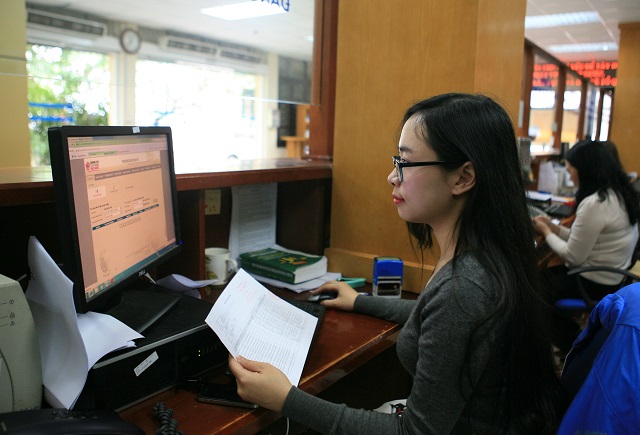
| By the end of September, 100% of enterprises in Hanoi are expected to use e-invoices. Photo: Thanh Hai. |
As of August 5, Hanoi had 112,500 enterprises and organizations, or 80.2% of the total, registering for e-invoicing. So far, over 11.4 billion e-invoices have been issued and 403.7 million e-invoices have been sent to customers, while the number of enterprises using e-invoices is 58,000.
Director of Hanoi’s Department of Taxation Mai Son said the agency is cooperating with e-invoice providers to support organizations and enterprises during the e-invoice registration process.
Mr. Son said Hanoi had previously held a conference promoting the use of e-invoice, but also acknowledged the challenge of encouraging the remaining 20% of enterprises to opt for e-invoices in less than two months.
The tax authority is committed to ensuring the most favorable conditions for enterprises using e-invoices, Mr. Son stressed.
According to Mr. Son, e-invoicing is now an inevitable trend for enterprises in the Industry 4.0, which help them save a significant chunk of expenses related to paper invoices, including printing, storing, and administrative procedure compliance cost.
Moreover, using e-invoice is much safer as all data are stored in servers, Mr. Son said, adding this help firms to quickly trace back information of their business partners and the origin of the invoices if needed.
As e-invoicing would minimize risks of billing frauds and ensure transparency, it is expected to contribute to the development of e-commerce, as well as keeping a healthy and fair business environment, Mr. Son suggested.
Under a national plan for the development of e-commerce by 2025 released on May 18, the Vietnamese government has set the target of achieving around 55% of the population shopping online with an average spending of US$600 annually by 2025.
Revenue from online sales of business-to-consumer e-commerce, known as B2C e-commerce, is set to grow by 25% per year to US$35 billion, accounting for 10% of total goods retail sales and service revenues.
Meanwhile, the government expects the share of population using related services, including non-cash payment services, would be at 50%, and through intermediary payment services at 80%.
By 2025, 80% of e-commerce websites should be integrated with online shopping and 70% providing e-invoices.
Notably, Hanoi and Ho Chi Minh City would make up half of e-commerce revenues in the next five years.