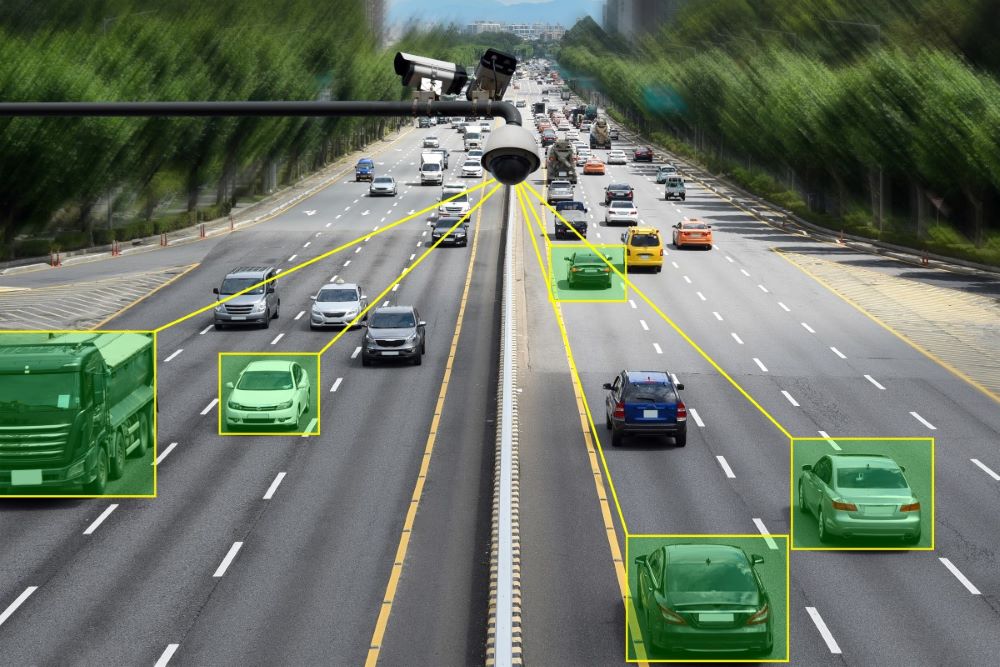
People-centric ITS for better traffic in Hanoi
Hanoi’s traffic problems, exacerbated by the increasing number of private vehicles, can only be solved by implementing intelligent transport systems.
Hanoi is developing a project to equip the city with an intelligent transport system (ITS) to empower people in their mobility choices, cut management costs, and ease traffic in an overburdened infrastructure.
| Vice Director of the Hanoi Department of Transport Do Viet Hai at Vietnam - Asia Smart City Summit 2023 in Hanoi on Nov 28. Photo: Thanh Hai/The Hanoi Times |
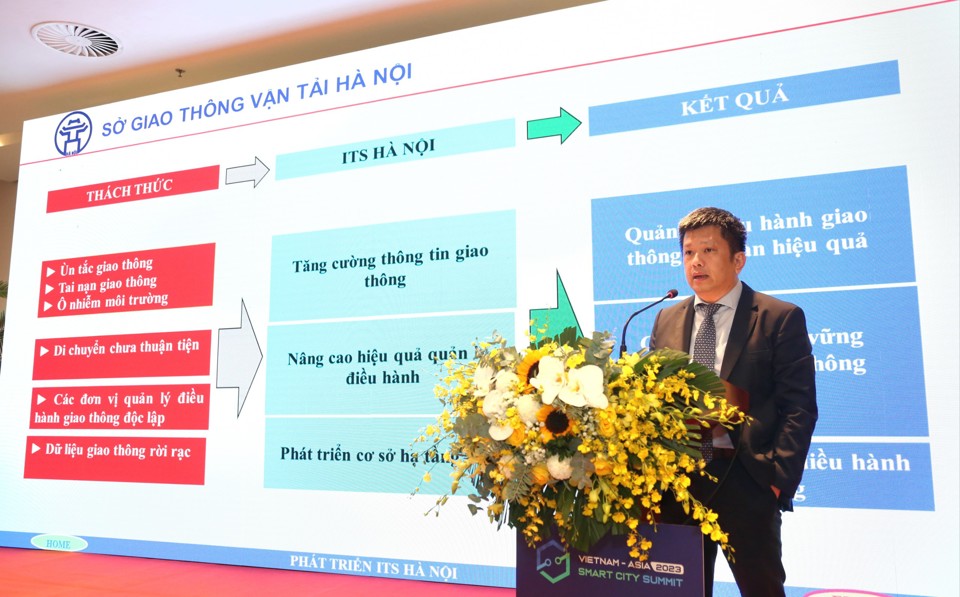
This view was shared by Vice Director of the Hanoi Department of Transport Do Viet Hai at the Vietnam - Asia Smart City Summit 2023 held today in Hanoi.
An intelligent transport system (ITS) is an innovative application that offers cutting-edge services for various modes of transport and traffic control, helping commuters utilize safer and smarter transport networks.
The ITS will provide more road information and improve traffic monitoring and management. The system's data will be shared with other agencies and branches, saving managerial costs, Hai said.
Accordingly, Hanoi’s ITS will include four main components with users at the center of the application. Specifically, users can download transport apps on their smart devices and pay via bank accounts, cards, or online payment apps. Meanwhile, means of transport, whether cars, buses, motorbikes, or bikes can be equipped with smart apps.
To monitor the system, the city’s Central Monitoring Center plays an important role in traffic control, emergency control, maintenance, providing traffic information, and data management. Data will be collected through traffic cameras, traffic lights, parking lots, the Internet of Things (IoT) sensors and the support of artificial intellectual (AI).
The ITS will be developed quickly and accurately with data updates from different sources, such as the Hanoi Maps app, public means of transport, and public spots. The system will be enhanced by an integrated traffic monitoring center, electronic signs boards, traffic lights, and sensors, among others.
The roadmap for the ITS will vary from 2024 to 2045. In 2024-2026, the city will upgrade the Center for Public Transport Monitoring to the Center for City’s Transport Management and Monitoring. At the same time, it will build the city’s e-transport map, install monitoring devices, develop municipal transport software, and launch e-tickets for all modes of public transportation.
From 2027 to 2030, the city’s priority is to build an integrated smart transport monitoring center, invest in surveillance equipment, and introduce urban tolling.
For the 2030-2045 period, Hanoi will advance the creation of a digital map for the city’s traffic system, modernize the integrated intelligent traffic operation center, finish installing and financing monitoring centers, and manage urban tolling.
In developing the ITS, it should keep in mind factors such as traffic patterns, infrastructure limitations, environmental considerations, and future development plans, according to experts at Institute of Planning and Transportation Engineering, Hanoi University of Civil Engineering.
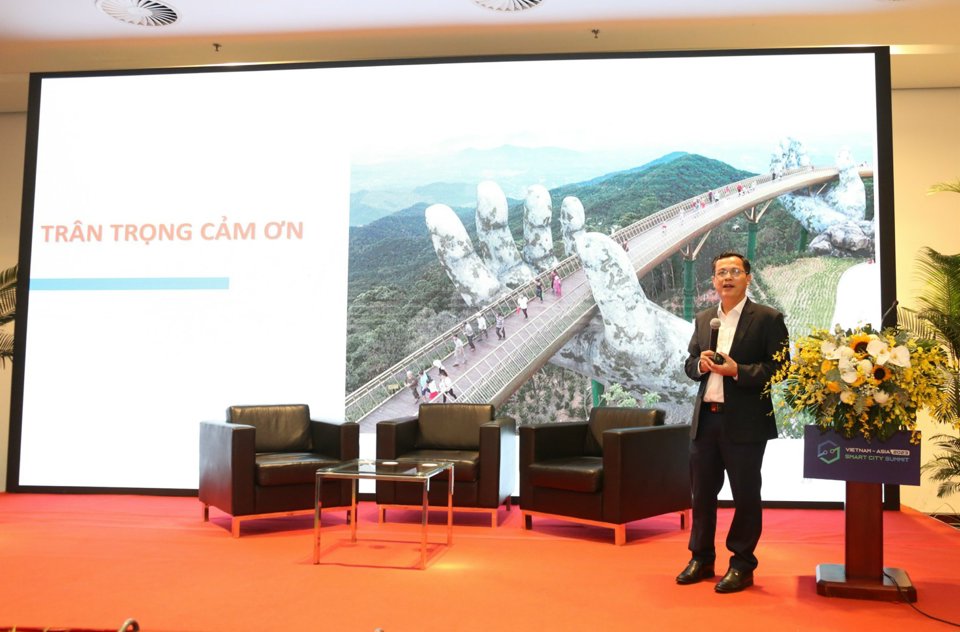
| Tran Ngoc Thach, Vice Director of the Danang Department of Information and Communications. Photo: Thanh Hai/The Hanoi Times |
Factors needed
Hanoi faces an overburdened transport infrastructure with nearly eight million of private vehicles as of June 2023 with an annual growth rate of 5% for motorbikes and 7-10% for cars. Meanwhile, the growth of the city’s land for transport purposes is only 12-13%, half of the planned target of 23-26%.
As a result, traffic congestion and environmental pollution are inevitable in Hanoi.
To make ITS application possible, Do Viet Hai said it’s necessary to have a regulatory framework issued by the city and the government, requirements for data integration, and investment under the public-private partnership (PPP).
Hai took an example of the ITS model is the launch of inter-route electronic tickets by the Hanoi Public Transport Management Center (TRAMOC). The system is estimated to save about VND300 billion (US$12.4 million) per year in payments to 4,000 bus ticket vendors.
The e-ticket will also enable passengers to travel throughout the city's public transport network with just one ticket.
On this occasion, the ITS model from Danang was highlighted as a lesson for Hanoi. Speaking at a session, Tran Ngoc Thach, Vice Director of the Danang Department of Information and Communications, said the city's investment has been worthwhile over the past few years.
So far, the city has more than 3,000 traffic cameras installed citywide with AI support in identifying, classifying, monitoring, and tracking vehicles. In addition, the city also has smart parking lots to manage the parking. All the data shared among seven districts in the city, Thach said, highlighting the importance of developing data and sharing it among state agencies in monitoring ITS.
| Smart vehicle monitoring system: Source: Teledyne Flir |