Hanoi's boundary expansion: A boost for tourism development
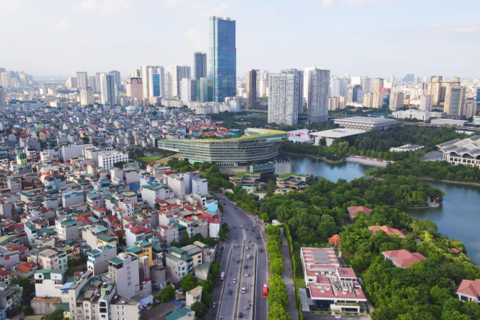
Hanoi's territorial expansion has helped the tourism industry diversify its offerings by combining the advantages of both original Hanoi and the newly incorporated districts.
The expansion of the administrative boundaries has facilitated the development of tourism in Hanoi which is planned along the Red River to Ba Vi, My Duc and Ung Hoa districts, according to Tran Trung Hieu, Deputy Director of the Hanoi Tourism Department.
Cultural fusion
After the territorial adjustment, the city is home to 136 tourist areas, including 32 recognized as city-level tourist attractions.
In the newly incorporated areas, tours such as resorts, community-based tourism activities or visiting ancient villages have been created.
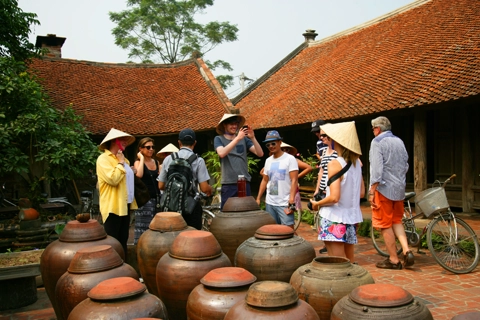
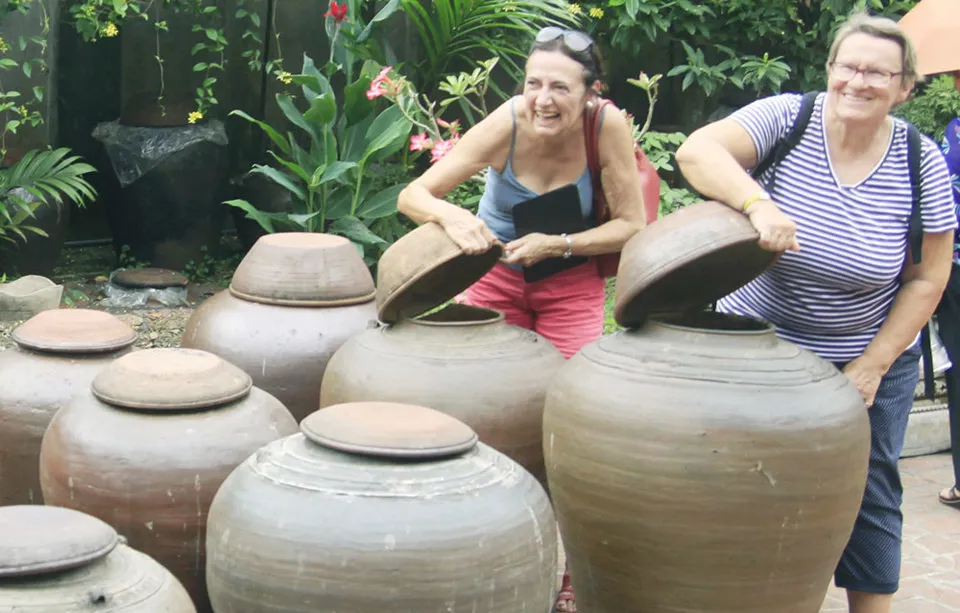
| Foreign tourists explore the local culture at Duong Lam ancient village. Photo: Duc Ninh/Kinhtedothi.vn |
Many tourist sites have become indispensable for people in the capital during weekends and national holidays, such as Tuan Chau-Quoc Oai Amusement Park, Bao Son Paradise Theme Park, and Vietnam National Village for Ethnic Culture and Tourism.
Tours to cultural-historical relics and handicraft villages have been diversified, such as Duong Lam ancient village, Thay Pagoda, Tay Phuong Pagoda, Bat Trang pottery village, Van Phuc silk village, and Ha Thai Lacquer Village.
Local tourism has grown strongly both qualitatively and quantitatively, which is regarded as the outstanding result of 15 years of administrative expansion.
"Tourism has boosted various industries, created jobs, and improved people's lives. In addition, the development of international tourism also helps strengthen and expand economic ties with countries around the world," Hieu said.
Tourism development also creates opportunities for cultural exchange between Hanoi and regions throughout the country. At the same time, it contributes to the sustainable preservation of local cultural heritage and natural resources. Another benefit of tourism is that more infrastructure has been built in rural areas, preventing migration to urban areas.
| Children learn history at the Thang Long Imperial Citadel. Photo: Ngo Minh/The Hanoi Times |
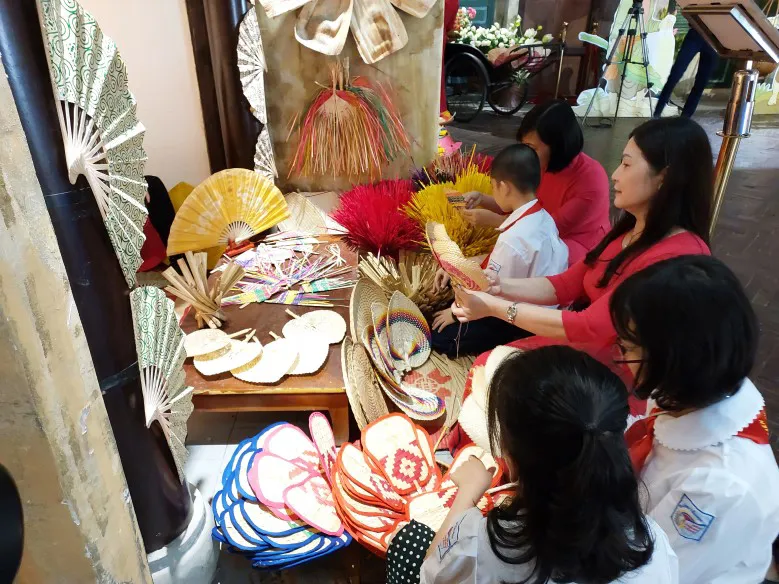
"Tourism provides career opportunities for local people. They can choose to do business in accommodation, transportation, food, and beverage services in their hometown instead of leaving home to earn a living in a faraway land," Hieu said.
Unique products
The development of the capital's tourism industry will be based on its inherent potential and advantages while preserving and promoting the cultural, social and unique values of the capital.
The Department of Tourism has been implementing training programs to train professional tourism workers and developing tourism products based on traditional culture as a foundation.
| Visitors learn about the nation's history through artifacts on display at the Hoa Lo Prison Relic. Photo: Ngo Minh/The Hanoi Times |
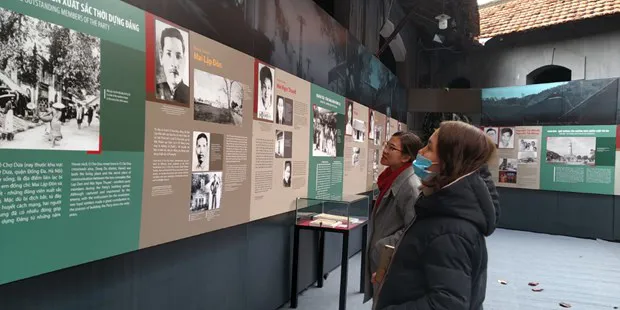
There are many cultural and experiential tours that have proven to be tourist magnets, such as the night tour "Decoding the Imperial Citadel" of the Thang Long Imperial Citadel or "Sacred Night" of the Hoa Lo Prison Relic.
Aiming to reaffirm Hanoi as a "Safe - Friendly - Quality - Attractive" destination, the Hanoi Department of Tourism will focus on MICE tourism, ecology, resort and healthcare, considering these kinds of tourism breakthroughs besides night tours, food tours and walking street shopping.
In addition, the development of agricultural and rural tourism models on both banks of the Red River will be the focus of Hanoi's tourism sector.
To align the culture and tourism development plan with the capital's planning, Ha Minh Hai, deputy chairman of the Hanoi People's Committee, asked the Hanoi Institute of Socio-Economic Research and relevant organizations to gather opinions from experts in the fields of planning, tourism and culture.
"The plan must be supported by figures, specific indicators and comparisons with similar cities worldwide," Hai said.
The Hanoi People's Committee is determined to build Hanoi into an "innovative city," a "city of peace," a "civilized, cultured and modern city," and an influential urban center in the Southeast Asian region. Hanoi will be in the group of cities with advanced culture, imbued with national identity, home to leading developed cultural industries, owning prestigious and competitive brands and products, and contributing to tourism and export development.
In the first six months of 2023, the total number of tourists to Hanoi reached 12.33 million, an increase of 42% over the same period in 2022, of which the number of international visitors was 2.03 million, while domestic tourists numbered 10.3 million.
It is expected that in 2023, Hanoi will attract over 22 million tourists (over 3 million international visitors).
By 2030, the income from cultural industries will increase every year and contribute about 8% of the GRDP, by 2050, it will be 10% or more of the city's GRDP.