Log in
Hanoi

Hanoi’s largest flower region hard hit by pandemic

During the Covid-19 pandemic, flower farmers are finding it difficult to sell their products due to the closure of flower shop to comply with the government social distancing measures.

The Covid-19 pandemic is taking a heavy toll on many industries, among them, flower cultivation. Flower farms in Me Linh district of Hanoi, which provide millions of flowers every day for the local markets and other provinces across the country, are desolate these days due to the Covid-19 outbreak, Kinh te Do thi newspaper reported.

According to the statistics of Me Linh district People's Committee, the acreage of flower cultivation in the district currently totals about 600 hectares.

During the Covid-19 pandemic, local flower farmers are finding it difficult to sell their products due to the closure of flower shop to comply with the government social distancing measures. Besides, orders from other provinces and cities fall, leading to the decline of flower farmers’ income.

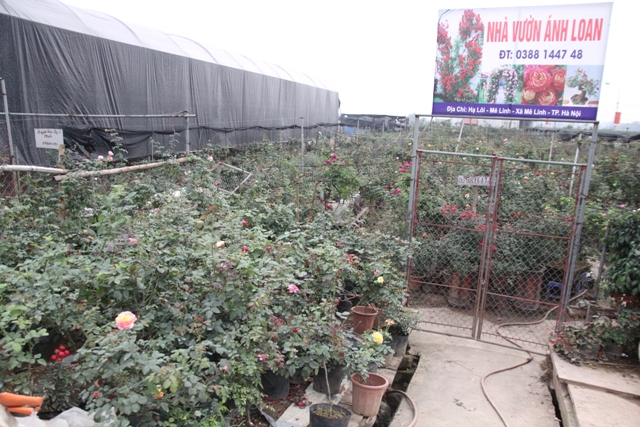
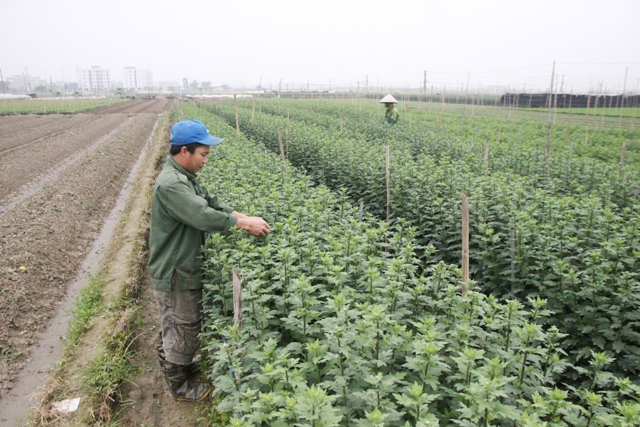
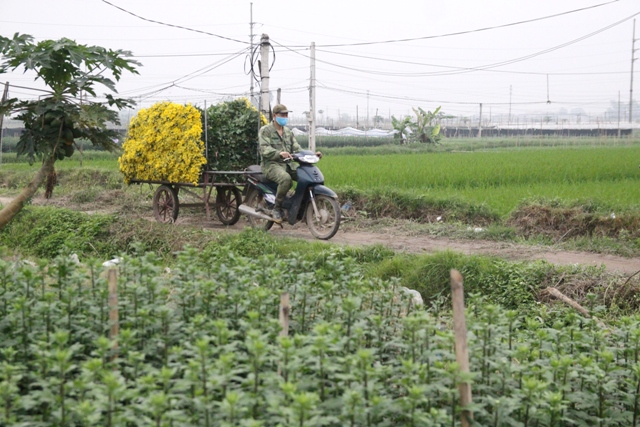
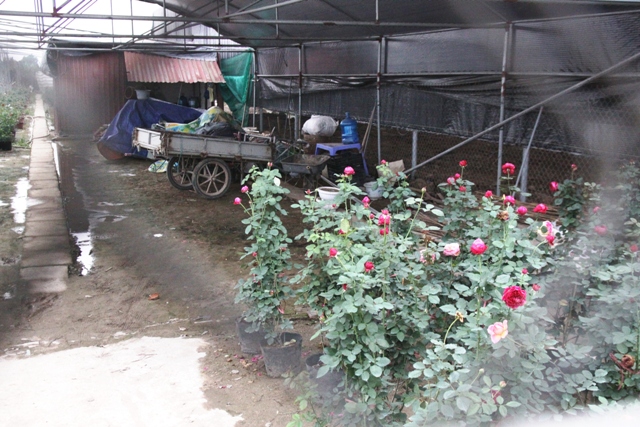
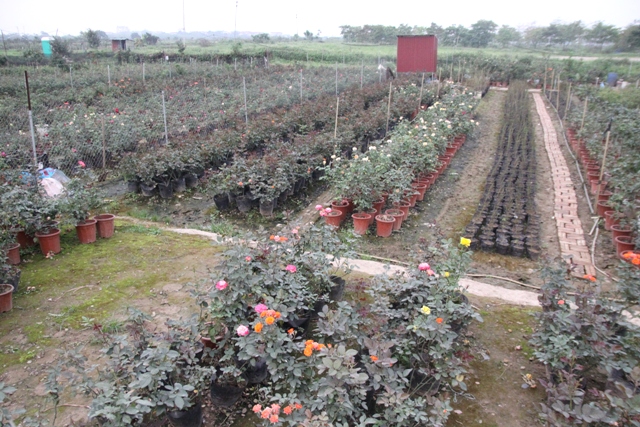
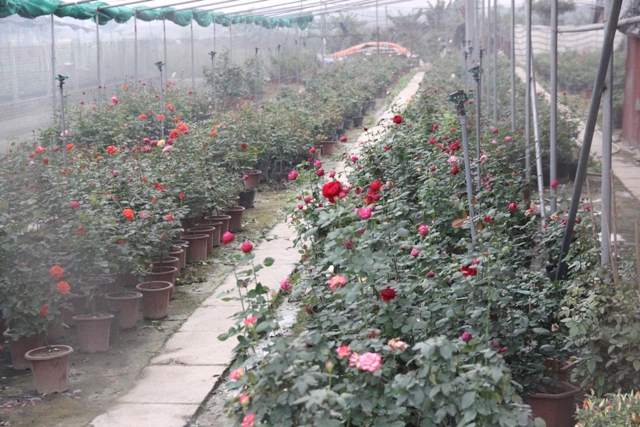
The following are some photos taken at flower farms in the Me Linh district in the midst of the Covid-19 pandemic:


A flower field was closed due to Covid-19 pandemic.


Only some farmers are still working on the fields.


A few farmers went to the field to harvest chrysanthemum at the end of the season. However, they take the flowers home without knowing what to do with them as no one buys flowers these days.


Nobody is at the tents which are set up for flower trading.

 Without demand, the income of florists in Me Linh district will certainly decrease.
 The flowers bloom but there are no collectors amid the complicated evolution of Covid-19.
Reactions:
Share:
Trending
Most Viewed
Related news
Hanoi gears up for a vibrant 2026 Countdown

Hanoi gears up for a vibrant 2026 Countdown

With the energy of thousands gathering in Hanoi downtown, the Countdown 2026 promises to be an unforgettable way for people to welcome the New Year.

Hanoi launches AI-powered traffic control center for traffic violations

Hanoi launches AI-powered traffic control center for traffic violations

The system automatically detects common violations, significantly reducing the need for traffic police to be deployed directly on the streets while improving accuracy and transparency in traffic management.

Hanoi plans 10,000-hectare urban megacity with world-class stadium

Hanoi plans 10,000-hectare urban megacity with world-class stadium

The stadium’s design draws inspiration from Dong Son bronze drums and the Lac bird motif, symbolizing Vietnam’s aspiration to rise.

Hanoi greenlights Olympic sports city and Red River boulevard to drive next growth phase

Hanoi greenlights Olympic sports city and Red River boulevard to drive next growth phase

The approval of two landmark projects underscores Hanoi’s push to unlock new growth engines, reshape its urban structure and accelerate its ambition to become a green, smart and globally connected capital.

Hanoi targets 1,200 supporting industry firms by 2030

Hanoi targets 1,200 supporting industry firms by 2030

The city aims to enhance the competitiveness of the capital’s industrial sector by tightening cooperation with Vietnamese enterprises and multinational corporations operating in Vietnam.

Red River Boulevards shape Hanoi’s new growth axis

Red River Boulevards shape Hanoi’s new growth axis

The creation of a landscape boulevard can help Hanoi reconnect with its historic identity shaped by water and restore the river-based character that defined the city for centuries.

Hanoi moves to strengthen urban order and civility

Hanoi moves to strengthen urban order and civility

These include expanding public communication efforts, reorganizing and upgrading streets and sidewalks, maintaining a clean and orderly urban environment and carrying out strict inspections to address violations.

Hanoi honors 87 entities and buildings for using green energy

Hanoi honors 87 entities and buildings for using green energy

Enterprises adopted highly automated technologies in line with Industry 4.0 standards and all businesses in industrial parks, clusters, rural industries and craft villages will keep applying energy-efficient measures.