Hanoi’s second metro: Untold story of challenges for successful operations
The operation of the elevated section of the Nhon – Hanoi Station metro line, the second of its kind in Vietnam, has sparked emotions of joy but the difficulties behind told us about the city’s efforts to make the goals possible.
The metro line has been a key infrastructure project in Hanoi’s urban development, but it has also been fraught with challenges and pressures. Le Trung Hieu, Deputy Director of the Hanoi Department of Planning and Investment and former deputy head of the Hanoi Urban Railway Management Board, has been at the forefront of managing the complex dynamics surrounding the project.
His leadership highlights the intricate balance between pushing for progress and navigating numerous obstacles which included some of the major challenges: Delays and Technical Difficulties, Coordination with Multiple Stakeholders, Regulatory and Safety Standards, Public Adaptation and Integration with Urban Transport, and Environmental and Social Impacts.
| Le Trung Hieu, Deputy Director of the Hanoi Department of Planning and Investment and former deputy head of the Hanoi Urban Railway Management Board. |
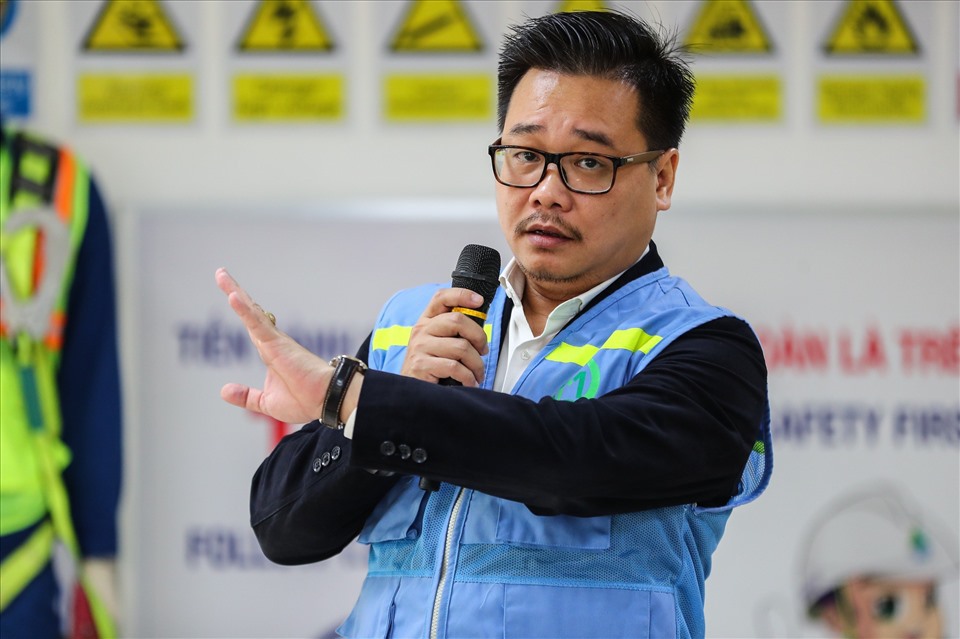
Le Trung Hieu, in a conversation with The Hanoi Times, said he and his colleguages were excited to see the launch of the elevated section of the Nhon-Hanoi Station metro line. But like many large-scale infrastructure projects, experienced significant delays due to a range of factors such as land acquisition, slow administrative processes, and changes in design specifications. Technical issues, including the coordination of multiple contractors and integration of advanced metro technologies, also complicated the project.
Securing consistent funding has been a major hurdle. The project, financed by both domestic and international loans, faced cost overruns and delays in disbursement, leading to further delays in construction. Currency fluctuations and inflation further added to the financial strain.
According to him, one of the biggest challenges was the coordination among various stakeholders, including international contractors, consultants, local authorities, and government agencies. Effective communication and cooperation were essential to ensure that construction and operational standards were met.
Therefore, ensuring that the metro complies with international safety standards requires rigorous testing and certification. This process often led to delays as the system had to meet stringent safety protocols before being cleared for public use.
Hieu has also emphasized the importance of integrating the metro system with Hanoi's broader urban transport network. Public adaptation to using the metro over traditional forms of transport, like motorbikes and buses, has been a focus of operational planning.
"The metro construction had to account for minimizing environmental impact and addressing social concerns, including displacement of residents and the impact on businesses near construction sites," Hieu shared.
Hieu said he recognized the high expectations from the public and government regarding the Nhon-Hanoi Station metro line. He noted the importance of maintaining transparency with the public and stakeholders. By regularly updating the public on the progress of the project, Hieu aimed to manage expectations while maintaining trust.
He also acknowledged the inconvenience caused by the ongoing construction, particularly in the city center, but underscored the long-term benefits the metro will bring in terms of reducing traffic congestion and pollution.
| A train of the Nhon-Hanoi Station metro line. Photo: Duy Khanh/The Hanoi Times |
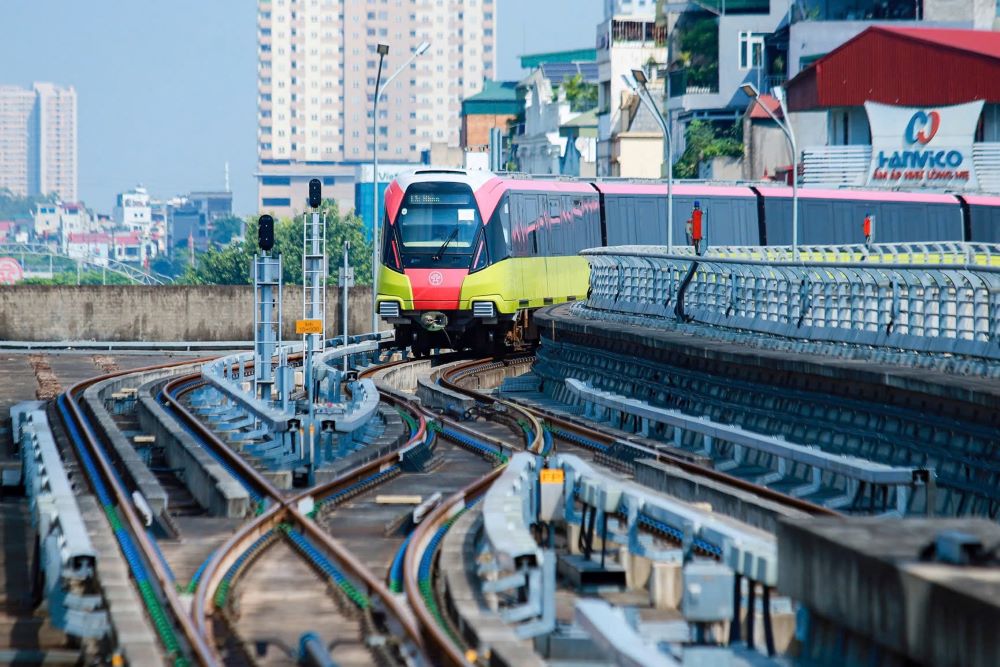
In his discussions, Hieu often placed the Nhon-Hanoi Station project within the broader context of Hanoi’s urban development goals. He articulated a vision where the metro system becomes the backbone of a modern, efficient public transportation network that reduces the city’s reliance on personal vehicles. This is seen as part of Hanoi’s long-term strategy to manage urbanization, reduce traffic congestion, and address environmental concerns, such as air pollution.
Le Trung Hieu expressed optimism about the future, stating that once completed, the Nhon-Hanoi Station metro line will play a transformative role in the city’s infrastructure, making commuting easier and contributing to the city’s economic growth.
Despite these challenges, the second metro line is set to significantly improve Hanoi’s public transportation landscape, easing traffic congestion and contributing to the city's green development goals.
Le Trung Hieu's leadership in overcoming these obstacles is key to ensuring the success of Hanoi’s urban rail expansion, setting the stage for future development in the city’s growing economy.
He articulated a comprehensive vision for the future of Hanoi's urban railways, especially following the launch of the Nhon-Hanoi Station metro line. His outlook reflects a long-term strategy aimed at transforming the city's transportation infrastructure to support Hanoi’s growth and modernize its urban mobility.
According to the city’s government, the ultimate goal is to have eight metro lines across Hanoi, with future phases connecting the central business districts, residential areas, and industrial zones, easing the pressure on Hanoi’s congested roads.
By expanding the metro system, the city aims to significantly reduce the number of motorbikes and private cars on the streets, which will, in turn, alleviate traffic jams. This shift towards public transport is expected to result in fewer emissions, contributing to improved air quality in the city, a major concern in Hanoi’s urban planning.
Hanoi’s urban railways are viewed as forward-thinking, focused on creating a modern, efficient, and sustainable transportation system that will not only ease congestion but also reshape the city’s urban environment. By building on the success of the Nhon-Hanoi Station metro line, the city’s leadership hopes to make the metro system the backbone of Hanoi’s public transportation network, contributing to the city’s long-term economic and environmental goals.