How Hanoi is redefining education in a digital learning city
The era of Confucian scholars traveling to the capital for imperial exams has passed, but the reverence for knowledge, the teacher-student bond and the tireless pursuit of learning endure in the memories of Hanoians.
THE HANOI TIMES — The nostalgic image of old-school educators reminiscing about Hanoi’s academic traditions might suggest a longing for the past. But for many veteran teachers in the capital, memory serves not as an anchor, but as a compass, guiding the vision of a modern, integrated, and lifelong learning urban center.
Digital transformation brings relief to exam season
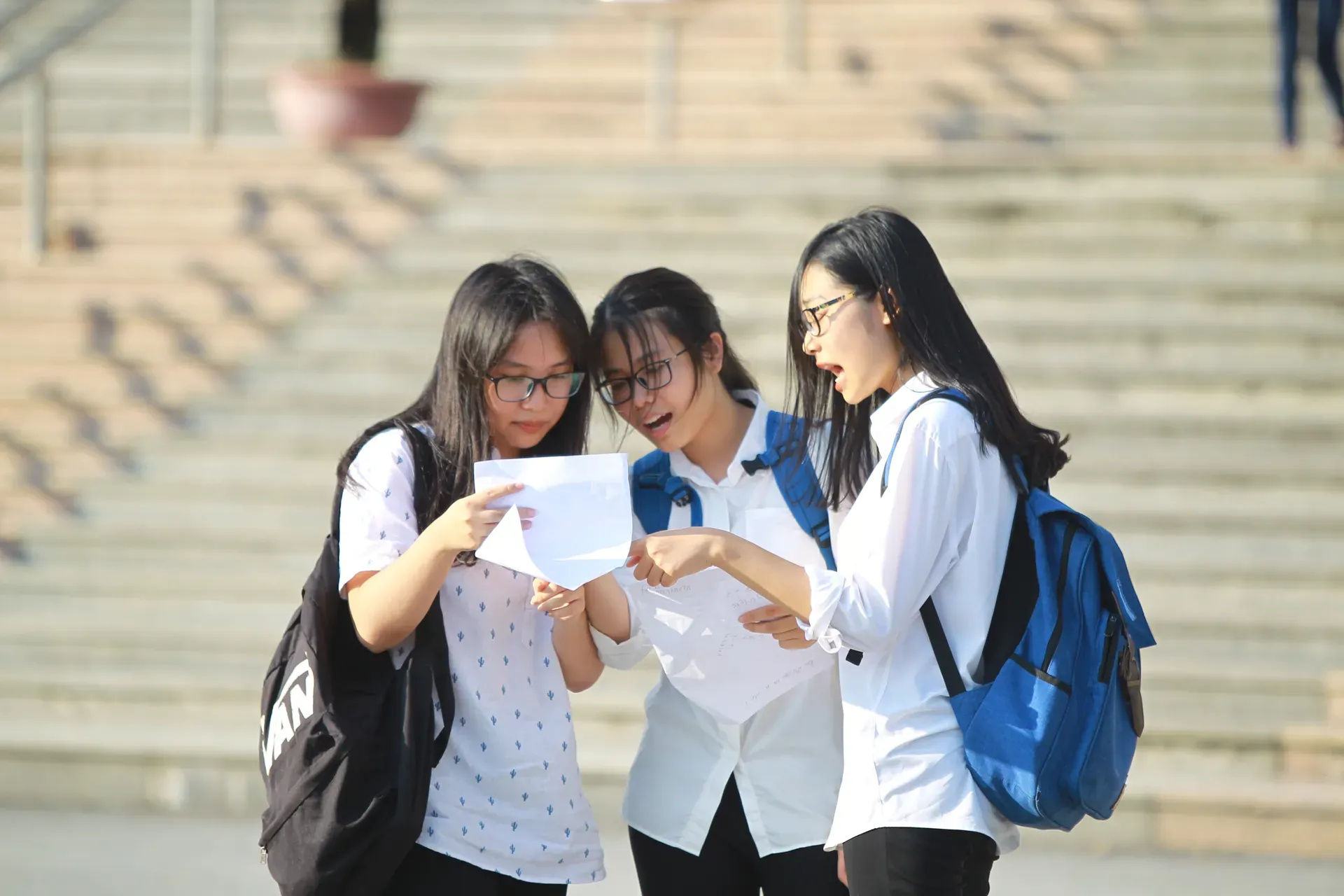
Students take part in the 10th-grade entrance exam in Hanoi. Photo: Pham Hung
Just a few weeks earlier, the city was abuzz with the tension of middle school students and their parents awaiting high school entrance exam scores. For a group of retired educators like us, the annual exam-season conversation under the old trees of Hoang Dieu Street strikes familiar chords, though the context has shifted.
One elderly colleague put it this way: “Compared to exam organization a few decades ago, Hanoi’s education system has come a long way. From handwritten applications and long lines to check scoreboards to today’s digital platforms, we now have e-registrations, smart search engines, and personalized career counseling.”
With more than two million students and tens of thousands of teachers and administrators, Hanoi faces enormous pressure every exam season, especially the national high school graduation exams. More than a decade ago, parents queued up at dawn to buy and submit paper applications. Students jostled in front of school gates to check their names on bulletin boards. Mistakes and delays caused by manual processing were common.
Today, that landscape has transformed. The exam process is smoother, more transparent, and more cost-effective, not only in terms of money, but also in time and emotional strain.
The years 2024 and 2025 mark a turning point for Hanoi’s education sector, with sweeping digitalization now applied to every aspect of management and testing. Online platforms handle everything, from exam registration, score checking, school selection to even career guidance. With just a smartphone, parents can track their child’s academic progress, test results, preferences, and even appeal for changes in their application - all online.
“No more lost mail, no more parents storming school gates for application forms, no more students traveling to the city for exams or struggling to find temporary lodging,” my old friend said with satisfaction.
This is a fundamental shift, from manual education to smart education. It’s a vital step in urbanization and global integration.”
Easing pressure through competency-based learning
As Hanoi embraces international integration in education, it’s also reshaping how students are evaluated. The days of cramming in crowded exam prep centers, battling multiple subjects and chasing high scores, are giving way to more holistic assessment systems. More schools now combine academic records with evaluations of soft skills and extracurricular activities, reducing exam-related stress and fostering a more well-rounded generation.
Last year, my niece and a neighbor’s child shared their relief: “Thank goodness Hanoi cut the high school entrance exam to just three subjects, including Math, Literature, and English instead of four! It spared us all a lot of stress.”
At the primary and lower secondary levels, many high-quality schools are encouraging admissions based on student profiles and competency evaluations rather than test scores alone. It’s a clear shift from “learning to pass exams” to “learning for growth”, aligned with modern educational values.
Career orientation is also becoming more personalized. Gone are the days when family tradition dictated career choices. Students now choose their academic paths based on interests and strengths, supported by a wealth of resources, from online counseling webinars to social media communities and official information portals. As a result, stress levels are dropping not just in exam halls, but in homes and on the roads as parents accompany their children through the process.
“Hanoi’s education leaders have said it - exams are not just about assessing students. They’re opportunities to modernize education management, apply new technologies, minimize risks, and make life easier for both learners and teachers,” said my colleague.
A new mindset for a lifelong learning city
Having spent decades in the classroom, witnessing the ups and downs of the Vietnamese exam culture, my friend, a lifelong educator, understands every shift in the system with heart and insight.
He firmly believes that “Hanoi’s admissions reforms go beyond technical improvements. They reflect a strategic vision for an urban smart education ecosystem. Each exam is no longer a battlefield, but a milestone to evaluate teaching quality, school adaptability, and support from local authorities and the community.”
What used to be likened to a “life-or-death battle” for generations of students is now seen as one step in a lifelong journey of learning. This is not just the result of years of reform, it’s the beginning of a new mindset: a Hanoi that learns, adapts and integrates.
A renowned education expert once noted, “Digital transformation, urbanization, and international integration are three inevitable trends for every major city.”
Hanoi seems to be on the right track, placing education at the heart of its development strategy, starting with practical reforms like improving the school admissions process. Though challenges remain, the capital is steadily shaping a smart, modern, and globally-minded education model.
The era of Confucian scholars traveling to the capital for imperial exams has passed, but the reverence for knowledge, the teacher-student bond, and the tireless pursuit of learning endure in the memories of Hanoians. Those memories are not relics, but the foundation for today’s forward-looking, transformative efforts that bring the vision of a learning city closer to reality.
translated by Ngan Ha