14TH NATIONAL CONGRESS OF THE COMMUNIST PARTY OF VIETNAM
Log in
Social Affairs

How is life in quarantine center in Vietnam border town?

Each citizen is provided with the same personal amenities and meals as the standards of a newly enlisted soldier.

More than 400 Vietnamese citizens returning from China are living a military life during 14 days of quarantine at a military barracks in the border town of Lang Son.
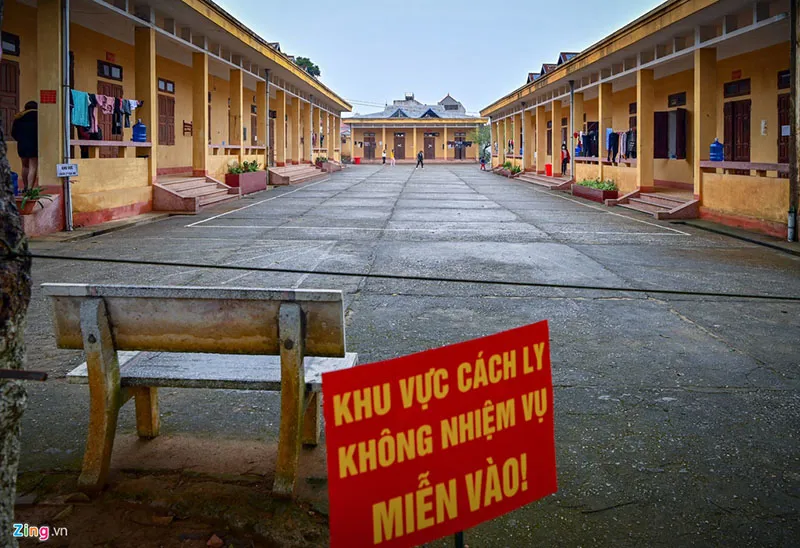
 

The barracks of Regiment 123 in Lang Son province is the first destination receiving Vietnamese students and workers returning from China, who are in quarantine for 14 days for health checkups.

The isolation venue was established on February 3 and was filled up as of February 6 by 400 people. Other citizens will be taken to other quarantine stations in the province including military barracks and health stations.  

Before being admitted to the center, the returnees have their bodies’ temperature checked and are asked to declare their itineraries and locations in China to be isolated and screened.
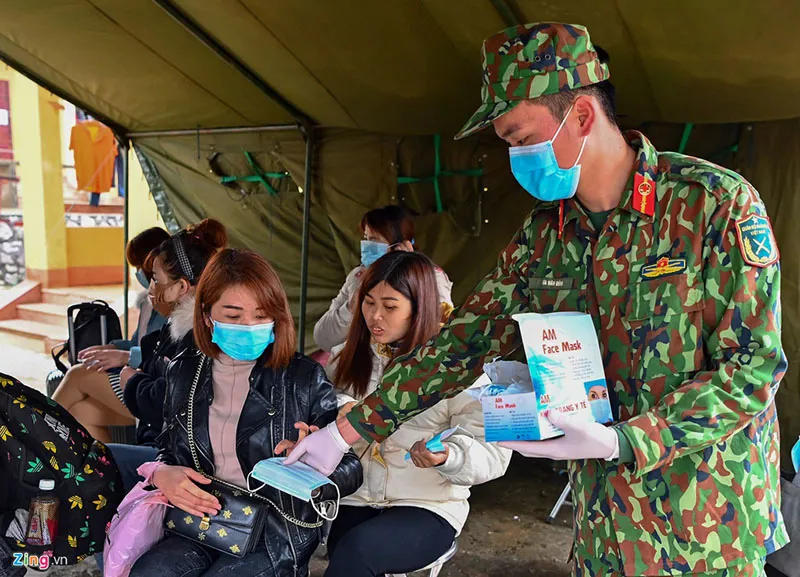
 

Each citizen is granted medical mask daily as well as other personal amenities such as a cup, toothbrush, toothpaste, hygiene paper, among others, matching the standards of a newly enlisted soldier. 

Their body temperature is checked every day. If somebody is detected with body temperature higher than 37.5 degrees Celsius, they will be referred to Lang Son General Hospital. 

Since February 3, four people with symptoms of fever have been referred to the provincial General Hospital. Others show good physical and mental health. 
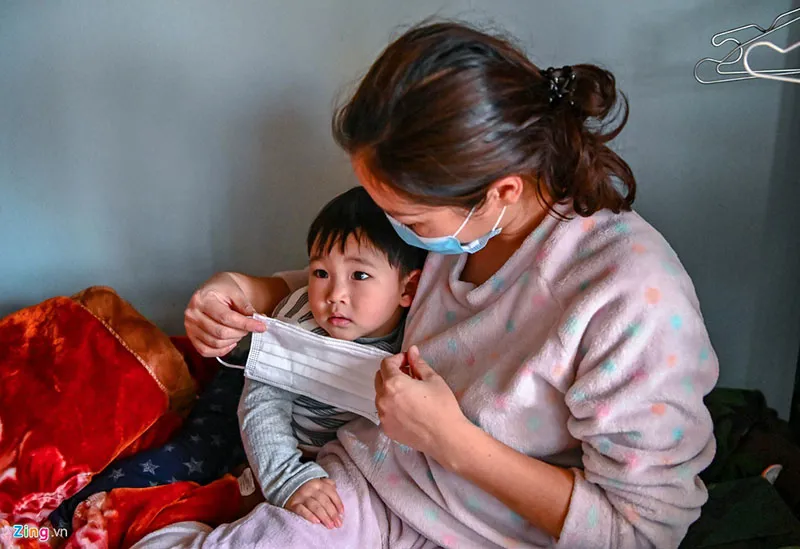
Tam and her two-year-old daughter have stayed at the quarantine center for three days after returning from a visit to relatives in China. Her room features eight beds for women and children and heat lamps to warm up in harsh weather conditions of the winter in Lang Son. 

Each room has a bottle of salt water to gargle. 

The food regime for 400 people is prepared according to the military standard with three meals a day, of which lunch is more important when cooked rice, soup, shrimp and meat are served.  
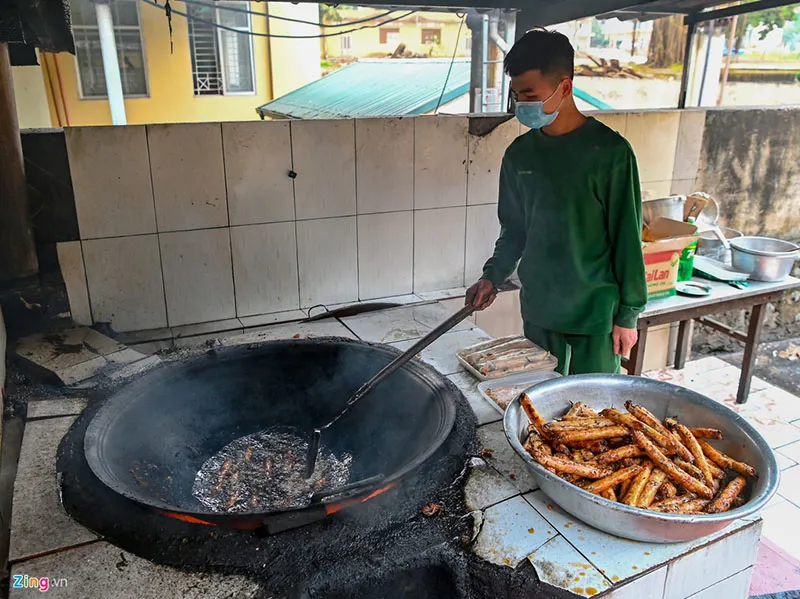
In the afternoon of February 6, the center received another 30 people and the soldiers were busy cleaning and arranging beds for the newcomers. 

Once a new citizen is admitted, the special vehicle in which he is transported is cleaned and disinfected with Cloramin-B. Currently, the Regiment sterilizes public places every day, clears sewage drains and performs disinfection work once a week.
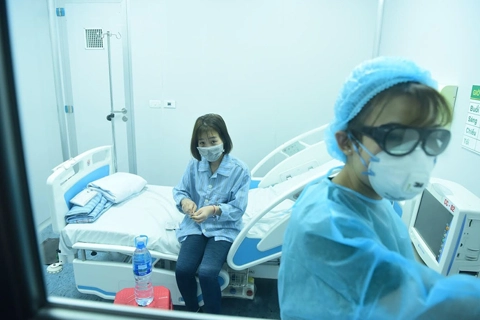
Photo by Zing.vn
Reactions:
Share:
Trending
Most Viewed
Related news
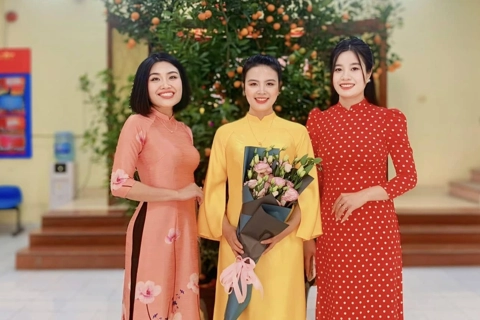
Ao Dai Week seeks to elevate Vietnam’s national dress at work

Ao Dai Week seeks to elevate Vietnam’s national dress at work

Authorities are encouraging women to wear the ao dai to work in early March, culminating in mass performances marking key political and historical anniversaries.

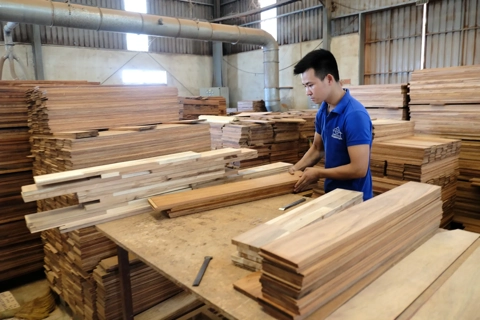
Vietnam to improve vocational standards for 1.5 million rural workers

Vietnam to improve vocational standards for 1.5 million rural workers

The program will be implemented nationwide, with priority given to especially disadvantaged coastal and island communes, ethnic minority and mountainous areas and communes building advanced new-style rural models.

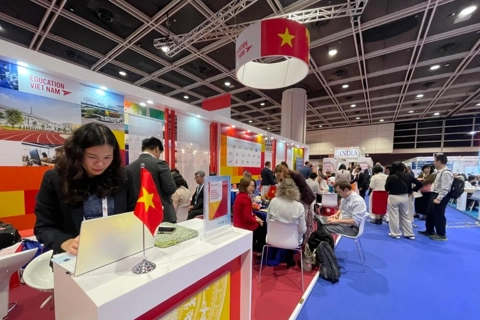
Vietnam seeks partnerships at APAIE 2026

Vietnam seeks partnerships at APAIE 2026

The presence at the 2026 Asia-Pacific Association for International Education (APAIE) Conference and Exhibition marks an important step in the international integration of the country’s education sector, particularly higher education.

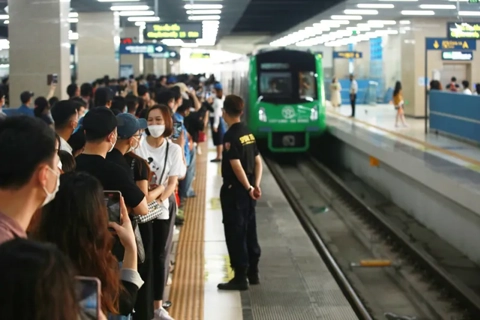
Hanoi transport ridership surges during Tet, Metro traffic up over 30%

Hanoi transport ridership surges during Tet, Metro traffic up over 30%

The growth shows a rising preference among Hanoi residents and visitors for public transport and urban railway system during major holidays.

Tree planting campaign launched in Hanoi

Tree planting campaign launched in Hanoi

Each locality in Hanoi will select suitable species to cultivate in the right locations, plant them in appropriate locations and ensure long-term management.

Tet in the digital age: Smartphones replace red envelopes 

Tet in the digital age: Smartphones replace red envelopes 

This trend has been appeared in Vietnam in recent years as many e-commerce platforms have made digital age celebrations a familiar part of the traditional Tet.

How young Vietnamese make a shift in Tet celebrations

How young Vietnamese make a shift in Tet celebrations

Today’s Tet has evolved beyond its traditional form, reflecting the changing needs and lifestyles of young Vietnamese and becoming not only a time for family reunions but also a valuable opportunity to rest, recharge and explore life.

Hanoi enhances urban hygiene standards ahead of Tet

Hanoi enhances urban hygiene standards ahead of Tet

The goal is to ensure that residents welcome the Lunar New Year joyfully while managing safe and orderly environment citywide during the peak period.