Linkage and product diversification: the key for Hanoi's tourism to break through
The conference explored new directions for leveraging cultural heritage and diversifying tourism products, aiming to enhance Hanoi's appeal to both domestic and international visitors.
THE HANOI TIMES — On the afternoon of October 18, the Hanoi Department of Tourism, in collaboration with the Phuc Tho People’s Committee, co-organized a conference in Phuc Tho Commune titled “Strengthening Linkages to Develop and Diversify Tourism Products.”
The event served as a platform to highlight the importance of collaboration in building sustainable tourism offerings, fostering stronger connections between government agencies, businesses, and local communities.
Linking for tourism growth
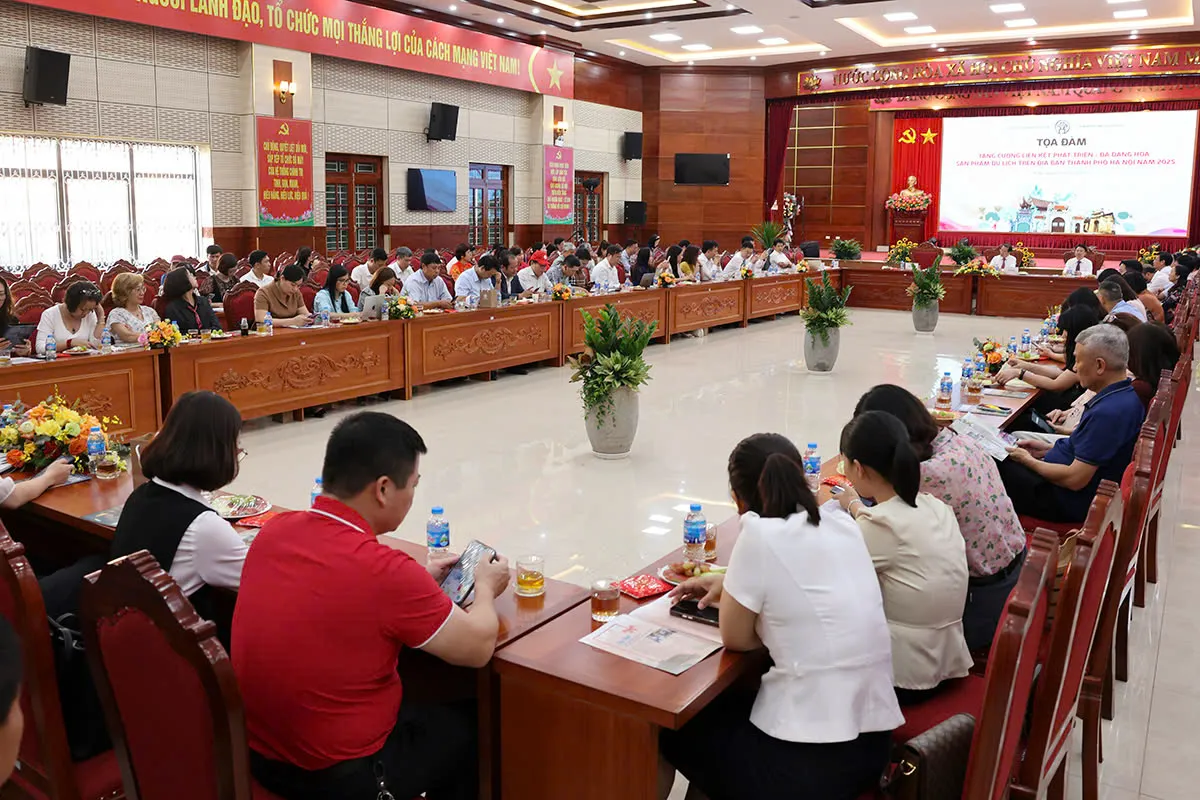
The space of the conference “Strengthening linkage to develop and diversify tourism products”
In his opening remarks, Tran Trung Hieu, Deputy Director of the Hanoi Department of Tourism, highlighted the capital’s strong tourism recovery and impressive growth momentum.
In the first nine months of 2025, Hanoi welcomed 25.94 million visitors, a 23.2% increase over the same period in 2024. Among them were 5.47 million international arrivals, up 24.4%. Tourism revenue reached VND98,290 billion (US$ 4 billion), marking a 20.6% rise.
“These figures not only demonstrate resilience but also reaffirm Hanoi’s leading role in the tourism landscape of both the North and the nation,” Hieu emphasized.
He noted that Hanoi has increasingly diversified its tourism offerings in recent years, expanding beyond cultural tourism to include craft village tours, community-based experiences, agro-tourism, and rural eco-tourism, particularly in areas such as Phuc Tho, Dai Thanh, Ngoc Hoi, Hong Van, Chuyen My, O Dien, Ba Vi, and Phu Dong.
According to Hieu, this broadening product base lays the groundwork for a new development phase centered on the “government - business - community” cooperation model. The goal is to build a cohesive tourism product chain that strengthens the connection between Hanoi’s urban core and its outlying districts.
“Strengthening linkages and diversifying tourism products is not only a necessity but also the key to enhancing Hanoi’s economic value and cultural identity - all while promoting green, sustainable tourism,” he concluded.
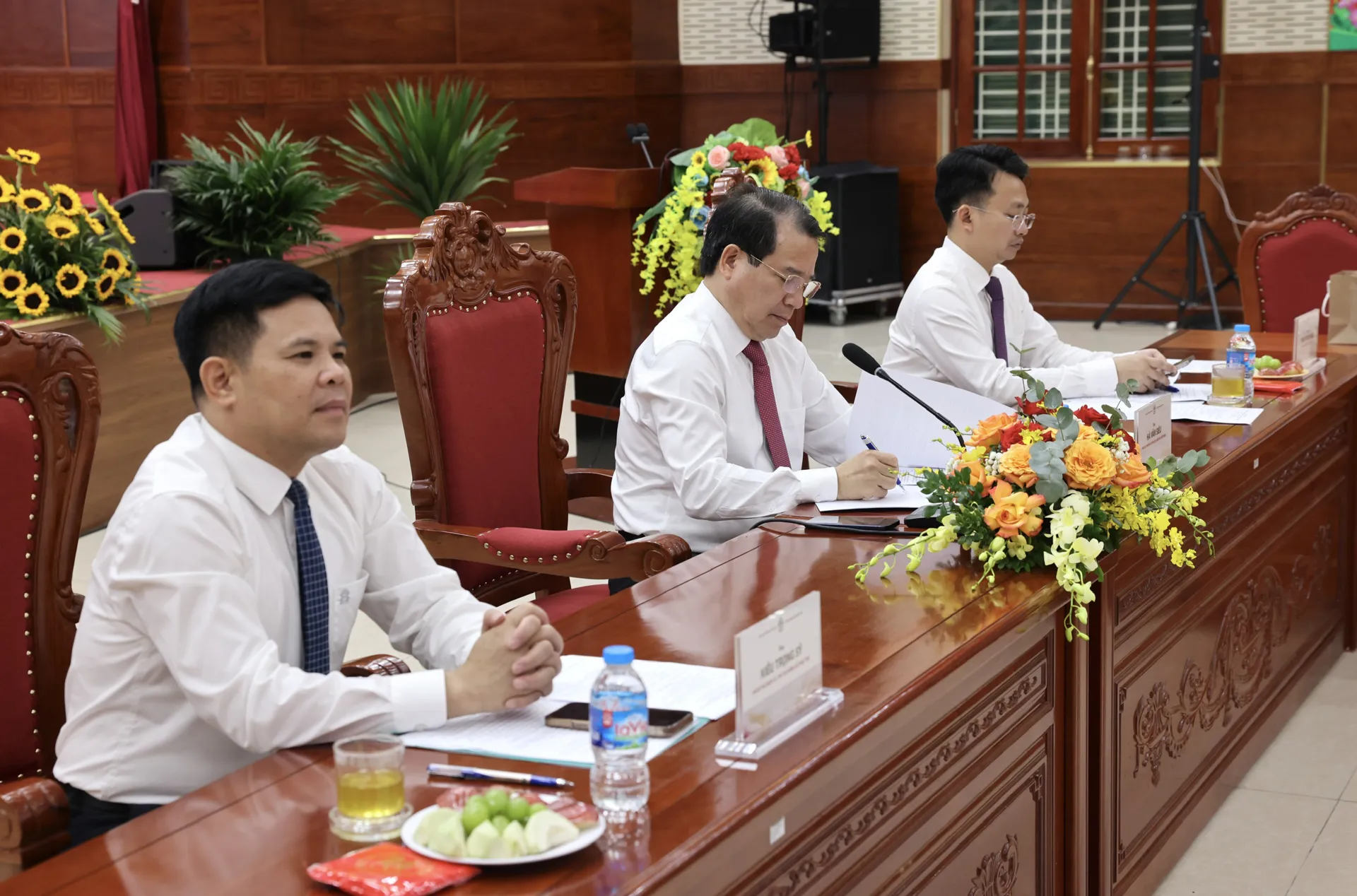
The conference featured thoughtful contributions from leading tourism professionals.
At the conference, Kieu Trong Sy, Chairman of the Phuc Tho People’s Committee, affirmed that the locality is actively leveraging its cultural and natural assets to develop distinctive tourism products, linking historical and spiritual heritage with traditional craft villages and rural landscapes.
Phuc Tho is home to 73 historical sites, 40 of which have been officially recognized — including one Special National Relic (Tuong Phieu Communal House), 10 National Relics, and 29 City-Level Relics.
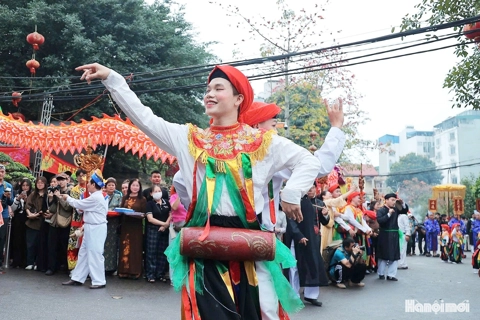
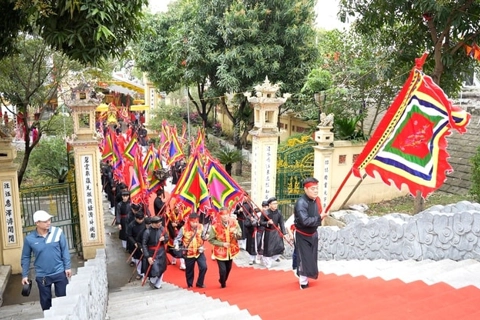
The Tuong Phieu Communal House Festival, a long-standing tradition of the village, has been honored as a National Intangible Cultural Heritage. This festival serves as a spiritual centerpiece in the broader journey of discovering the cultural essence of the Doai region - the ancient western land of Thang Long–Hanoi.
Chairman Sy shared that the commune is currently working with the Hanoi Department of Tourism to launch a new rural tourism model called “Flower Colors of Tuong Phieu”, which will integrate spiritual tourism, eco-tourism, and agri-tourism into a unified visitor experience.
In addition, the locality is finalizing a proposal to recognize the Tich Giang Rural Tourism Site as a city-level destination. At the same time, efforts are underway to strengthen linkages with nearby relics and craft villages, aiming to build an intra-regional tourism value chain that enhances both visitor appeal and local economic development.
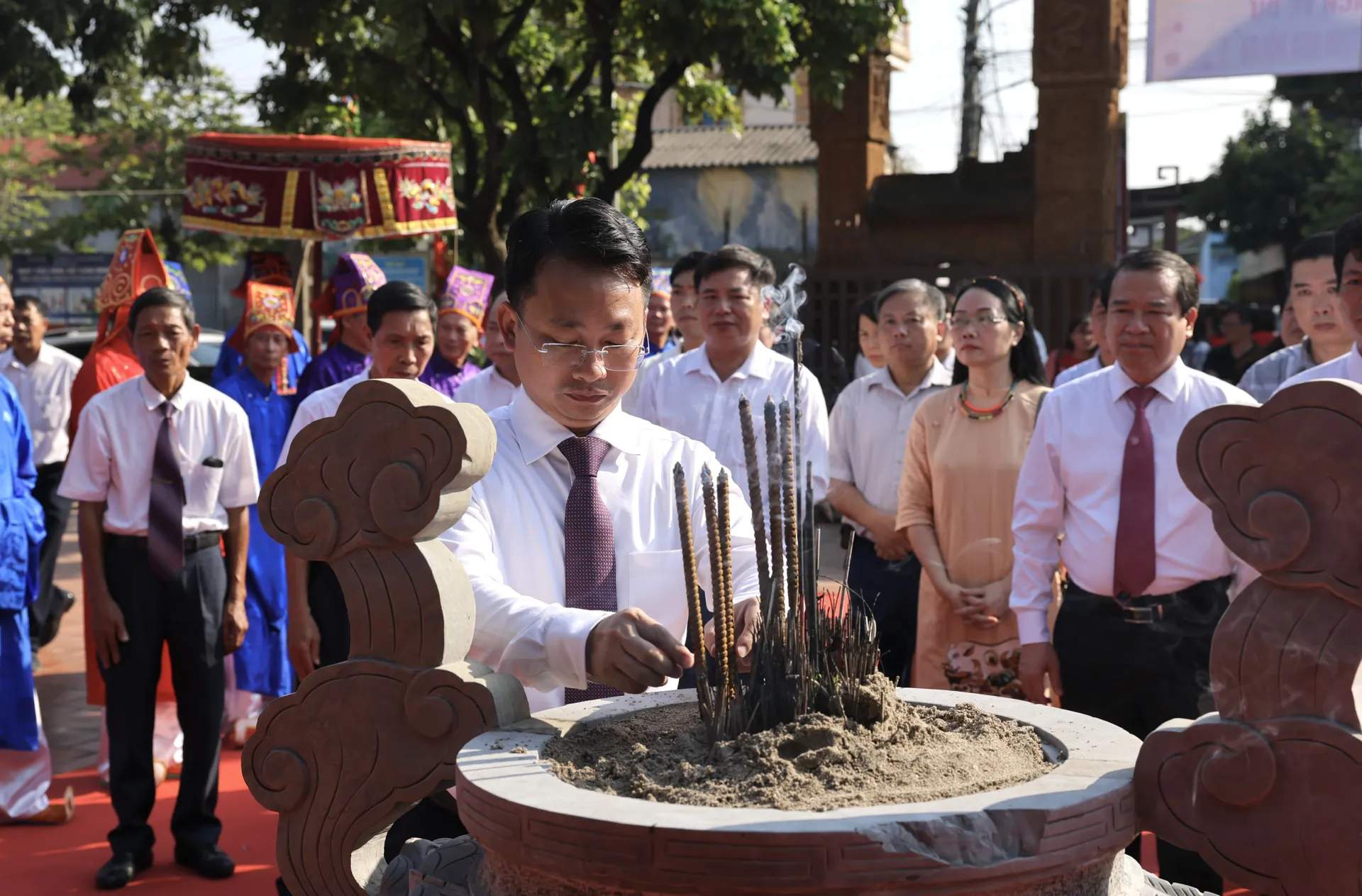
As part of the program, attendees toured Tuong Phieu Communal House, a highlight of Phuc Tho’s cultural tourism offerings.
“With its natural landscapes, historical relics, and a thriving ornamental plant industry, Phuc Tho holds strong potential for eco-tourism development. By integrating spiritual tourism and farming experiences, this approach aligns with current trends, supporting cultural preservation while creating sustainable livelihoods for local communities,” affirmed Chairman Sy.
Offering a broader perspective on Hanoi’s tourism development strategy, Dr. Nguyen Anh Tuan, Director of the Institute of Tourism Economics, emphasized that the capital is entering a new “window of opportunity” to restructure and elevate its tourism product ecosystem toward greater diversity, innovation, sustainability and digital integration.
“Hanoi must move beyond being just a sightseeing destination. It needs to become a place of experiences, creativity, and events - driven by three key pillars: regional linkage, digital transformation, and green growth,” Dr. Tuan stated.
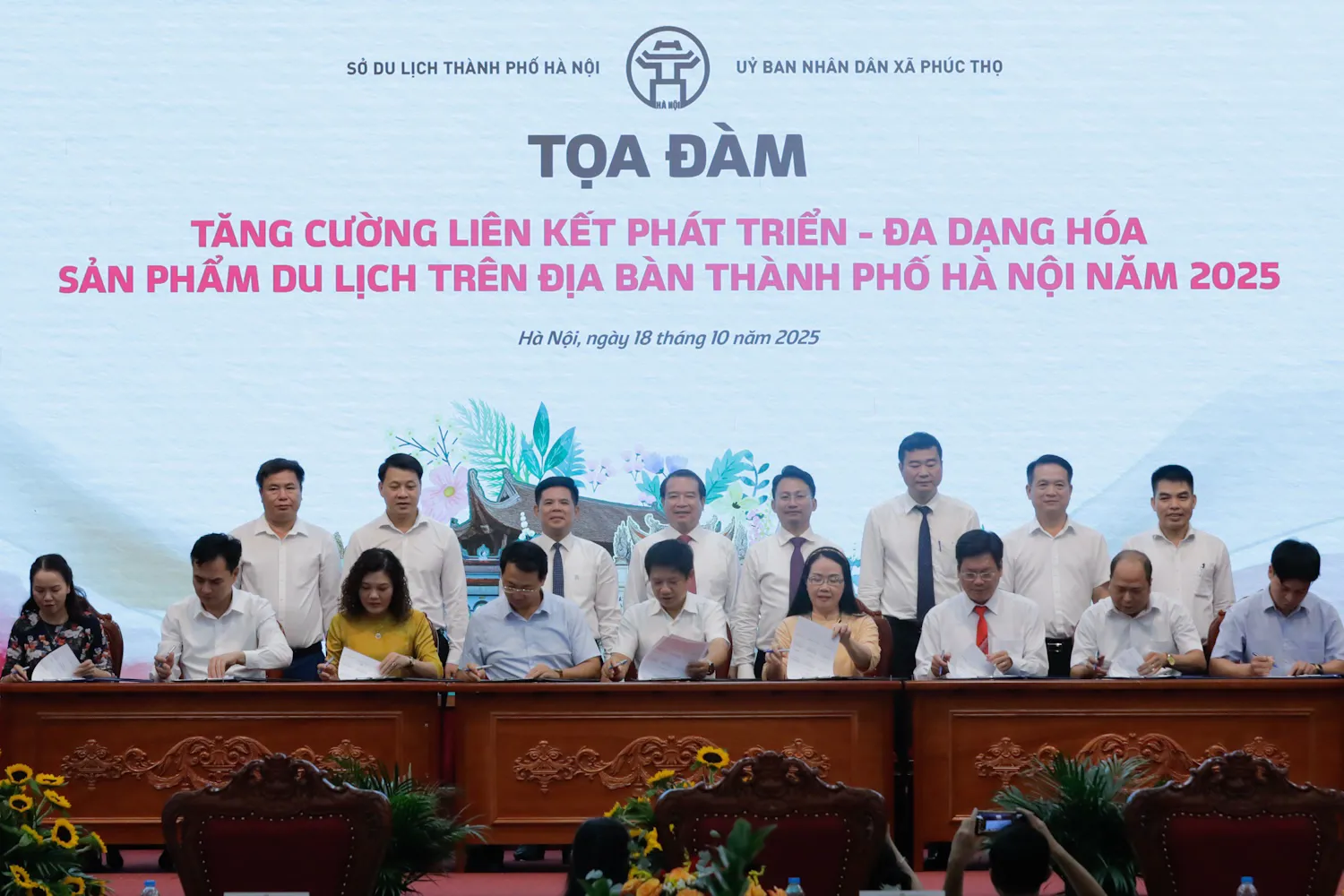
A signing ceremony marked the tourism development partnership between communes in the culturally rich Xu Doai region, west of Hanoi.
Dr. Tuan further noted that the Capital Planning for the 2021- 2030 period, with a vision toward 2050, has laid the foundation for a new development framework. This will enable the formation of five priority tourism product clusters: heritage tourism; craft village and eco-tourism; wellness and MICE tourism; event and culinary tourism; and night and smart tourism.
“Hanoi’s challenge is not a lack of potential but the need for flexible policies, open data access, and effective public–private partnerships to transform that potential into real value,” he emphasized.
Echoing this perspective, Vu Van Tuyen, CEO of Travelogy Vietnam, stressed that the key to developing rural tourism lies in awakening local pride and a spirit of learning.
He explained that with proper orientation and inspiration from successful models like Da Lat or Sa Dec, rural communities can confidently and systematically participate in tourism. This not only helps preserve the identity of traditional crafts but also shapes a green, clean, and livable countryside.
“Tourism is about crafting experiences that bring peace to visitors and inspire them to return,” Tuyen shared. “When people embrace tourism as a way of life and take pride in their gardens and villages, true transformation begins in the countryside.”
Advancing green, sustainable tourism
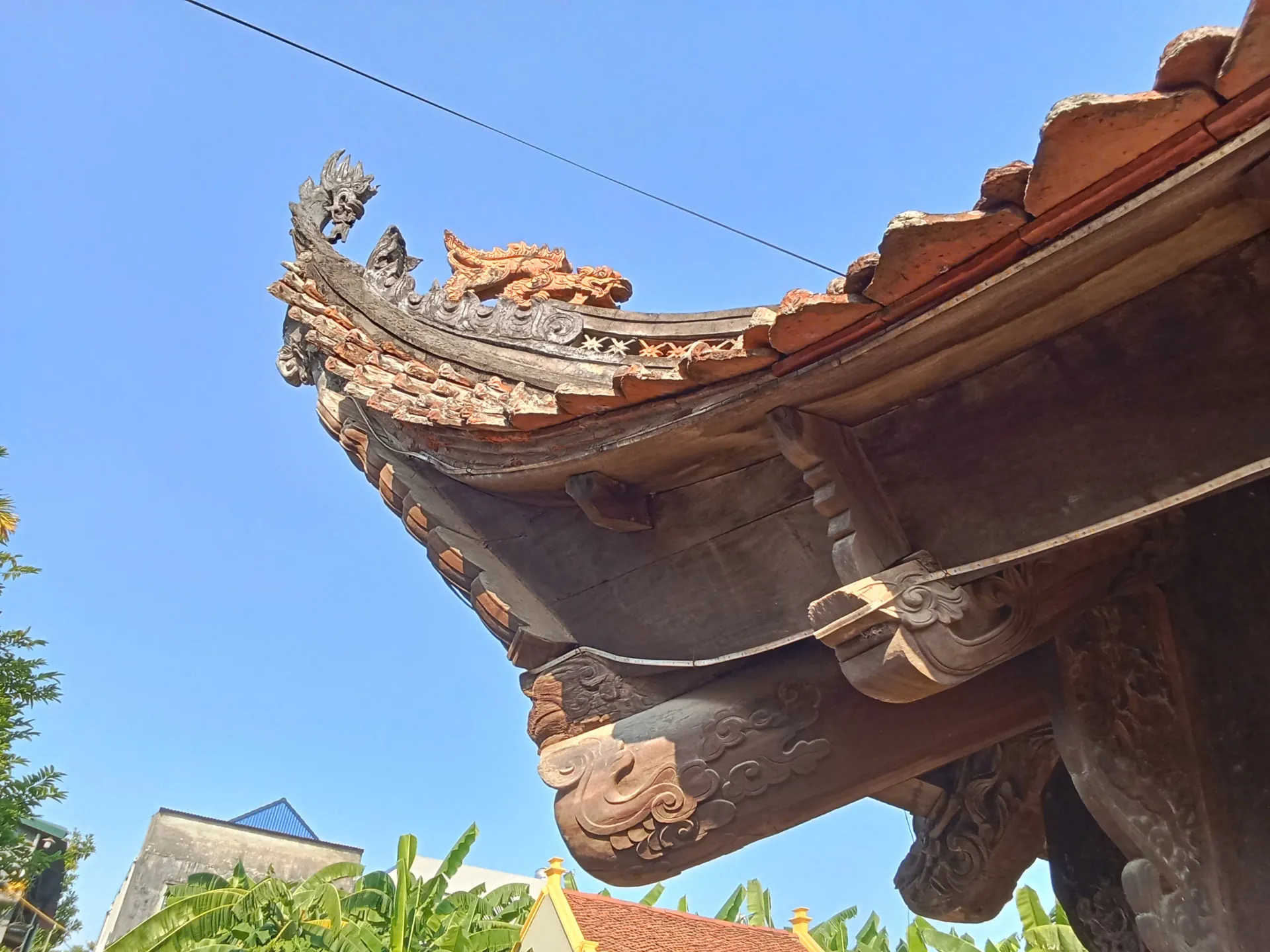
Tuong Phieu Village’s ancient communal house stands out for its remarkable traditional architecture.
One key topic that captured special attention at the conference was the role of digital transformation in local tourism development.
Phung Quang Thang, Chairman of the Vietnam Green Tourism Association, emphasized: “Digital transformation goes beyond simply applying technology- it represents a fundamental shift in tourism thinking, spanning product design, promotion and regional connectivity.”
He stressed the urgent need for localities to build a unified tourism database linked to the national system, alongside investing in digital skills training for officials, businesses and communities.
Creating a network of digital connections between regions and localities will enable smart, sustainable tourism routes with unique identities.
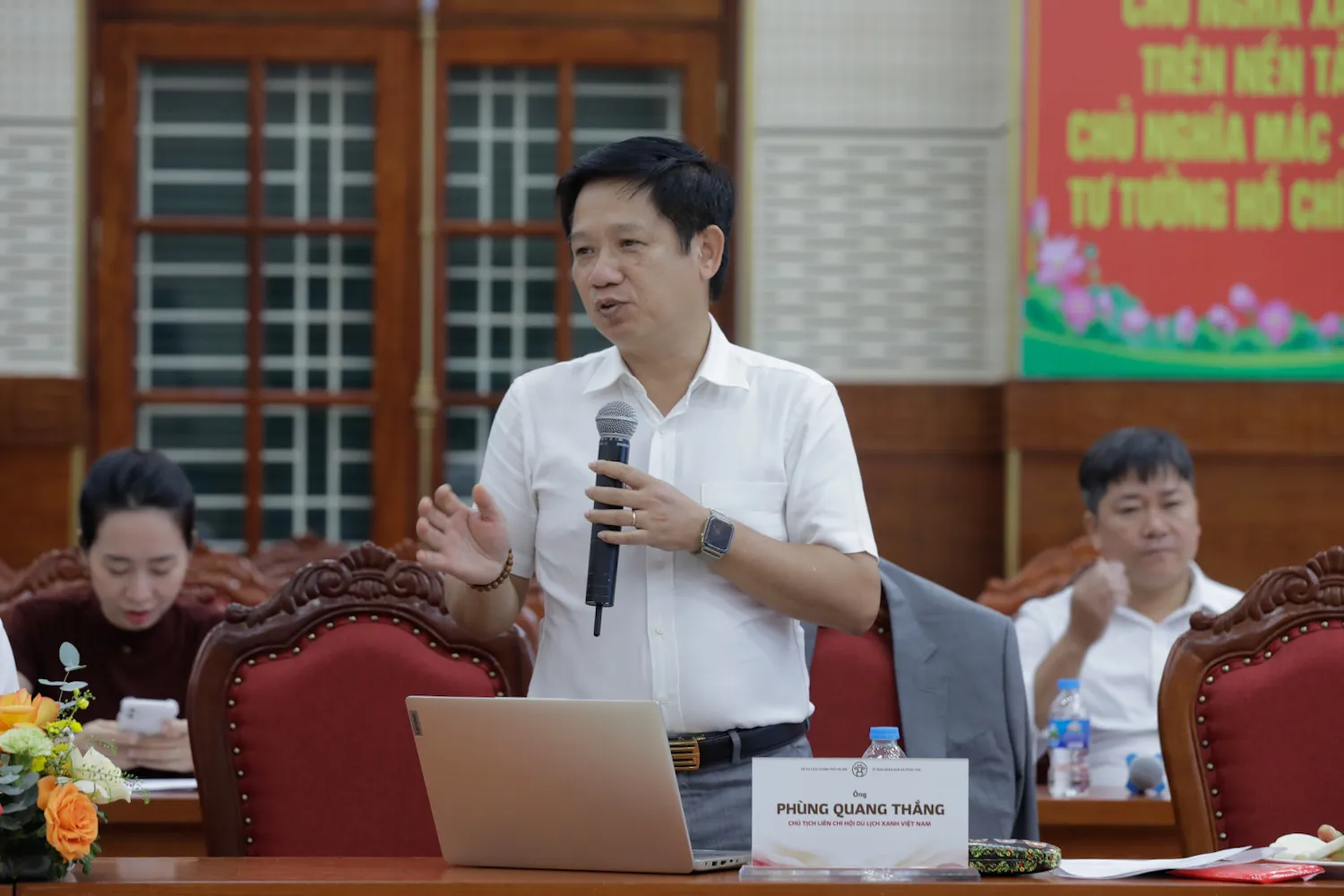
Phung Quang Thang, Chairman of the Vietnam Green Tourism Association, shared his insights at the conference
Chairman Thang also highlighted how technologies like Big Data, Artificial Intelligence (AI), Virtual and Augmented Reality (VR/AR), and Geographic Information System (GIS) mapping can uncover market trends, enhance visitor experiences and vividly convey each locality’s cultural and heritage stories.
“When technology is used effectively, destinations can digitize their identities, showcasing Hanoi’s tourism to the world as modern, green and compelling,” he concluded.
He also introduced an automatic tour guide app available in 15 languages, designed to enhance the experience of visitors exploring Tuong Phieu Village in Phuc Tho Commune.
This app allows tourists to appreciate the beauty and understand the significance of each site, especially as locals are still adapting to providing guided commentary. By doing so, it significantly enriches the visitor experience in Tuong Phieu Village.
People powering the future of tourism
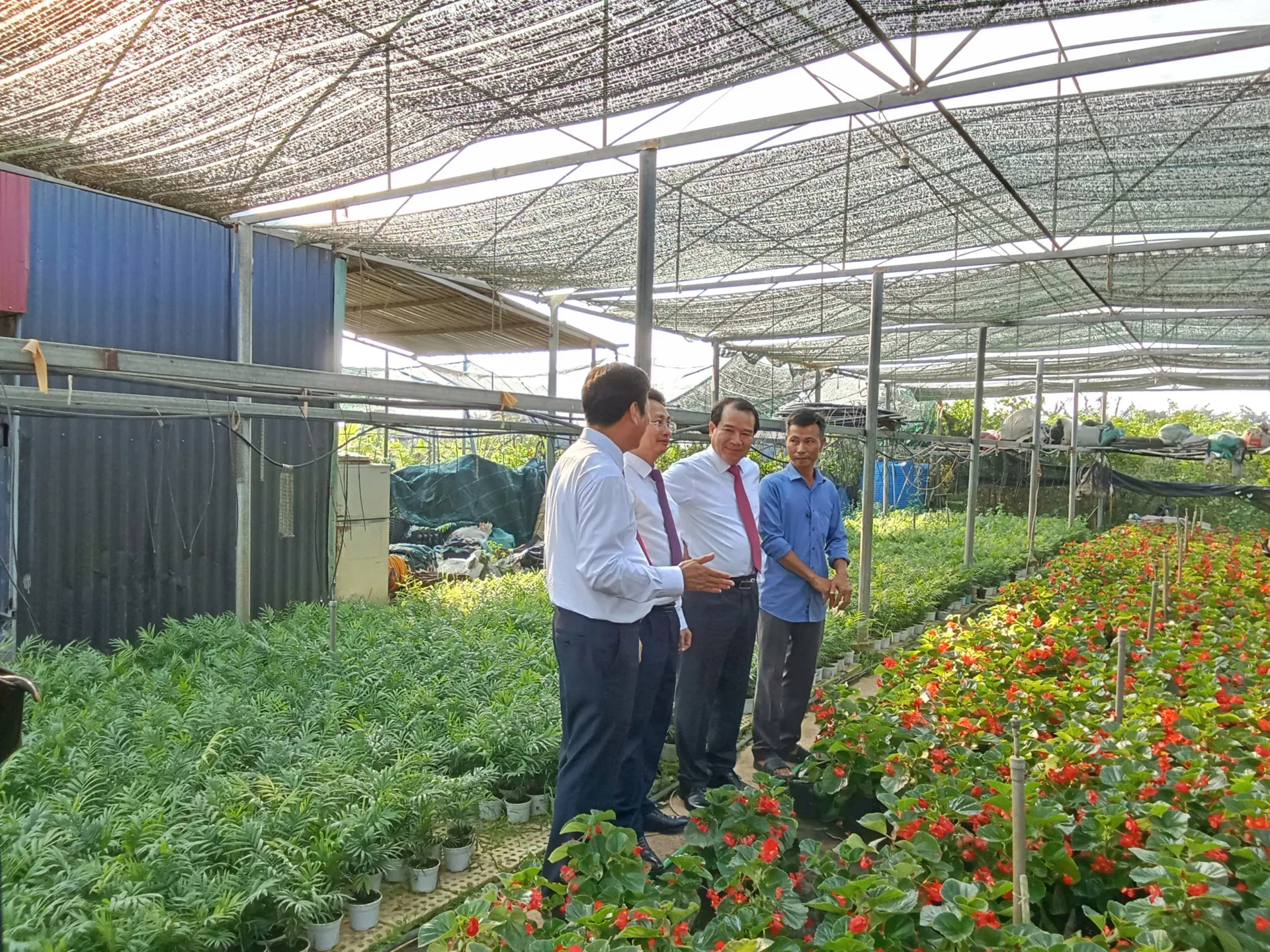
Delegates had the opportunity to explore the vibrant ornamental garden of Hoang Van Trao, a dedicated farmer from Tuong Phieu Village, Phuc Tho Commune.
Drawing on her extensive experience in cultural heritage and tourism planning in Vietnam, D.Arch Nguyen Thu Hanh, President of the Association of Science for Sustainable Tourism Development (STDe), emphasized that successful tourism development at heritage sites requires Hanoi to research and invest in building a tourism product chain rooted in the core, outstanding values of its heritage. This approach will foster diversity and uniqueness- key attractions for visitors.
She stressed that from the very beginning of product development, heritage values must be thoroughly and thoughtfully assessed, viewing traditional resources through a fresh lens. This evaluation should consider multiple dimensions, both material and spiritual, across past, present and future contexts.
“To realize effective tourism planning, the government must raise public awareness and provide initial capital incentives, enabling local communities to actively participate in the value chain of product creation,” Dr. Hanh said.
She added that establishing a clear and fair benefit-sharing mechanism is crucial to tightly connect managers, researchers, businesses and locals in transforming the product chain into reality.
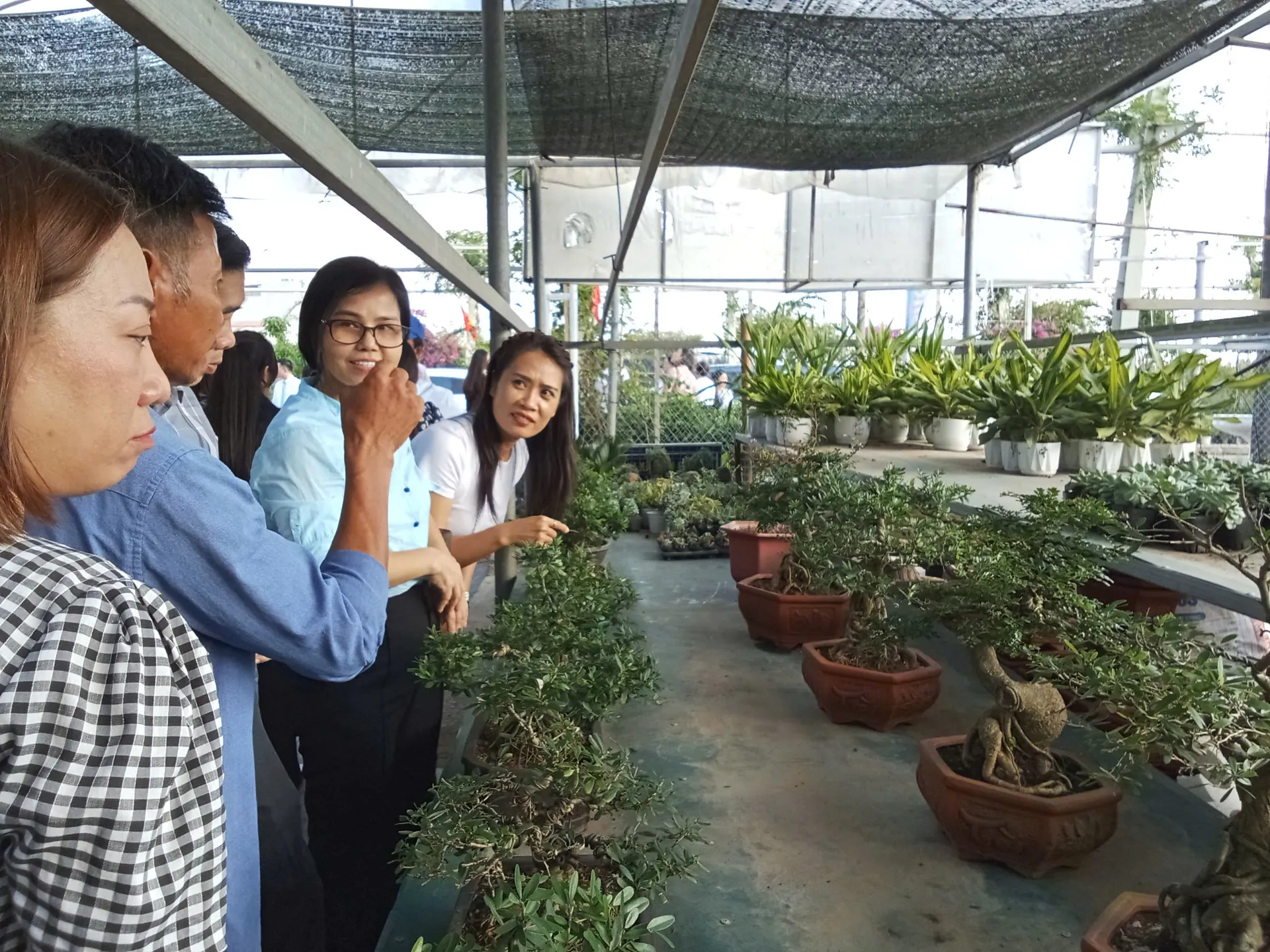
Farmer Hoang Van Trao from Tuong Phieu Village, Phuc Tho Commune, introduces visitors to the variety of plants cultivated in his garden.
At the event, Ha Van Sieu, Deputy Director General of the Vietnam National Administration of Tourism, praised the efforts of the Hanoi Department of Tourism and Phuc Tho Commune for organizing the forum.
He highlighted Hanoi’s dual role as the nation’s political and administrative center and one of Vietnam’s most attractive destinations. With its rich heritage sites, craft villages, diverse cuisine and vibrant urban landscapes, Hanoi is well-positioned to become a green, sustainable and creative tourism hub for the country.
Deputy Director General Sieu expressed hope that tourism businesses in the capital will deepen their collaboration with the government, state agencies and local communities to offer appealing tours, routes and products that support Hanoi’s green economy.
As Vietnam’s tourism sector rapidly advances toward a green and smart future, Hanoi’s focus on regional linkage, product diversification and leveraging local identity will not only drive the city’s growth but also elevate Vietnam’s tourism brand on the global stage.