Localizing idols: Vietnam’s shift from Hallyu to homegrown stars
Vietnamese artists are building a bridge between tradition and innovation, proving that Vietnam’s talent can shine alongside the best.
Welcome back to Words on the Street, where we explore the latest cultural fads. This week we're looking at Vietnam's idol culture, its transition from Hallyu predilection to domestic success stories.

About a decade ago, the Korean wave, or Hallyu, reigned supreme in Vietnam's entertainment landscape, with K-pop groups and Korean dramas ruling the roost among audiences across the country. Korean celebrities were enthusiastically followed by Vietnamese fans, while local artists, while talented, often struggled to achieve the same level of mass appeal. However, the tide has turned dramatically as the allure of Vietnamese artists is now at an all-time high not only among domestic audiences but also abroad, signaling a powerful shift in the local entertainment industry, positioning homegrown talent alongside international icons and reshaping Vietnam's cultural identity. Here's how this exciting shift came about.
In the early 2010s, Vietnam's music industry was a very different scene. Emerging genres were largely driven by underground and self-taught artists with limited access to professional training or industry knowledge. Lacking formal guidance, they relied on basic equipment, grassroots networks, and personal drive. But over the past decade, music production in Vietnam has come a long way. Today, aspiring musicians attend music schools, have access to online tutorials, and top-of-the-line production equipment that allows even amateurs to create stunning work. This accessibility has led to a new wave of artists who are more technically skilled and better prepared than their predecessors. They are now entering the industry with knowledge of music theory, production, and performance.
What's more, global music behemoths such as Warner Music and Sony have expanded their reach into Vietnam, creating a sophisticated infrastructure that boosts the entire industry. These labels bring world-class resources, distribution networks, and promotional expertise that have enabled Vietnamese artists to create polished, high-quality music that meets international standards. Working with these labels, local artists now have the support they need to reach a wider audience and compete on the global stage.
The digital revolution has also been instrumental in this transformation. Ten years ago, only a small percentage of Vietnamese used social media, and digital fan communities were few and far between. But as platforms such as YouTube, TikTok and Instagram have taken off, so has Vietnamese fan culture, giving rise to an online ecosystem where fans and artists connect like never before. Social media has allowed fans to share content, discuss music and engage directly with their idols, creating a vibrant and interactive music scene. Vietnamese artists now have avenues to reach fans beyond Vietnam's borders, with expanding fan bases in Thailand, China and other countries, and are increasingly able to showcase their talent to a global audience.
Increasing collaborative efforts between Vietnamese artists and international celebrities have also played an important role in bringing Vietnamese talent to international prominence. The partnership between Son Tùng M-TP and Snoop Dogg was a significant event that illustrated the popularity of Vietnamese music around the world. This is just one of many. Asian audiences took note of Duc Phuc's rendition of 911's iconic hit I Do, which demonstrated a tasteful fusion of regional skill and global appeal. These partnerships not only honour Vietnamese talent, but also demonstrate that Vietnamese artists can create work that appeals to global audiences, thereby enhancing their reputations.
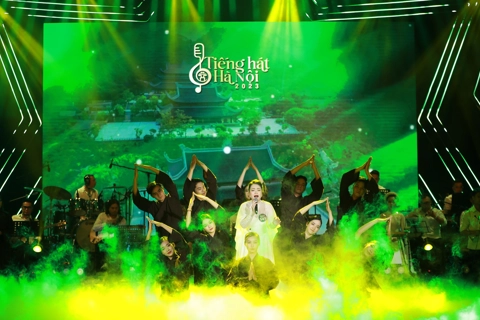
In addition to music production and collaborations, media shows in Vietnam have played an essential role in catapulting local artists to international fame. In recent years, game shows, talent contests and reality TV programs have become cultural staples, giving Vietnamese artists widespread exposure. Vietnamese music is often featured on the soundtracks of these shows, and the artists themselves are often invited to participate as hosts, judges or performers, allowing audiences to connect with them on a more personal level. Such shows provide Vietnamese artists with significant screen time, helping them to build loyal fan bases and strengthening the local music scene as a whole.
What's particularly exciting is that Vietnamese artists are now beginning to gain international recognition. Some have been invited to participate in global music awards, a milestone that was almost unimaginable just a decade ago. In addition, several Vietnamese artists have attracted international followings, especially in Thailand, China, and even South Korea. A handful of these artists have organized international tours, proving the strength of their appeal and that their influence now extends beyond national borders.
Vietnam's transition from Hallyu worship to homegrown deification is more than a fleeting trend; it is a cultural shift that reflects the nation's growing confidence and inventiveness.
Vietnamese artists are building a bridge between tradition and innovation, showing the world that Vietnamese talent can shine alongside the best. With continued investment in professional training, media exposure and digital engagement, Vietnam's entertainment industry is on a path to even greater recognition. So keep an eye on Vietnam; it's just beginning to show the world what it can do on the global stage.