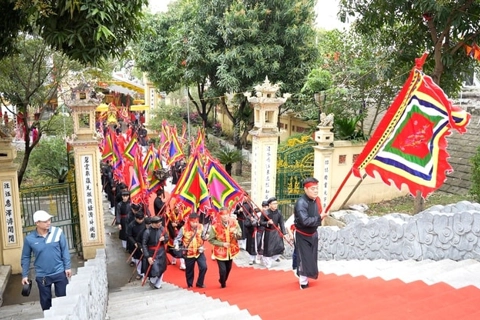
Ninth cultural treasure from Vietnam joins UNESCO World Heritage List
The inclusion of these relics on the World Heritage List enhances the country's international standing and fosters sustained preservation and promotion.
THE HANOI TIMES — The Complex of Monuments and Landscapes of Yen Tu, Vinh Nghiem, Con Son, and Kiep Bac has officially been inscribed on UNESCO’s World Cultural Heritage List.
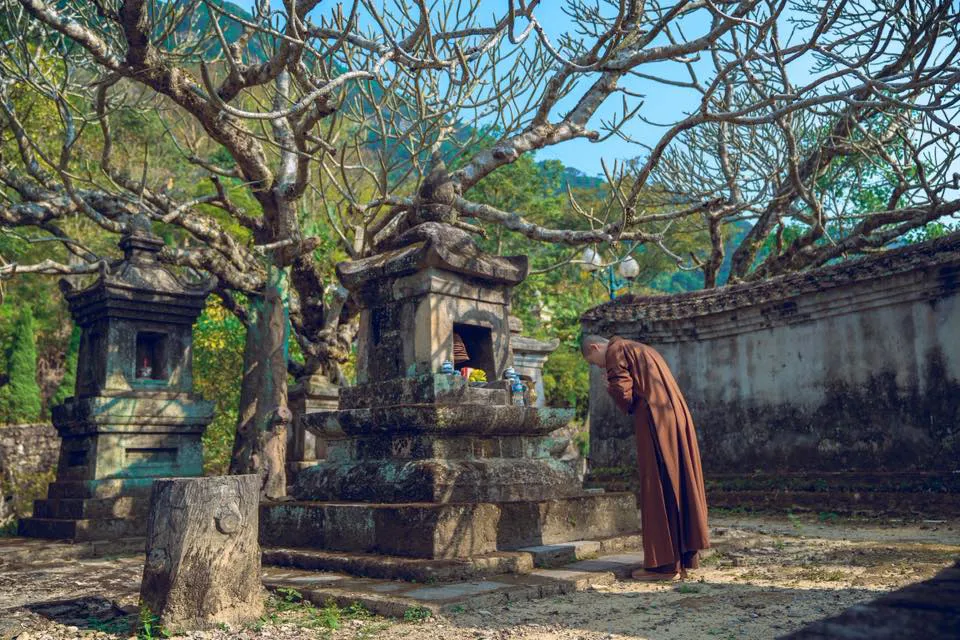
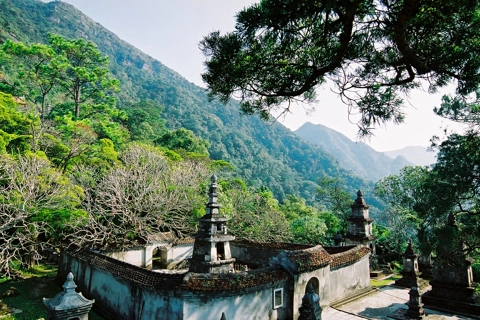
The Hue Quang Tower Garden, the resting place of King Tran Nhan Tong and the Patriarchs, dear on Yen Tu Mountain in Quang Ninh Province. Photo: Yen Tu Pagoda
The recognition marks the end of a 13-year journey led by Vietnamese scholars, cultural experts, and local communities to preserve and promote one of the country’s most sacred spiritual and historical landscapes.
Located in the provinces of Quang Ninh and Bac Ninh, and HaiPhong City, the sites are closely associated with the Truc Lam Zen Buddhist sect and the legacy of King Tran Nhan Tong.
"This moment is a source of great pride not only for the local authorities and people but also for the entire Vietnamese nation," said Nguyen Thi Hanh, Vice Chairwoman of the Quang Ninh Provincial People’s Committee and Head of the Steering Committee for the development of the Heritage Dossier.
"Thirteen years of careful preparation of the dossier submitted to UNESCO has come to fruition,” she added.
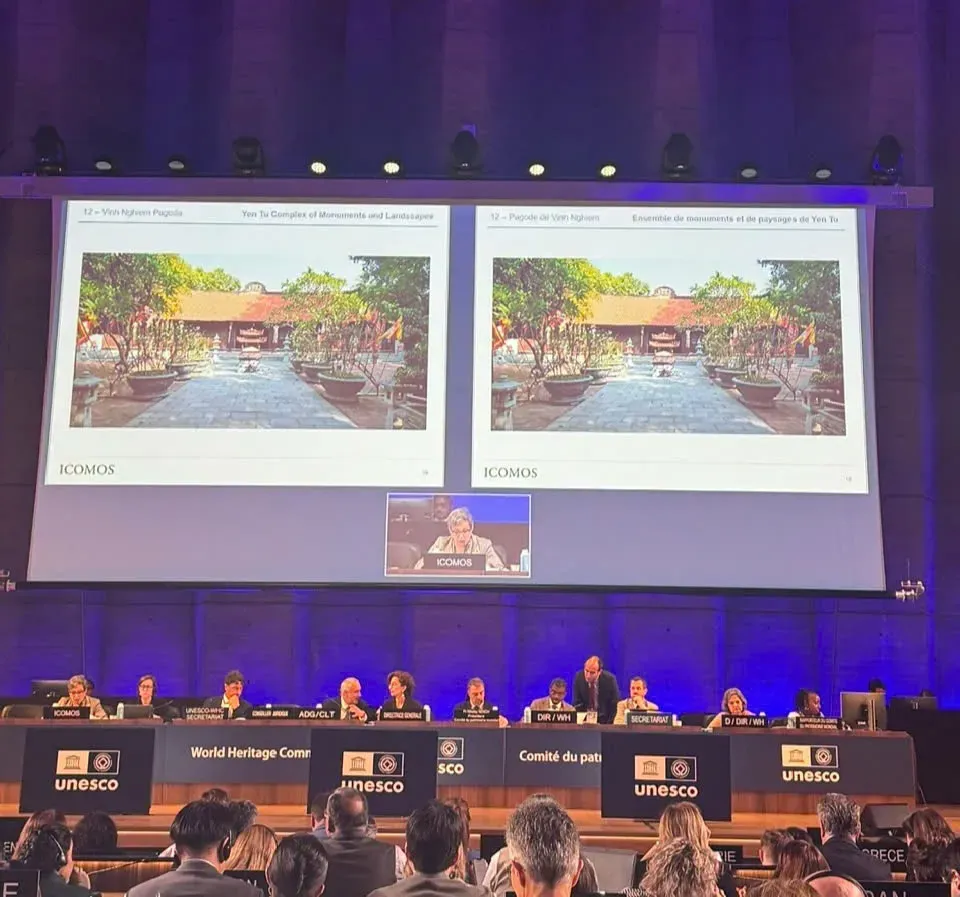
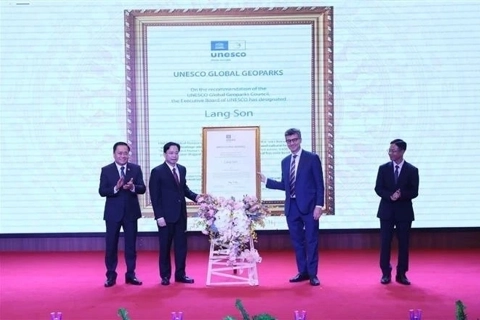
The moment when the Complex of Monuments and Landscapes of Yen Tu – Vinh Nghiem, Con Son – Kiep Bac is designated a World Cultural Heritage site by UNESCO. Photo: The Ministry of Culture, Sports, and Tourism
Enriching the Vietnam’s spiritual fabric
About 100 km northeast of Hanoi, the Yen Tu - Vinh Nghiem - Con Son, Kiep Bac Complex of Monuments and Landscapes is considered a sacred Buddhist land.
The heritage complex consists of 12 destinations, spread across three provinces and cities: Quang Ninh, Haiphong and Bac Ninh, with a core area of 525 hectares and a buffer zone of 4,380 hectares.
The sacred Yen Tu Mountain is considered the highlight of the complex. For centuries, it has played a role in history as a place for monks to seek sanctuary and solitude. However, the mountain did not come to prominence until Emperor Tran Nhan Tong (1258-1308) abdicated in 1299 to practice Buddhism and achieved enlightenment here.
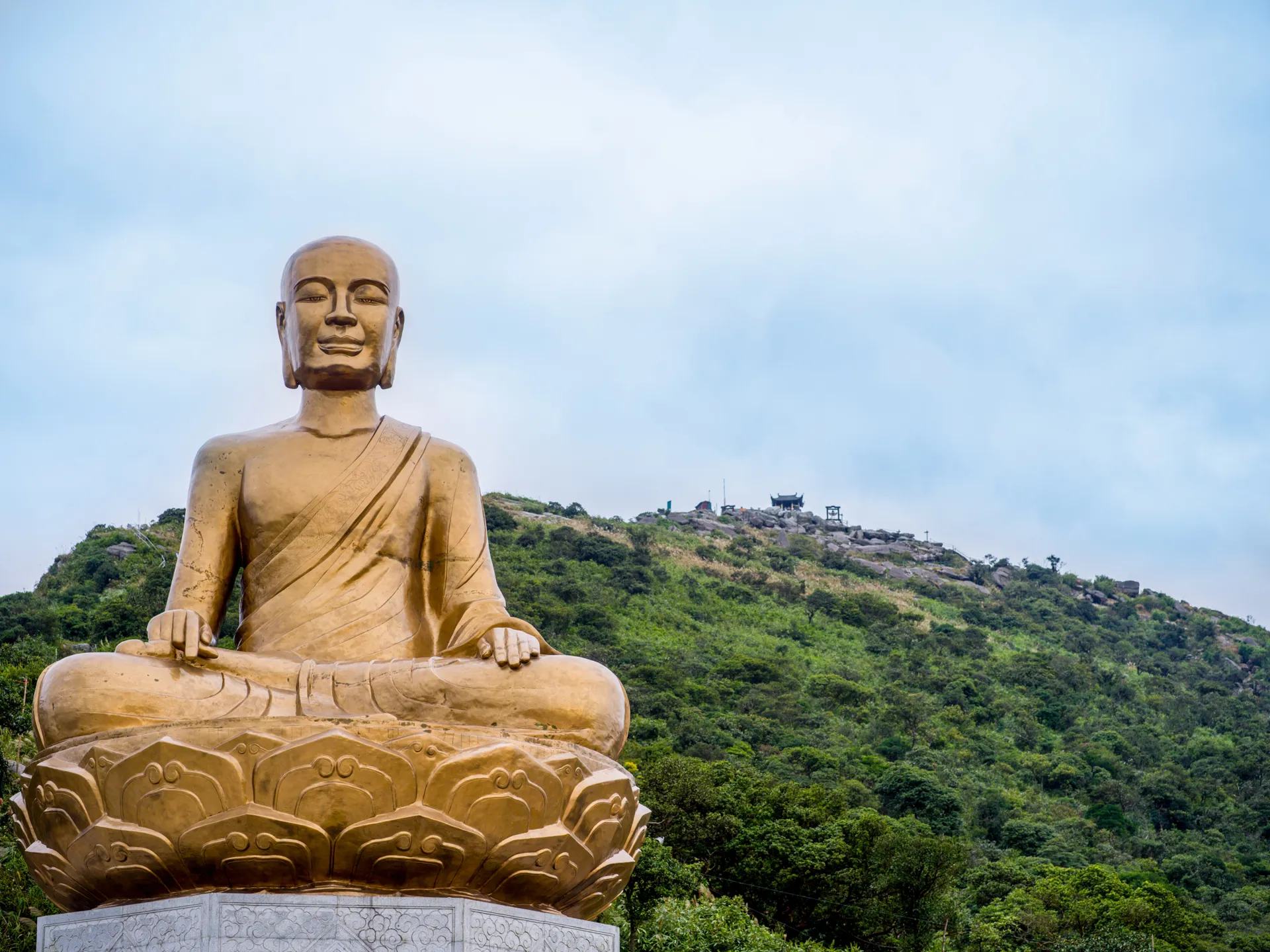
The giant bronze statue of Buddha King Tran Nhan Tong (1258-1308) in Yen Tu Mountain. Photo: Viet Trung
Together with two disciples, monks Phap Loa Ton Gia (1284–1330) and Ly Dao Tai (1254–1334), the emperor founded the Truc Lam Zen Buddhist Sect , a form of humanistic Buddhism with Vietnamese characteristics. Since then, Yen Tu Mountain has been considered the Buddhist capital of Vietnam.
According to UNESCO, Truc Lam Buddhism represents a harmonious synthesis of Mahayana Buddhism, Confucian ethics, Taoist cosmology, and indigenous Vietnamese spiritual traditions.
“The ideological and cultural values of Truc Lam Buddhism align closely with UNESCO’s core mission of preserving and enriching humanity’s shared values,” the inscription document states.
“These include the promotion of education, a culture of peace, the spirit of autonomy, and a balanced relationship between humans and nature, with respect for natural laws.”
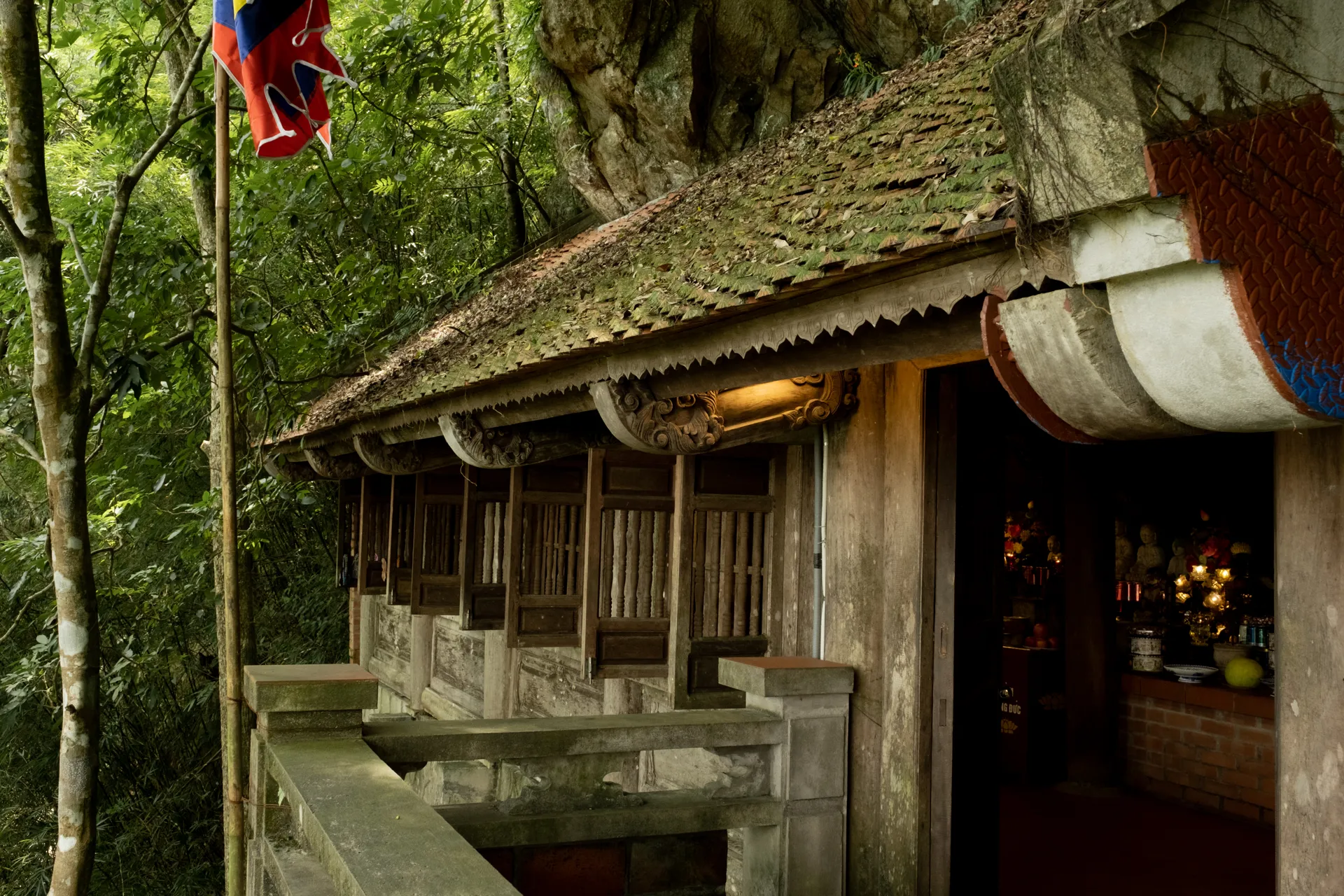
Hoa Yen Ancient Pagoda on the mountainside of Yen Tu Mountain where Buddha King Tran Nhan Tong meditated, preached, and received his courtiers. Photo: Viet Trung
The heritage fully reflects the stages of development of Truc Lam Buddhism, from its establishment and institutionalization to its revival and continued spread of the creative and humanistic values of the Vietnamese people.
This legacy is preserved through an extensive network of temples, hermitages, pilgrimage routes, stone steles, woodblocks, and other relics that stretch from Yen Tu to Vinh Nghiem and Con Son–Kiep Bac.
Typical destinations in the relic complex include Thai Mieu, Hoa Yen Pagoda, Ngoa Van Pagoda, and the Yen Giang stake field in Quang Ninh; Kiep Bac Temple, Thanh Mai Pagoda, Kinh Chu Cave, and Nham Duong Pagoda in Hai Phong; and Vinh Nghiem Pagoda and Bo Da Pagoda in Bac Ninh.
These sites, dating back many centuries, demonstrate continuous development and serve as religious and spiritual cultural centers and pilgrimage destinations for millions of tourists each year.
Efforts to preserve national legacy
In accordance with the provisions of the Law on Cultural Heritage and the 1972 UNESCO Convention on the Protection of World Cultural and Natural Heritage, Vietnam is committed to the long-term sustainable protection and promotion of the relic complex's value, along with UNESCO’s designation.
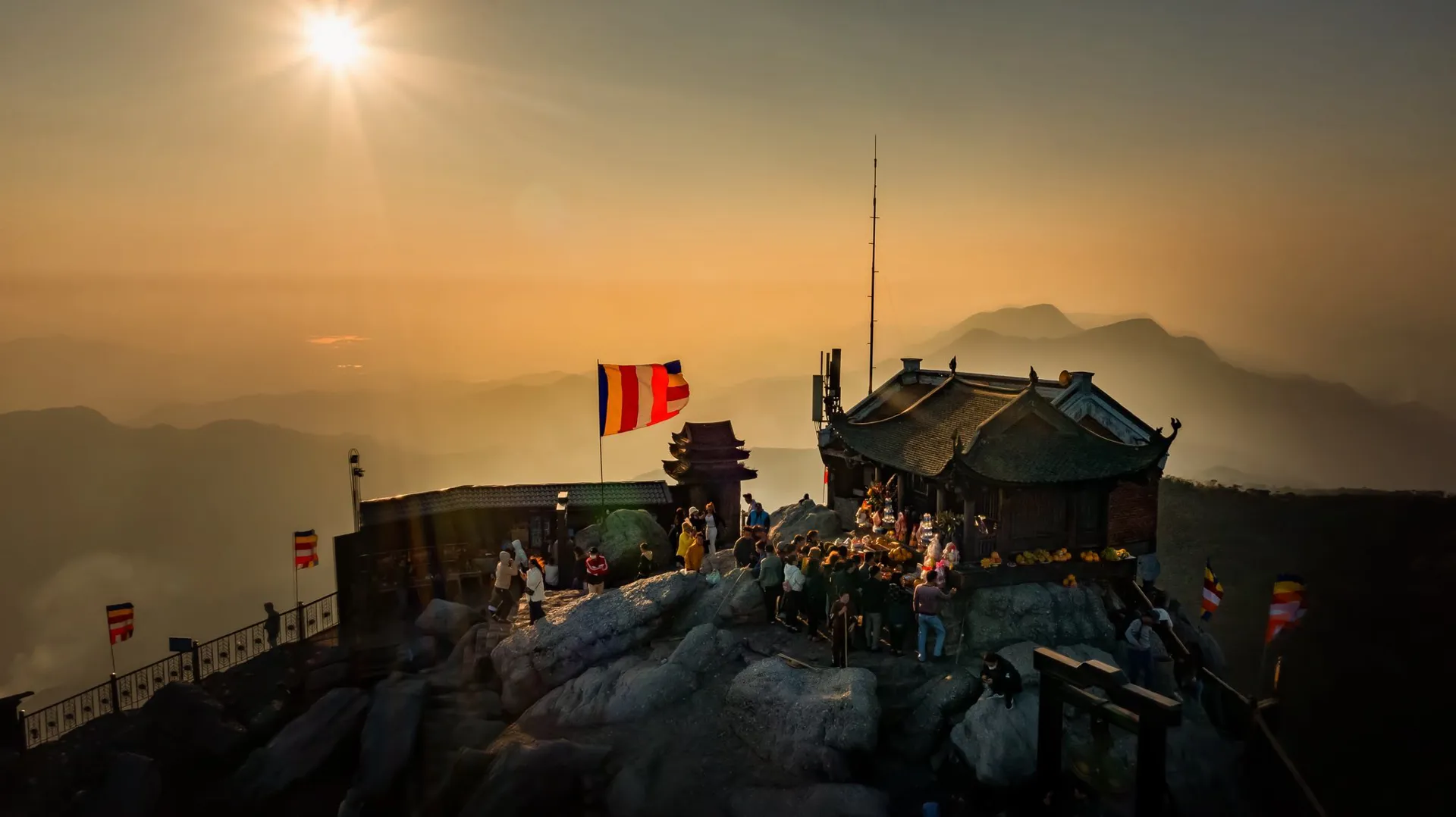
Chua Dong (Bronze) Pagoda at an altitude of 1,068 meters above sea level, on the highest peak of Yen Tu Mountain. Photo: Viet Trung
Permanent Deputy Minister of Foreign Affairs and Chairman of the Vietnam National Commission for UNESCO Nguyen Minh Vu said this designation validates the international recognition of the relic complex's value and the humanistic and peaceful principles of Truc Lam Buddhism, founded by King Tran Nhan Tong. It also acknowledges Vietnam’s efforts to protect the heritage.
"Having the relics inscribed as a World Heritage Site raises the country's profile on the international stage and creates favorable conditions for preserving and promoting the heritage's value in a sustainable manner," he said.
He added that the relic complex's designation as a World Heritage Site will also strengthen regional connectivity between Quang Ninh, Haiphong, and Bac Ninh, building a unified heritage space and projecting Vietnam and its people to a wider audience.
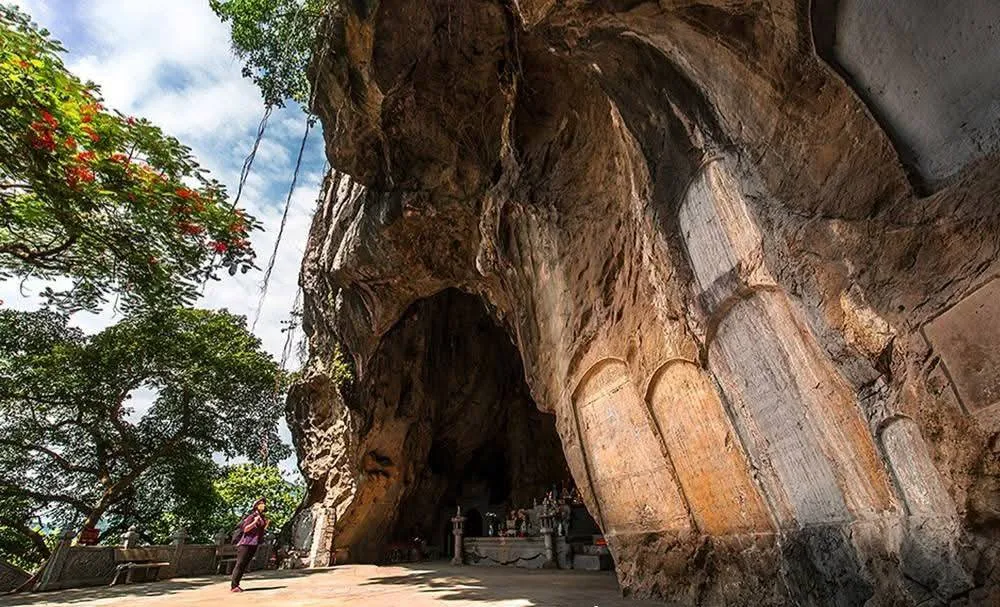
The Kinh Chu Cave in Con Son- Kiep Bac Relic, Haiphong. Photo courtesy of the relic site
The Yen Tu - Vinh Nghiem - Con Son, Kiep Bac Complex of Monuments and Landscapes is Vietnam’s ninth World Cultural Heritage site and, notably, its second inter-provincial site. It joins the Ha Long Bay-Cat Ba Archipelago, spanning Quang Ninh Province and Haiphong City in northern Vietnam, in representing shared heritage across provincial borders.
Deputy Minister of Culture, Sports, and Tourism, Hoang Dao Cuong, emphasized that the UNESCO designation is a source of national pride and a powerful motivation to safeguard each locality's cultural identity.
"This achievement requires heightened awareness and coordinated, effective action at all levels to preserve and promote heritage values in line with the spirit of the World Heritage Convention and the goals of sustainable development," he stated.

The Vinh Nghiem Pagoda in Bac Ninh Province. Photo courtesy of the pagoda
With this latest inscription on the World Heritage List, Vietnam continues to contribute in a meaningful way to UNESCO’s global mission of preserving and celebrating the world’s cultural treasures.
Since the adoption of the World Heritage Convention in 1972, Vietnam has regarded the identification, preservation, and transmission of heritage to future generations as a vital responsibility.
|
Nine UNESCO-designated World Heritage Sites in Vietnam
|