Open-park push reshapes Hanoi public green spaces and everyday urban life
In a bid to make green spaces more accessible and functional, Hanoi has started opening its parks to free public access, aligning urban design with goals for health, livability and social well-being.
THE HANOI TIMES — Over recent days in Hanoi, the steady removal of iron fencing from public parks has marked a quiet but significant shift in how the city is reimagining its public spaces.
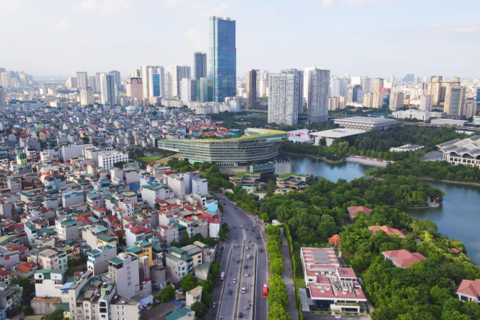
Hanoi is moving toward an open-park model, removing physical barriers and expanding public access to green spaces as part of a broader push to improve urban livability, public health and community life.
Since January 28, the city has started dismantling iron fences at several major parks, most notably Bach Thao Park in Ba Dinh Ward, marking a concrete step toward more open and accessible public spaces.
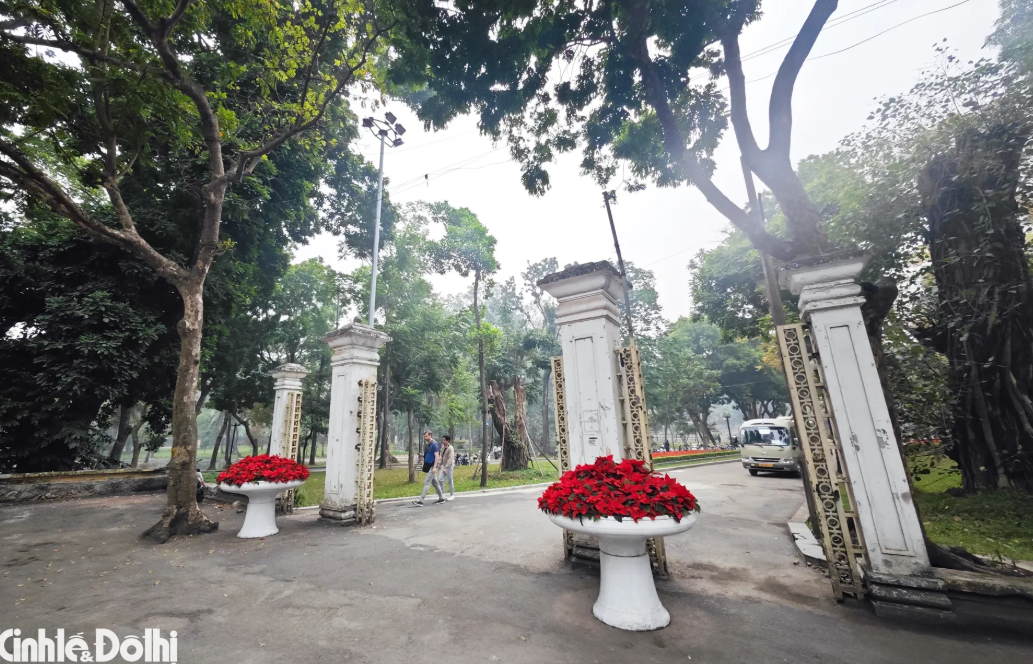
Bach Thao Park, often described as Hanoi’s “green lung”, covers a vast area in the heart of the capital. Photos: The Hanoi Times
At the park, workers have removed sections of aging iron fencing more than 2.6 meters high, opening additional access points and reconnecting the park with surrounding streets instead of funneling visitors through fixed gates.
For decades, these fences defined how residents interacted with the park, where they could enter, when they could linger and whether a visit felt spontaneous or planned.
The work has proceeded in stages, dismantling long-standing fence segments that had separated the park from nearby residential areas for decades.
Once completed, residents will be able to enter freely from multiple directions, easing reliance on the main gate on Hoang Hoa Tham Street and integrating the park into daily urban movement.
Similar changes were introduced earlier at Thong Nhat Park, Indira Gandhi Park and Cau Giay Park, where fence removal enabled free entry and more flexible use of public space.
Together, these steps reflect a consistent policy direction rather than isolated experiments, signaling Hanoi’s effort to rethink the role of public parks in a dense and fast-growing city.
At the heart of this shift is a simple question: what makes a park truly public?
City authorities increasingly acknowledge that green space alone does not guarantee effective use when physical or psychological barriers limit access.
For years, many Hanoi parks operated as enclosed facilities, with fences, limited entrances and small fees intended to support maintenance and order. While modest, these charges often shaped how residents viewed everyday park use.
Entrance and parking fees discouraged spontaneous visits and made it harder for residents to form habits such as morning walks or evening exercise.
Some residents say stopping to pay or queue disrupts the experience, pushing people to exercise on sidewalks or busy streets despite traffic risks and air pollution.
Urban planners argue that habits form more easily when access feels effortless. In this context, removing barriers and routine fees can deliver greater public health benefits than building new facilities.
According to the Hanoi Department of Construction, the city has identified several major parks, including Thong Nhat Park, Bach Thao Park and Hoa Binh Park, for development under an open-park model without fences or entrance fees.
“City leaders have agreed to designate these parks as open public spaces, remove physical barriers and eliminate entrance fees to better serve daily needs,” said Nguyen The Cong, deputy director of the Hanoi Department of Construction.
Officials say opening parks from multiple directions helps spread foot traffic more evenly, reduce congestion at main entrances and connect green spaces more closely with surrounding neighborhoods.
In densely populated inner districts with limited private recreational space, this integration is seen as essential to improving urban livability. From a public health perspective, easier access supports regular physical activity and mental well-being.
International health data often point to Vietnam’s relatively low obesity rates compared with countries at similar income levels, a trend linked to daily movement habits such as walking and outdoor exercise.
Open parks help sustain these habits naturally, without formal programs or added costs.
At the same time, authorities stress that openness does not mean weak management. Instead of relying on fences and fees, the city will emphasize design, maintenance, supervision and shared community responsibility.
Architect Tran Huy Anh, a standing committee member of the Hanoi Association of Architects, said removing park fences is the right approach and should be applied citywide.
“Parks should blend into surrounding streets so people can access them easily. Green space can then spread naturally, creating an open environment that strengthens public life,” he said.
He added that fences create a sense of separation and turn parks into closed spaces, while the purpose of urban parks is to serve communities, encourage outdoor activity and connect with surrounding areas.
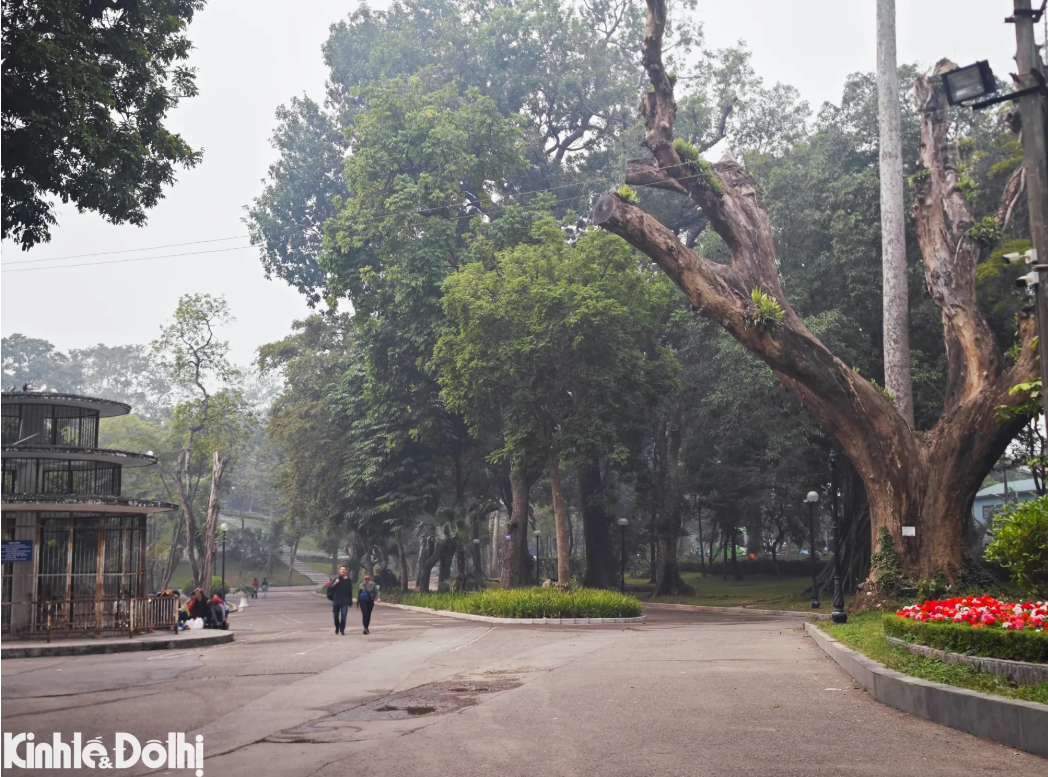
Ancient tree canopies provide shade at Bach Thao Park, making it a popular daily spot for residents and visitors to walk and relax.
Addressing concerns about security and disorder, Anh said the core issue lies in management responsibility, not the presence of fences.
With effective management, open parks can remain orderly, safe and true to their role as shared public spaces, he said.
Residents’ experiences and international perspectives
For residents, the impact appears most clearly in daily routines. Vietnamese people of all ages, as well as international observers, echo this support.
Gia Thu Pham, who lives near Truc Bach Lake, said recent upgrades have brought new vitality to the area.
“These changes give people more places to exercise, meet and spend time outdoors without paying,” he said. “That makes regular outings easier and adds energy to daily life.”
Nguyen Quynh, a student living in Dong Da Ward, said improvements around Hoang Cau Lake have eased stress.
“After school, it helps to have somewhere close to go,” she said. “In the evenings, my friends and I sit by the lake to relax. It makes the city feel lighter.”
Benedicte Lemercier, a French national who previously lived and worked in Hanoi, said broader access to public space signals a shift toward higher-quality urban living.
“Public parks and lakes show how a city values health,” she said. “Better access supports greener lifestyles and helps build a more open and resilient society.”
Globally, many cities are removing barriers and treating green spaces as essential urban infrastructure rather than controlled venues.
In that context, Hanoi’s actions align with a wider movement toward people-centered urban development.
Architect Pham Thanh Tung, Chief of Staff of the Vietnam Association of Architects, said lowering or removing park fences has delivered positive results.
“Without fences, parks feel more welcoming. People enjoy green space and feel responsible for protecting it as the city’s lungs,” he said.
“Removing fences opens more than paths. It opens a new way of thinking, where residents stand at the center of urban decisions. When cities recognize people’s right to enjoy space, urban life becomes more livable and more humane.”
As the fences come down, what emerges is not just easier access, but a redefinition of public space, one where parks once again belong naturally to the rhythm of everyday city life.
When access becomes simple and intuitive, public parks regain their role as everyday spaces for movement, connection and shared urban life.