Short term impacts of EVFTA on Vietnam's textile industry deemed marginal
This is despite the fact that Vietnam’s textile and garment industry is expected to benefit the most from the deal.
The EU – Vietnam Free Trade Agreement (EVFTA) is likely to have a marginal impact on Vietnam's textile industry in the short term as local enterprises are still adjusting their operations to meet strict requirements from a highly demanding market, according to Bao Viet Securities Company (BVSC).
| Illustrative photo. |
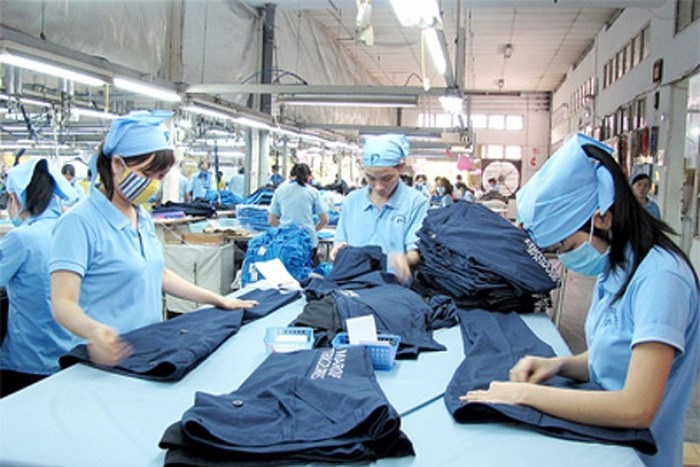
This is despite the fact that the textile and garment industry is expected to benefit the most from the EVFTA. The average tariff applied by Europe on these products is at 9%, which will be eliminated within three years or right after the EVFTA comes into force for less sensitive products, said a HSBC report.
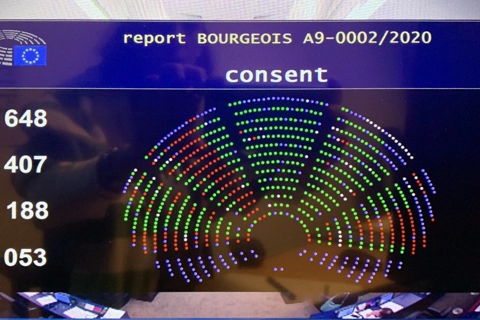
On February 12, the European Parliament (EP) officially ratified the EVFTA. As scheduled, the agreement needs to and may possibly be approved by Vietnam’s National Assembly in May in order to come into force.
Under the tariff reduction roadmap, tariffs on most yarn and fabric products will be immediately exempted while tariffs on garments will gradually decrease to 0% in the next six to eight years.
Subsequently, Vietnam’s garment products will increasingly decrease the price gap with Bangladesh’s (currently enjoying 0% tax) and gain advantages over China (12% tax) while the preferential tax for Cambodia (0%) is currently discontinued due to recent labor rights violations, said BVSC.
However, Vietnamese enterprises would face challenges to gain short-term benefits from the deal, due to (1) limited capability of material autonomy while EVFTA’ rules of origin include “from yarn onward” and (2) the roadmap of reducing tariff on garments (not immediately at once).
Therefore, the EVFTA in fact only opens up opportunities for businesses with material autonomy as well as those with large EU groups of customers, such as TNG Investment Trading Company (EU is the largest market of TNG, accounting for 54% of sales), and Thanh Cong Textile Garment Investment Trading Company (EU currently contributes only about 5% of sewing revenue; however, with 60-70% material autonomy, Thanh Cong is expected to meet EVFTA rules of origin).
Nguyen Thu Trang, director of the WTO center under the Vietnam Chamber of Commerce and Industry (VCCI), previously said the lack of local suppliers for input materials is proving to be a major challenges for Vietnam’s textile and garment industry to enjoy preferential treatment from the EVFTA, as it fails to comply with the rules of origin.
As of present, nearly 90% of the input materials for the industry is currently being imported from countries which are not members of the EU or those which the bloc has signed trade deals with, Trang added.
In a press conference on February 12, Minister of Industry and Trade Tran Tuan Anh said The EVFTA holds significant meaning as it opens up huge opportunities for Vietnamese enterprises to penetrate the EU markets with a combined GDP of US$18 trillion, especially as the Covid-19 outbreak is causing negative impacts on Vietnam’s exports.