The "Healing" trend among young Vietnamese: A new wave of wellness?
Is the "healing" trend among young Vietnamese a genuine path to well-being or just another fleeting social media craze?
It’s a typical Monday morning, and I’m in the middle of a team briefing when my phone buzzes. It’s my best friend texting me out of the blue to say he’s quitting his job. The catch? He just got back from a "healing vacation." You’d think he’d be all set, poised to take on the world, but instead, he’s more drained than my phone battery at 2%. This got me thinking—what’s going on with this "healing vacation" craze that seems to be sweeping through Vietnam’s youth?
In today's Words on the Street feature, we delve into the dark side of the "healing" trend that is captivating the attention of Vietnam's youth.
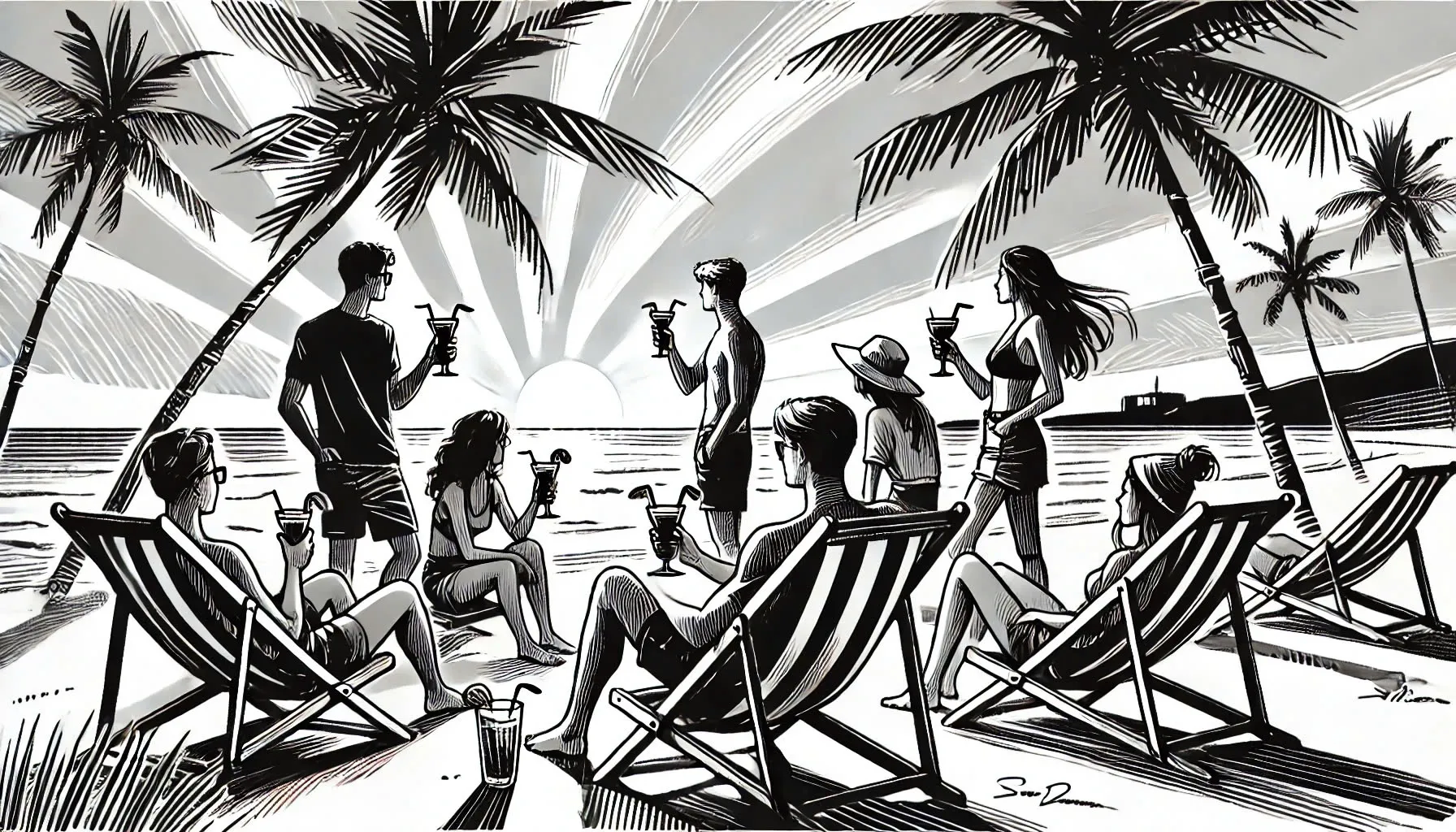
These days, you can’t scroll through social media without stumbling upon someone raving about their latest "healing" retreat. It’s become the newest in fashion, almost like a stylish tote bag, but for your soul. Everywhere you turn, it seems like everyone is talking about needing some time off to "heal" from the stresses of life. But what’s the deal with this "healing" fad, and why has it gained such traction among Vietnamese youth among young people in Vietnam?
To understand the trend, we first need to understand what "healing" means in this context. It goes beyond simply getting over a cold or a twisted ankle. No, when young Vietnamese talk about "healing," they refer to a more holistic approach to well-being. It’s about pampering the mind and soul, almost like giving them a spa day. Think of it as a deep cleansing of all the negative mental and emotional baggage that has been building up over time. For many, this trend is like hitting the reset button on their emotional hard drive. It’s about managing stress, shaking off bad thoughts, and simply feeling good, both inside and out.
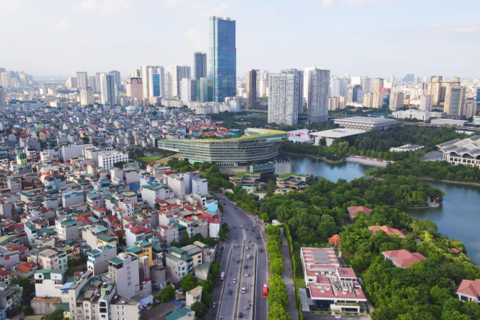
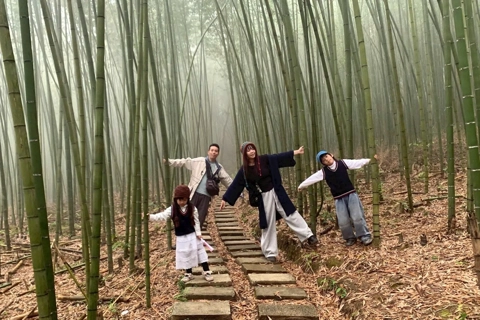
For young people from Hanoi, familiar healing spots are often nature-themed areas or mountain forests located about an hour away from the city. A more budget-friendly option is to rent carefully decorated homestays, where they can relax, cook, and watch movies.
The rise of the "healing vacation" can be seen as a response to the stresses of contemporary living. The fast-paced nature of work, social expectations, and the lingering effects of the COVID-19 pandemic have left many young people feeling overwhelmed. Life can sometimes feel like a never-ending rollercoaster, with school, work, and personal drama piling up. Then came the pandemic, which forced everyone to pause and reassess their priorities. Suddenly, the idea of self-care went from being something you could put off to being essential. It became clear that taking care of one’s mental and emotional health wasn’t just a luxury but a necessity.
As a result, "healing" became the latest buzzword. Social media, of course, played a huge role in spreading this trend. Influencers began posting about their "healing" experiences, making meditation, mindfulness, and self-care routines look like the newest, hippest things. It didn’t take long for the rest of us to catch on, and soon, we were all embarking on a "healing" journey, trying to find our own path to inner peace.
But here’s where things get a little tricky. While the concept of healing sounds great in theory, in practice, it can sometimes feel like a sticking plaster over deeper issues. When everyone’s rushing to "heal," are we really addressing the root of our problems, or are we only making transient accommodations? It’s a bit like slapping on a face mask when what you really need is a good night’s sleep. Sure, the mask may provide you with some temporary relief in the short term, but it won’t fix the fact that you’ve been running on empty.
Let’s face it— therapeutic holidays, for all their Instagram-worthy moments, can sometimes end up being more about looking good on social media than actually getting better. The obligation to share the perfect "healing" experience on social media can turn what should be a pleasant holiday into a stressful event. Instead of truly unwinding, people might find themselves more concerned with getting the ideal Instagram snapshot, turning their peaceful getaway into a must-get-the-perfect-photo nightmare.
Another issue is that the trend can sometimes lead to overindulgence. We’ve all seen it: someone who convinces themselves they need a "mental health day" just to justify splurging on a luxury experience they can’t afford. Do we really need a $400 fine dining experience to feel better? Probably not. Yet, the lure of treating oneself can be strong, leading to a cycle of spending that may seem justified at the time but ultimately leaves one feeling guilty. This is especially true for students or young professionals who, after a stressful semester or project, blow their savings on a shopping spree or an extravagant trip, thinking they deserve it. Sure, it feels great at the moment, but once the thrill wears off, they’re left wondering where all their money went. It’s a quick fix that leaves you burnt out and broke—definitely not the "healing" they were hoping for.
This trend also raises questions about overindulgence and its consequences. When did self-care become synonymous with treating yourself to things you can’t afford? Retail therapy might be fun, but when it turns into a habit, it can trap you in a cycle of instant gratification followed by regret. Overindulgence in "healing" can actually do more harm than good. The whole point of healing is to recharge, but if you go overboard, you might end up feeling even more drained than before. It’s easy to fall into the trap of being overly at ease, losing motivation, and then wondering why you’re stuck in a rut. When you become addicted to treating yourself, you might find yourself working just to fund your next "healing" session instead of putting money down for the future.
It’s also worth noting that this obsession with "healing" might be making us more self-centered. Don’t get me wrong—taking care of yourself is important. But when it becomes all about you and your next "me-time" moment, it’s easy to lose sight of the bigger picture. Sometimes, the best way to heal is to step outside yourself and do something for others. Helping someone else can be just as rewarding as treating yourself, and it’s a lot less likely to break the bank.
Ultimately, the healing trend among young Vietnamese is a reflection of our times—an attempt to find balance and peace in an increasingly stressful world. But as with everything, balance is key. True healing should leave you feeling refreshed and ready to conquer the world, not stuck in a cycle of indulgence and remorse. Maybe it’s time to stop chasing the perfect "healing" experience and start focusing on what truly counts: leading a balanced, meaningful life that’s not just about self-care, but also about caring for others.