The mansion of King Bao Dai in Hanoi - a sleeping beauty
The 110-year-old mansion of King Bao Dai is still unknown to many people despite its special architecture and luxury, like a sleeping beauty waiting to be woken up.
The mansion of King Bao Dai located in Hanoi’s center, featuring luxurious classic French architecture and royal lifestyle as a hidden gem to discover.
| Bao Dai, the last King of Vietnam was in his Ngoc Ha mansion in Hanoi. Documentary Photo. |
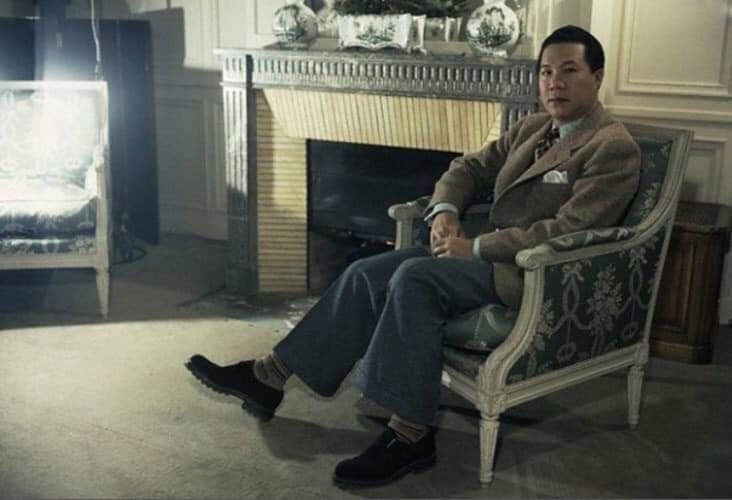
King Bao Dai (1913-1997) was the last king of the Nguyen Dynasty (1802-1945), also the last feudal dynasty of Vietnam. He is known as the owner of the most luxurious mansions in the country. He owned mansions from the North to the South. Each has its own beauty and story that attract many visitors.
Among them, the one in Hanoi completed the construction in 1911, the same year of the launching of the well-known Hanoi Opera House.
Located at No.186 Ngoc Ha Street, Ba Dinh District, one of Hanoi’s central districts, but the mansion is hidden behind later built high rises and trees.
Designed by French architect Arthur Kruze, the author of dozens of famous architectural works in France and around the world, the mansion has a unique architecture, combining Eastern and Western style.
| The mansion from outside. Photo courstesy: Ho Hoang Hai. |
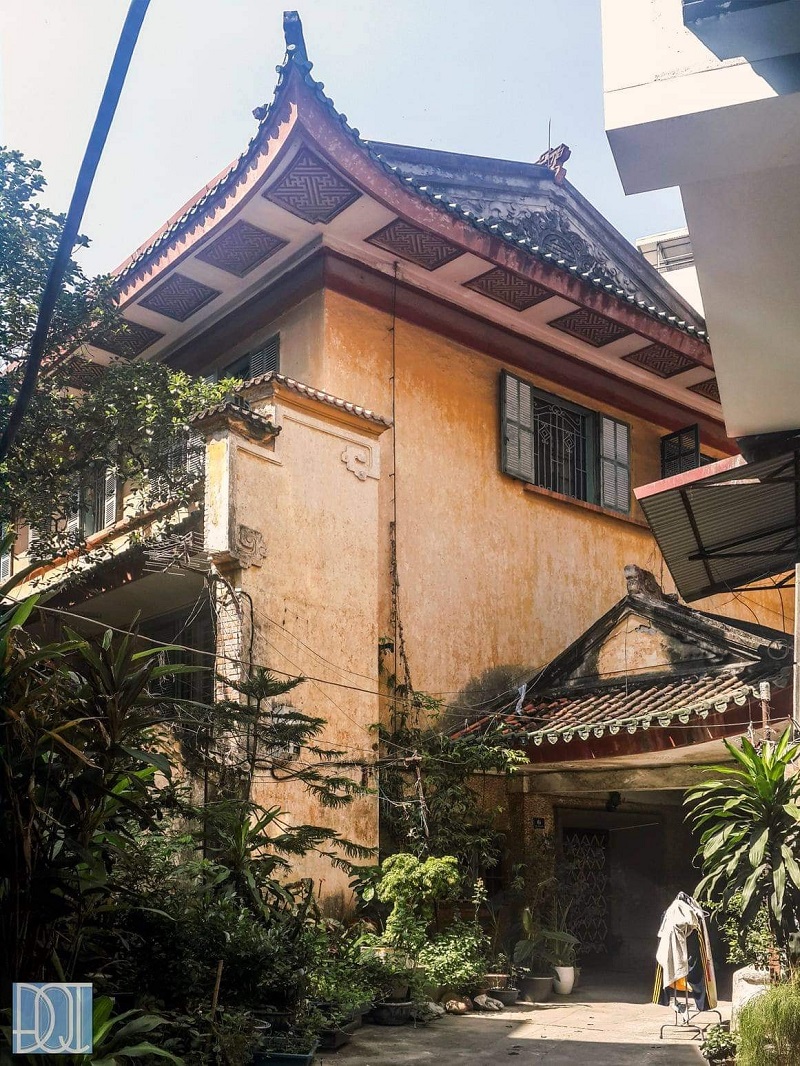
The mansion is a complex including five villas with most of the materials used in the construction were imported from Europe. Surprisingly, bricks with carved French letters can be found here.
Its facade features the typical Oriental style with the traditional upward curved roof and details of dragon and phoenix, which are supposed to be used only for kings.
| Ngoc Ha mansion has an elegant look. Photo: Ho Hoang Hai. |
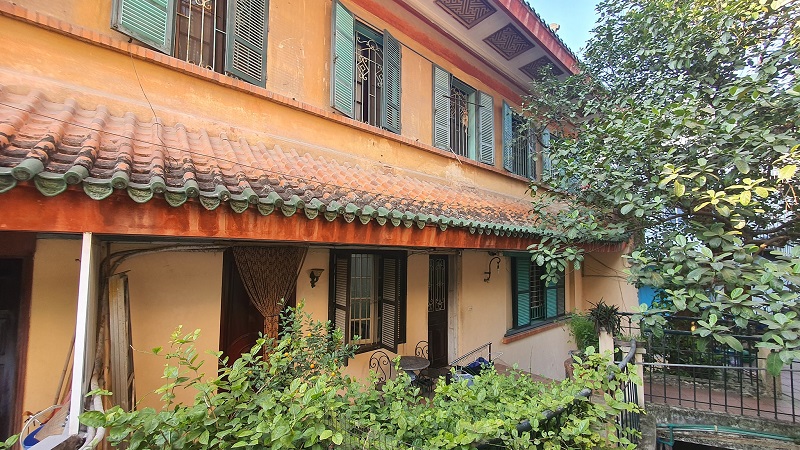
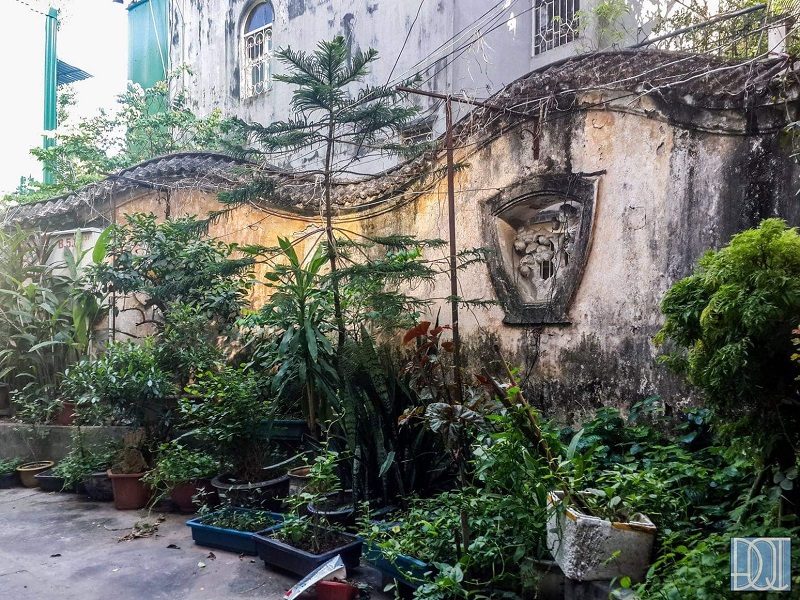
In addition, there is an over 300 squares meters garden with a pond, beautiful bonsai, surrounded by a dragon-shaped fence, like a typical palatial garden.
Meanwhile, the interior architecture follows Western style. The mansion’s floor and stairs are paved with wood while its doors and windows are sliding.
There is a fireplace in the living room. Like today, all the cabinets are built into the wall and the electricity wires are buried in the walls as well. There is also a water pump made in France, which is still working.
| The mansion's lush green garden. Photo: Ho Hoang Hai. |
Moreover, all storeys are equipped with modern flush toilets - something modern and weird in the country in the early 20th century because squat toilets were considered dirty places and should be built separately from the main house and flush toilets only came about 20 years ago.
Particularly, there is a modern elevator to carry food from the kitchen to the dining room on the second floor which is arranged like a fanciful restaurant. There is also a garage in the basement like typical French villas.
Today, some furniture still remains such as poshy wooden tables and chairs, paintings of the old Hanoi and young girls in the Ao dai (traditional long dress) of the early 20th century. It shows the luxurious life of the king.
| The mansion luxurious interior. Photo: Ho Hoang Hai. |
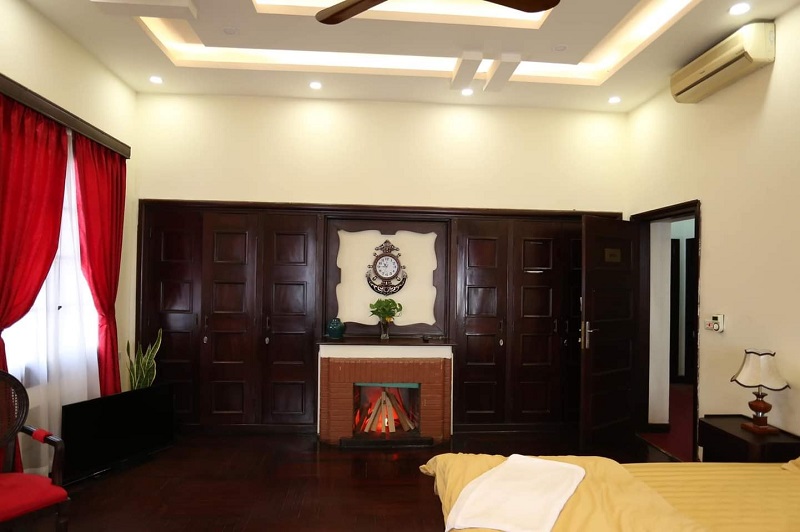
Over a century, excepting its moldy wall, the place is surprisingly intact as it is only a few steps to Huu Tiep Lake, a target of US bombings during the war.
King Bao Dai was the first and only Vietnamese king who studied abroad. After 10 years studying in France, he returned to Vietnam imbued with Western culture. He had a special interest in European architecture and built several houses along Vietnam.
| Yellow walls and green windows are typical characteristics of French colonial architecture in Vietnam. Photo: Ho Hoang Hai. |

There are seven famous houses of King Bao Dai named after him, most of which feature modern Western architecture and luxury for the King and the Queen to enjoy holidays.
His mansions are including a villa in Haiphong Northern city with octagonal French architecture featuring a spectacular panoramic city view from its 40-metre-high perch, three elegant palaces in poetic pine forest and hills of Da Lat Central Highland city; the White Villa overlooking a beach in Vung Tau Southern city; a cluster style mansion of French colonial architecture in Nha Trang; and a Palace in the city of Buon Ma Thuot Central Highland city.