Tieu Dao Pagoda: Embodying quintessence of ceramic village
The unique pagoda graces a famous tourist destination in the suburbs of Hanoi.
Located in Gia Lam District, Tieu Dao Pagoda is an ancient pagoda that has been rebuilt by ceramic artisans. It now serves as the "handicraft village museum" of Bat Trang, showcasing unique features that attract tourists to this destination.
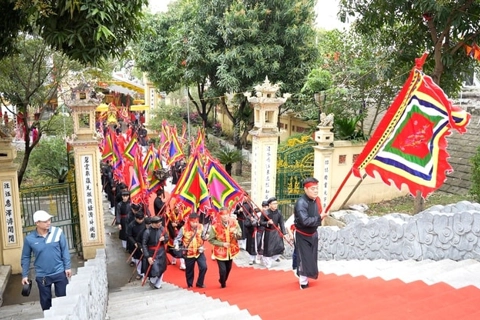
| In Bat Trang Pottery Village, Tieu Dao Pagoda is a popular tourist attraction for travelers. Photo: Lam Hanoi |
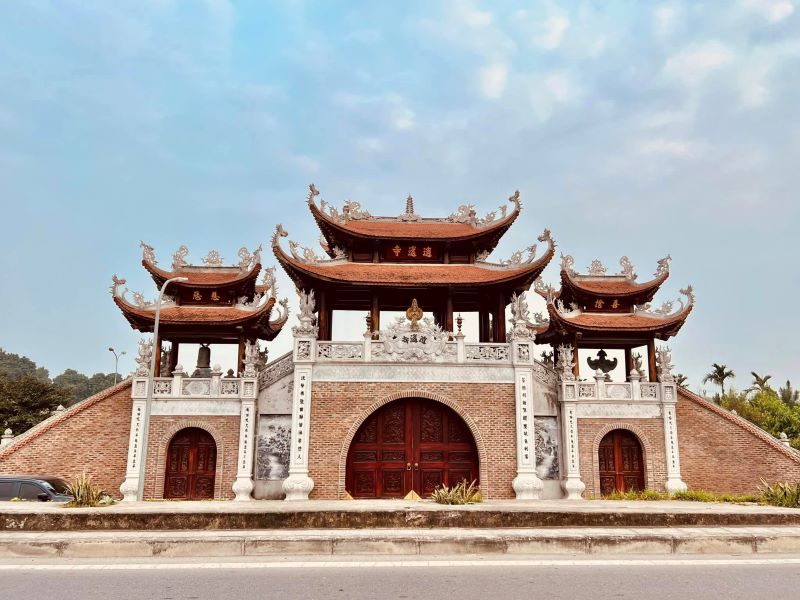
Bat Trang Pottery Village lies along the Red River in Gia Lam, a suburban district of Hanoi. Known as the oldest and most famous pottery village in Vietnam, Bat Trang also boasts a distinctive ceramic temple.
Tieu Dao Pagoda was built shortly after the village was founded during the Tran Dynasty (1226-1400).
This place was also one of the bases of the Can Vuong (Help the King) rebel army in the late 19th century. Before 1945, Tieu Dao Pagoda was the secret repository of the documents of the Communist Party of Vietnam and the base of many revolutionaries. One of them was the late musician Van Cao, whose Tien Quan Ca (Marching Army Song) - the national anthem, was hidden in the pagoda and spread from there.
| The quiet inner courtyard of the pagoda. Photo: Hoang Tung |
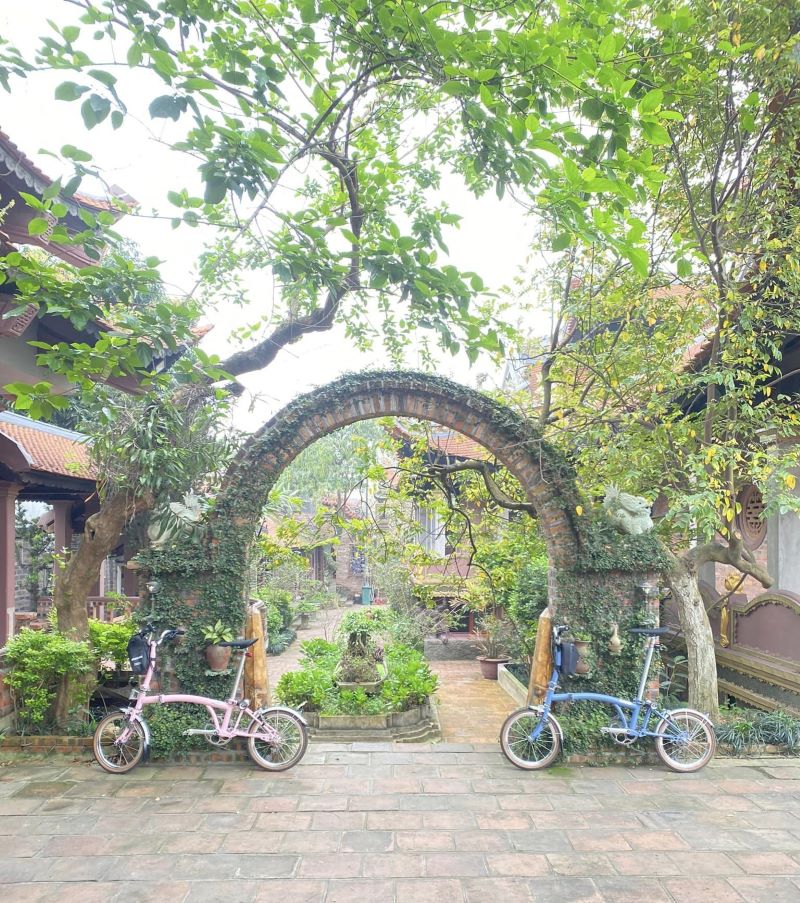
The architecture of Tieu Dao Pagoda had been damaged by historical ups and downs, according to Vice Chairman of the People's Committee of Bat Trang Commune Nguyen Trung Kien. In 2001, the site was repaired and in 2011, its abbot Thich Bao Duc made a major restoration of the pagoda with the idea of bringing the quintessence of the pottery village into a Buddhist temple.
Bat Trang ceramic artists put all their effort and skill into creating amazing pieces of art for the temple, such as Nguyen Dynasty-era incense burners.
Worshipping statues, decorative blade-like eaves, couplets, altars, horizontal inscribed boards, and decorative columns around the pagoda are all made of ceramics.
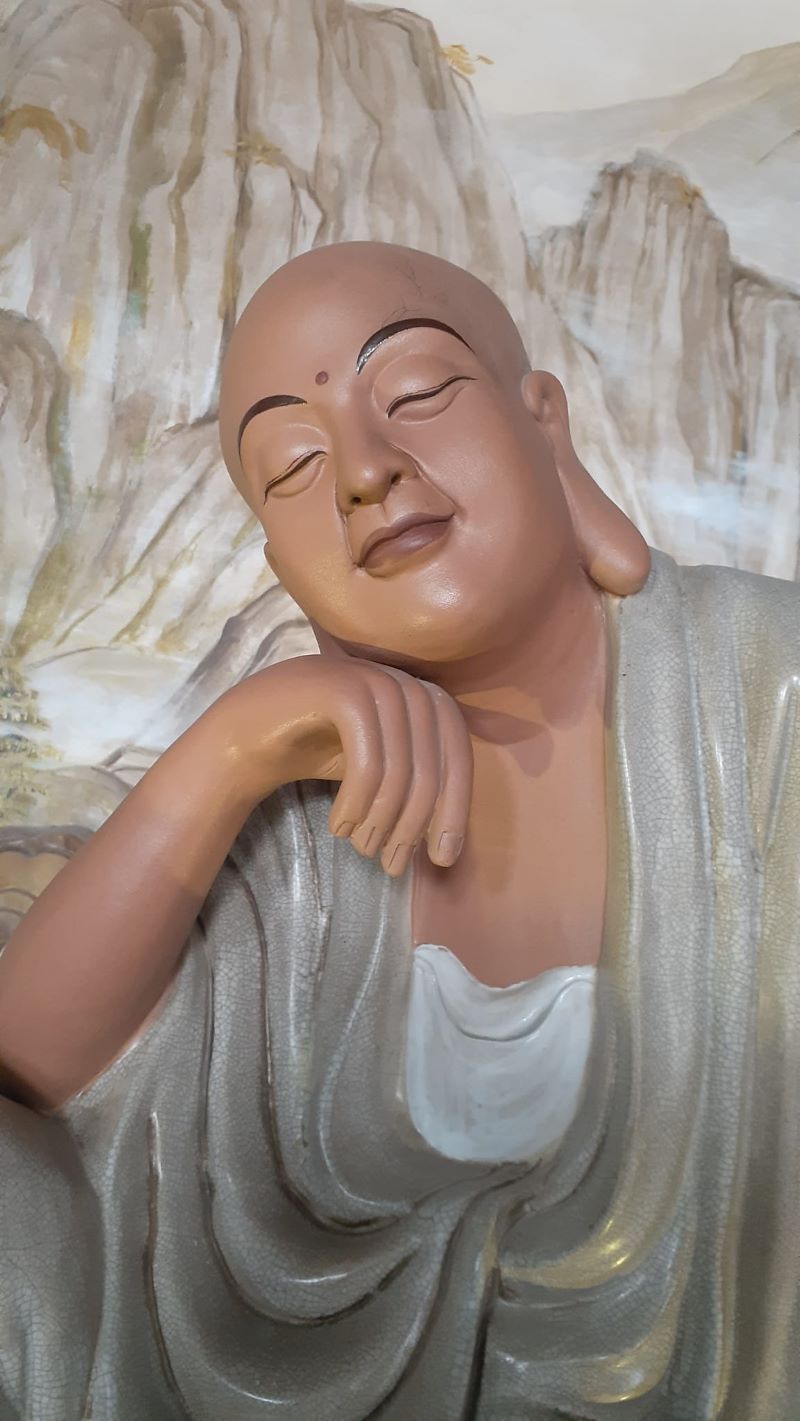
In addition, in the Patriarch Hall, Mother Goddess Hall, Eighteen Arhats Hall, and Mountain Farm Cave of Tieu Dao Pagoda, almost all the statues - 78 to be exact - were also pottery made by renowned artisans of the village.
Meanwhile, a ceramic statue of a Dharmapāla, 2.5 meters high, is solemnly placed on one of the Three Jewels altars.
The Buddha statue in the main worship hall of the pagoda. Photo: Hanoimoi |
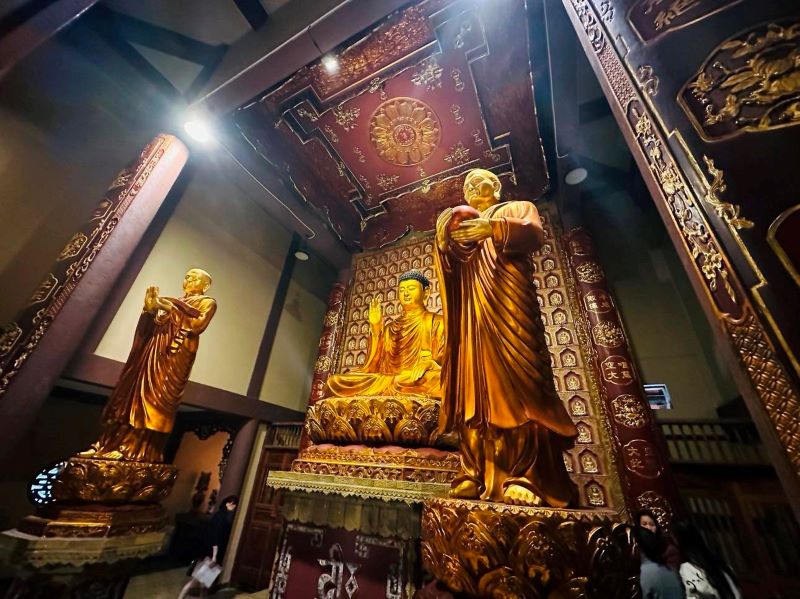
Tieu Dao Pagoda currently has an area of about 8,300 square meters, according to the Giang Cao Hamlet Relics Management Subcommittee. The main gate has been renovated and covered with countless small ceramic pieces.
In the main courtyard, there are two side halls dedicated to the Eighteen Arhats, each with 9 statues solemnly placed against the background of a large cloud-mountain mural. The pillars are decorated with curving blue dragon motifs.
In the middle of the steps leading up to the main Three Jewels Hall is a colorful ceramic painting in the Om mani style - another unique work of Tieu Dao Pagoda. The painting is about two meters wide and two meters long.
The hall is delicately decorated with ceramic motifs in three main colors: green, red, and yellow. Meanwhile, its columns display paintings of lotus flowers, chrysanthemums, and bamboo trees, all common themes in Vietnamese Buddhist architecture.
Inside the central compartment of the Three Jewels Hall are two ceramic statues of Dharmapālas with very exquisite lines. Each is 2.5 meters high and took more than a year to complete.
| Tieu Dao pagoda. Photo: Chang Chang |
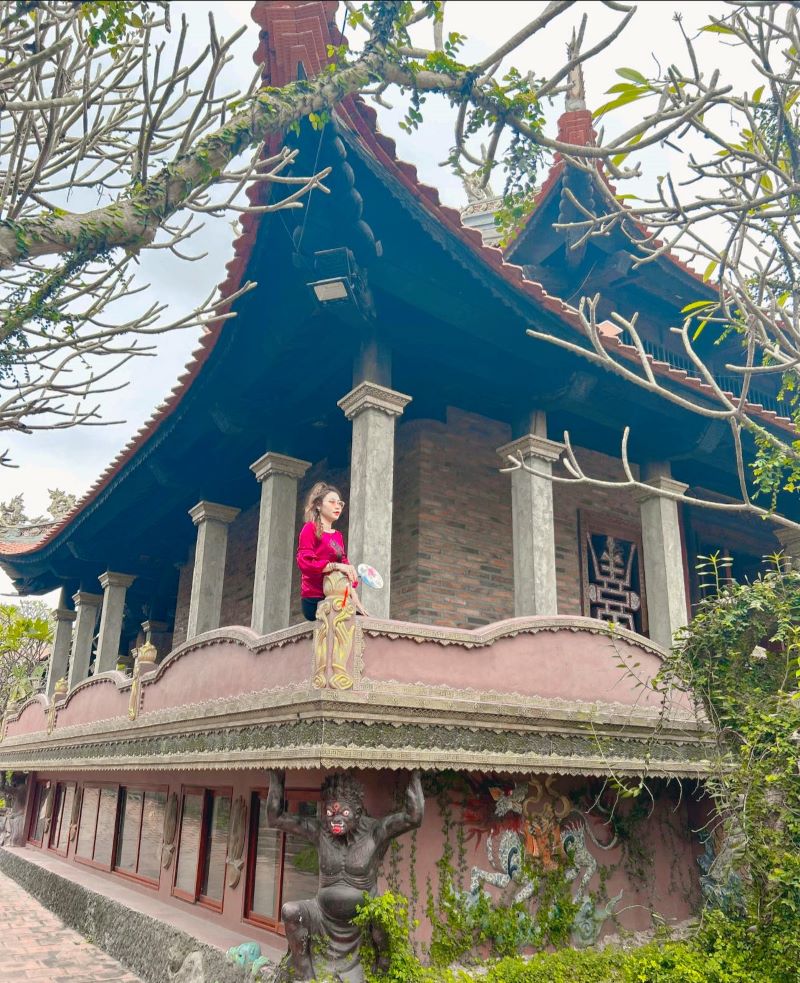
Behind the main hall is the Patriarch Hall, which has four dragon statues in the Le Dynasty style. Inside, there are nine ceramic statues, including that of Emperor-Monk Tran Nhan Tong, in the center. The altar is decorated with two gourd-shaped vases, which are meaningful gifts from the people of Bat Trang Handicraft Village.
The waiting room is exquisitely decorated with five ceramic paintings on the Law of Karma above and a lotus pond painting.
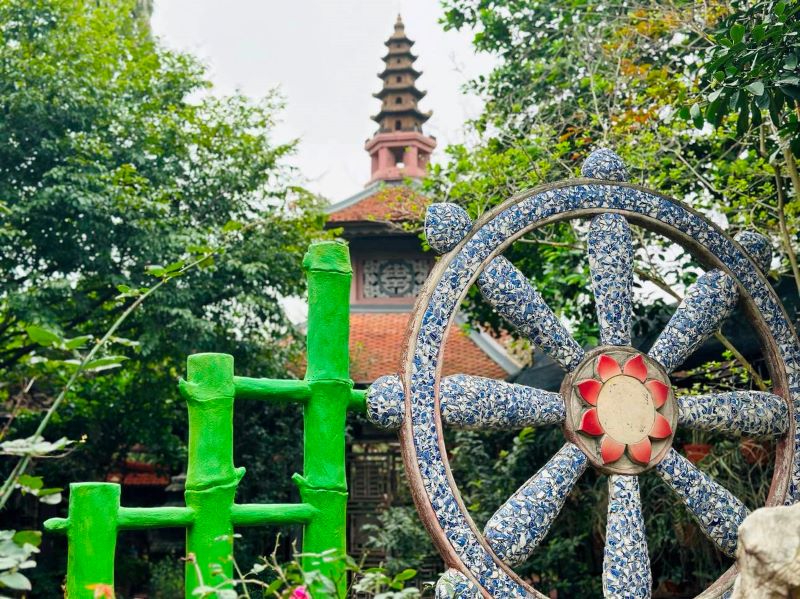
The garden around the pagoda was also carefully designed by monk Thich Bao Duc and Buddhists in the village. The villagers and the monk discussed and decided on the aesthetics and presentation of each miniature landscape.
| Ceramic bas-relief of Buddha images created by Bat Trang artisans. Photo: Hanoimoi |
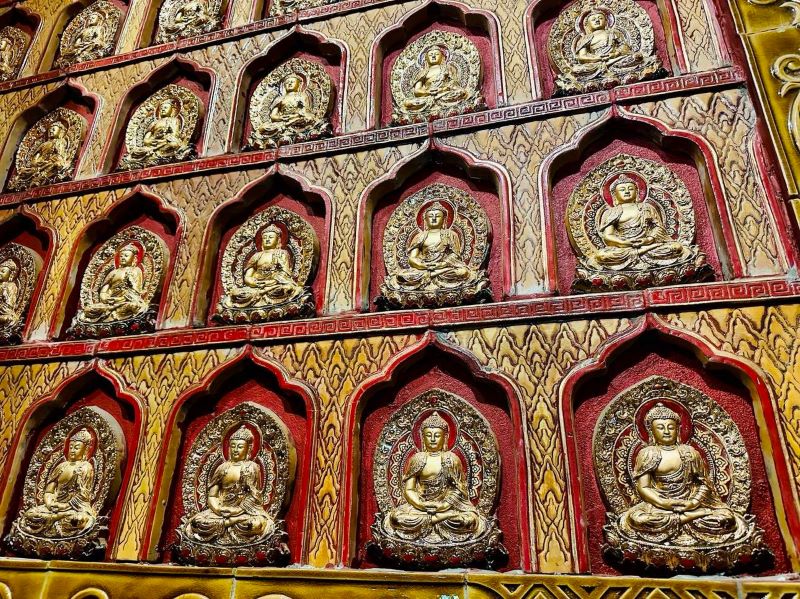
Nguyen Van Ky, Deputy Head of the Tieu Dao Pagoda Construction Committee, said: "The pagoda embodies our intelligence and energy to add the exquisiteness of ceramics to it. The work demonstrates the enthusiasm of many people, the pride of Giang Cao Hamlet in particular and Bat Trang Ceramics Village in general."
As a result, the pagoda has an exceptional charm while preserving the spirit of a traditional artisan village.
| Around the pagoda, there are a plethora of statues and miniature landscapes made of ceramic, creating a tranquil space for visitors. Photo: Hanoimoi |
A ceramic statue recreates the life of the enlightened monk. Photo: Tran |
| The stupa garden inside Tieu Dao Pagoda. Photo: Tran Tung |
.jpg)