Transparent bus subsidies to boost public transport in Hanoi
The three most important tools to manage, control and enhance the effectiveness of Hanoi’s bus fare subsidy policy, are to use electronic tickets, build standardized pricing and carry out thorough inspections.
THE HANOI TIMES — Controlling the bus subsidy budget is one of Hanoi's top concerns in promoting the use of public means of transport.
Nguyen Hoang Hai, Vice President of the Hanoi Public Passenger Transport Association (HAPTA), spoke to The Hanoi Times about the issue.
What do you think about Hanoi's bus subsidy policy?
The subsidies have been in place for a long time and are an important policy to ensure the stable operation and gradual development of public bus transport in Hanoi towards a sustainable transport model.
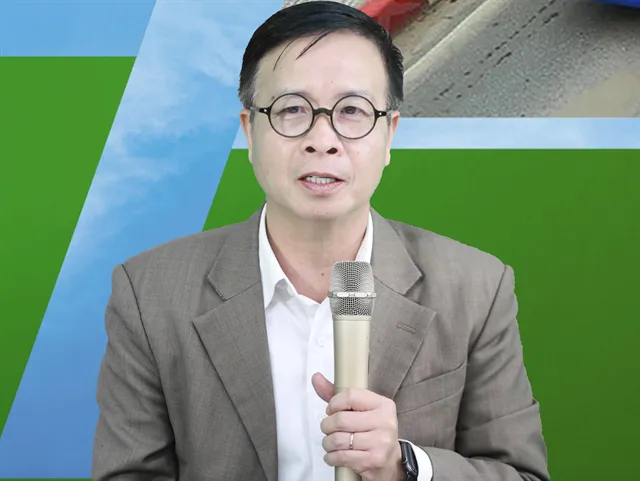
Nguyen Hoang Hai, Vice President of the HAPTA. Photo: Kinh te & Do thi Newspaper
Subsidies have had a positive impact on urban transportation in the city, benefiting local residents, businesses, and government agencies in the pursuit of a sustainable transportation model.
Low fares are one of the main advantages of buses, making this mode of public transport attractive. As a result, more and more people are using buses instead of private vehicles, helping to reduce traffic congestion and pollution.
The efficiency of buses in general and subsidies in particular have been the subject of many questions. What are your thoughts?
In recent years, the subsidies have been strictly controlled by the Hanoi government, as the city's subsidy makes the fare cheaper and bus travel more attractive.
Cost minus revenue is the formula used to calculate the subsidy, which comes from the city budget. It is evident that the subsidy has been used effectively and has contributed significantly to the growth of Hanoi's bus system.
Scientific studies are needed to evaluate the social impact of bus subsidies in the capital.
Do you think there are any shortcomings in the bus subsidy policy?
Hanoi's bus subsidy policy still needs improvement. Currently, the subsidy benefits all passengers, while it should vary reasonably and accurately among different passenger groups.
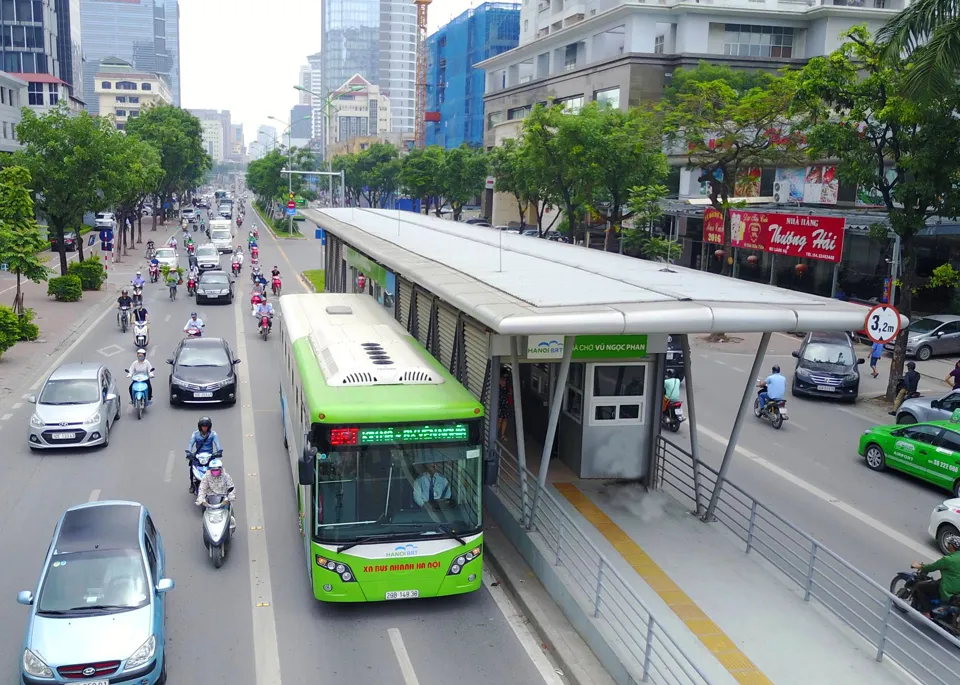
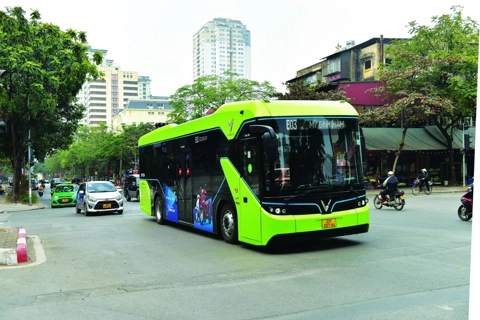
A bus rapid transit on Lang Ha Street, Dong Da District, Hanoi. Photo: Pham Hung/The Hanoi Times
Bus management and operations have begun to use technology, but the level of digitization is not high, and the database of drivers, vehicles, and infrastructure is not updated and processed promptly.
Hanoi still needs to further adjust the route network, continue with plans to switch to green buses, and vigorously deploy smart management applications. These factors will affect the input costs and revenues of bus operators.
What does a bus subsidy policy need to be effective?
Electronic ticketing, detailed standardized pricing for each type of bus, and thorough inspections are critical for an effective bus network.
In the current context, the application of technology in bus management and operation would dramatically improve the efficiency of bus subsidies.
Electronic ticketing has been implemented on many bus routes, providing significant passenger convenience and good revenue control.
In addition, we must continue to review the pricing for each type of bus, such as regular buses, small electric buses, and natural gas buses.
This will be the basis for controlling bus input costs and an important condition for route bidding and subsidy control.
In addition to the three measures above, what else should be considered when subsidizing buses?
We need to improve the quality of bus network management and adapt the ticket and fare structure to different passenger groups.
Depending on the speed of technological changes, Hanoi can adjust the subsidy method in two stages. From now until 2030, the city can continue with the current subsidy calculation and management method.
After 2030, with the introduction of electronic ticketing, ITS, and light rail, subsidies should be provided directly to passengers, with fares tailored to different passenger groups, including single tickets, priority tickets, and free tickets.
Subsidies play a very important role in maintaining and developing public transport, especially buses. This helps Hanoi to curb the use of private vehicles, reducing traffic congestion and pollution.
However, bus subsidy management must continue to improve through the use of technology to further increase efficiency.
Thank you for your time!