Two-tier government model fuels Hanoi to become cultural capital
Hanoi needs to maximize the advantages brought by the two-tier government model to give cultural industries a big boost.
THE HANOI TIMES — The two-tier government model is considered a foundation for Hanoi to improve its governance at the local level and towards cultural industry.
Associate Professor Dr. Bui Hoai Son, member of the National Assembly's Committee for Culture and Society, spoke with Kinh te & Do thi (Economic & Urban Newspaper) about the operation of the two-tier local government model towards cultural industry.
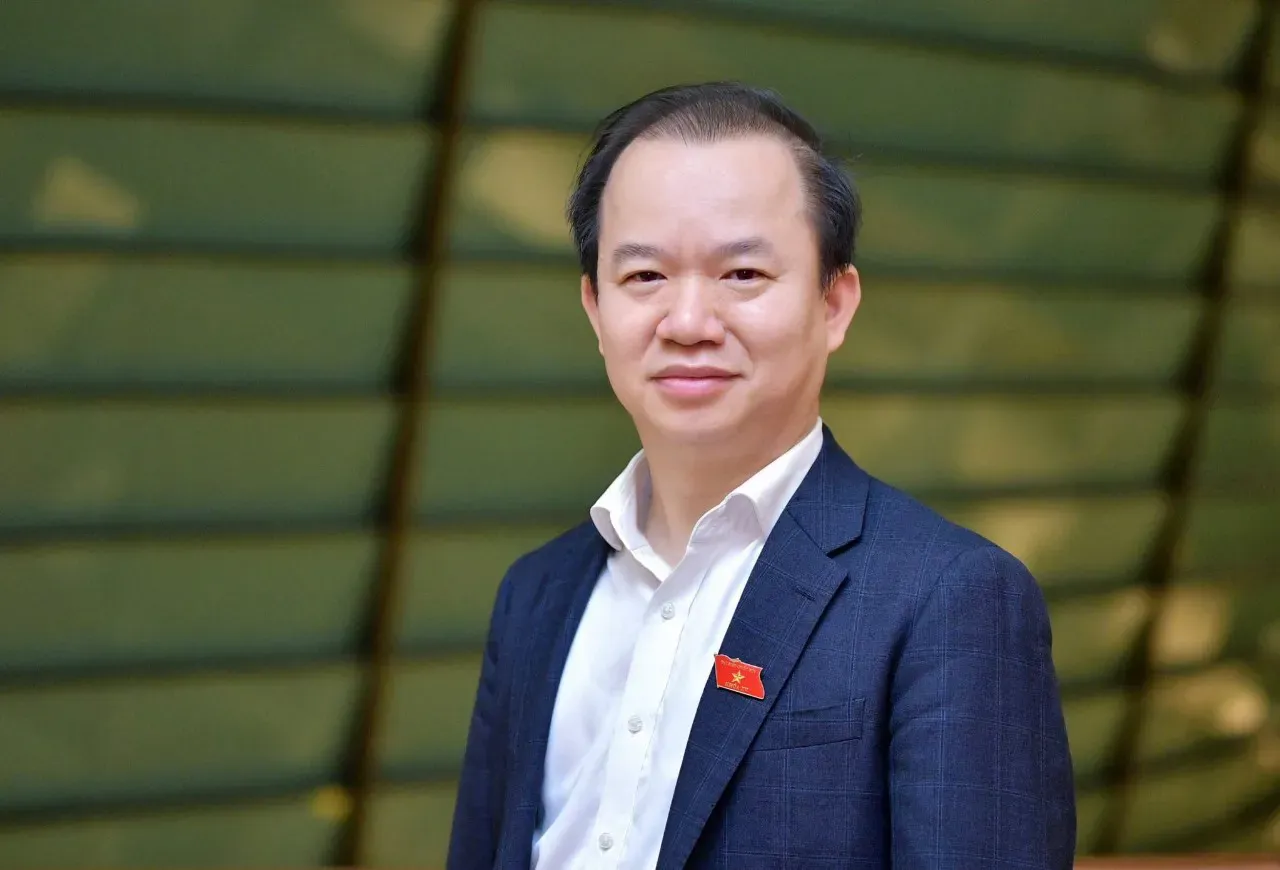
Associate Professor Dr. Bui Hoai Son, member of the National Assembly's Committee for Culture and Society.
How does the two-tier government model create opportunities and potential for cultural development across Hanoi?
The implementation of the two-tier government model (provincial and commune levels) is a strong, historic change in streamlining state management structure. It opens up new spaces for cultural development at the local level.
With this model, communes and wards as the closest units to people will have more authority. A commune, or a ward, is also the lowest administration for a particular residential area where culture exists and is presented in every house, market corner, village temple, and local festival.
Alongside power, authorities of communes and wards have more responsibility, higher motivation, and more space to come up with creative ways in combining their local identities in cultural development.
To Hanoi, a thousand-year-old capital embedded with cultural essences, empowering communes and wards is both a governance innovation and a chance to "awaken" the rich cultural resources found in craft villages, folk songs, old neighborhoods, and poetic street corners.
We can completely expect that this institutional change will spark a wave of cultural renewal at the local level, where culture is preserved and created, serving as both heritage and a driver for development.
What challenges does the two-tier local government model pose for cultural development at the commune and ward levels?
Communes and wards are responsible for managing and shaping the living environment for residents. That means local authorities must design urban lifestyle, and cultivate and spread cultural values.
When commune-level authorities are tasked with improving quality of life in terms of cultural and spiritual life, they must change mindset in cultural development.
Culture must be an essential part of local development strategies, and developing culture involves nurturing people, enhancing identity, and laying the foundation for sustainable development.
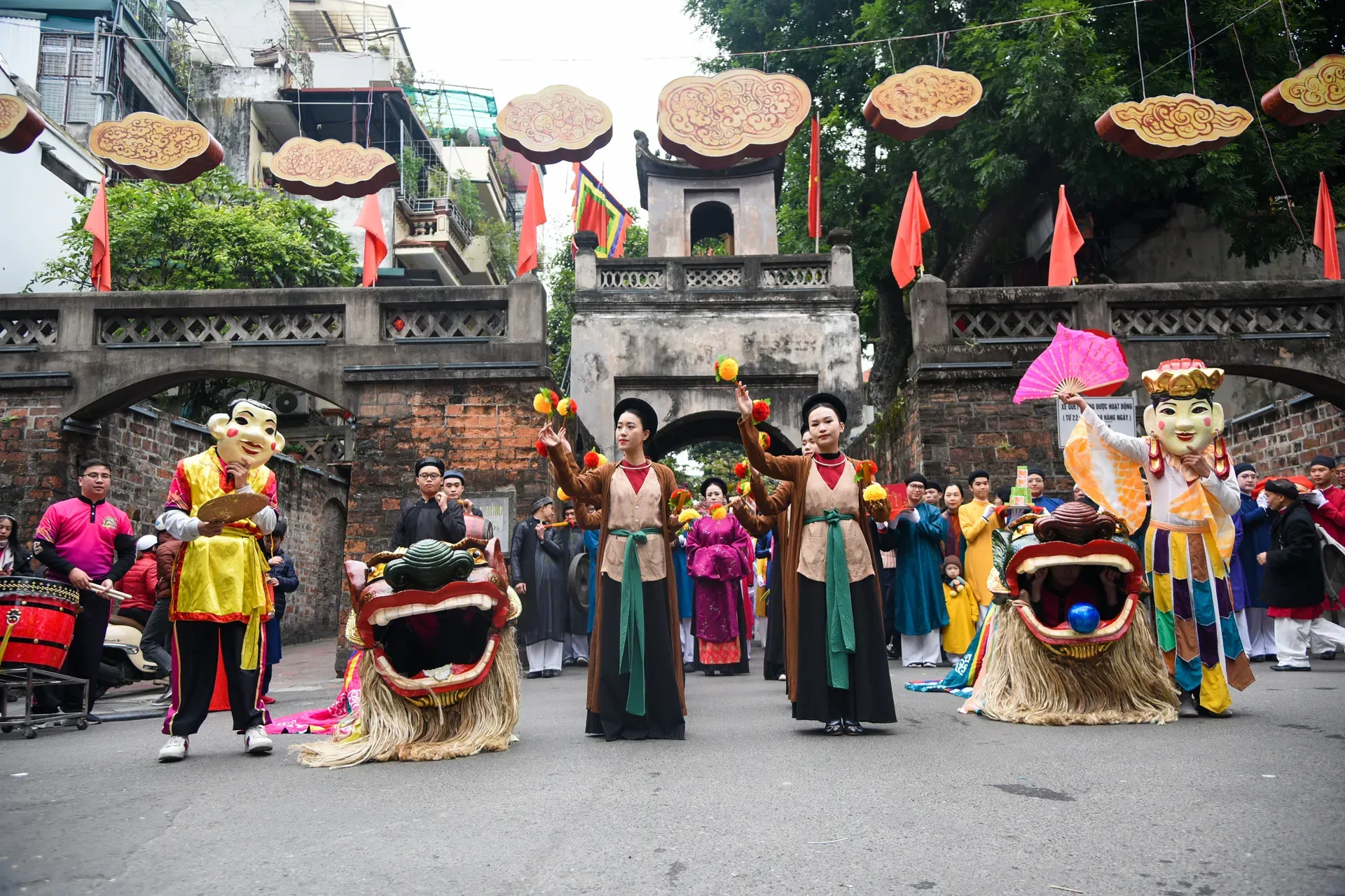
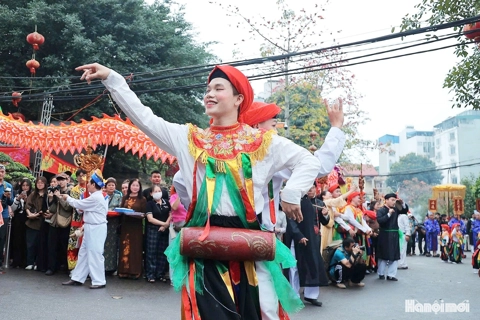
A folk singing and dancing performance at the Old Quarter, Hanoi. Photo: Thanh Hai/The Hanoi Times
Local governments have been following top-down instructions, and they have little experience in designing their own cultural policies. They don’t have required tools, data, and the confidence to take culture seriously as the center of development, and they only treat it as a box-ticking exercise.
As communities become more diverse and cultural demands grow, commune-level governments must become more flexible, creative, and adaptive. Without a shift in governance thinking and proper investment in people and resources, a commune-level government will easily fall into passivity, go off track, or miss out on the valuable opportunities this new governance model offers.
What is the biggest challenge facing communes and wards in cultural development under the two-tier model?
The biggest challenge for communes and wards in this transition is the lack of cultural management capacity.
In this new context, beyond organizing festivals and events, local authorities must become cultural policymakers. They need to assess cultural resources, plan for developing cultural spaces, link culture with community tourism, creative industries, education, and media.
An obstacle for many communes and wards is the sufficient number of well-trained cultural workforce, while the governments themselves are short of clear cultural development strategies. In addition, there are no databases on heritages, cultural symbols, and community cultural needs. These lead to shallow, unsustainable cultural polices at the local level.
Another difficulty is the lack of effective cross-sectoral coordination at the commune and ward level. Culture development must be attached to urban planning, education, tourism, technology, and the environment. Yet local authorities lack such coordination and do not have appropriate financial mechanisms to invest in culture as a priority sector.
Most importantly, if local leaders do not view culture as a core value and instead treat it as a secondary task, they will unlikely achieve breakthroughs. We need comprehensive improvements in infrastructure, personnel, and governance mindset so that culture can truly become a sustainable development driver from the grassroots level.
Thank you for your time!