Underground space: Solution to Hanoi’s urban pressure
With rapid urban population growth, underground spaces are gaining attention as a solution to relieve surface land pressures.
The Hanoi Master Plan (2021–2030, vision to 2050) prioritizes integrating urban growth with safe and efficient underground space use to optimize land utilization and protect the environment.
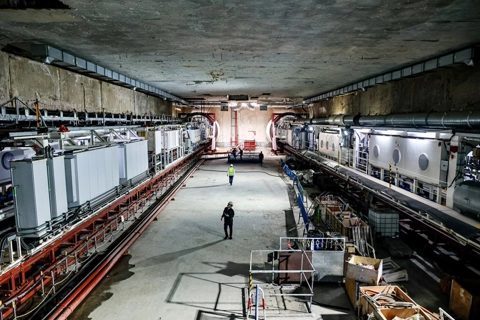
| Underground space remains key in urban planning management. Photo: Hai Linh/The Hanoi Times |
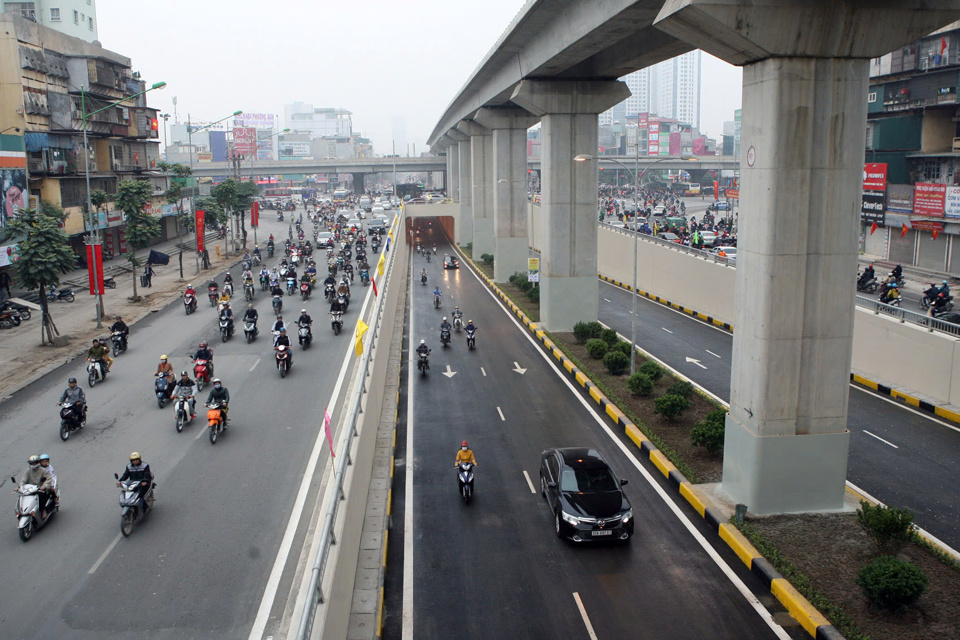
Going underground spaces is an inevitable trend and a key criterion in measuring urban modernization. Many nations regard urban underground spaces as a valuable natural resource for addressing the challenges posed by limited surface land availability. Singapore, for example, has moved numerous public facilities, factories, offices, and warehouses below ground in recent years to free up surface land.
Nguyen Thi Phuong from the Central Internal Affairs Commission noted that in Singapore, the levels closest to the surface are planned for human-centered activities such as shopping malls, parking lots, transportation, pedestrian walkways, and urban utilities. The deeper levels are designated for utility tunnels and drainage systems.
Singapore's urban underground space planning optimizes land use and improves living standards, exemplifying pragmatism and environmental benefits. Almost 10% of the nation's road network and 82 km of railways (out of 180 km) are subterranean as are major underground projects like the Jurong Island rock caverns and underground ammunition depots.
In Japan, urban planning is a serious investment promotion program. Comprehensive plans are publicly announced, especially for land use and infrastructure planning. Japanese urban planning requires that at least 40% of urban development projects be locally managed, which is its unique feature. Public feedback is collected several times, and the plan requires a 70% approval rate for adoption.
Japan's underground spaces are categorized into three infrastructure groups: utility networks (gas, water, electricity, telecommunications), urban transportation (subways, underground roads, parking lots), and commercial facilities (underground shopping areas). Importantly, most public-use underground spaces are situated beneath roads and public areas rather than under private property, ensuring coordinated construction to avoid repeated disruptions.
With rapid urban population growth, underground space is gaining attention as a solution to relieve surface land constraints. According to Phuong, exploiting this resource in Vietnam offers substantial benefits but also presents challenges that require a comprehensive legal framework and strategic solutions. Unlike surface space, underground areas cannot be reverted once utilized, making unambiguous ownership and usage rights essential.
Realizing visions into reality
Nguyen Cong Giang from the Hanoi University of Architecture emphasized that clear boundaries and scope for planners and developers are crucial to minimizing risks, encouraging investment, and optimizing underground space usage.
Hanoi faces significant challenges in managing underground spaces amidst growing urbanization. The Capital Law 2024, Article 19, for the first time, includes provisions for managing and utilizing underground spaces. Drawing on the experiences of Singapore and Japan, Nguyen Thi Phuong highlighted the need to urgently finalize relevant legal documents and implement detailed planning for underground space. This includes assessing the current state and future development of underground spaces, strategic planning, execution steps, technical specifications, and integrating underground projects with surface developments.
Hanoi's comprehensive underground space planning must focus on functional zoning, efficient land use, and connectivity between underground and surface infrastructure while ensuring environmental and groundwater protection. It should also ensure the safety of underground works and their interaction with surface structures. Experts recommend that Hanoi adopt decisive, coordinated action to effectively implement the "Master Plan for Urban Underground Space Development in Central Hanoi to 2030, Vision to 2050," with a scale of 1/10,000. As the first city in Vietnam to complete such a plan, Hanoi is well-positioned to lead the implementation of these new regulations.
| Experts suggest that Hanoi should establish a national database on underground structures and strengthen public awareness efforts to disseminate legal regulations, including the 2024 Capital Law, regarding the management and use of underground spaces. This aims to ensure that citizens have a clear understanding of their rights and responsibilities, fostering public support for the city's implementation of underground infrastructure projects. |